
Understand patterns Math Worksheets for Ages 5-8
6 filtered results
Difficulty Level
Grade
Age
-
From - To
Subject
Activity
Standards
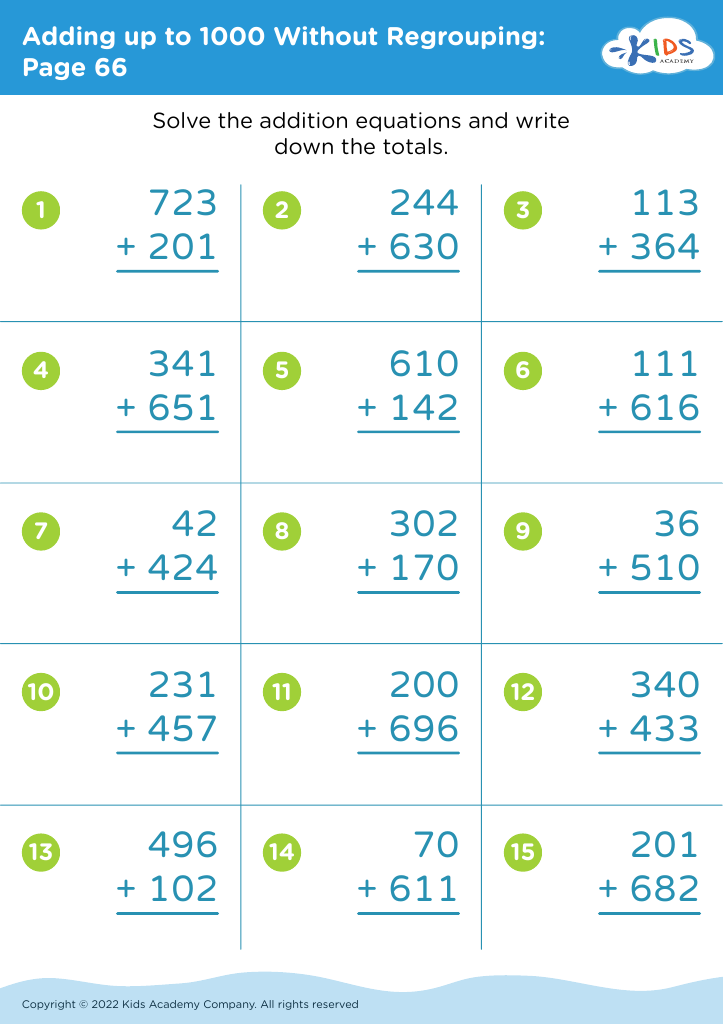
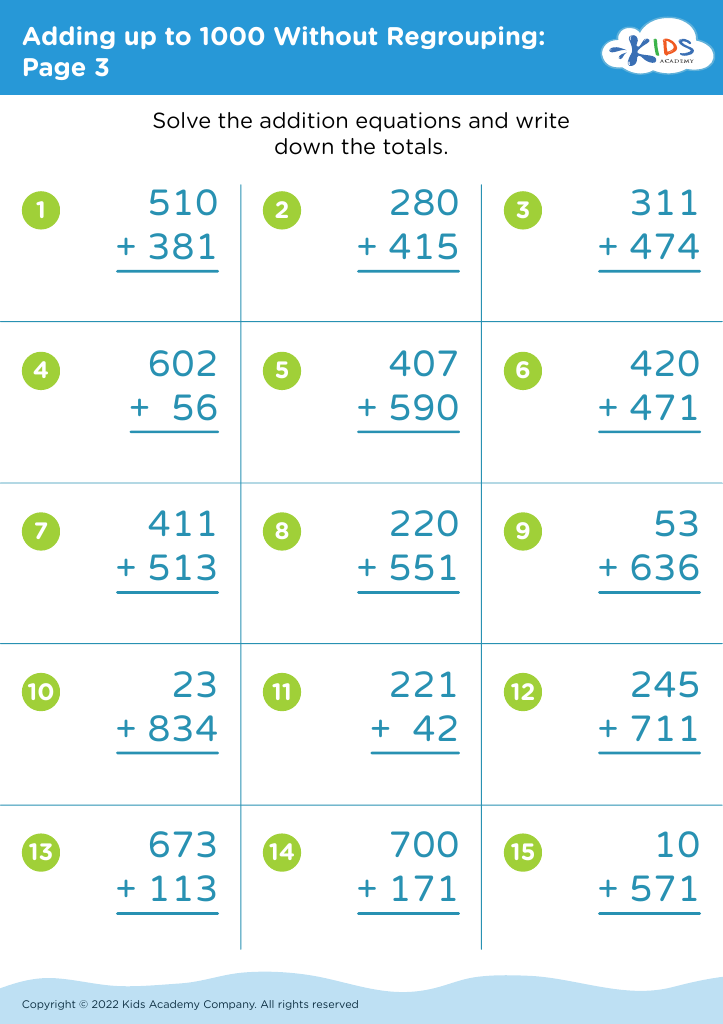
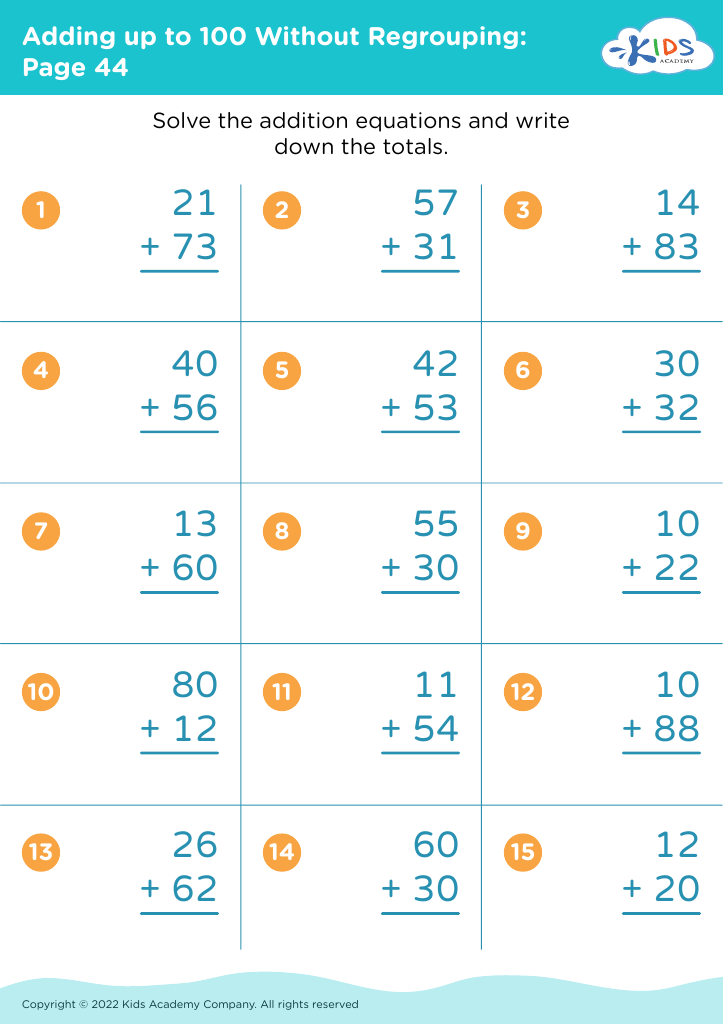
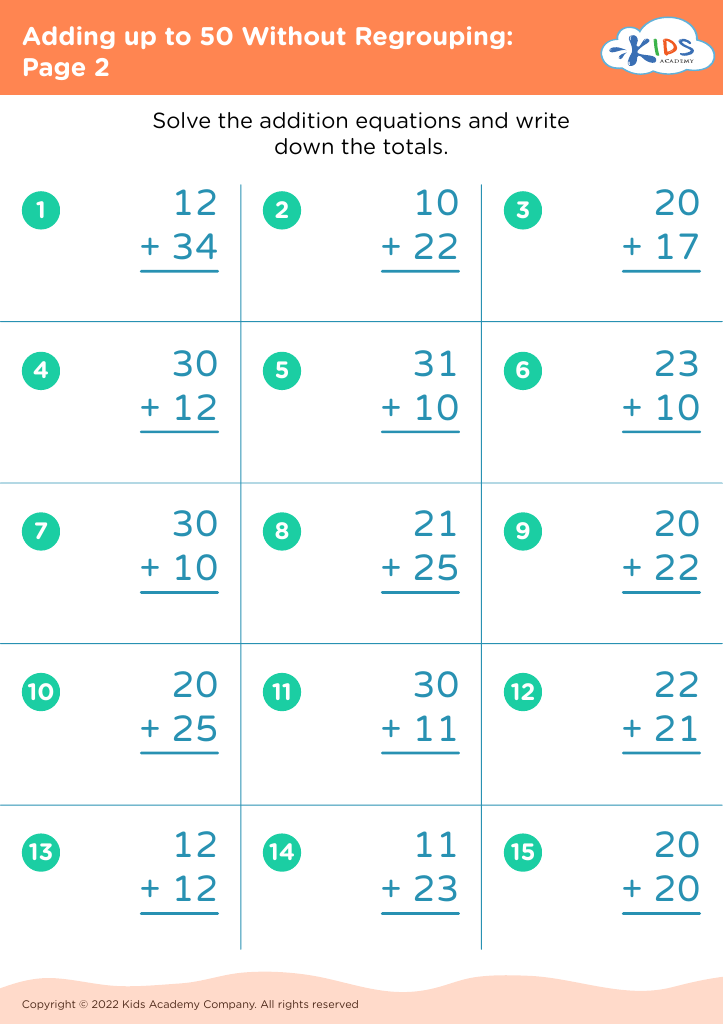
Explore our "Understand Patterns Math Worksheets" designed for children aged 5-8. These engaging worksheets help young learners recognize, create, and extend various patterns, enhancing their critical thinking and problem-solving skills. Each worksheet is tailored to fit different learning styles, featuring vibrant illustrations and step-by-step instructions to make learning fun and interactive. With varied exercises that incorporate shapes, colors, and numbers, kids will develop a solid foundation in pattern recognition, a key component of early math education. Perfect for classroom activities or at-home practice, our comprehensive resources ensure your child gains confidence and proficiency in math while having fun!
Favorites
With answer key
Interactive
Join Kids Academy for Free
Who is primarily going to use this learning content?





.jpg)


Understanding patterns is a foundational concept in math for children aged 5-8, and it plays a crucial role in their overall cognitive development. First, recognizing patterns helps children develop critical thinking and problem-solving skills. By identifying similarities and differences, they enhance their analytical abilities, which are essential in various subjects beyond math.
Moreover, pattern recognition lays the groundwork for more complex mathematical concepts. As students progress, they encounter algebra, geometry, and statistics, all of which rely heavily on understanding sequences and relationships. Early exposure to patterns, such as skip counting or recognizing shapes, demystifies these advanced topics, making them more accessible in later years.
Engaging with patterns also fosters creativity. When children create and extend patterns, they activate their imaginative skills, exploring possibilities in abstract thinking. Furthermore, patterns can be found in everyday life, allowing children to connect mathematical concepts to their surroundings, thus making learning more relevant and enjoyable.
For parents and teachers, promoting pattern understanding isn’t just about math; it’s about equipping children with the skills they need to thrive academically and in everyday situations. Investing in strong pattern skills builds a solid foundation for future learning and lifelong problem-solving abilities.








