Understand sequences Math Worksheets for Ages 5-8
5 filtered results
-
From - To
Introduce your child to the exciting world of sequences with our “Understand Sequences” math worksheets designed for ages 5-8. These engaging printable activities help young learners recognize patterns, understand order, and develop critical thinking skills. From simple number sequences to more complex patterns, each worksheet offers a hands-on approach to learning. Perfect for both classroom and home use, our worksheets align with common core standards and make math fun and interactive. Give your child the foundation they need for future math success with our expertly crafted sequences worksheets. Download and print them today at Kids Academy!
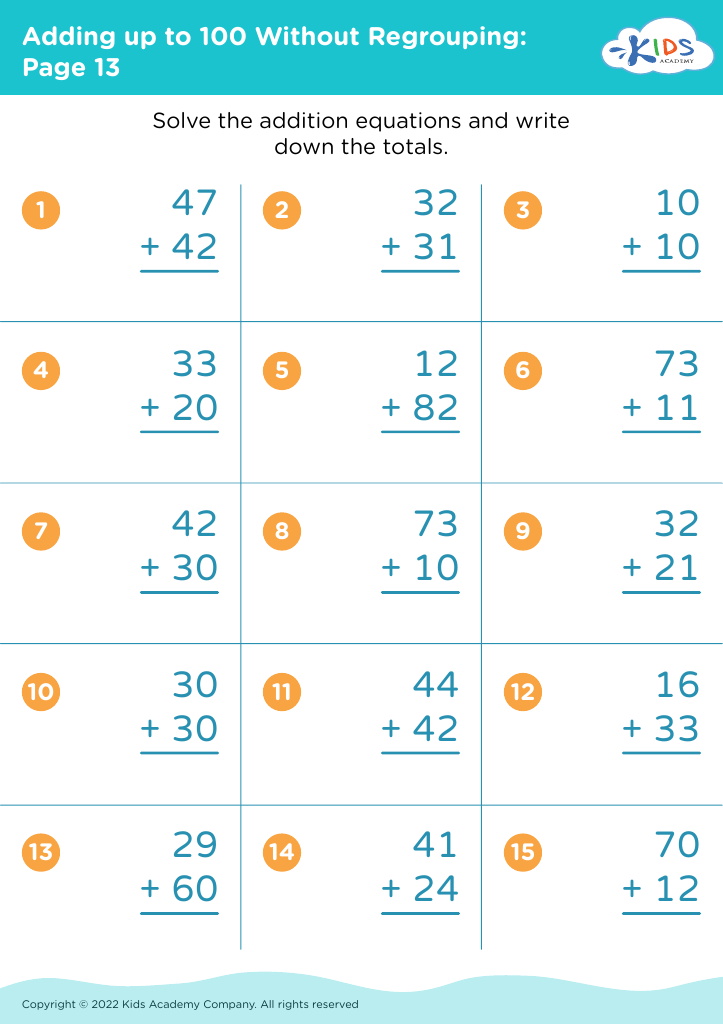
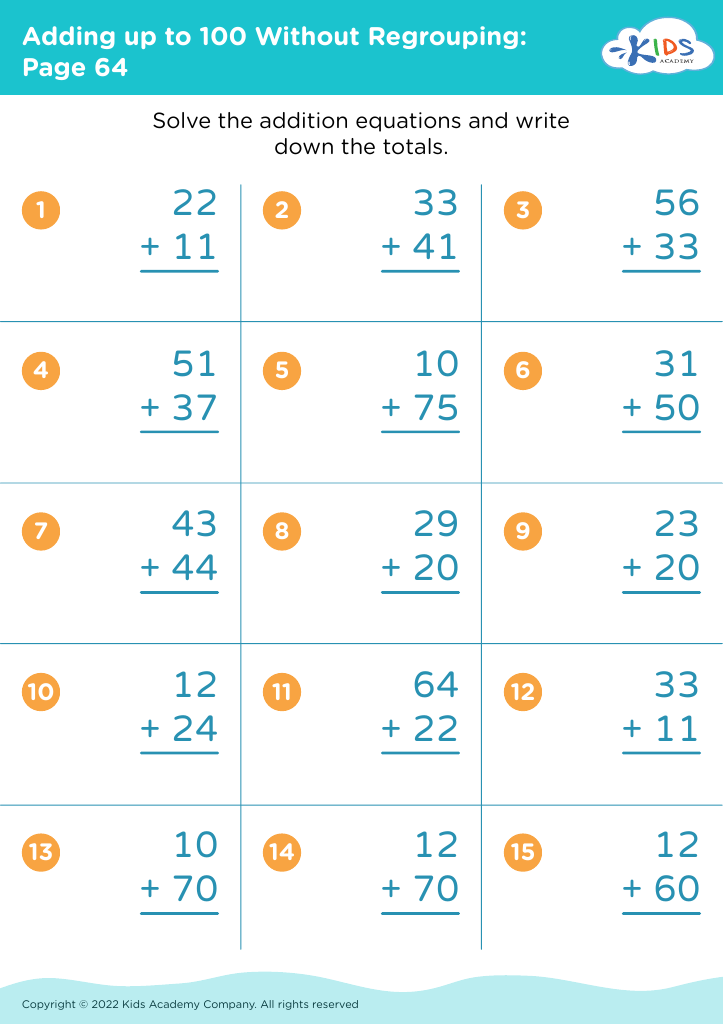
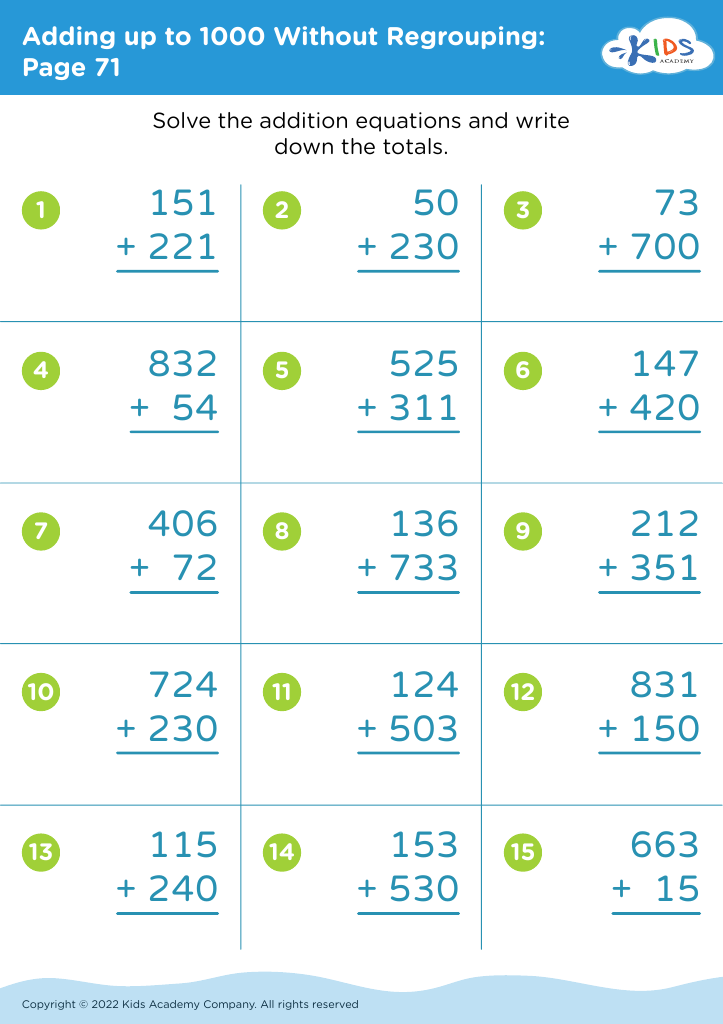
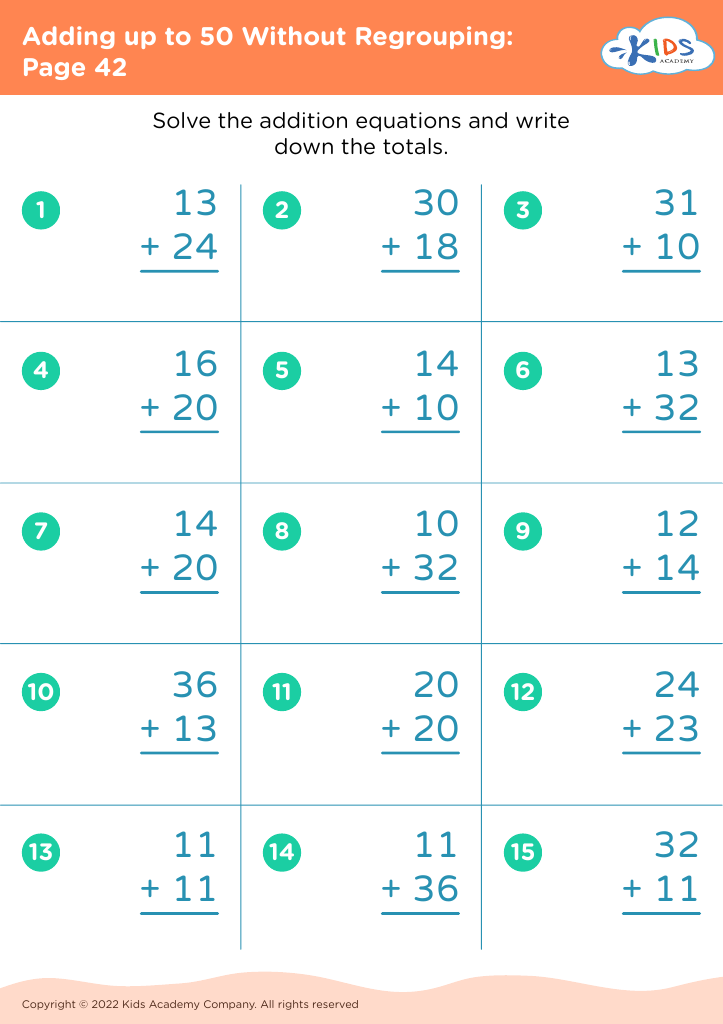








Understanding sequences is crucial for young children's mathematical development, particularly for ages 5-8, as it underpins numerous essential cognitive and academic skills. Sequences help children grasp the concept of order and logic, which are foundational elements in math and everyday decision-making. For instance, recognizing patterns allows children to predict the next item in a sequence, fostering their analytical and problem-solving abilities.
Parents and teachers should care because learning sequences enhances a child’s numerical fluency, a core aspect of early mathematics education. This, in turn, builds the groundwork for more complex mathematical concepts like addition, subtraction, and eventually multiplication and division. Moreover, sequences extend beyond math; they are integral to understanding days of the week, storytelling (beginning, middle, end), and following routines or instructions.
Teaching sequences also nurtures children's memory and attention to detail. It encourages active engagement and critical thinking as children work to identify and replicate patterns. For teachers and parents, cultivating these skills early can lead to greater academic confidence and a love for learning. Therefore, emphasizing the importance of sequences can provide significant, long-term educational benefits in both mathematical proficiency and general cognitive development.








