
Understand subtraction Math Worksheets for Ages 5-8
6 filtered results
Difficulty Level
Grade
Age
-
From - To
Subject
Activity
Standards
Dive into fun and engaging subtraction worksheets designed specifically for children ages 5-8! Our materials help young learners understand subtraction concepts through colorful and creative activities. These worksheets promote critical thinking and problem-solving skills, ensuring kids grasp key subtraction principles. With a variety of exercises that involve counting, visual aids, and hands-on practice, children remain captivated while honing their math abilities. Ideal for classroom or home use, these resources support teachers and parents in laying a strong foundation in mathematics. Explore our collection to inspire a love for learning and confidence in subtraction!
Favorites
With answer key
Interactive
Join Kids Academy for Free
Who is primarily going to use this learning content?


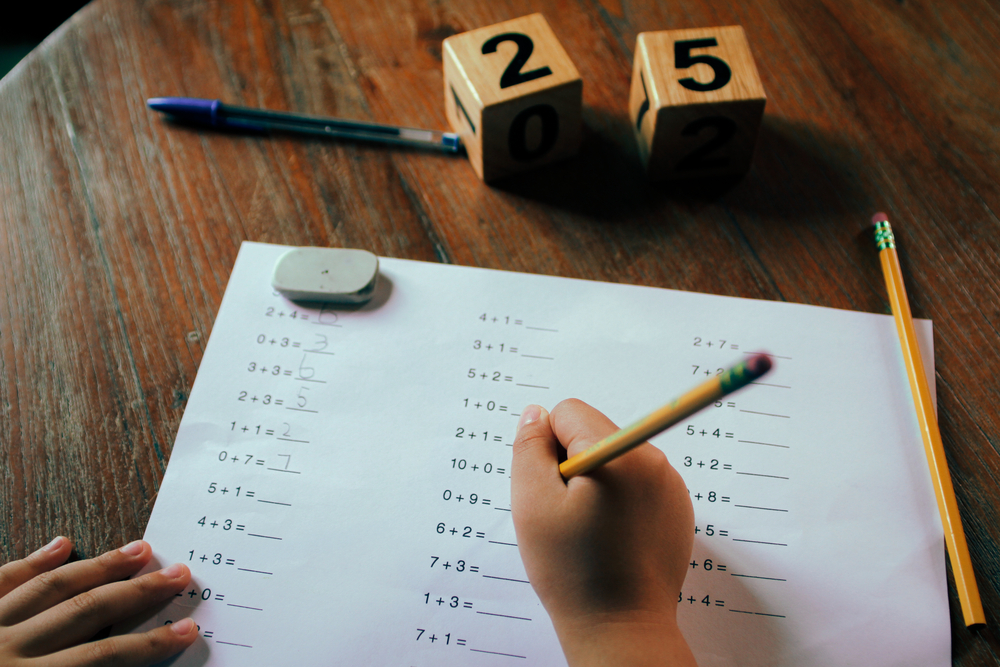





Understanding subtraction is a crucial mathematical skill for children aged 5-8, laying the groundwork for more advanced mathematical concepts that they will encounter later. For parents and teachers, fostering subtraction skills in young learners supports their overall mathematical development and boosts their confidence in tackling everyday problems.
Subtraction teaches children essential concepts of taking away, finding differences, and understanding what it means for one number to be less than another. These skills are not only foundational for more complex arithmetic, like multi-digit subtraction and understanding fractions, but they also cultivate logical thinking and problem-solving abilities.
Moreover, subtraction is pervasive in real-life situations. Whether it’s calculating a change received after buying something, figuring out time left for activities, or dividing a limited number of resources among friends, subtraction enables kids to make sense of their world. When they are adept at subtraction, they can approach these everyday tasks with a sense of competence and independence.
Teachers and parents who emphasize and support the learning of subtraction help children transition smoothly into more comprehensive subjects, encourage analytical thinking, and build a solid foundation for lifelong numeracy skills. Motivating their engagement through fun activities and contextual learning can make subtraction an enjoyable and valuable part of their educational journey.








