Understanding numeracy Math Worksheets for Ages 5-8
4 filtered results
-
From - To
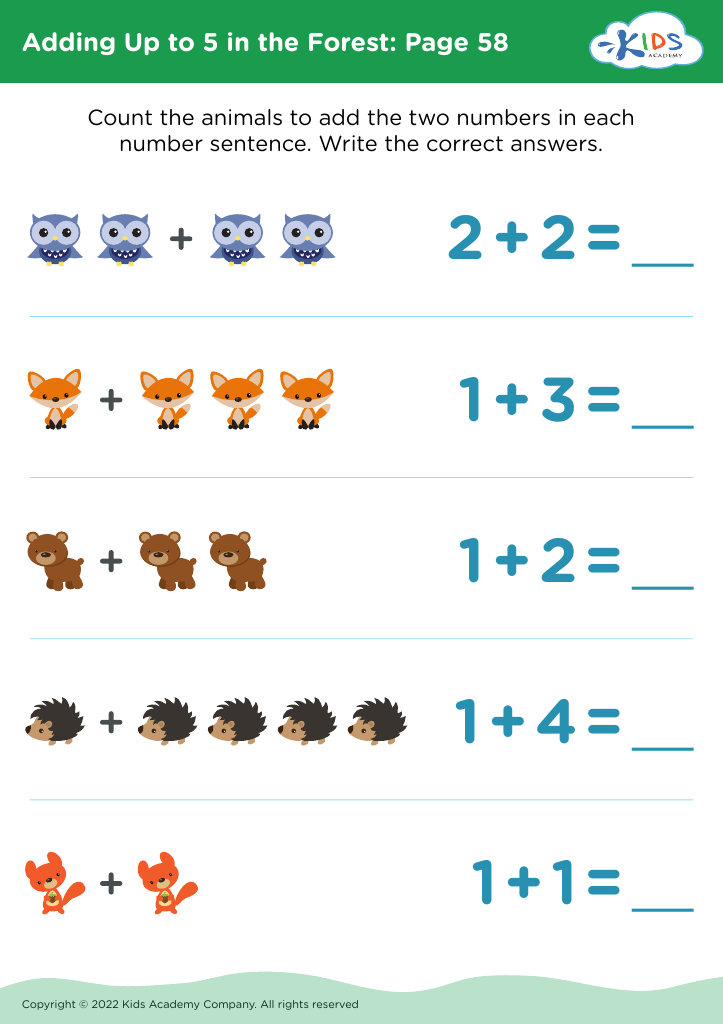
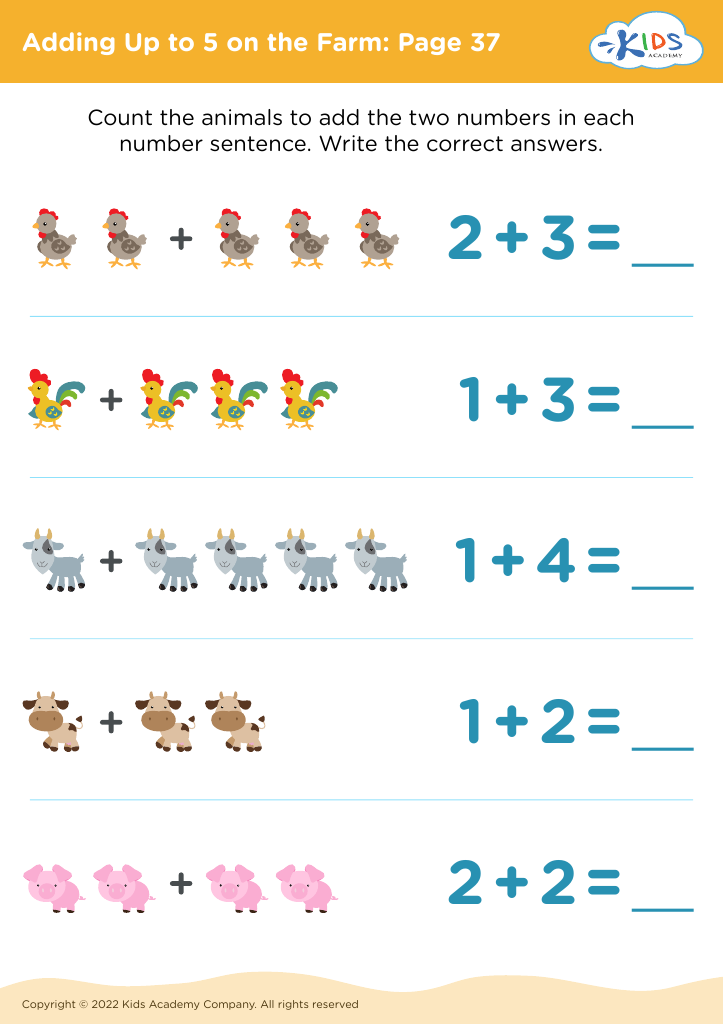
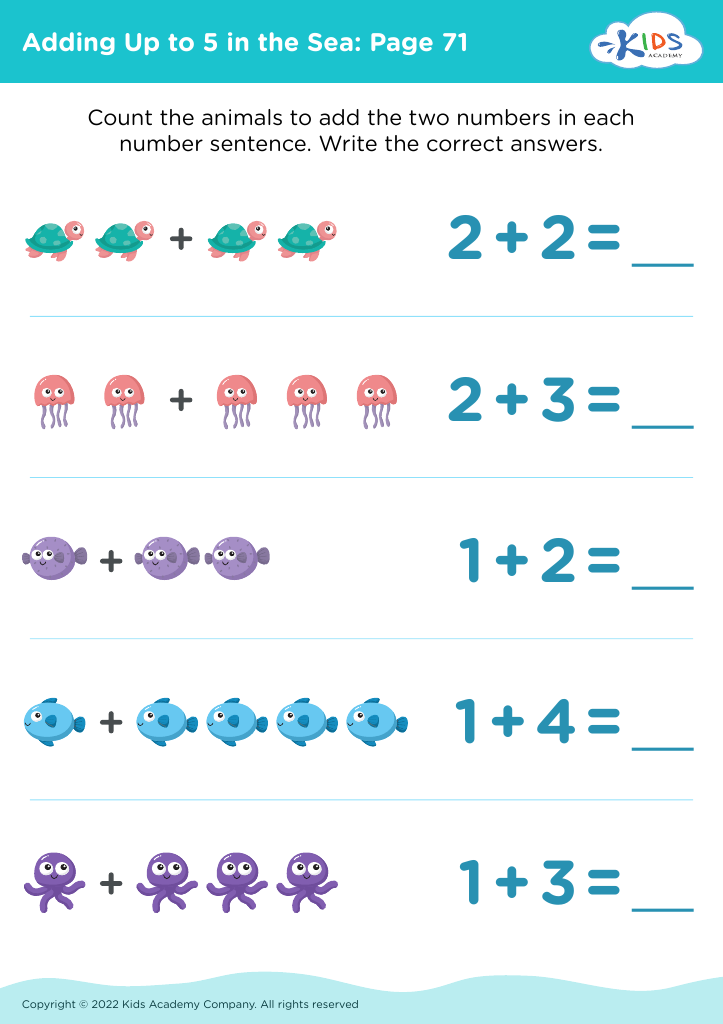
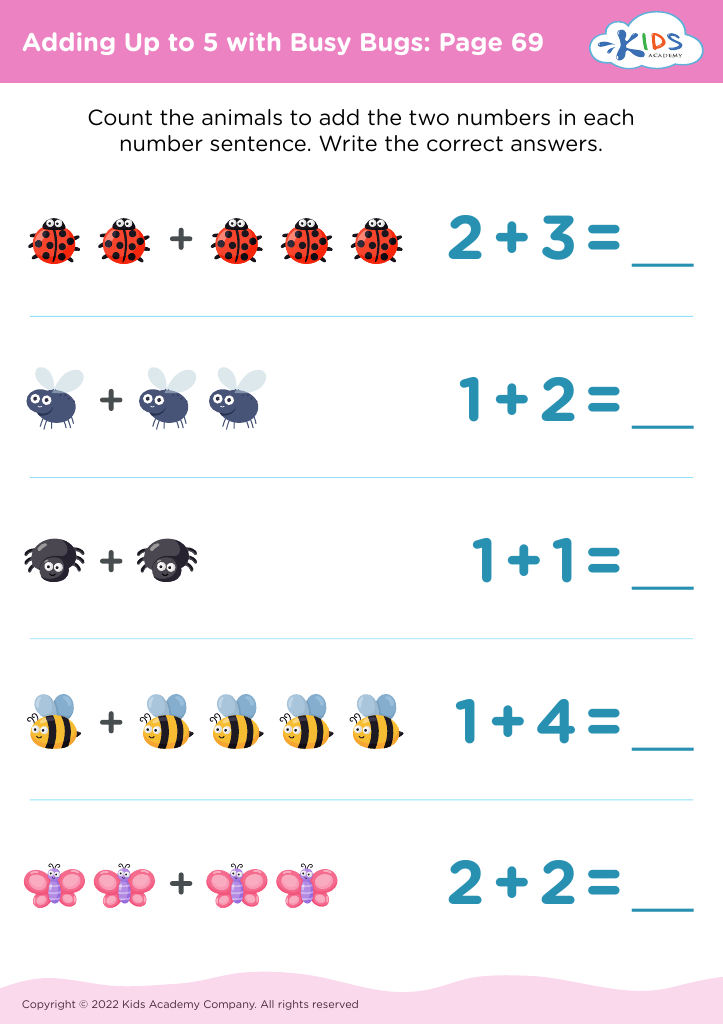
Explore our "Understanding Numeracy Math Worksheets for Ages 5-8" to enhance your child's math skills in a fun and engaging way. These worksheets are designed to introduce foundational concepts such as counting, number recognition, basic addition and subtraction, and understanding patterns. Each worksheet is tailored to cater to different learning stages, ensuring that kids grasp essential numeracy skills while enjoying interactive activities. Perfect for home or classroom use, our resources foster a love for math and provide comprehensive practice to build confidence. Help your child excel in math with our easy-to-use and visually appealing worksheets that make learning an enjoyable experience!



.jpg)



Understanding numeracy in early education, especially for children aged 5-8, is crucial for several reasons. First, numeracy forms the foundation for all future mathematical learning. At this age, children develop basic concepts of number sense, counting, and simple arithmetic, which are essential as they progress to more complex mathematical ideas.
Parents and teachers play a vital role in fostering confidence and competence in young learners. By engaging with numeracy in fun and relatable ways (like counting everyday objects, using games, and incorporating math into daily routines), they cultivate a positive attitude towards math. This is important because a strong early experience in numeracy can reduce anxiety around math in later grades.
Additionally, understanding numeracy promotes critical thinking and problem-solving skills, both of which are vital for academic success across subjects and in everyday life. Collaborating on math-related activities helps strengthen the bond between parents and children or teachers and students, enhancing learning.
Ultimately, prioritizing numeracy helps create a supportive environment that nurtures lifelong learners who can navigate and succeed in a increasingly number-driven world.








