Understanding numerical values Math Worksheets for Ages 5-8
4 filtered results
-
From - To
Welcome to our "Understanding Numerical Values" Math Worksheets for Ages 5-8! Designed specifically for young learners, these engaging worksheets aid in developing a solid foundation in mathematical concepts. Children will explore numerical comparison, value recognition, and the relationships between numbers through a variety of fun activities. Our thoughtfully created exercises not only promote critical thinking but also foster confidence in math skills. Perfect for classroom use or at-home learning, these worksheets encourage interactive learning and make grasping numerical values an enjoyable experience. Start your journey towards math mastery today and watch your child's number sense thrive with our comprehensive resources!
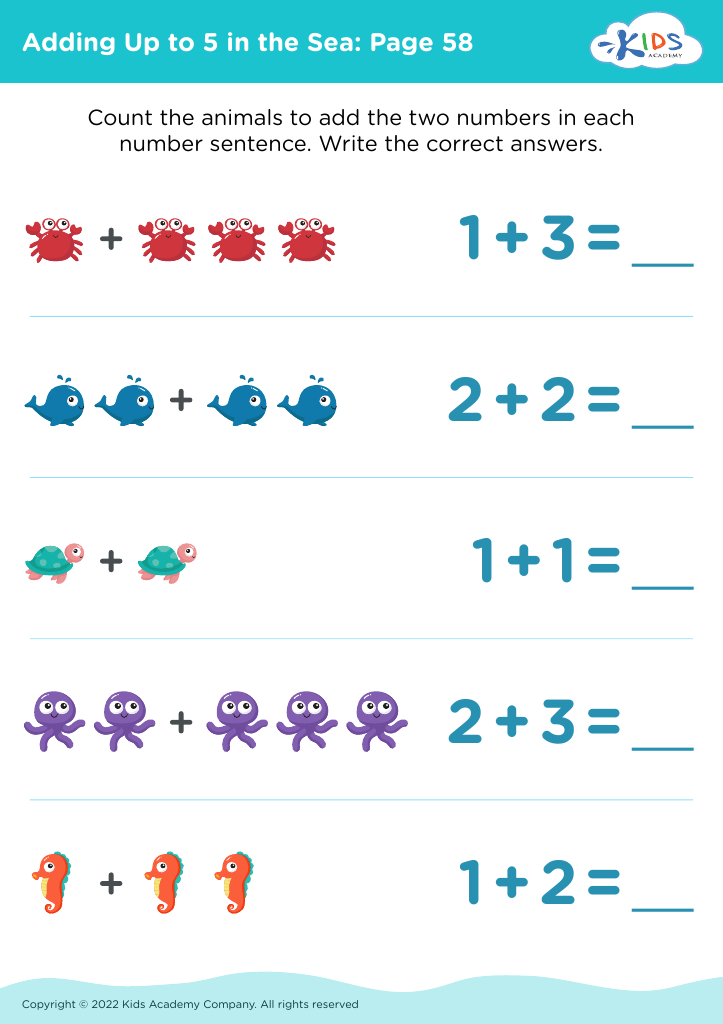
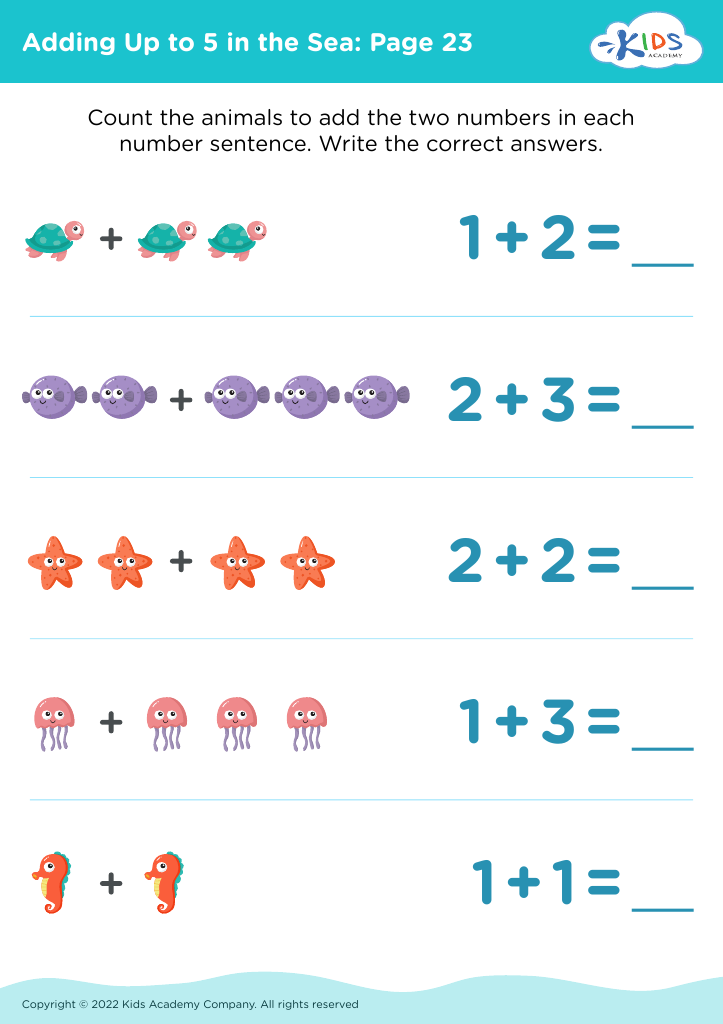
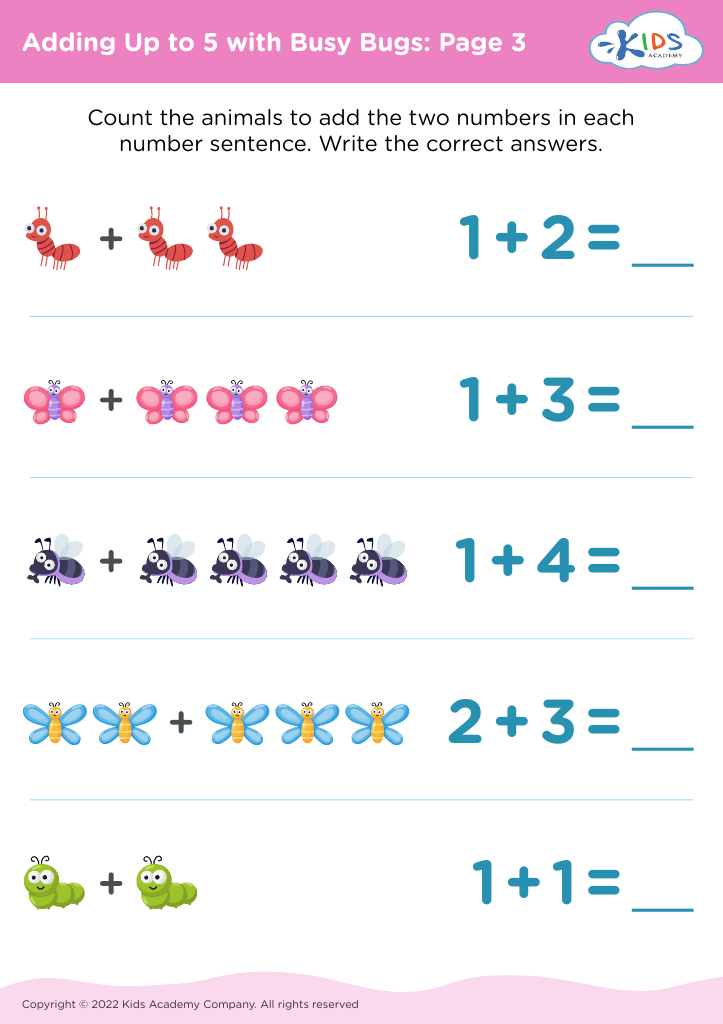
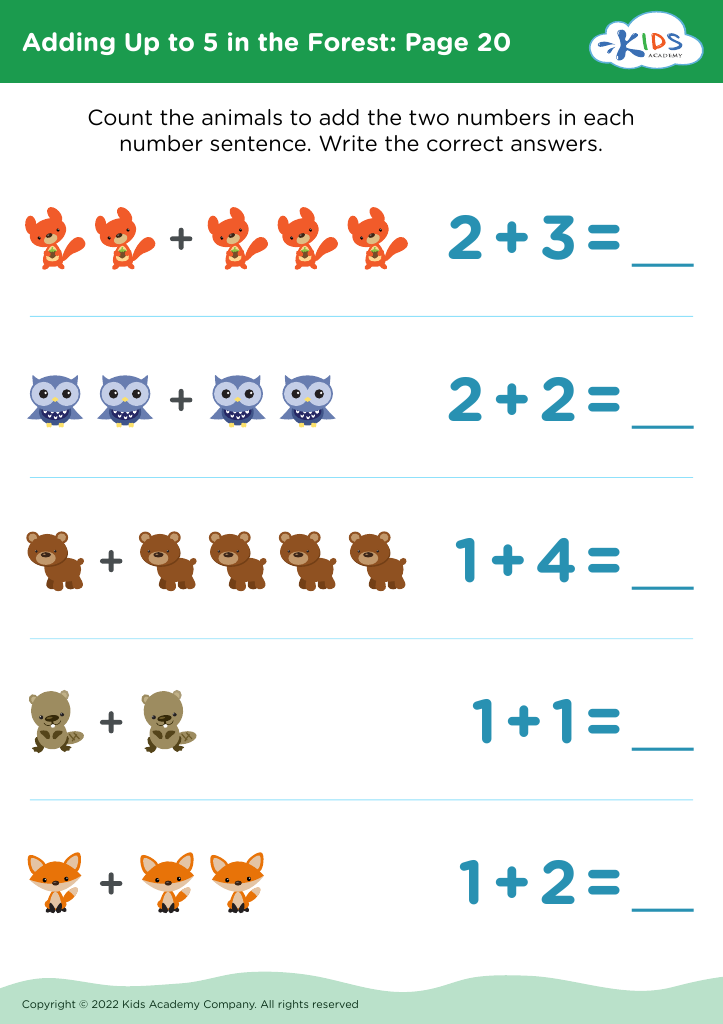







Understanding numerical values is a foundational skill in mathematics that has a significant impact on children aged 5-8. During these early developmental years, learners are naturally curious and eager to explore mathematical concepts. Grasping numerical values not only supports mathematical competency but also enhances critical thinking and problem-solving skills.
For parents and teachers, cultivating an understanding of numbers lays the groundwork for later learning. It helps children compare quantities, recognize patterns, and grasp basic operations like addition and subtraction. This is essential for everyday tasks, such as counting items, managing money, and even time management.
Moreover, engaging children with numerical concepts fosters confidence in their mathematical abilities. When parents and educators encourage and guide children in this area, they promote a positive attitude towards math—reducing anxiety and building resilience in tackling complex problems as they grow older.
Finally, a strong foundation in understanding numerical values contributes to overall academic success, influencing performance in various subjects. Therefore, investing time and resources in nurturing this understanding is crucial for helping children become numerically literate citizens prepared for future challenges.








