
Visual comprehension Math Worksheets for Ages 5-8
7 filtered results
Difficulty Level
Grade
Age
-
From - To
Subject
Activity
Standards
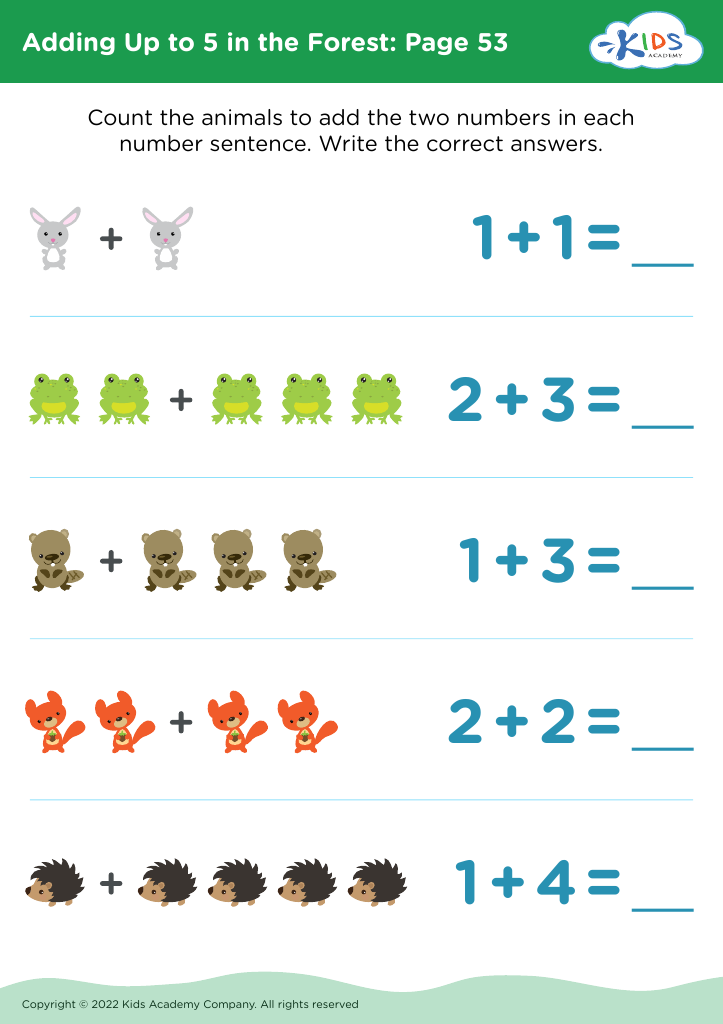
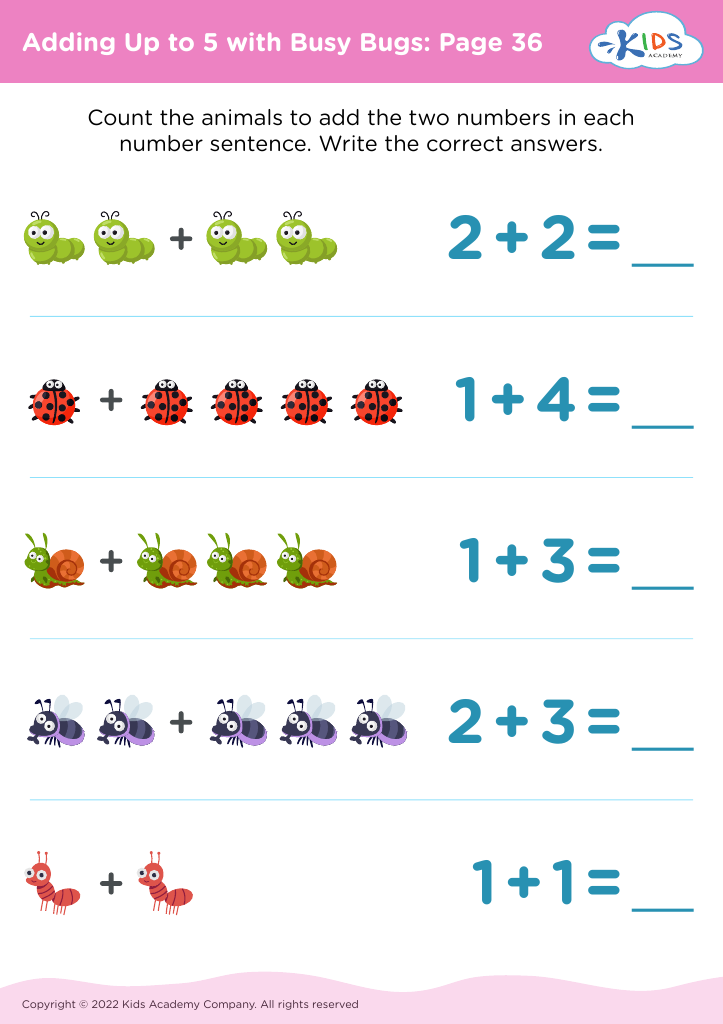
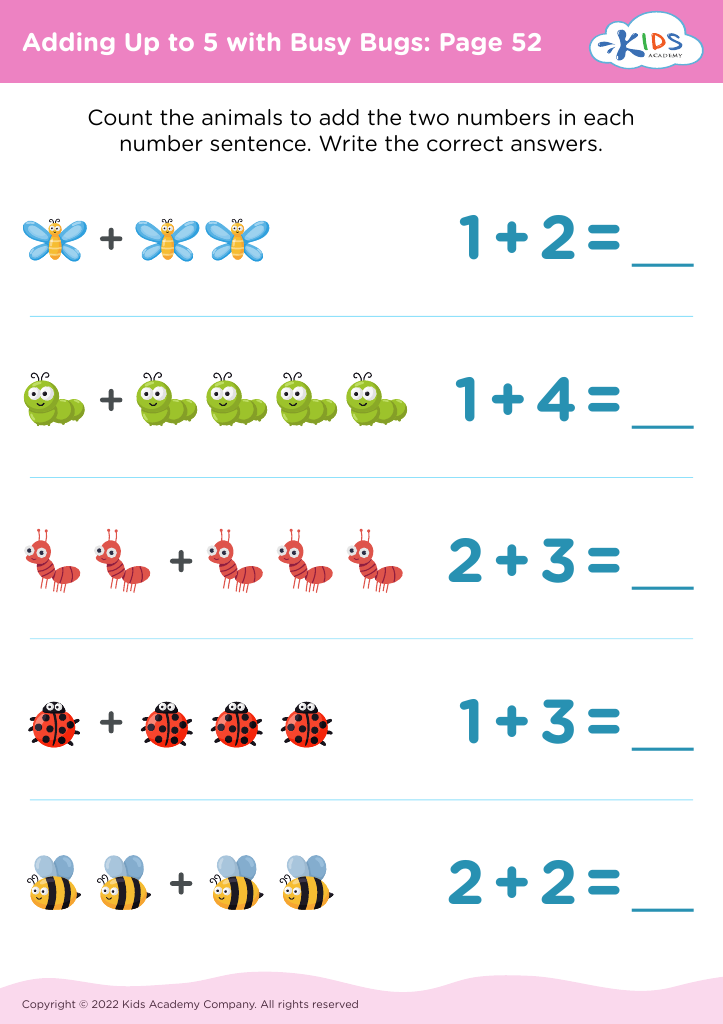
Discover our engaging Visual Comprehension Math Worksheets tailored for children aged 5-8! Designed to enhance young learners' understanding of mathematical concepts through visual aids, these worksheets promote critical thinking and problem-solving skills. Our resources incorporate fun illustrations and interactive activities, making math enjoyable and accessible. Ideal for classroom or home use, these worksheets help children strengthen their ability to interpret visual information in math, fostering a solid foundation for future learning. Explore our collection today and empower your child’s learning journey with effective visual comprehension tools that will inspire confidence and a love for mathematics!
Favorites
With answer key
Interactive
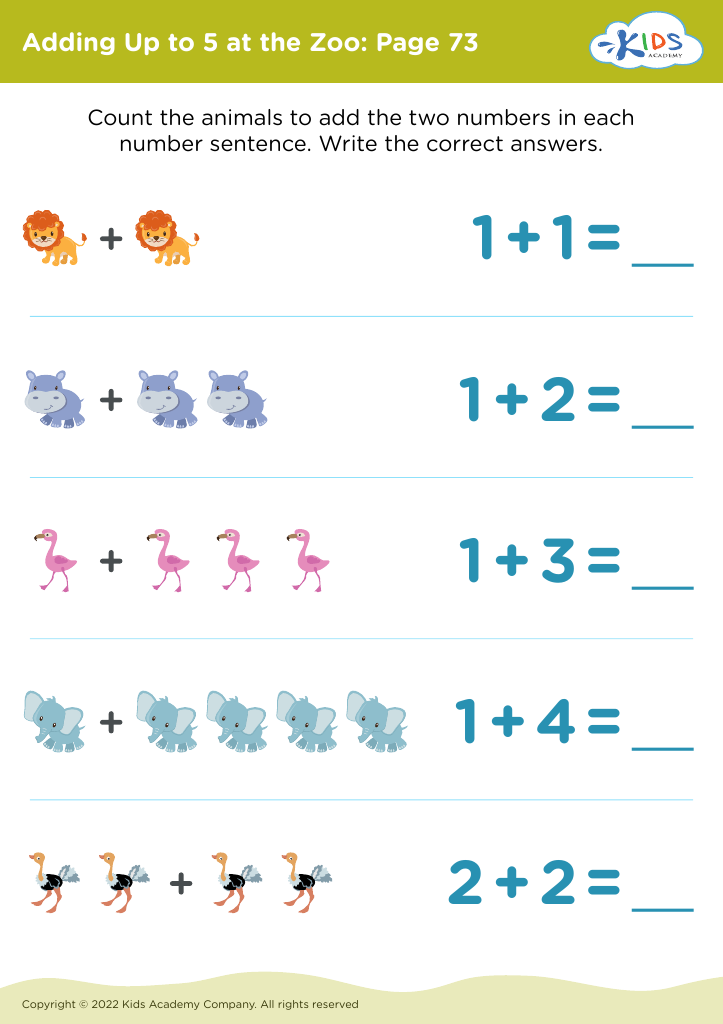
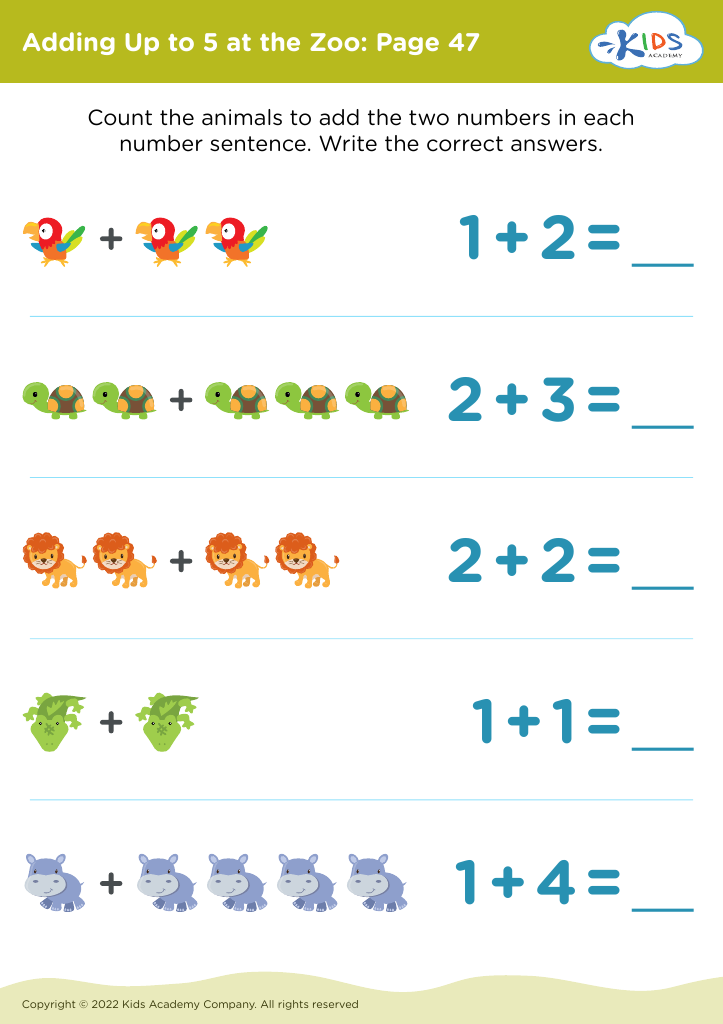
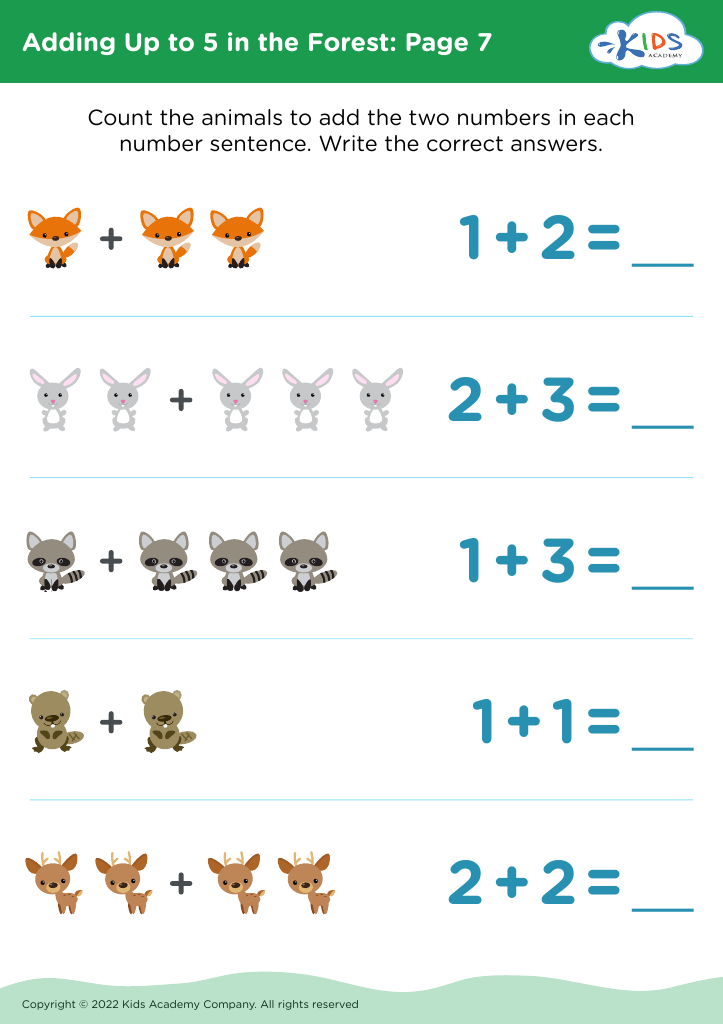
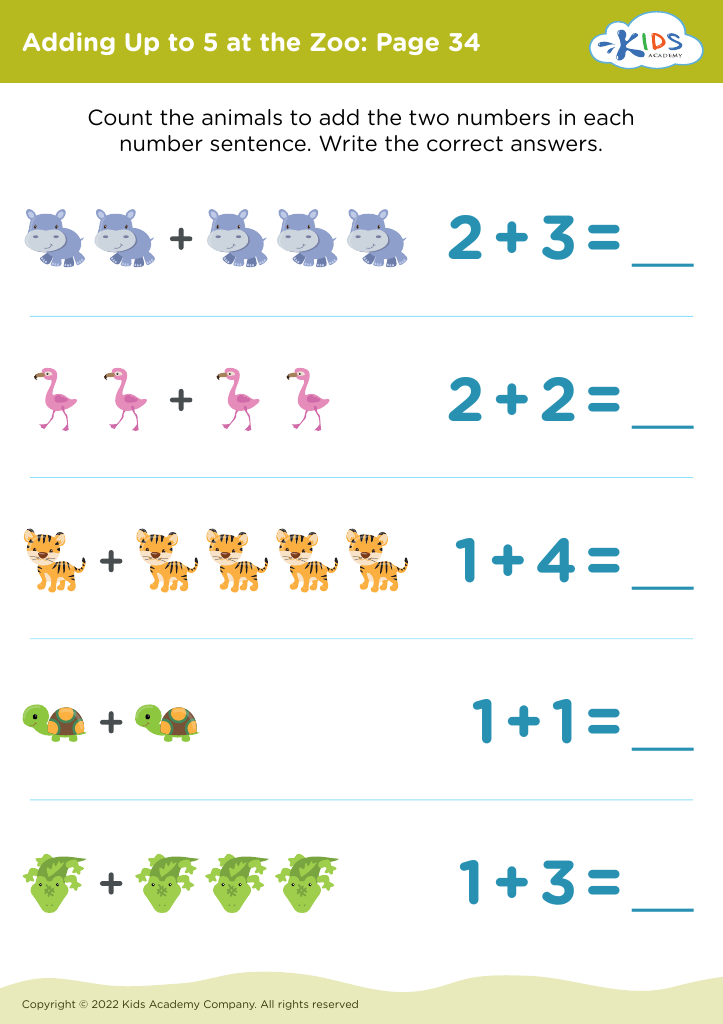
Join Kids Academy for Free
Who is primarily going to use this learning content?








Visual comprehension in math for children aged 5-8 is crucial for their overall development in mathematical understanding. At this stage, children are not only learning basic concepts like numbers and shapes but also beginning to understand relationships and patterns. Visual comprehension helps them to conceptualize these ideas in a tangible way. When kids can visualize mathematical problems, they can more easily grasp abstract concepts and grasp relationships between numbers.
For parents and teachers, fostering visual comprehension encourages strategies that enhance problem-solving skills. Techniques such as using diagrams, manipulatives, and visual aids engage children’s curiosity and capabilities, making learning more interactive and enjoyable. Visual representations can simplify complex problems and make math less intimidating.
Moreover, strong visual comprehension lays the groundwork for future math skills and fosters critical thinking. By helping children develop the ability to analyze and interpret visual information, parents and teachers are instilling lifelong skills that extend beyond math.
Ultimately, supporting visual comprehension not only promotes success in early math learning but encourages a positive attitude towards mathematics, paving the way for confidence and competence in STEM subjects that are vital in our increasingly tech-driven world. Encouraging these skills early on can lead to significant educational advancements later in life.








