Visual discrimination skills Math Worksheets for Ages 5-8
4 filtered results
-
From - To
Discover our engaging Visual Discrimination Skills Math Worksheets designed for children ages 5-8! These worksheets are specifically crafted to enhance young learners' ability to differentiate and identify visual patterns, shapes, and numbers. The activities incorporate fun themes and colorful graphics that make learning enjoyable, helping children strengthen their observation and critical thinking skills. Perfect for both classroom and home use, our worksheets support early math development by encouraging focus and attention to detail. Browse our collection now and give your child the tools they need to succeed in math and beyond! Empower their learning journey today with Kids Academy!
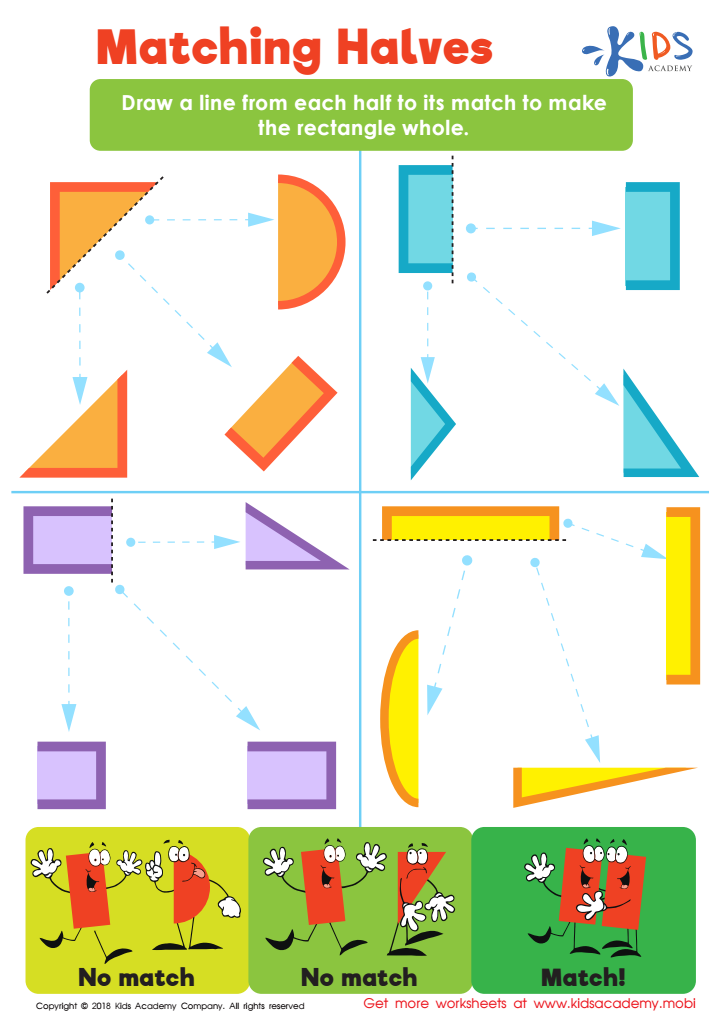
Matching Halves Worksheet
 Assign to My Students
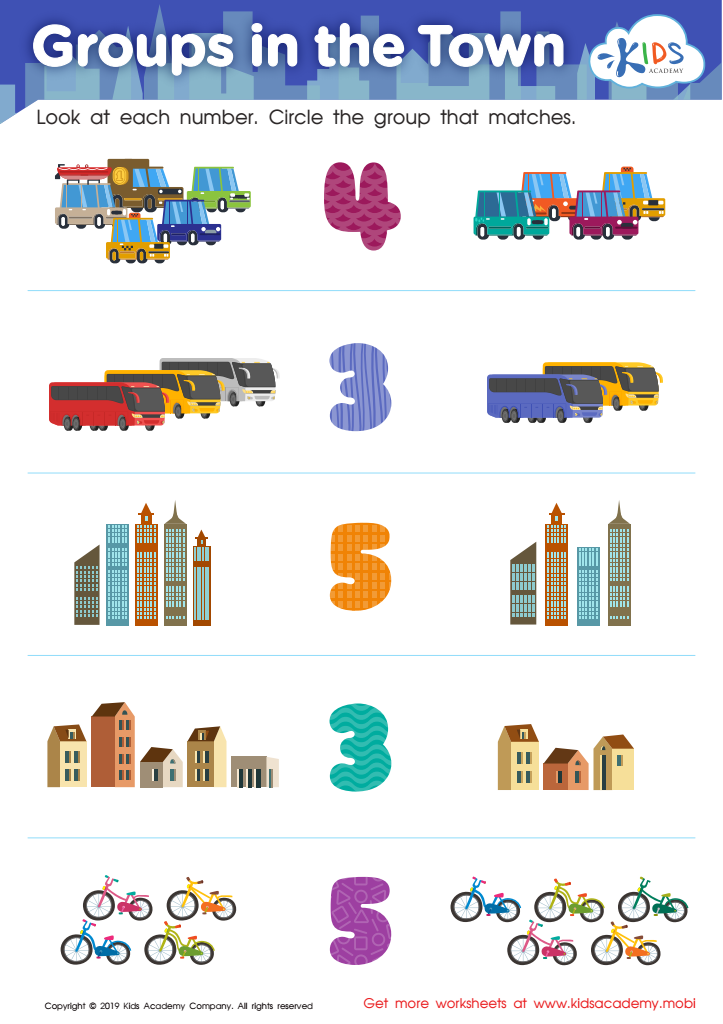
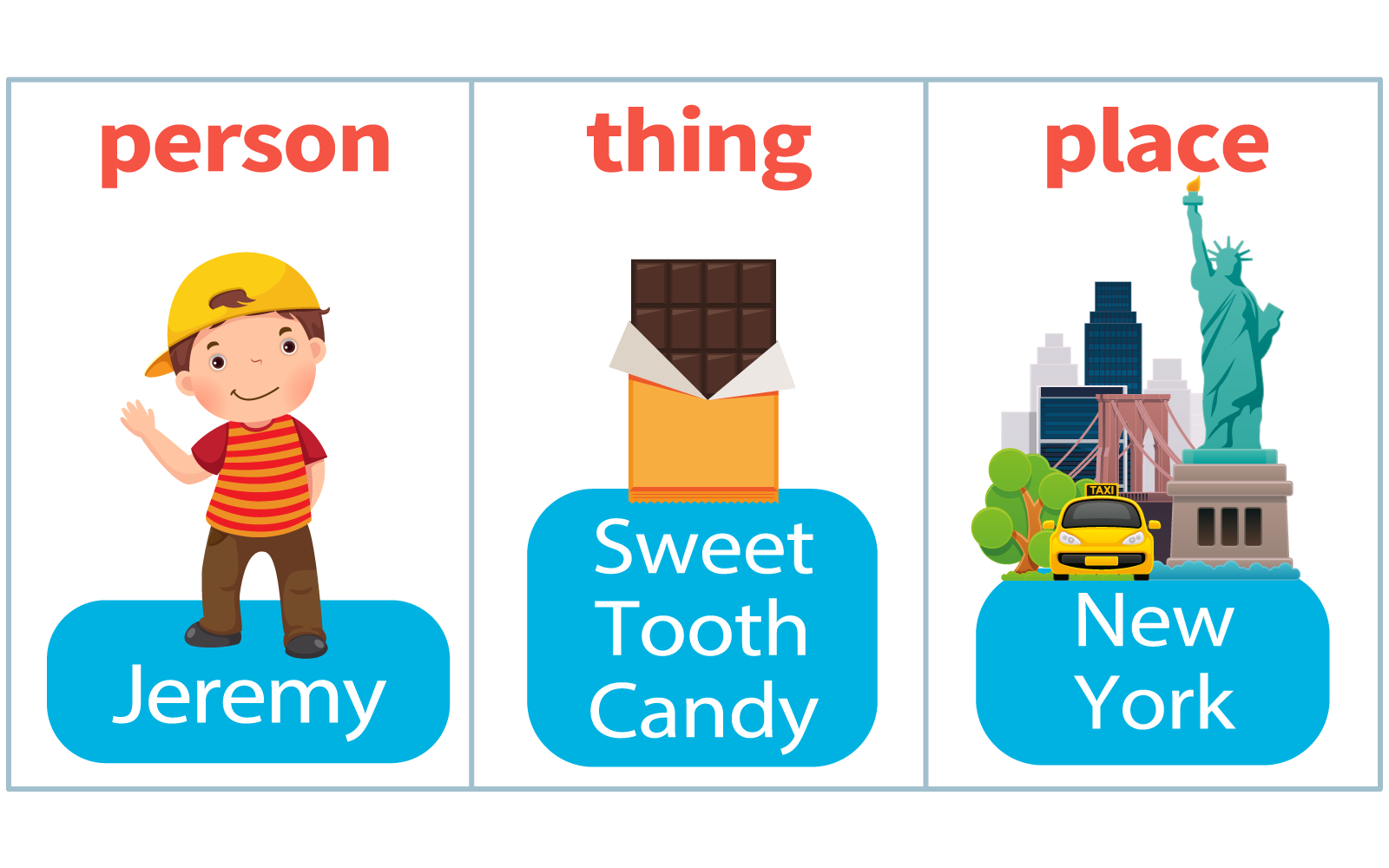
Groups in the Town Worksheet
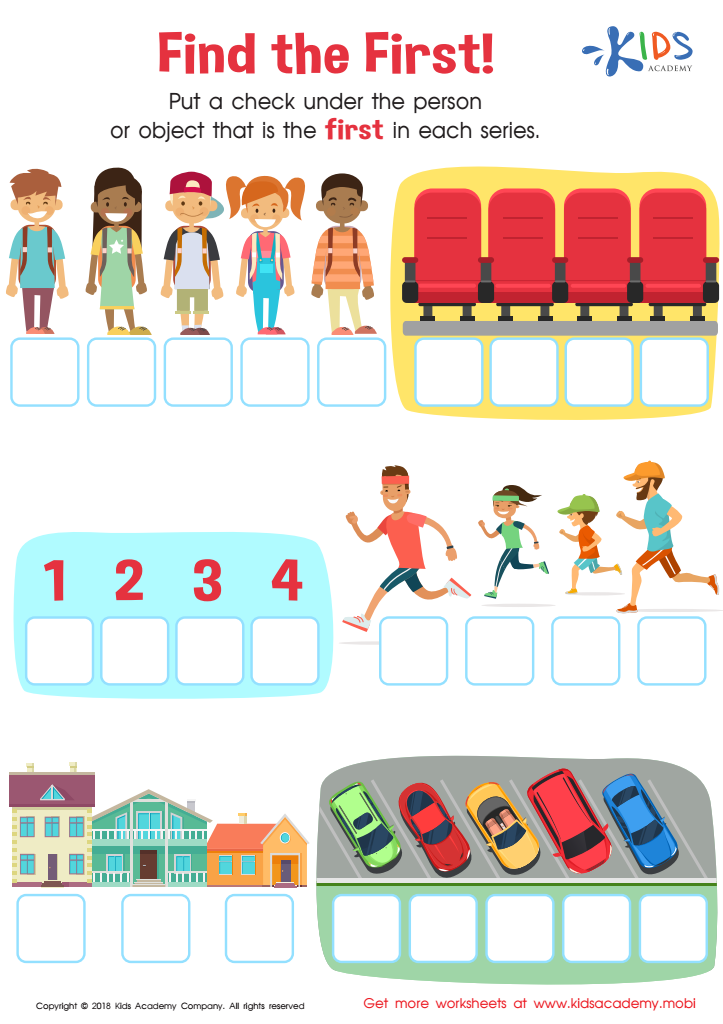
Find the First! Worksheet


%20(1).jpg)



Visual discrimination skills are crucial for children aged 5-8, especially in mathematics. These skills involve the ability to differentiate between similar shapes, sizes, and patterns, enabling children to recognize numbers and concepts that are foundational for early math learning.
For parents and teachers, fostering visual discrimination is vital because it directly impacts a child’s problem-solving abilities and number sense. When children can accurately identify and differentiate between numbers, they are more prepared for addition, subtraction, and more complex mathematical concepts.
Furthermore, developing these skills supports overall cognitive development. It enhances a child’s attention to detail, helping them to observe and interpret information accurately. This is not only applicable to math but extends to reading, art, and critical thinking.
Early mastery of visual discrimination also boosts a child’s confidence. When they can successfully complete math tasks, they build a positive attitude toward learning. As parents and teachers, providing engaging materials and activities that enhance these skills—like sorting games, puzzles, and visual aids—encourages a strong mathematical foundation. Ultimately, investing in visual discrimination at an early age equips children with essential skills for lifelong learning and academic success.








