Color Identification Numbers 0–10 Worksheets for Ages 5-8
7 filtered results
-
From - To
Enhance your child’s mathematical and color-recognition skills with our engaging "Color Identification Numbers 0–10" worksheets designed for ages 5-8. Perfect for early learners, these educational activities provide a fun and interactive way to practice identifying and coloring numbers from 0 to 10. Each worksheet features vibrant designs and characters, making learning both enjoyable and effective. Strengthen foundational math skills while developing keen color awareness and fine motor coordination. Discover a world of creativity and education at Kids Academy by exploring our high-quality, teacher-approved resources tailored to support your child's academic growth. Start learning and coloring today!
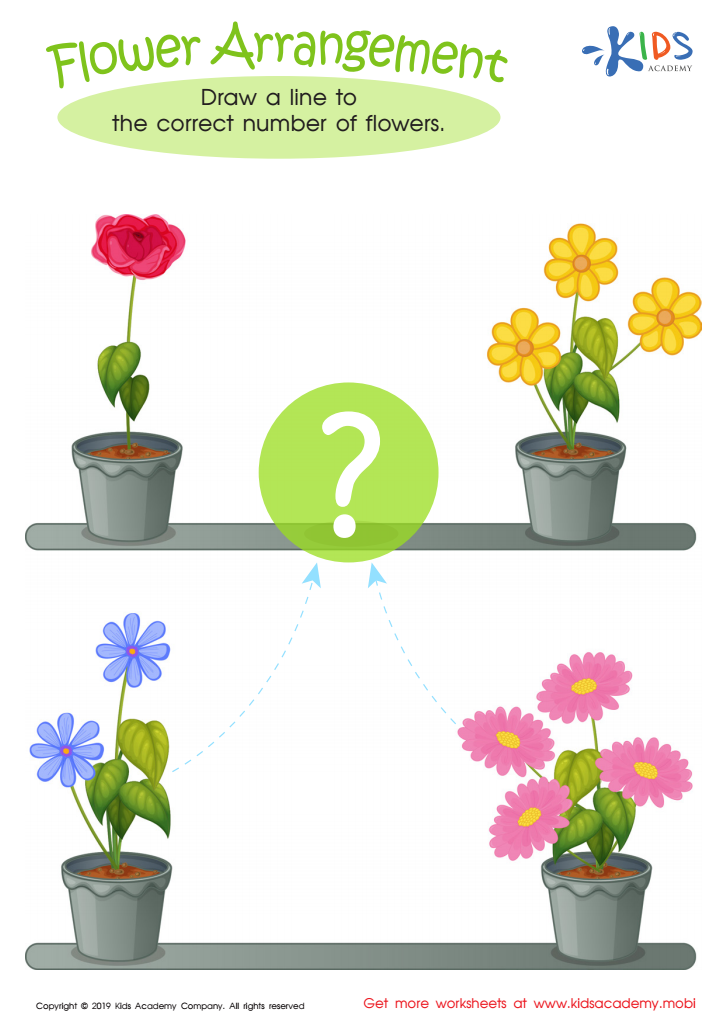
Flower Arrangement Worksheet
 Assign to My Students
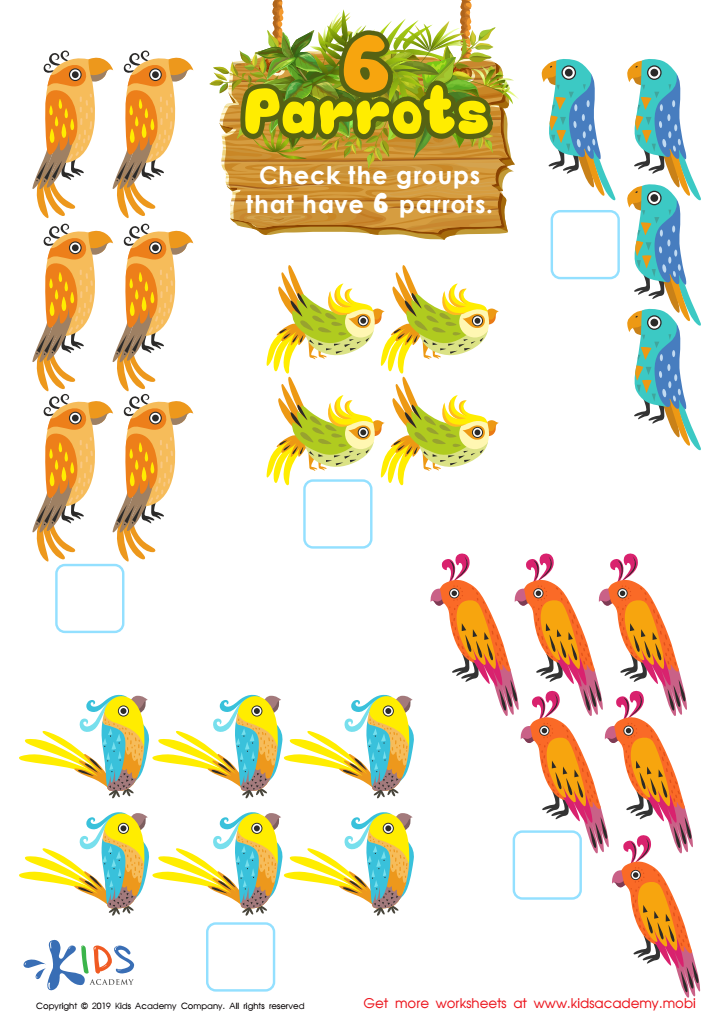
6 Parrots Worksheet
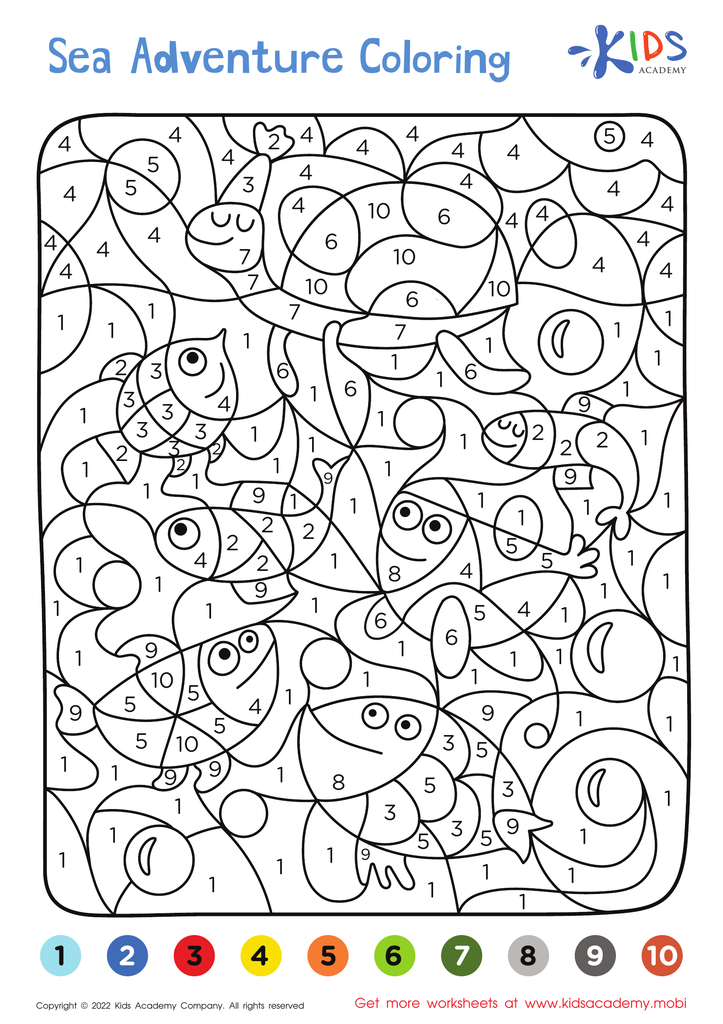
Sea Adventure – Coloring by Numbers
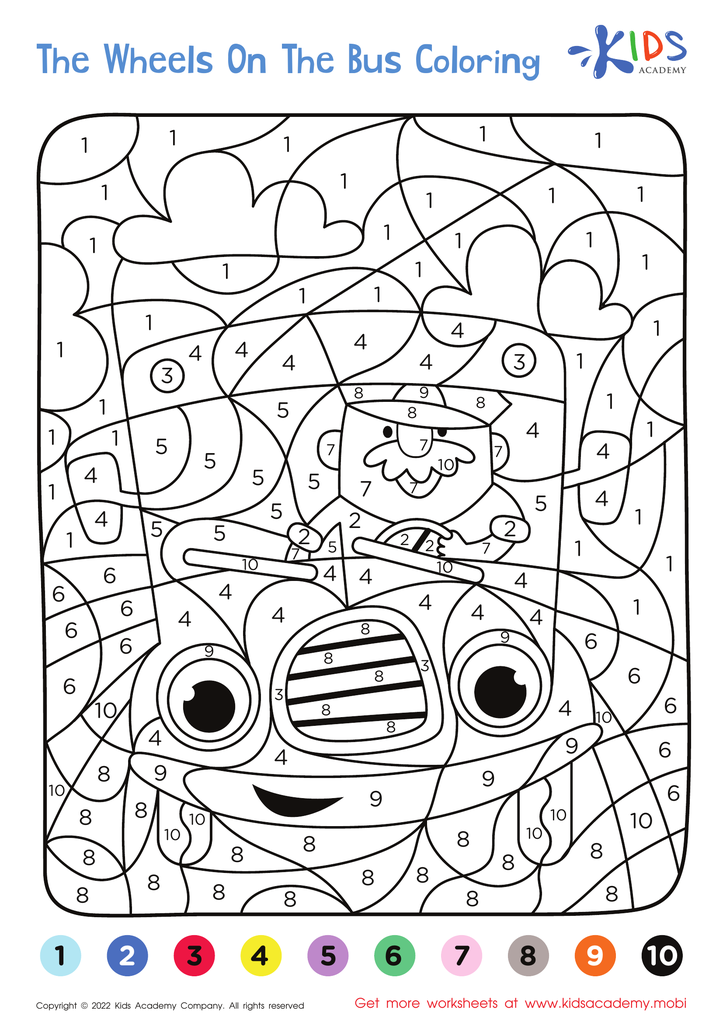
Wheels on the Bus – Coloring by Numbers
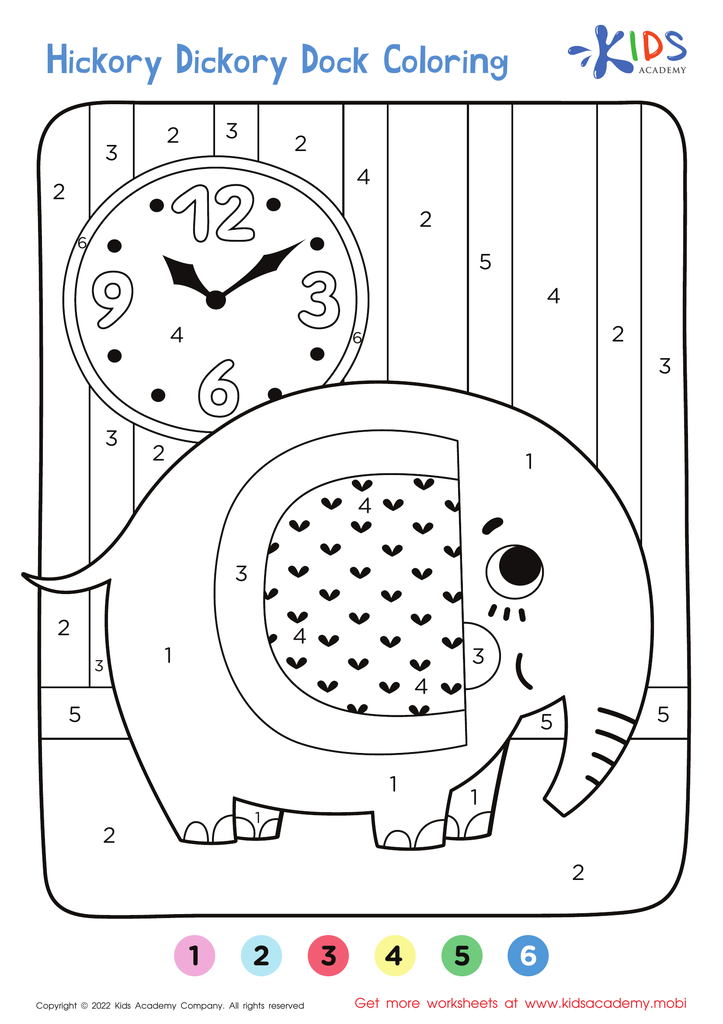
Hickory Dickory Dock – Coloring by Numbers
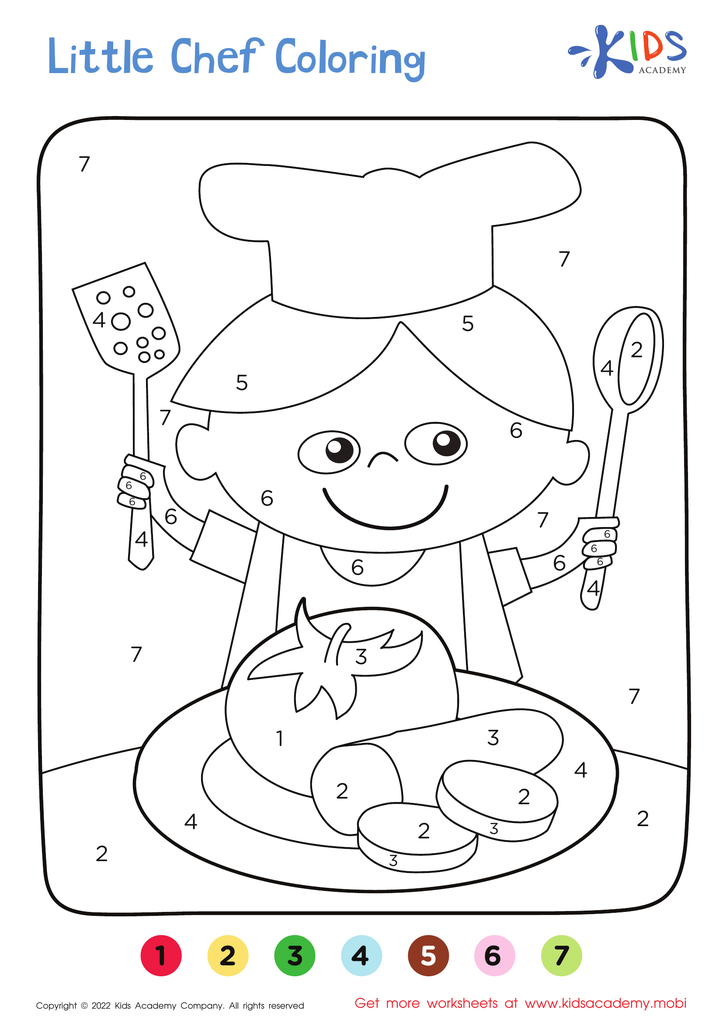
Little Chef – Coloring by Numbers
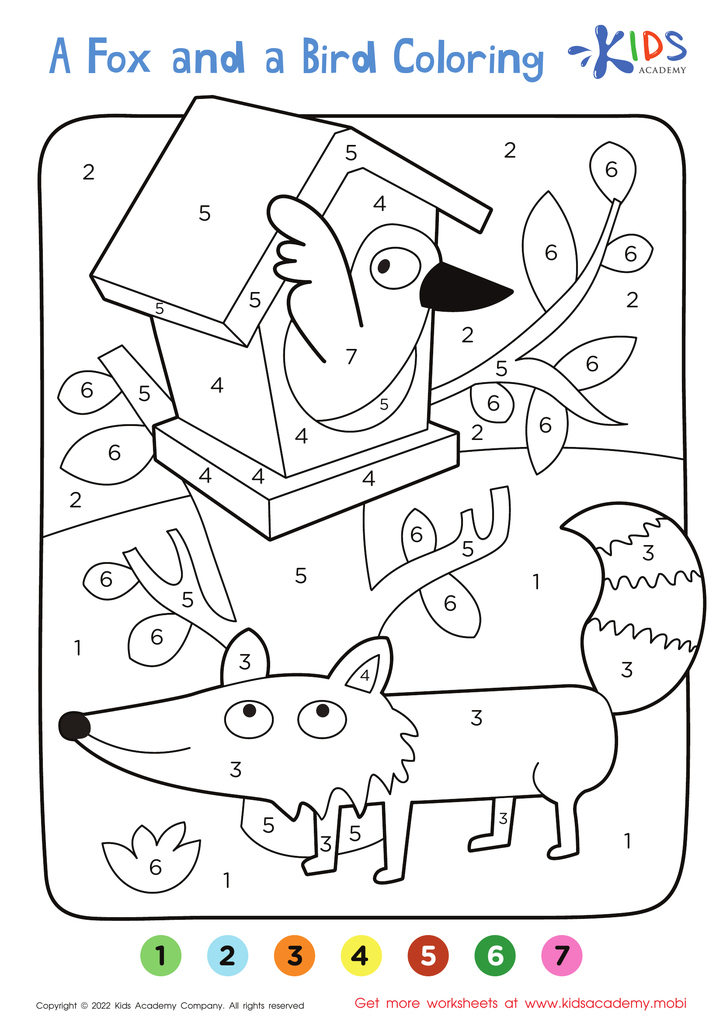
A Fox and a Bird – Coloring by Numbers








Parents and teachers should prioritize color identification and number recognition for children aged 5-8 because these foundational skills contribute significantly to cognitive development and academic success. At this stage, children are like sponges, rapidly absorbing information, and effective teaching of colors and numbers sets the groundwork for more complex learning.
Identifying colors helps enhance a child's descriptive vocabulary and sensory development. When children learn to name and differentiate colors, they sharpen their attention to detail, which is crucial for problem-solving and creative tasks. This skill also underpins critical everyday activities, from getting dressed to understanding traffic lights.
Number recognition, on the other hand, is essential for early math skills. It's more than just counting; it involves understanding quantities, patterns, and basic arithmetic operations. Numbers 0-10 are fundamental as they lay the foundation for all subsequent numerical learning and manipulatives like counting blocks or abacuses, which promote hands-on, experiential learning.
Caring about these skills means fostering a child's confidence and enthusiasm for learning early on. Mastery of colors and numbers empowers children to engage more actively in classroom activities, bolsters their self-esteem, and prepares them for the more advanced concepts they will encounter in later grades. Hence, attention to these basic competencies is an investment in the child's future educational journey.