Basic Addition Skills Building Vocabulary Worksheets for Ages 5-8
8 filtered results
-
From - To
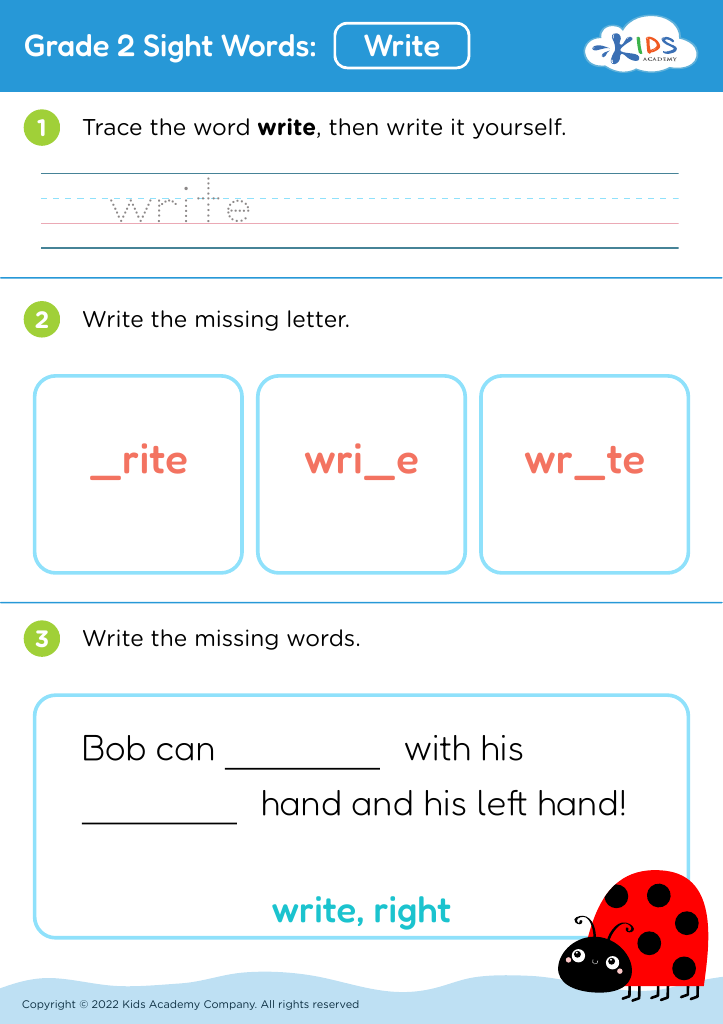
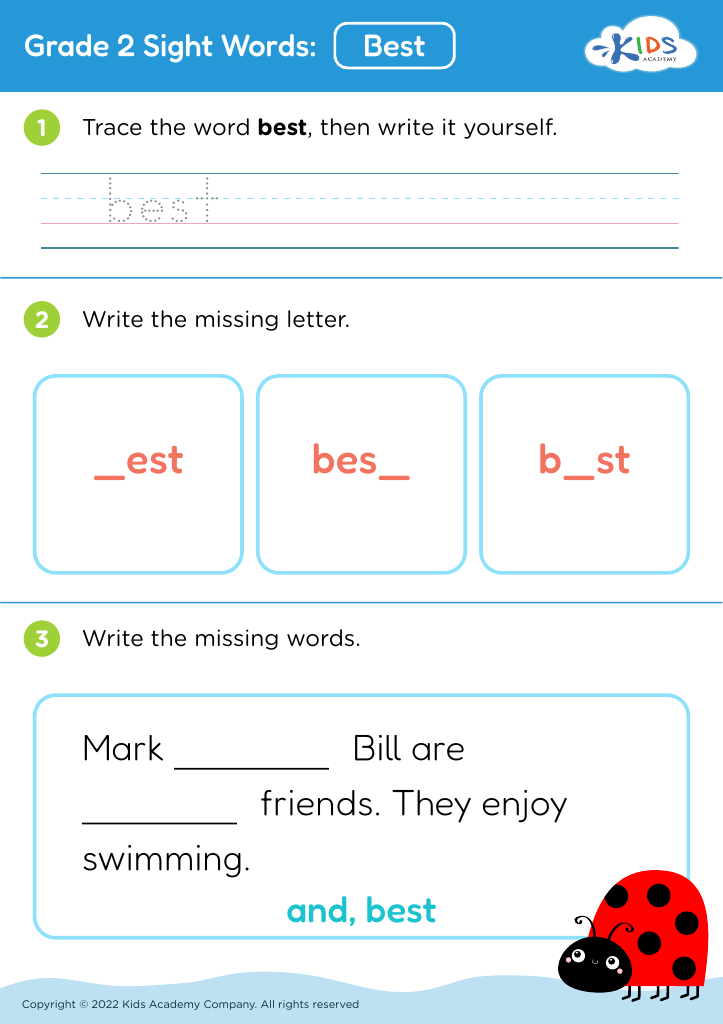
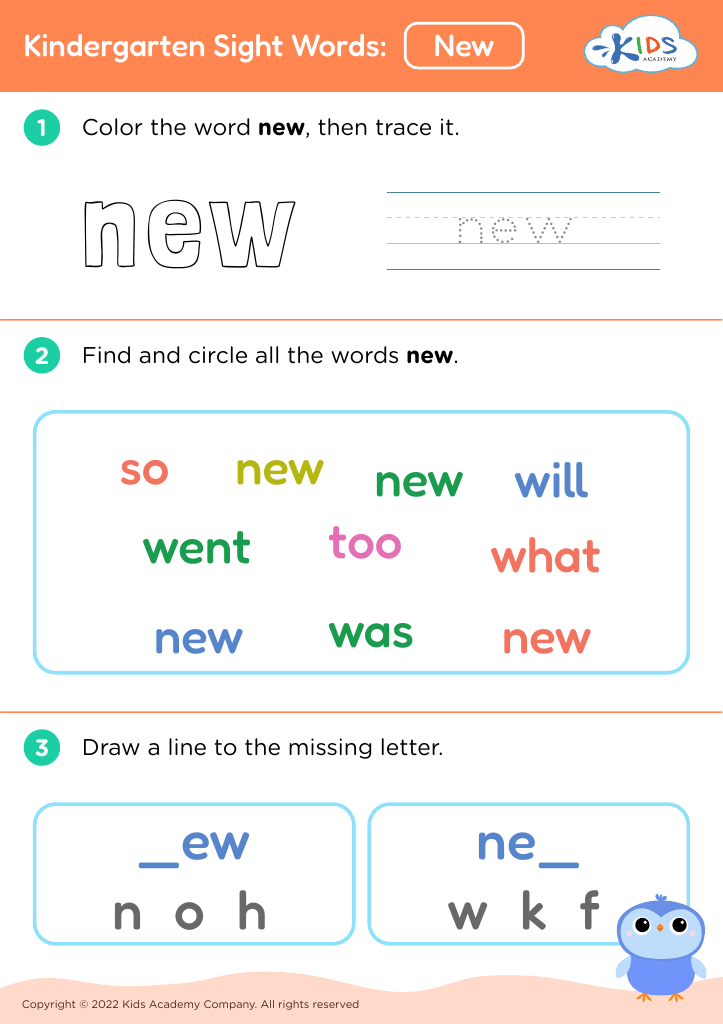
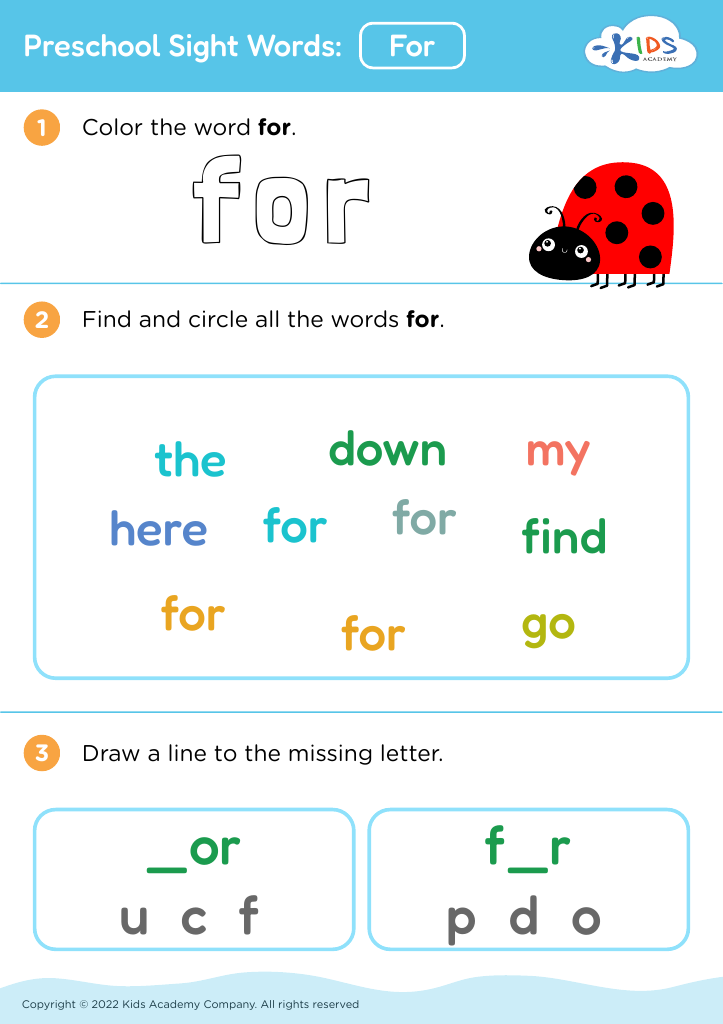
Boost your child’s math confidence with our engaging Basic Addition Skills Building Vocabulary Worksheets designed for ages 5-8! These worksheets provide a fun and interactive way for young learners to master essential addition concepts while expanding their vocabulary. Each activity is thoughtfully crafted to reinforce basic addition skills, helping kids to understand numbers and enhance their counting abilities. Ideal for homeschoolers or classroom use, our resources are both educational and enjoyable, allowing children to learn at their own pace. Transform math time into a delightful adventure with our comprehensive collection of worksheets tailored for early learners!



















Building basic addition skills and vocabulary for children aged 5-8 is crucial for several reasons. First, mathematics serves as a foundational subject in education. Mastery of basic addition helps children develop critical thinking and problem-solving abilities, which are vital in everyday life. Understanding numerical vocabulary, such as "sum," "plus," and "total," enriches their communication skills and boosts their confidence in discussing math concepts.
Moreover, early proficiency in addition lays the groundwork for more complex mathematical operations, including subtraction, multiplication, and division. This progressive learning path fosters a positive attitude towards math, reducing anxiety as children encounter more difficult concepts.
In addition, parents and teachers play a vital role in reinforcing these skills through interactive and engaging activities. Games, storytelling, and real-life applications make learning fun and meaningful, enhancing a child’s willingness to practice. By cultivating these abilities early on, adults can help children establish a strong educational foundation and a lifelong love for learning.
Overall, a focus on basic addition skills and vocabulary is essential in creating competent, confident learners who are equipped for future academic success and equipped for real-world problem solving.








