Basic arithmetic skills Building Vocabulary Worksheets for Ages 5-8
3 filtered results
-
From - To
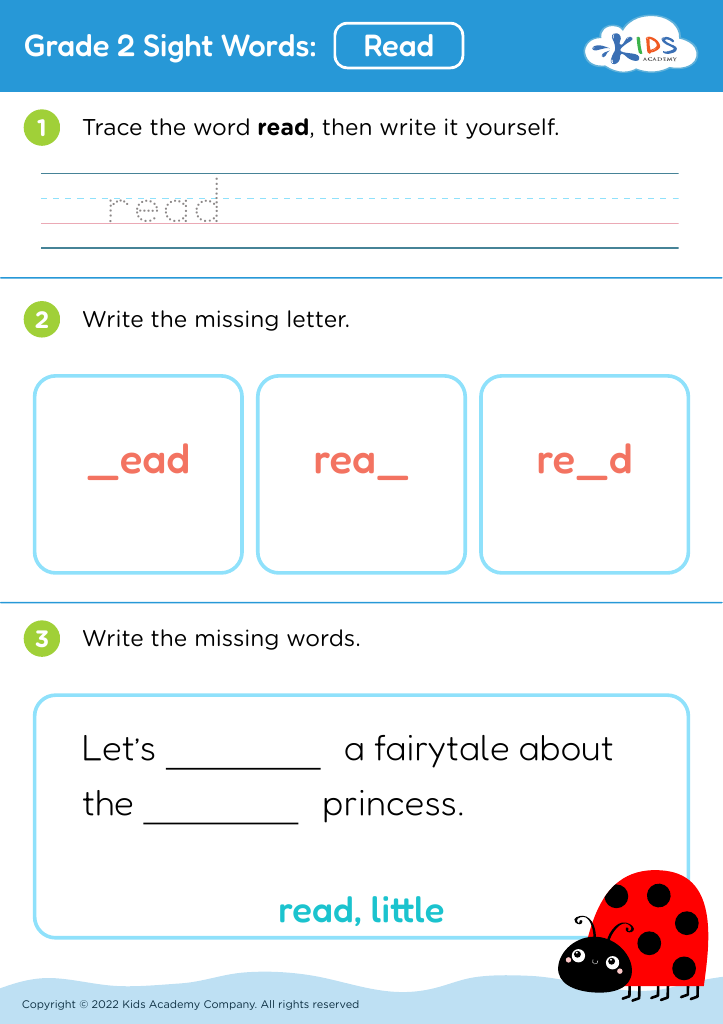
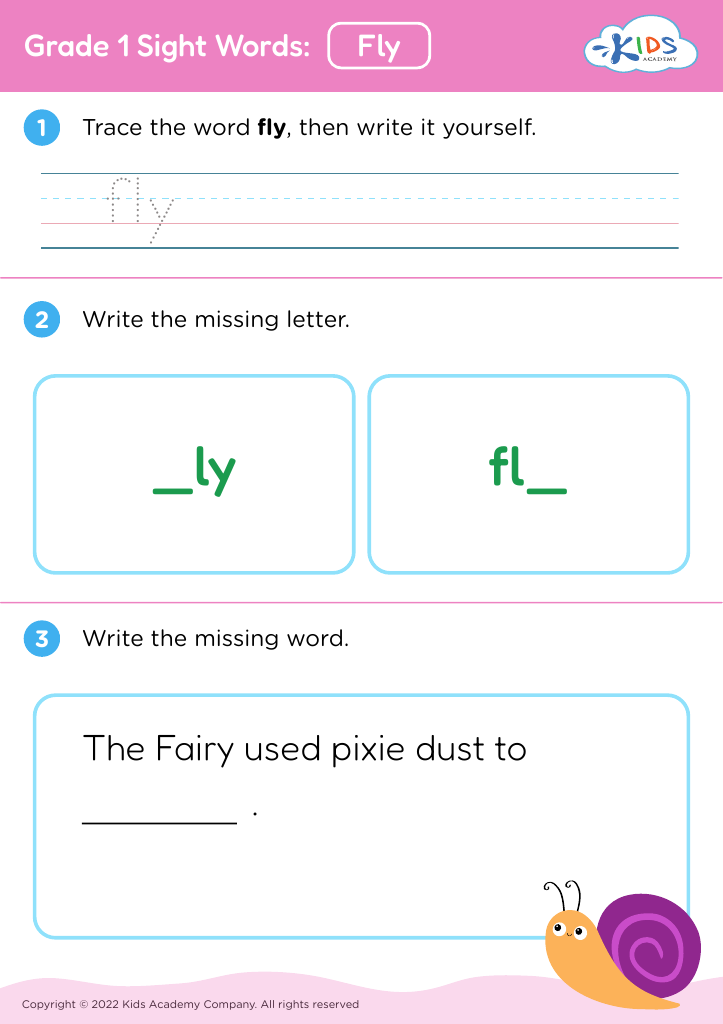
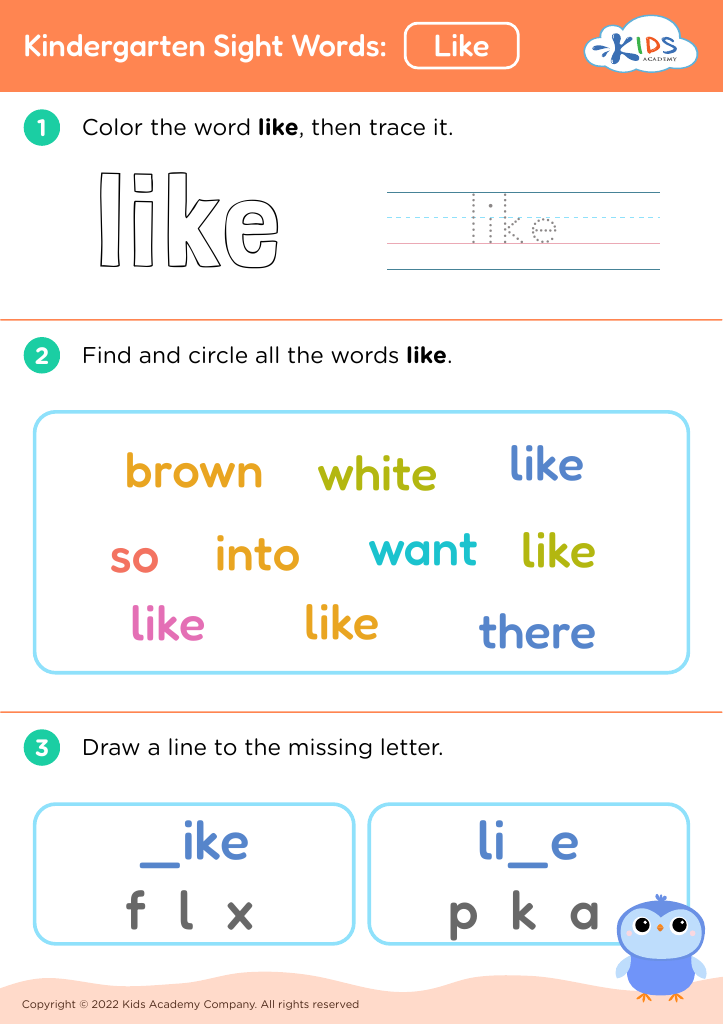
Enhance your child's mathematical fluency with our engaging Basic Arithmetic Skills Building Vocabulary Worksheets, specially designed for ages 5-8. These printable resources focus on essential concepts like addition, subtraction, counting, and number recognition. Each worksheet aims to strengthen your child's understanding of arithmetic while expanding their vocabulary through fun exercises. Featuring colorful illustrations and age-appropriate challenges, these worksheets make learning enjoyable and interactive. Ideal for homeschooling or supplementary practice in the classroom, our materials empower young learners to build a strong foundation in math. Foster confidence and competence in arithmetic skills today with these invaluable learning tools! Explore our collection now!














.jpg)




Parents and teachers should prioritize building basic arithmetic skills and vocabulary in children ages 5-8 because these foundational competencies are crucial for academic and life success. At this age, children are highly receptive to new information, and early exposure to arithmetic concepts such as addition, subtraction, and number sense sets the stage for more complex mathematical understanding later on. Proficient arithmetic skills enable children to approach everyday tasks with confidence, whether calculating amounts during shopping or understanding time.
Furthermore, fostering a rich vocabulary enhances a child's ability to communicate effectively and comprehend new ideas. At young ages, vocabulary development is closely linked to reading comprehension and critical thinking skills. When children can articulate their thoughts and understand nuanced language, they can better engage with their environment and build meaningful relationships.
Additionally, mathematics and language skills are interconnected; a robust vocabulary supports mathematical reasoning through the precise use of terms like "sum," "difference," or "equal." Therefore, by focusing on arithmetic and vocabulary development, adults can help children cultivate essential cognitive skills that promote lifelong learning and adaptability. Investing in these early stages not only boosts academic performance but also prepares children for future challenges in a rapidly evolving world.








