Comparing quantities Building Vocabulary Worksheets for Ages 5-8
3 filtered results
-
From - To
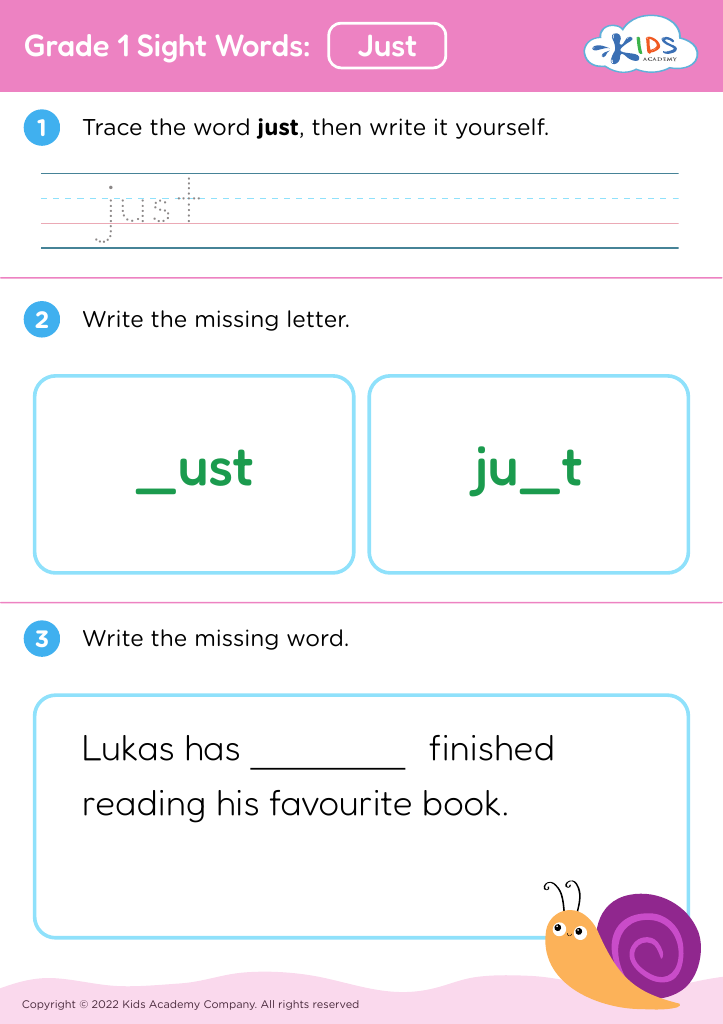
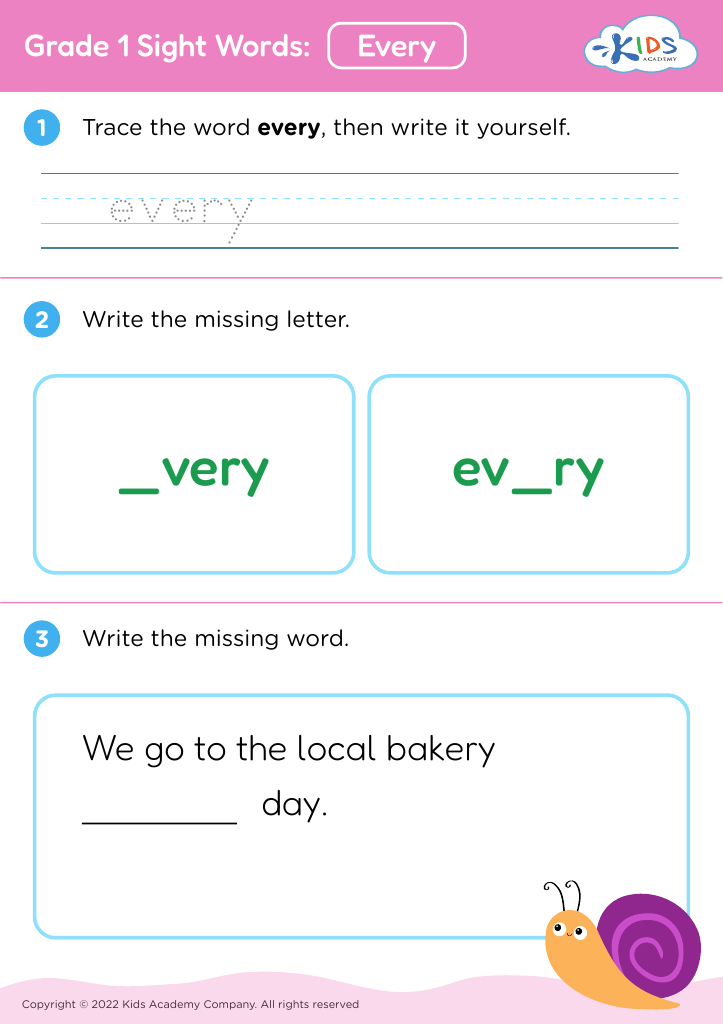
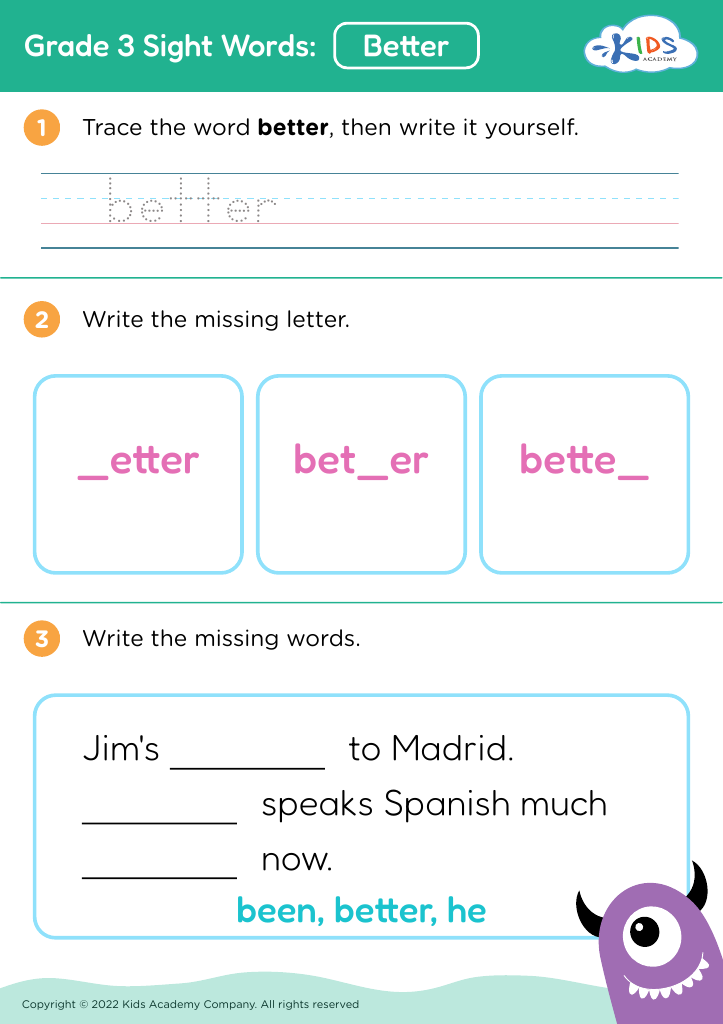
Introduce your young learners to essential math concepts with our "Comparing Quantities Building Vocabulary Worksheets for Ages 5-8." These engaging worksheets help children develop crucial vocabulary skills by comparing and understanding different quantities. Perfectly tailored for kids ages 5 to 8, the activities encourage counting, visual learning, and critical thinking. Students will master terms like "more," "less," "equal," and "fewer" through fun exercises and practical examples. Whether for classroom use or at-home practice, these worksheets are designed to reinforce math foundations while enhancing language skills. Empower your child to succeed in math and vocabulary with our expertly crafted resources.



















Comparing quantities and building vocabulary are crucial developmental milestones for children aged 5-8, and parents and teachers should prioritize these skills for several reasons. First, understanding how to compare quantities forms the foundation for more complex mathematical concepts, such as addition, subtraction, and fractions. It instills critical thinking and problem-solving skills, essential for academic success across various subjects.
Moreover, discussing and comparing quantities nurtures a child's vocabulary and language skills. Descriptive language, such as "more than," "less than," "equal to," and "the same as," helps children articulate their thoughts and improves comprehension. A strong vocabulary is linked to better reading skills and overall literacy, which are pivotal for effective communication and learning.
Engaging in activities that involve comparing quantities, such as sorting objects or measuring ingredients, makes learning interactive and fun. This hands-on approach can cultivate curiosity and foster a lifelong love for learning. Vocabulary-building exercises, including storytelling and reading, also provide emotional and social benefits as children learn to express themselves and understand others.
Ultimately, by focusing on these areas, parents and teachers equip children with the essential cognitive tools and language proficiency needed to thrive academically and socially. This holistic approach sets the groundwork for future intellectual growth and development.








