Counting skills Building Vocabulary Worksheets for Ages 5-8 - Page 2
31 filtered results
-
From - To
















.jpg)

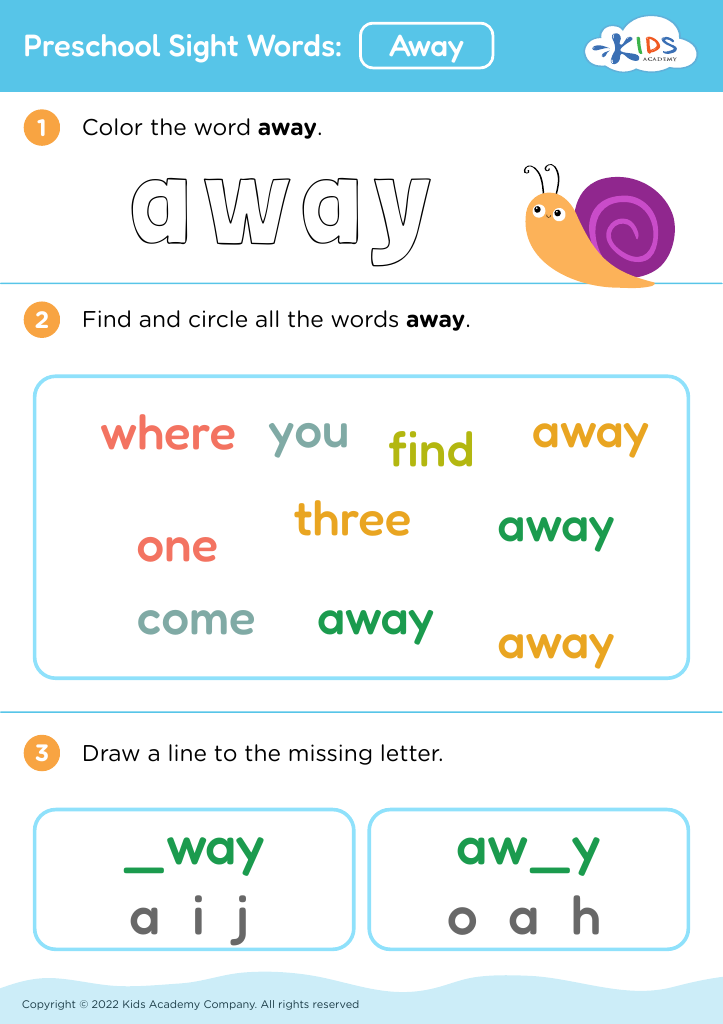
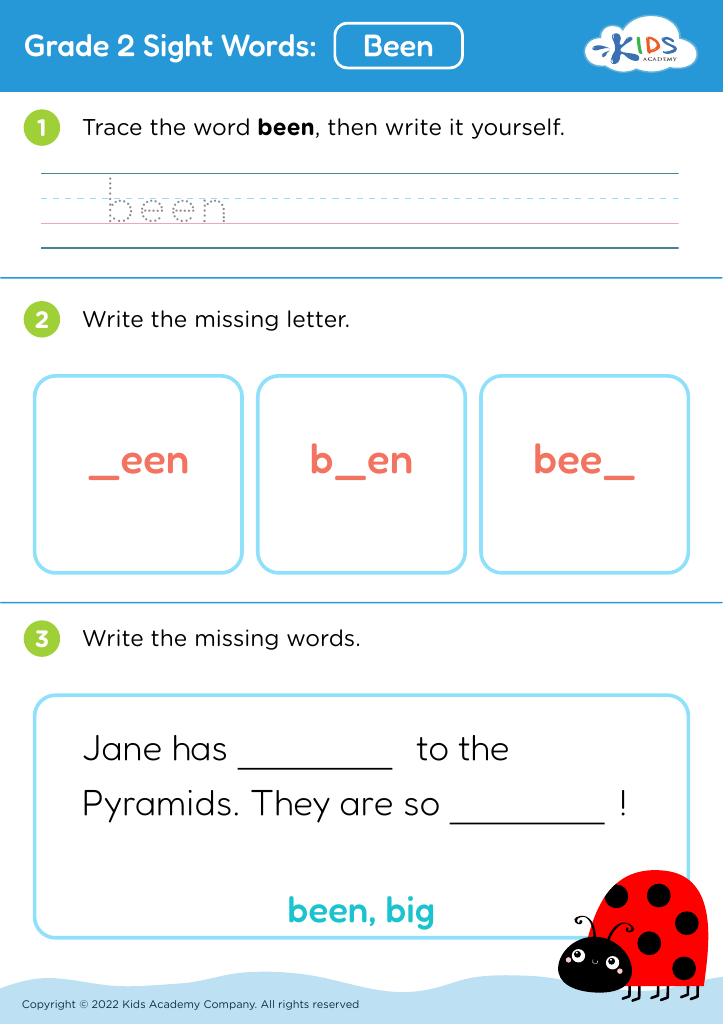
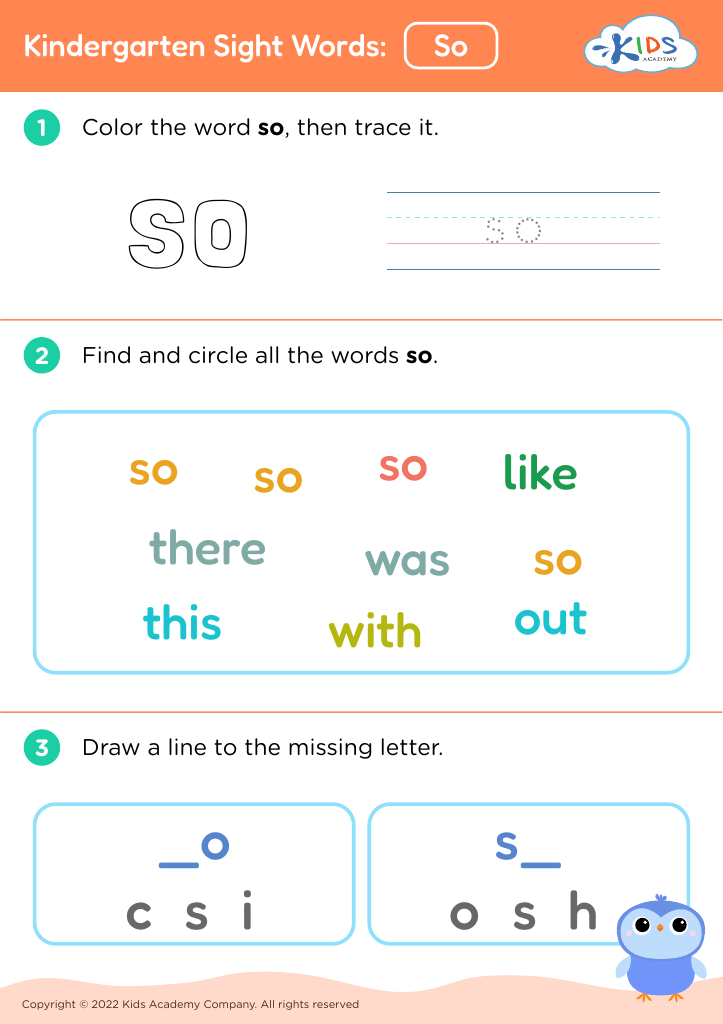
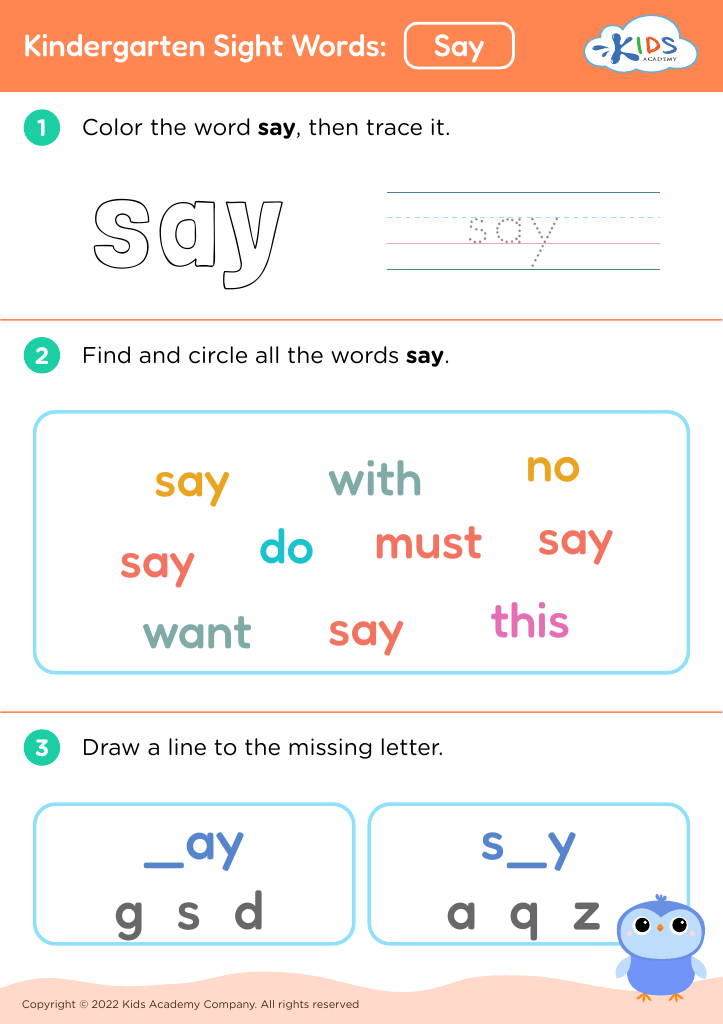
Building counting skills and vocabulary for children ages 5-8 is essential for their overall development and success in school and life. At this stage, children are forming foundational skills that will support their literacy and numeracy, which are crucial for later academic achievements. Counting skills not only help children develop a basic understanding of numbers and mathematical concepts, but they also enhance critical thinking and problem-solving abilities. When children learn to count, they begin to understand patterns, sequences, and relationships between quantities, which are key components of mathematics.
Additionally, vocabulary development during these years plays a vital role in communication and comprehension. As children expand their vocabulary, they become better equipped to express their thoughts and ideas clearly, process information effectively, and engage in meaningful conversations. A rich vocabulary enhances reading skills, making it easier for children to understand and enjoy books.
Teachers and parents should collaborate to implement fun and engaging activities that promote counting and vocabulary growth, utilizing games, storytelling, and interactive experiences. This teamwork creates a supportive learning environment that fosters curiosity and a lifelong love for learning, encouraging children to explore the world around them with confidence. Ultimately, investing in these foundational skills lays the groundwork for future academic success.








