
Enhance comprehension Building Vocabulary Worksheets for Ages 5-8
6 filtered results
Difficulty Level
Grade
Age
-
From - To
Subject
Activity
Standards
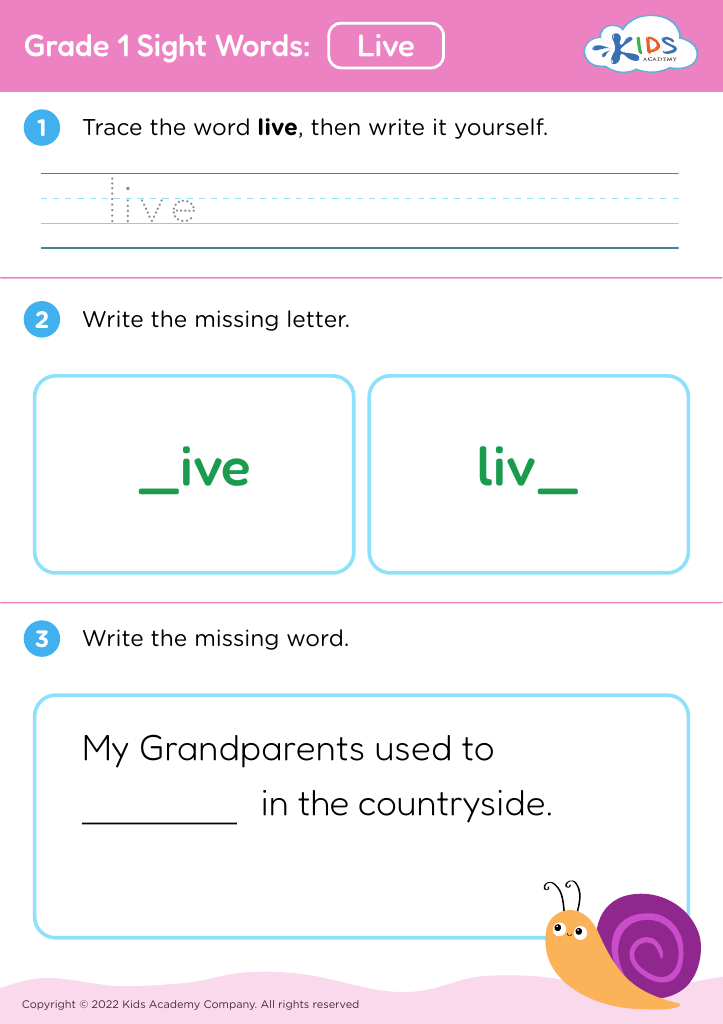
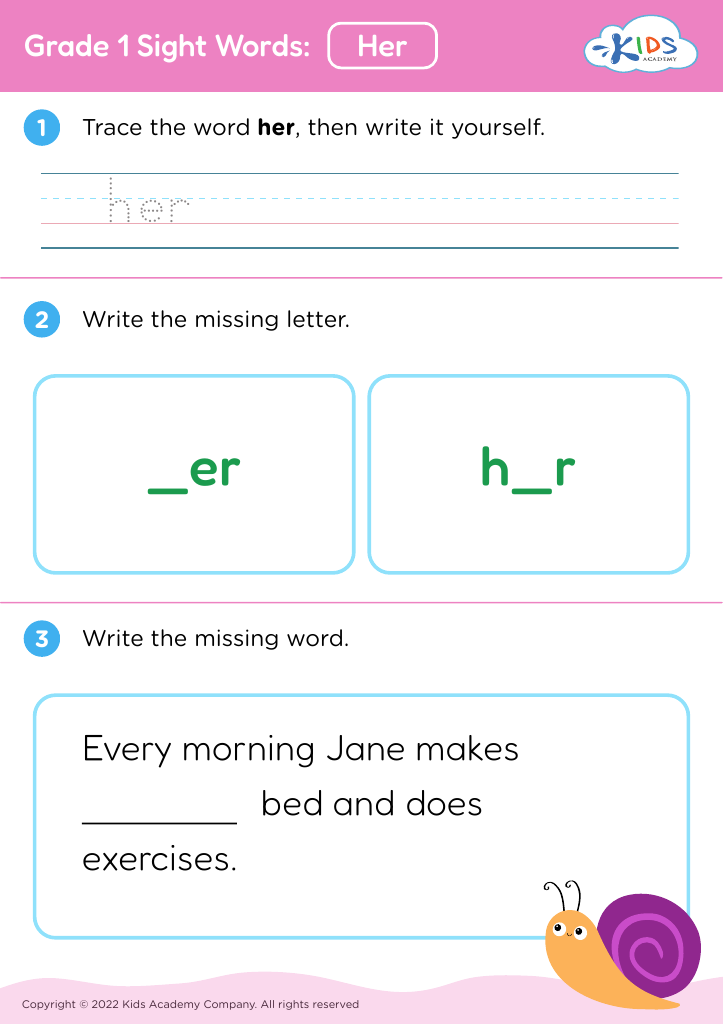
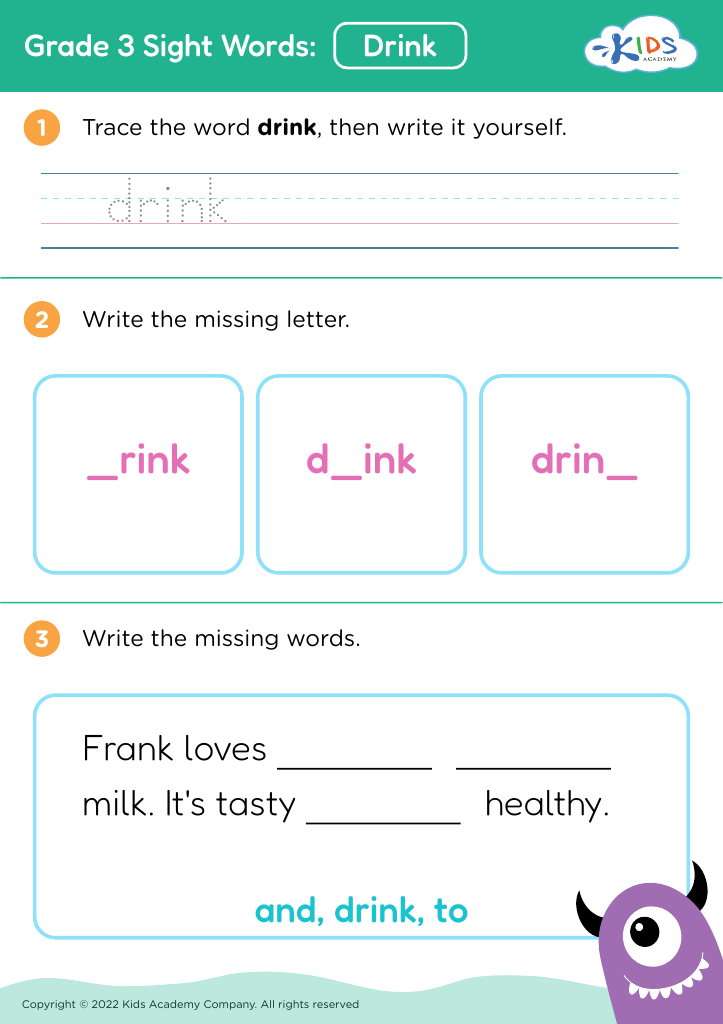
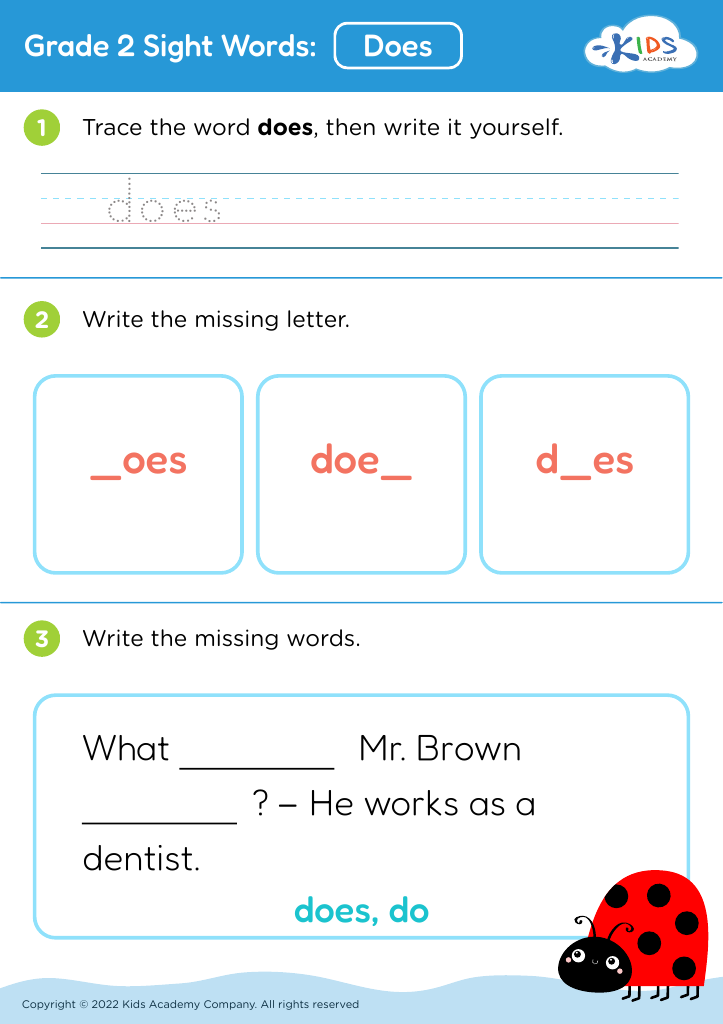
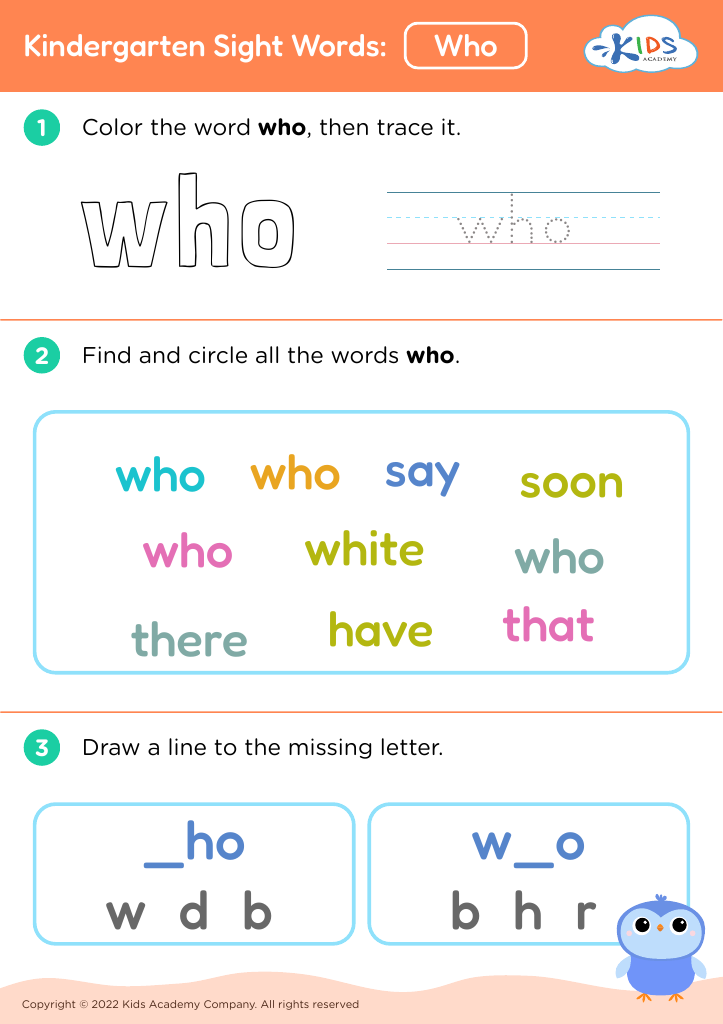
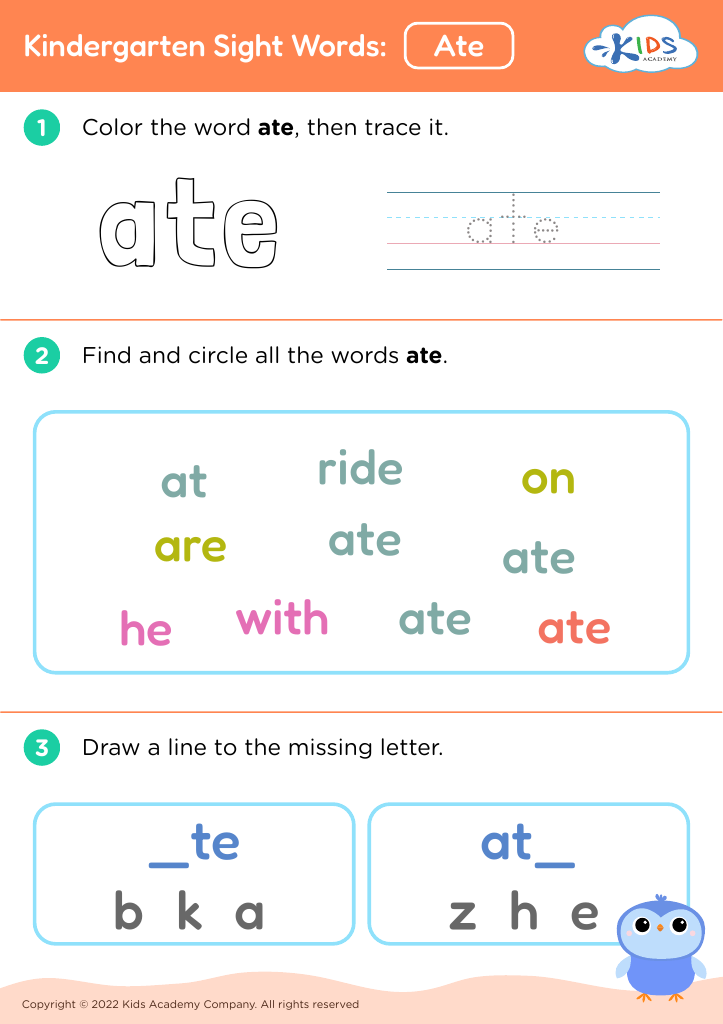
Unlock your child's reading potential with our "Enhance Comprehension Building Vocabulary Worksheets" designed specifically for ages 5-8. These engaging and educational resources empower young learners to expand their vocabulary while reinforcing comprehension skills. Through fun activities, interactive exercises, and vibrant illustrations, children will explore new words in context, boosting their understanding of texts. Each worksheet focuses on essential concepts, enabling your child to make connections and improve their overall reading fluency. Perfect for classroom and home use, our worksheets provide a solid foundation for a lifelong love of reading and learning. Explore our collection today for exciting vocabulary building adventures!
Favorites
With answer key
Interactive











Join Kids Academy for Free
Who is primarily going to use this learning content?







Enhancing comprehension and building vocabulary for children aged 5-8 is crucial for their overall academic and social development. During these formative years, children are developing essential literacy skills that form the foundation for future learning. A strong vocabulary is directly linked to reading comprehension; the more words children know, the better they can understand and engage with texts.
Encouraging vocabulary growth helps children express themselves more clearly, fosters critical thinking, and enhances their ability to communicate effectively with peers and adults. For teachers and parents, investing time and energy into vocabulary instruction can lead to improved reading fluency and academic achievement.
Moreover, a rich vocabulary empowers children to decipher new information and aids in their ability to connect concepts across subjects. It also enhances their emotional literacy, allowing them to articulate feelings and navigate social interactions more successfully.
Using stories, games, and everyday conversations to introduce new words not only makes learning enjoyable but also nurtures a lifelong love for reading. Ultimately, prioritizing comprehension and vocabulary at this stage equips children with essential tools for success, shaping them into confident learners and communicators for their future academic journeys.








