Identifying shapes Building Vocabulary Worksheets for Ages 5-8
10 filtered results
-
From - To
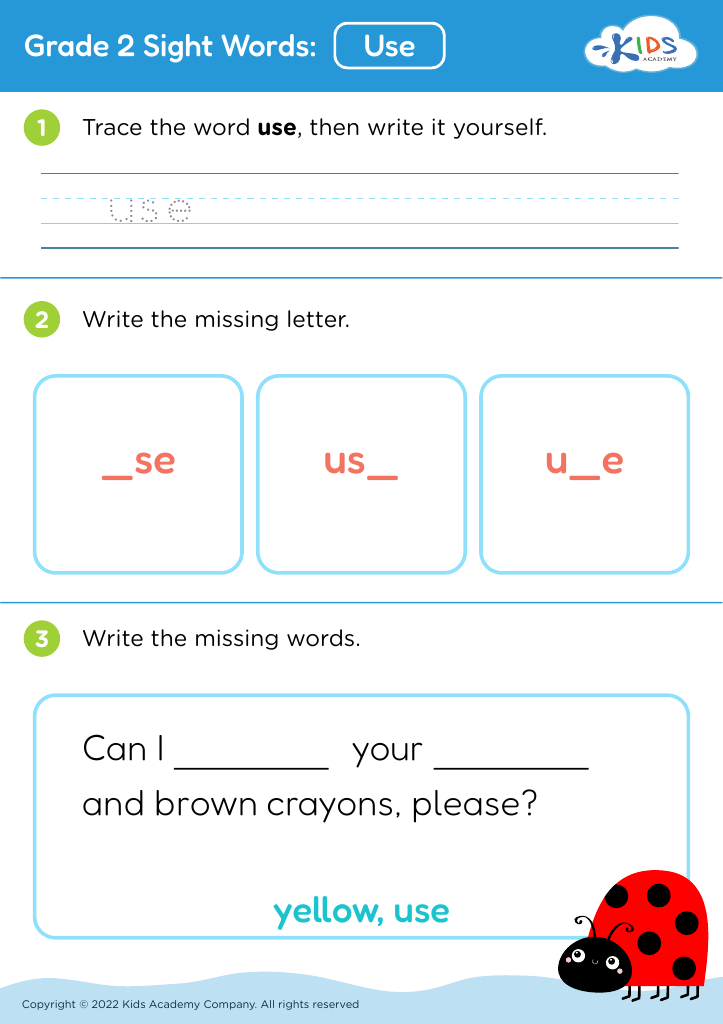
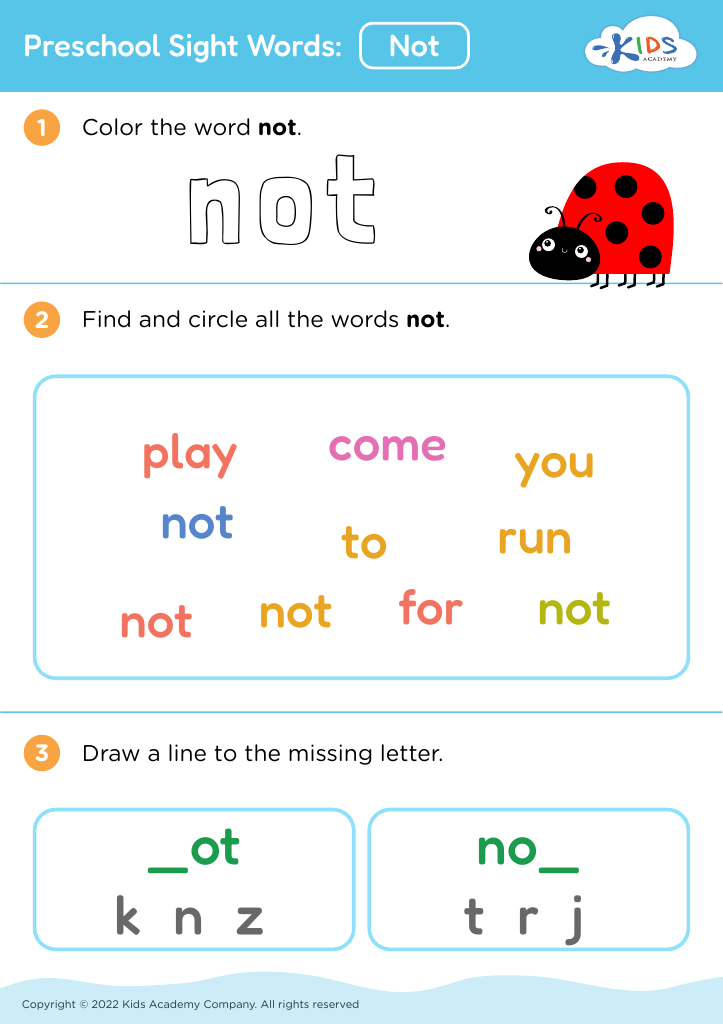
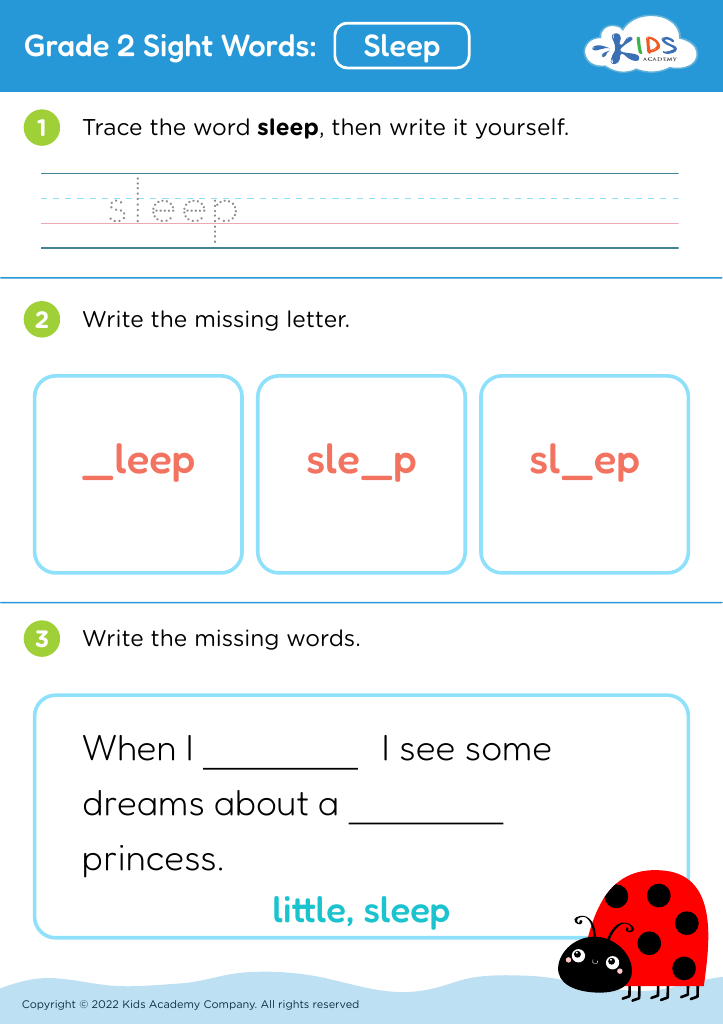
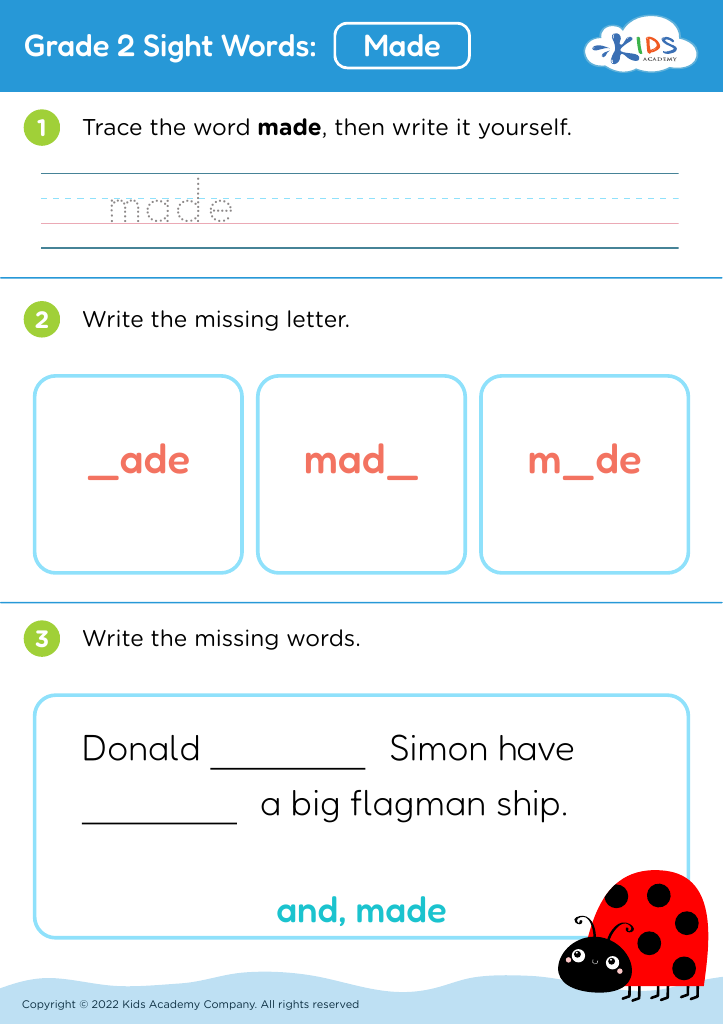
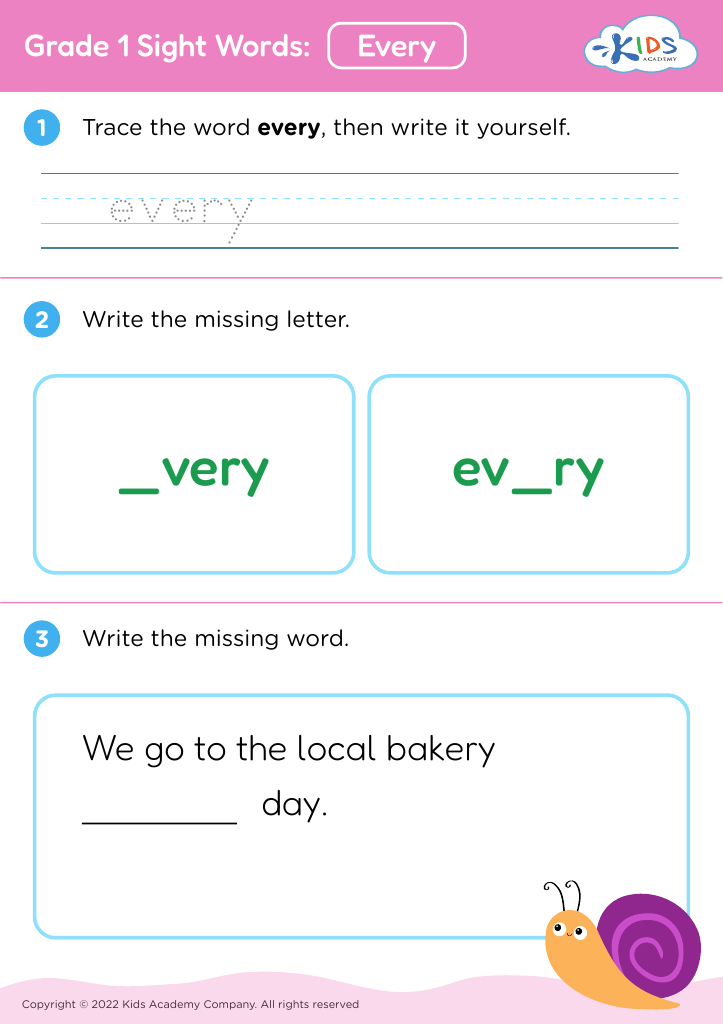
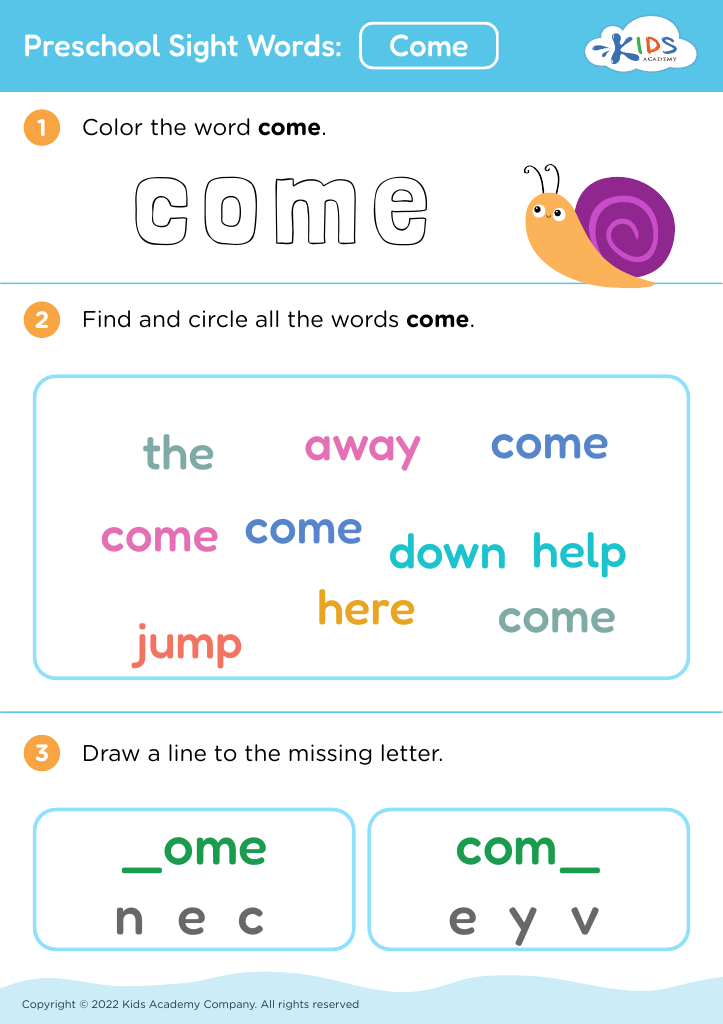
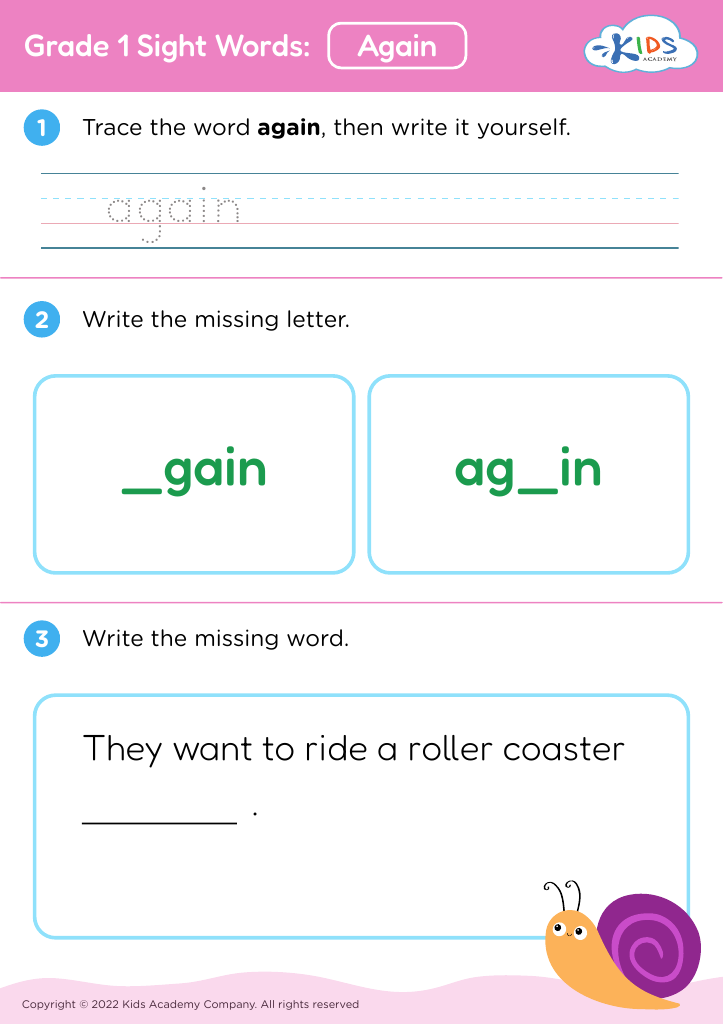
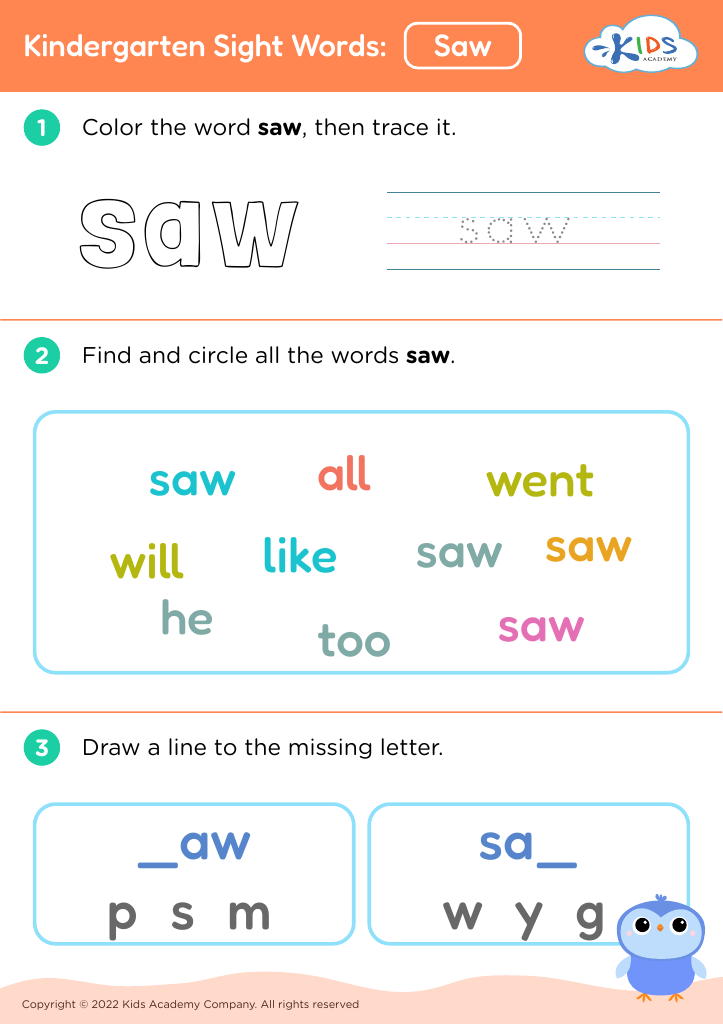
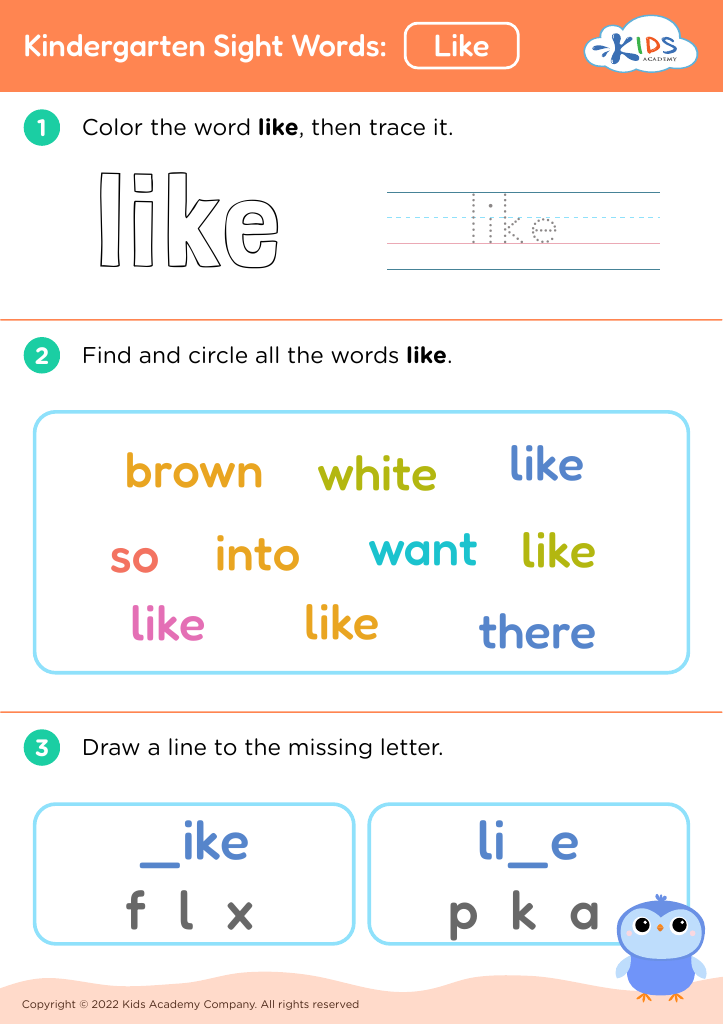
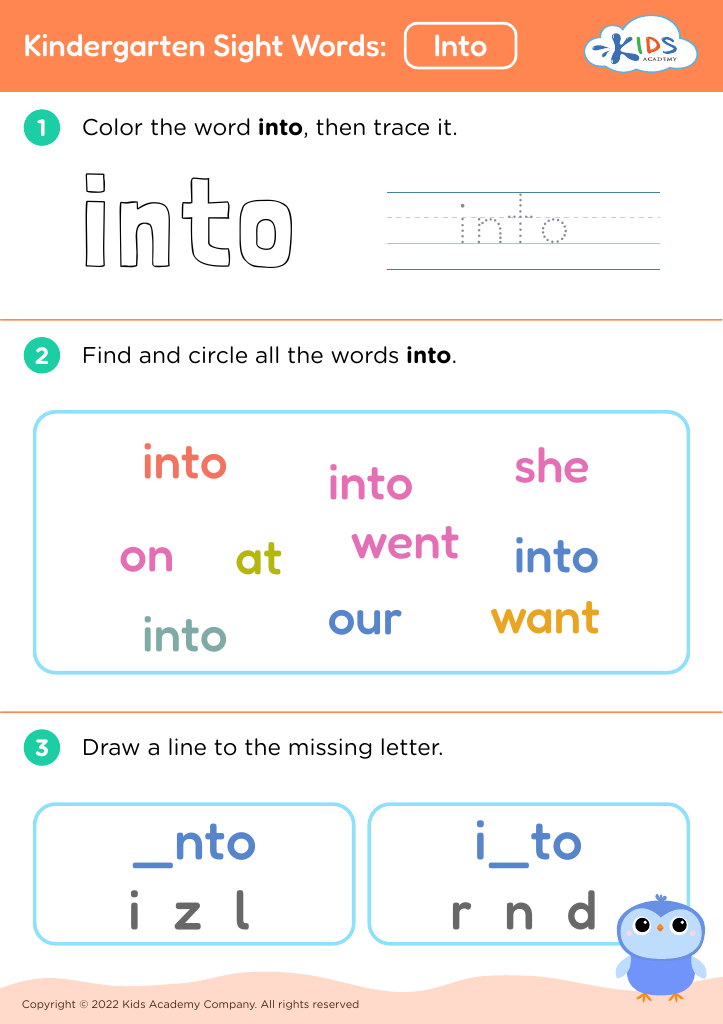
Discover our engaging "Identifying Shapes Building Vocabulary Worksheets" designed specifically for children ages 5-8. These interactive worksheets help young learners explore and recognize various shapes while expanding their vocabulary. Each activity encourages creativity and critical thinking, making learning fun and enjoyable. Our resources provide a seamless way for educators and parents to enhance kids' understanding of geometric concepts, from circles and squares to triangles and rectangles. With clear instructions and eye-catching illustrations, these worksheets support early literacy and math skills, ensuring children build a strong foundation for future learning. Empower your child's learning journey today with our shape identification activities!


















.jpg)
Identifying shapes and building vocabulary are crucial components of early childhood education for children aged 5-8. Understanding shapes is foundational for developing spatial awareness and critical thinking skills. As children learn to recognize and describe various shapes, such as circles, squares, and triangles, they enhance their ability to analyze their environment and solve problems. This knowledge also serves as the building block for geometry, paving the way for more advanced mathematical concepts later on.
Equally important is vocabulary development. A rich vocabulary not only boosts reading comprehension but also enhances communication skills. When children learn new words to describe shapes and their attributes—like "round," "flat," "curved," or "angular"—they also learn to articulate their thoughts and ideas more clearly. This language acquisition fosters cognitive development and self-expression.
Moreover, early familiarity with shapes and vocabulary supports cross-disciplinary learning. As children explore concepts in art, science, and engineering, their understanding of shapes helps them connect ideas across subjects. Parents and teachers play a vital role in this process, supplying engaging activities, discussions, and context that nurture both shape identification and vocabulary skills. Overall, investing time in these areas lays a strong foundation for lifelong learning and confidence in academic settings.








