Improving math skills Building Vocabulary Worksheets for Ages 5-8
5 filtered results
-
From - To
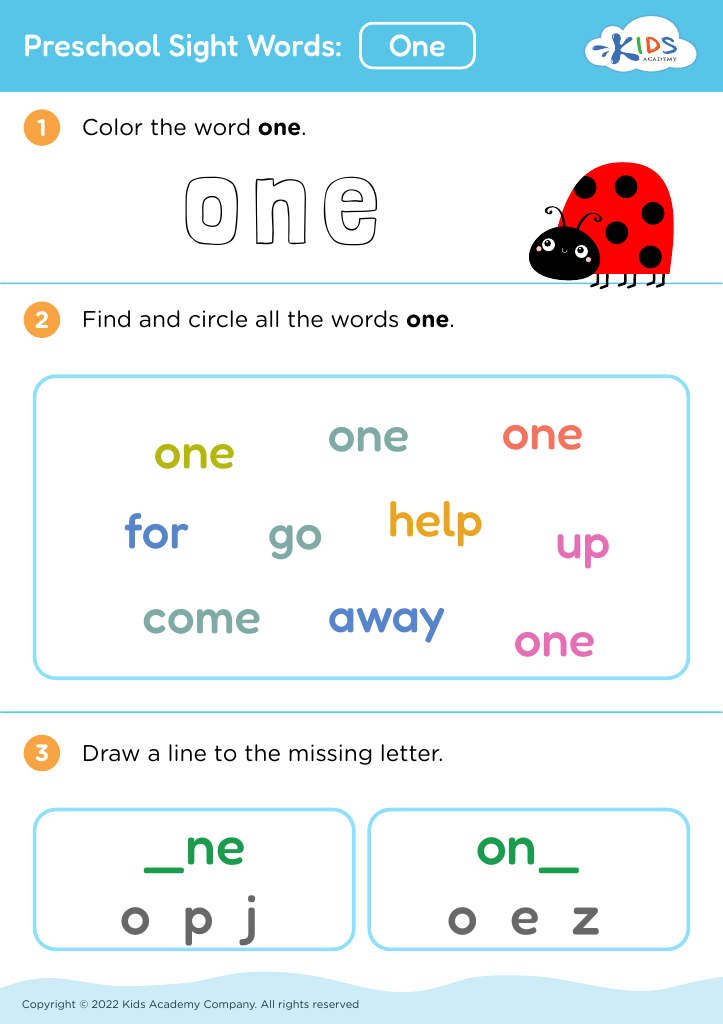
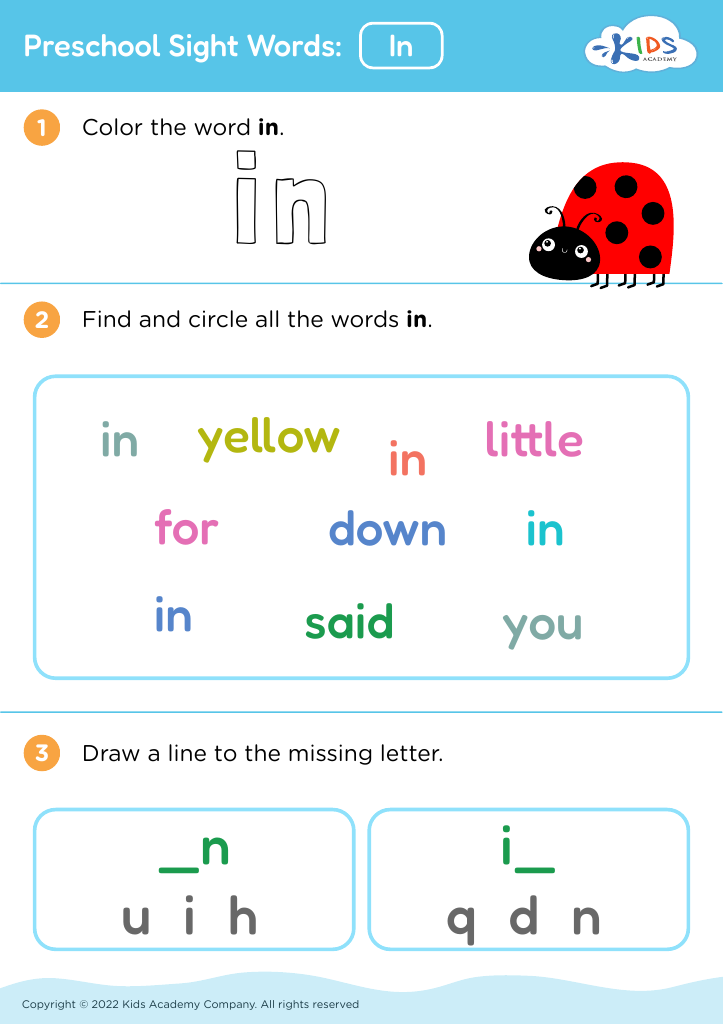
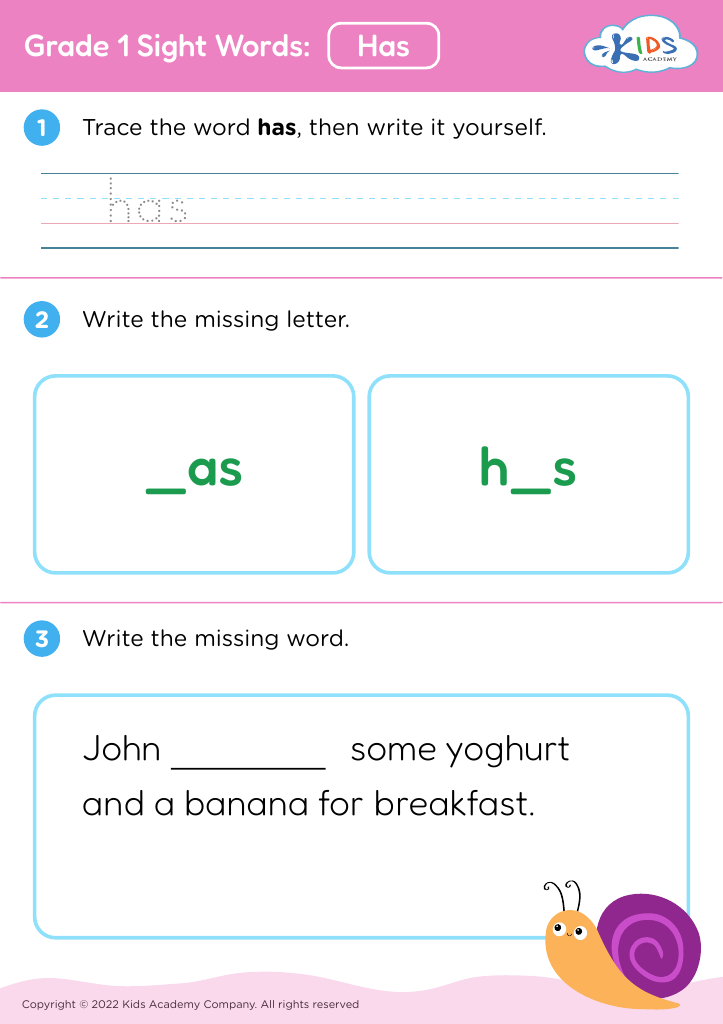
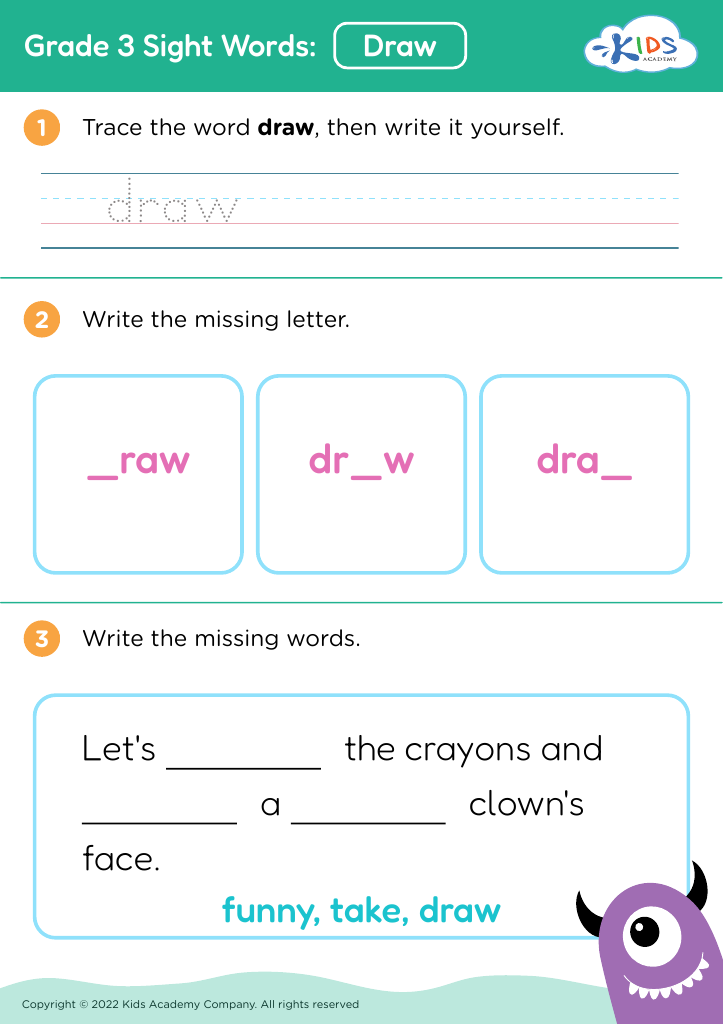
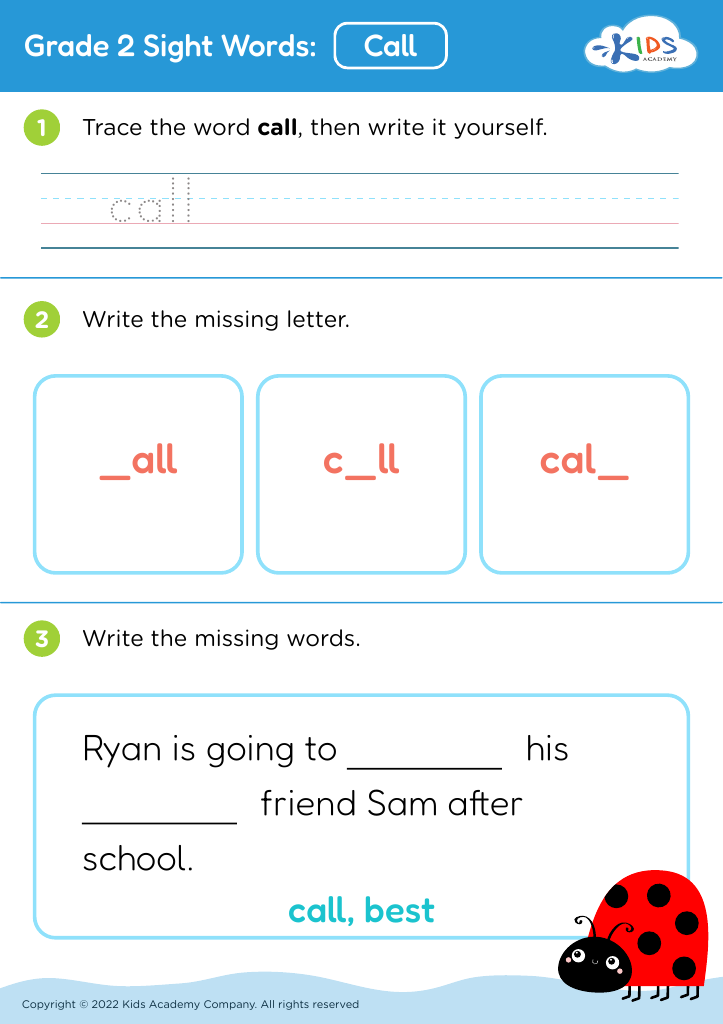
Enhance your child’s math skills while expanding their vocabulary with our "Improving Math Skills Building Vocabulary Worksheets" designed for ages 5-8. Each engaging worksheet combines fundamental math practice with vocabulary-building activities, making learning fun and effective. From basic counting and addition to word problems, these worksheets are tailored to bolster your child’s understanding and usage of essential math terminologies. Perfect for young learners, our exercises are curated to develop both cognitive and language skills simultaneously. Foster a rich learning environment and watch your child's confidence in math and vocabulary soar with our comprehensive worksheets. Explore now at Kids Academy!














.jpg)




Improving math skills and building vocabulary in children aged 5-8 is fundamental for their academic and personal development. During these formative years, children are highly receptive to new information, and this period is crucial for laying the groundwork needed for future learning.
Math skills are essential because they foster critical thinking, problem-solving, and logical reasoning abilities. Children who develop strong math skills early on are more likely to perform well in school, as these skills are the basis for more complex mathematical concepts they will encounter later. A strong start in math can enhance a child's confidence in their academic abilities, reduce math anxiety, and increase their enthusiasm for learning.
Building a robust vocabulary is equally important. A rich vocabulary enhances reading comprehension, communication skills, and overall literacy. As children learn new words, they become better equipped to express themselves, understand instructions, and engage in social interactions effectively. A solid vocabulary foundation directly influences their academic success across subjects, as well as their ability to absorb and process new information.
Parents and teachers who prioritize these aspects of early childhood education will help children develop lifelong learning habits. They will set the stage for educational success and give children the tools they need to navigate complex tasks and challenges both inside and outside the classroom.








