Number identification Building Vocabulary Worksheets for Ages 5-8
5 filtered results
-
From - To
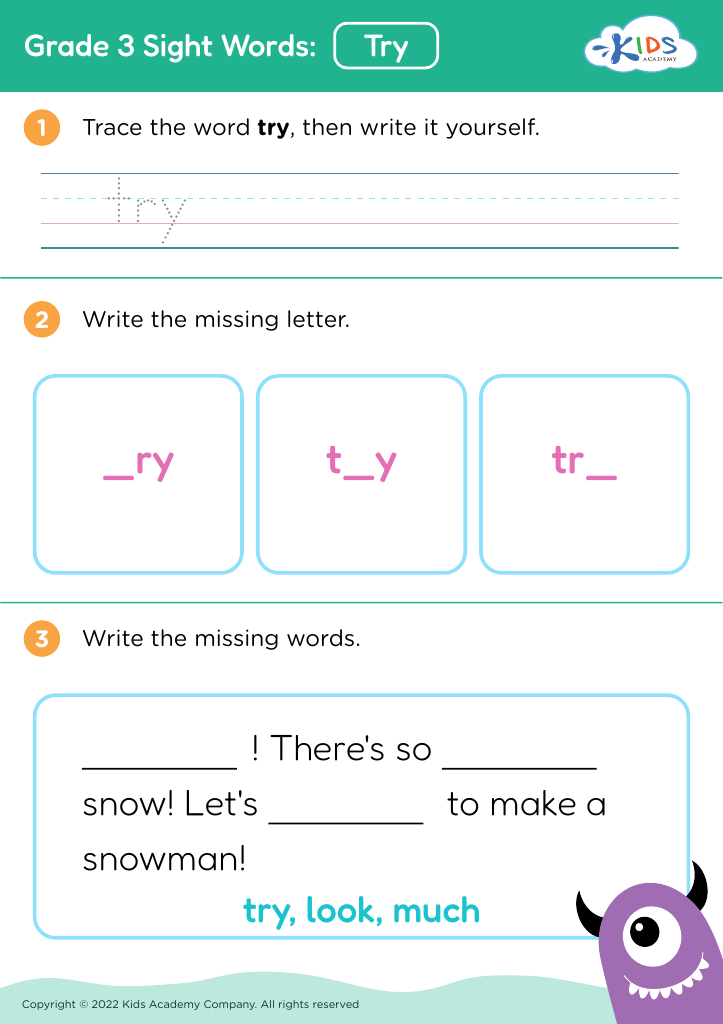
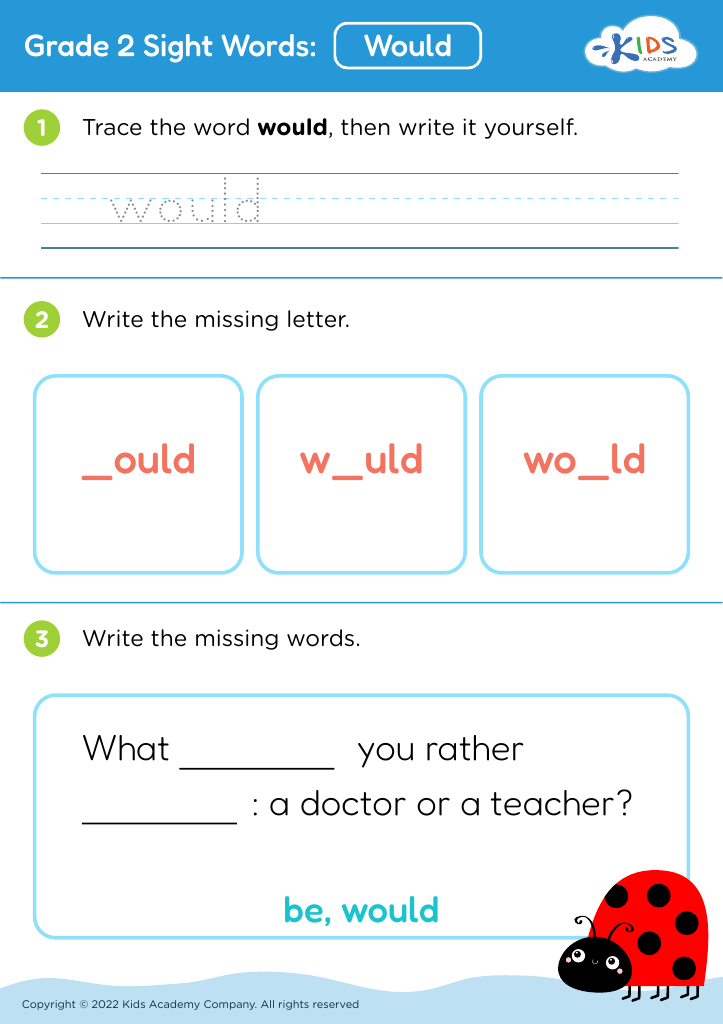
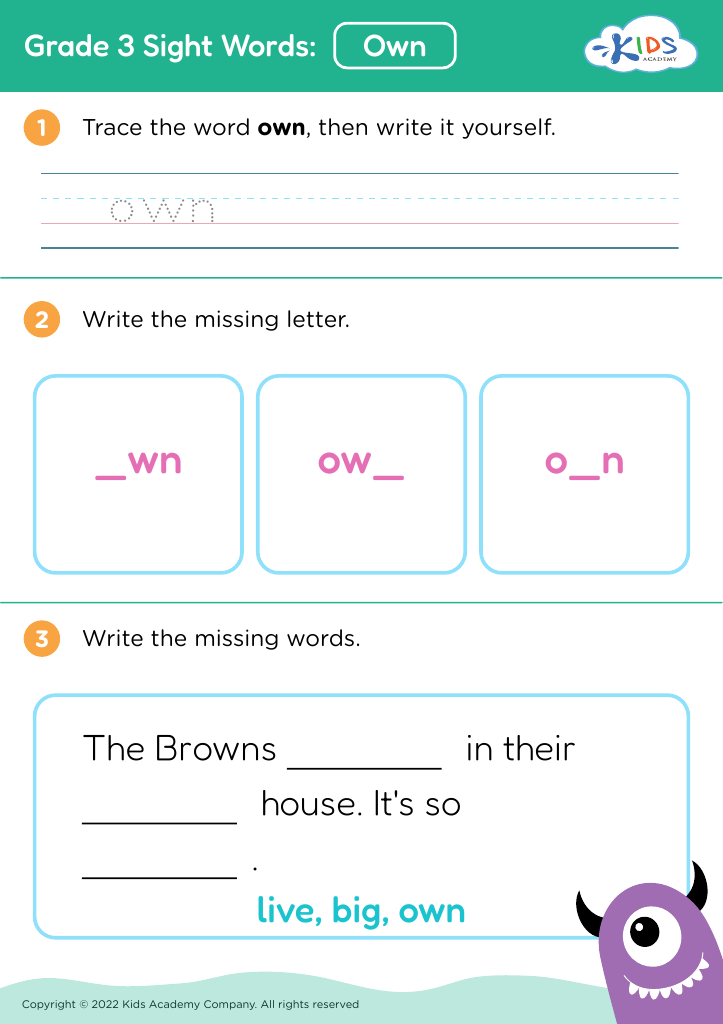
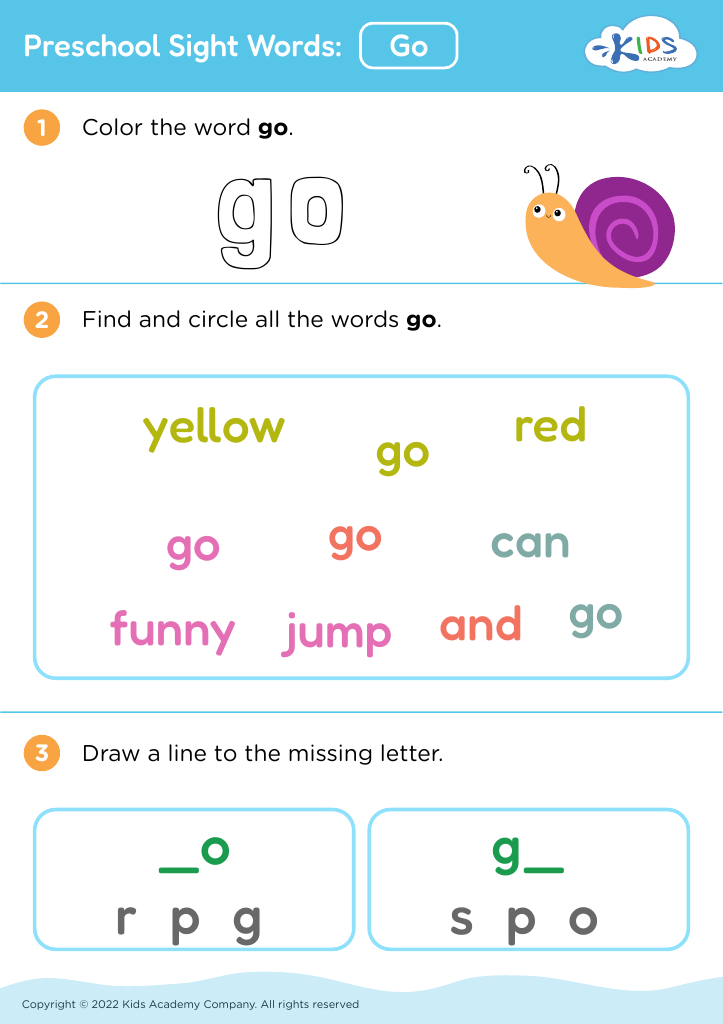
Discover our engaging Number Identification Building Vocabulary Worksheets, designed specifically for children aged 5-8! These interactive worksheets offer a fun and friendly approach to help young learners master number recognition and expand their vocabulary. Featuring vibrant illustrations and age-appropriate activities, these resources encourage children to explore number concepts through matching, tracing, and creative exercises. Ideal for parents and educators alike, our worksheets promote essential early math skills while fostering a love for learning. Enhance your child's numeracy and vocabulary today with these thoughtfully crafted tools, perfect for classroom settings or at-home practice. Get started now and watch their confidence soar!











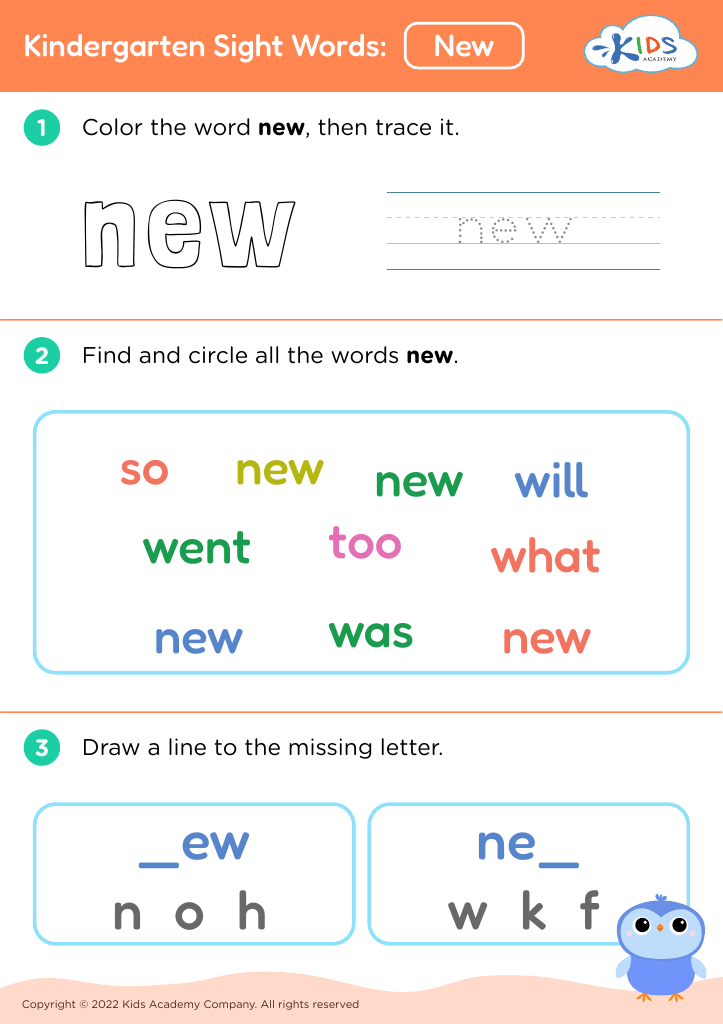








Number identification and building vocabulary are crucial for children ages 5-8, forming the foundation for their academic and personal development. At this age, children are highly receptive to learning, making it a prime time for parents and teachers to foster these essential skills.
Firstly, strong number identification skills support early math comprehension. Understanding numbers is vital for tasks such as counting, simple arithmetic, and recognizing patterns, which are key components of later mathematics education. This foundational numeracy equips children with the confidence to tackle more complex mathematical concepts in the future.
Secondly, building vocabulary enriches communication skills and enhances reading comprehension. A robust vocabulary allows children to express themselves accurately and effectively. It also facilitates better understanding of instructions, stories, and topics discussed in class, aiding cognitive development. This is particularly important as literacy skills greatly contribute to success across all learning areas.
By emphasizing number identification and vocabulary building, parents and teachers can help to create a well-rounded educational foundation. Support in these areas fosters critical thinking, problem-solving, and overall confidence, keys to academic success and lifelong learning. Investing in these skills ensures children are better prepared for future educational endeavors and life's challenges.








