Problem-Solving Skills Building Vocabulary Worksheets for Ages 5-8 - Page 2
39 filtered results
-
From - To
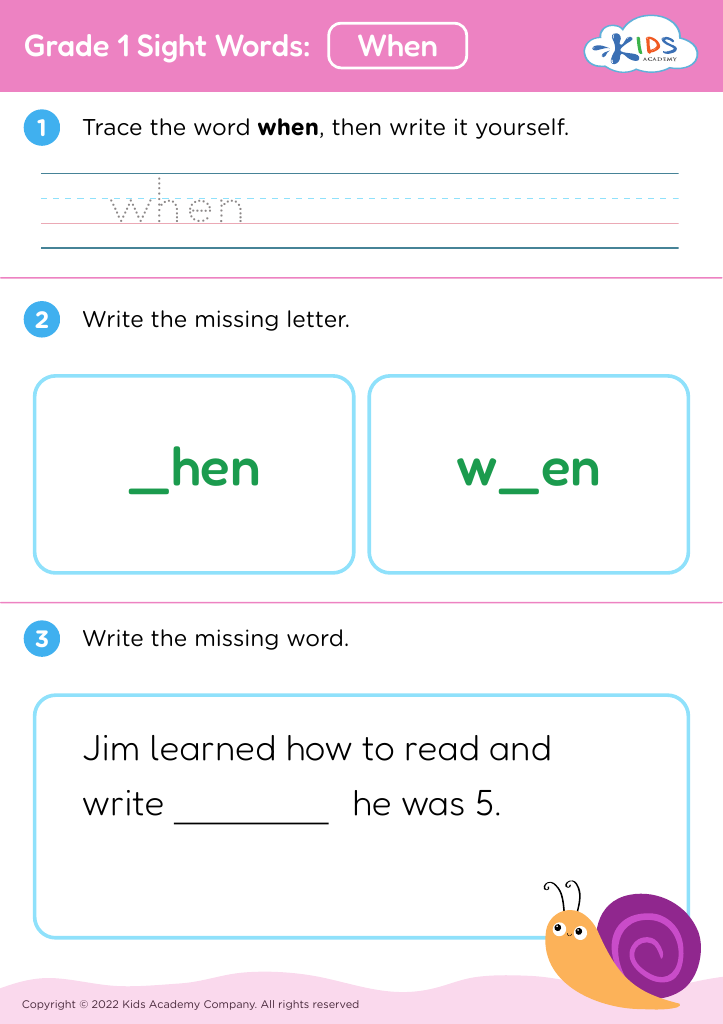











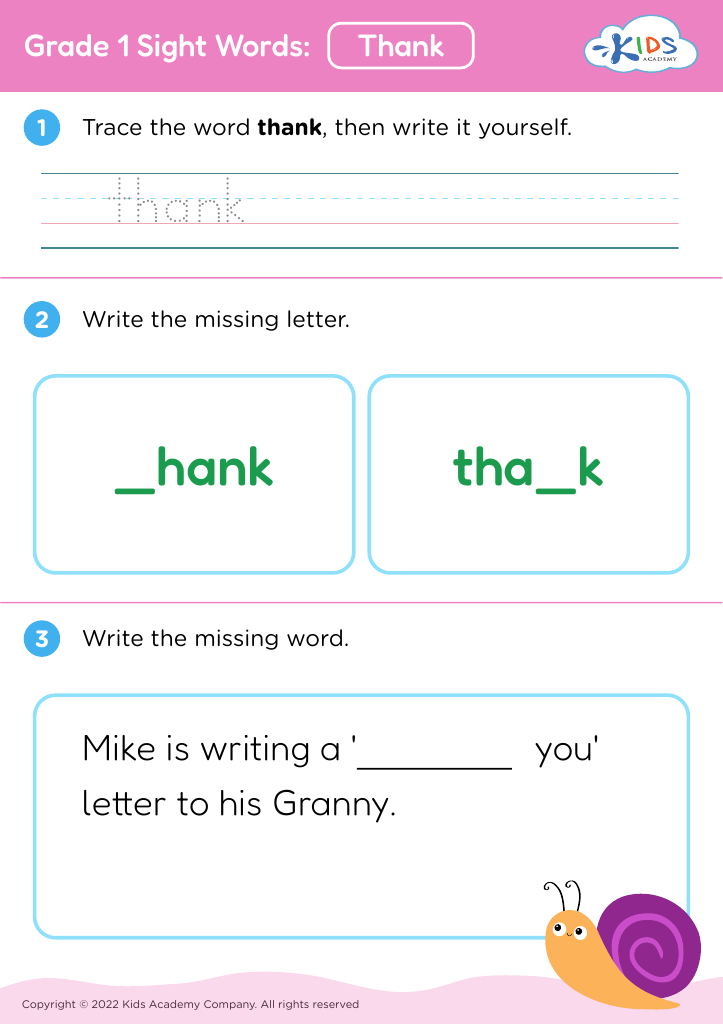
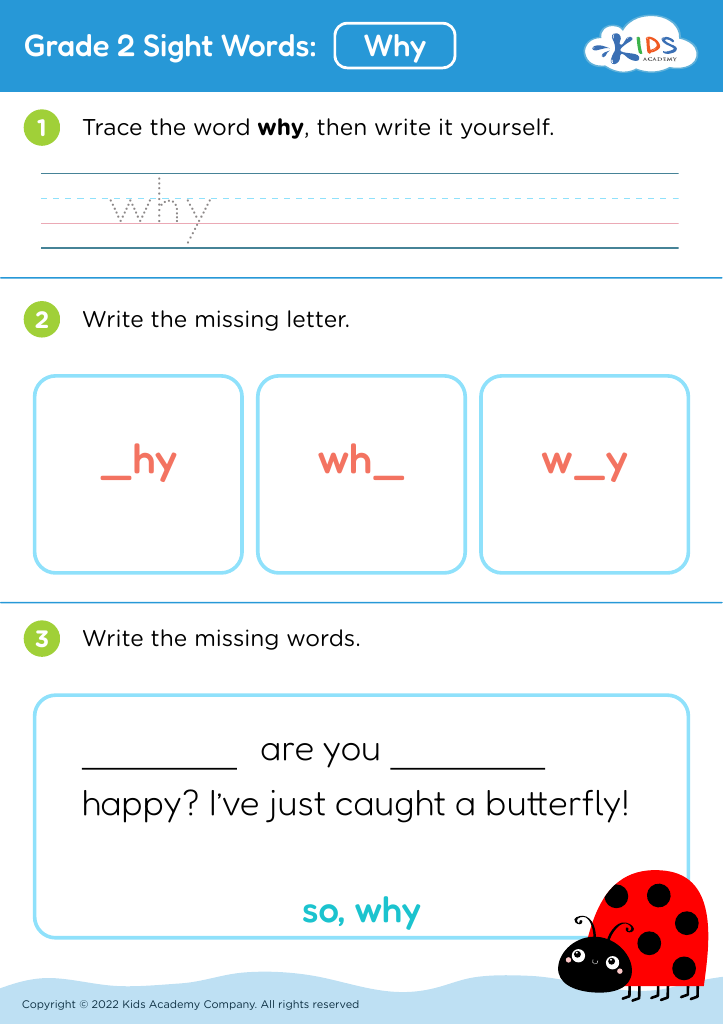
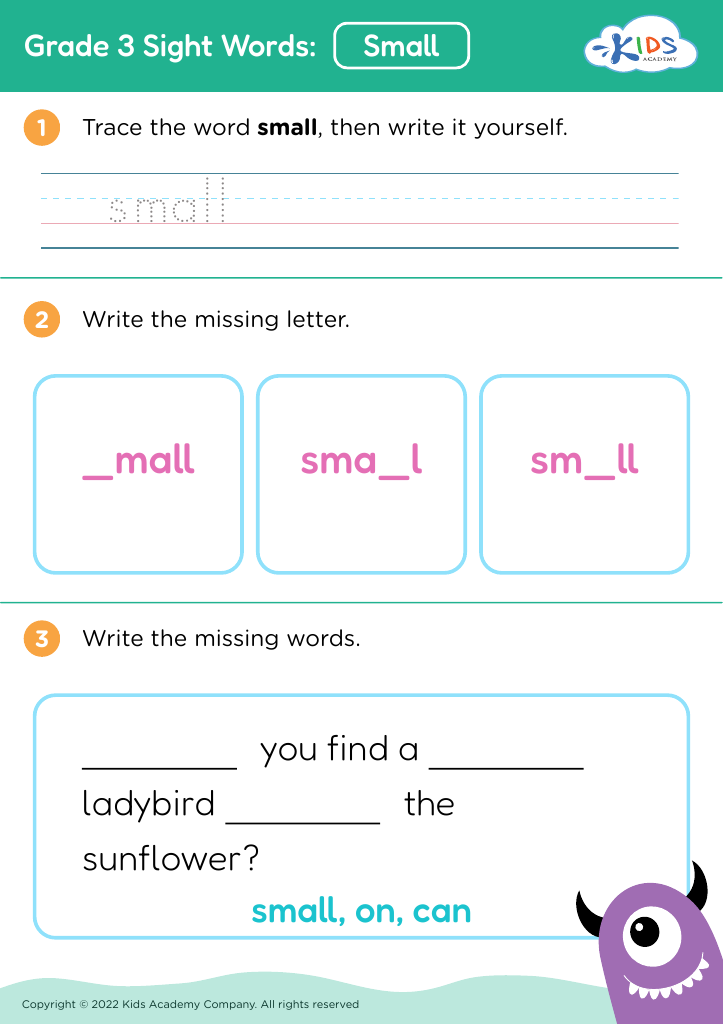
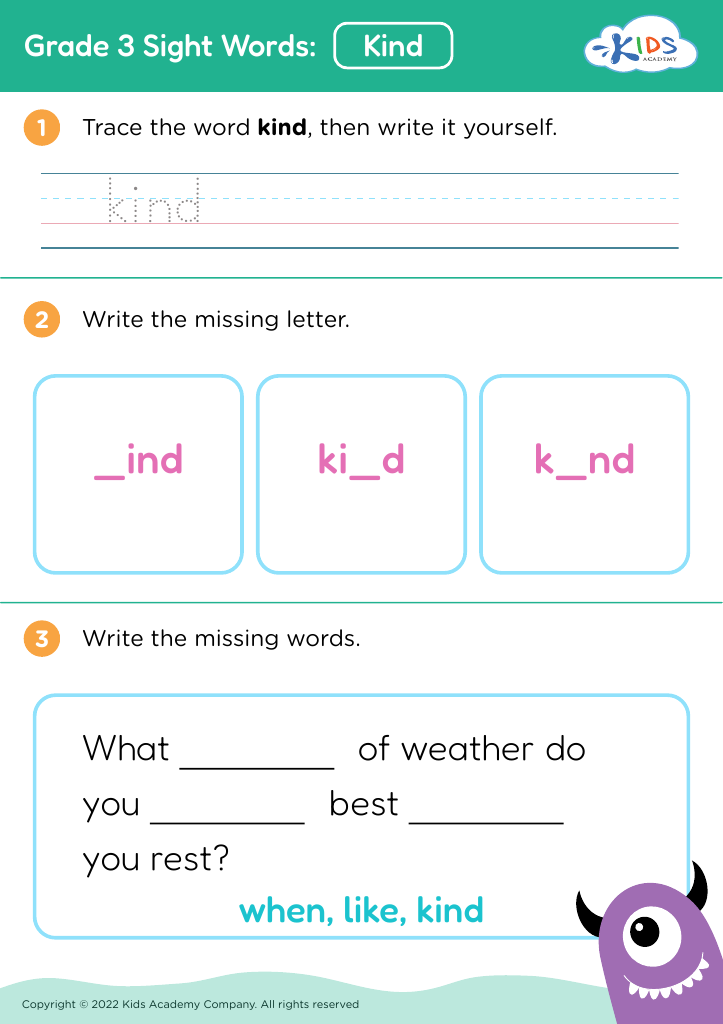
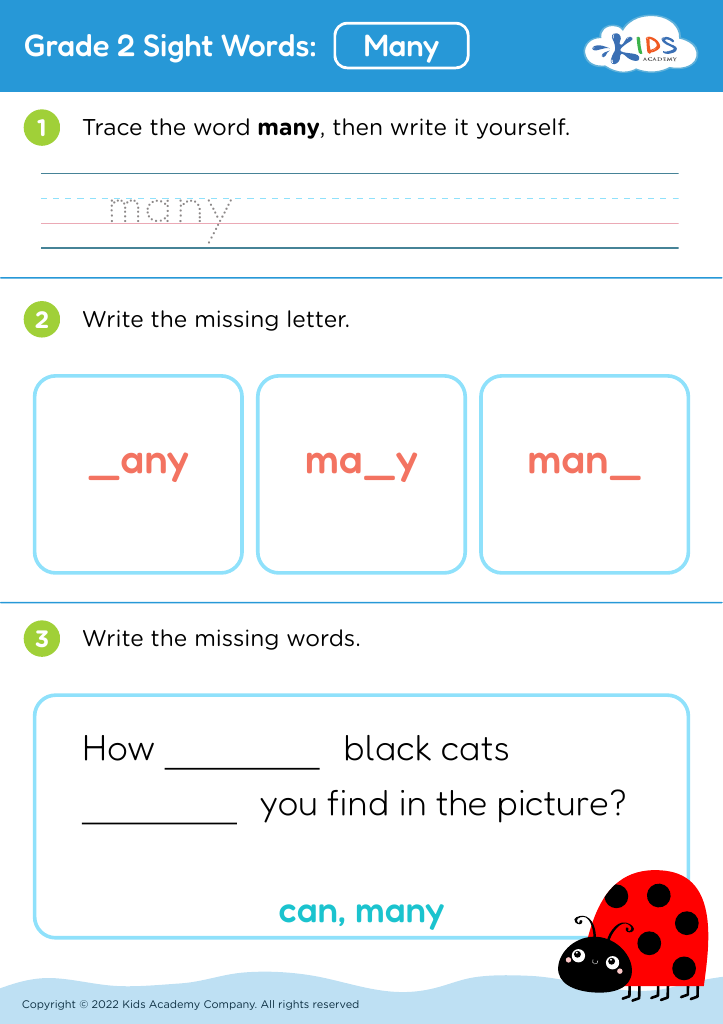
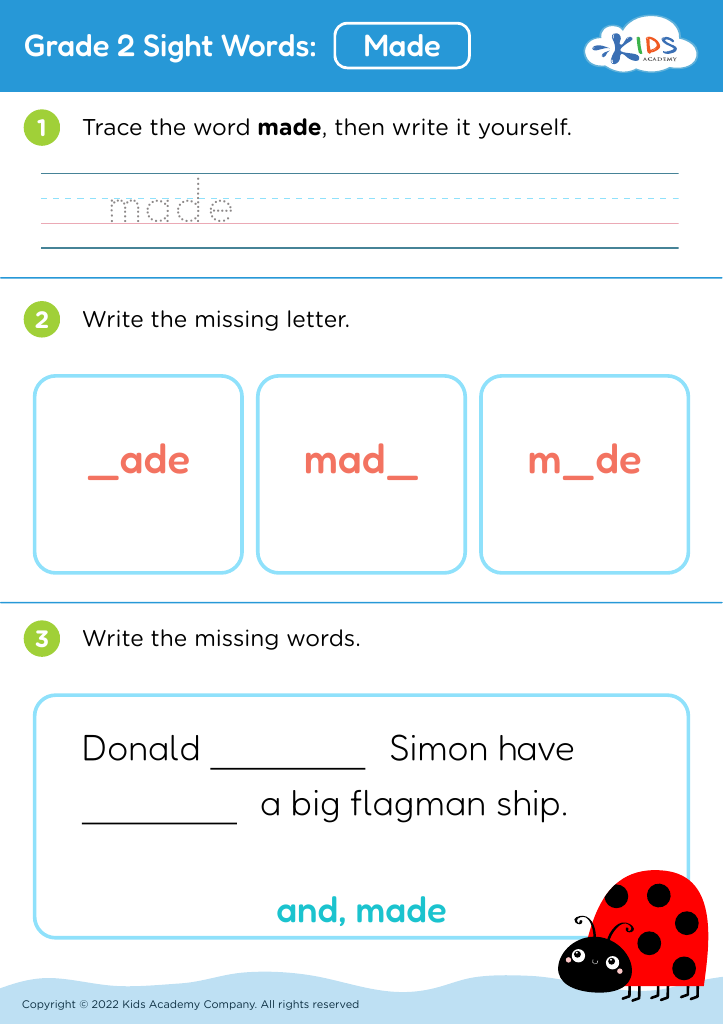
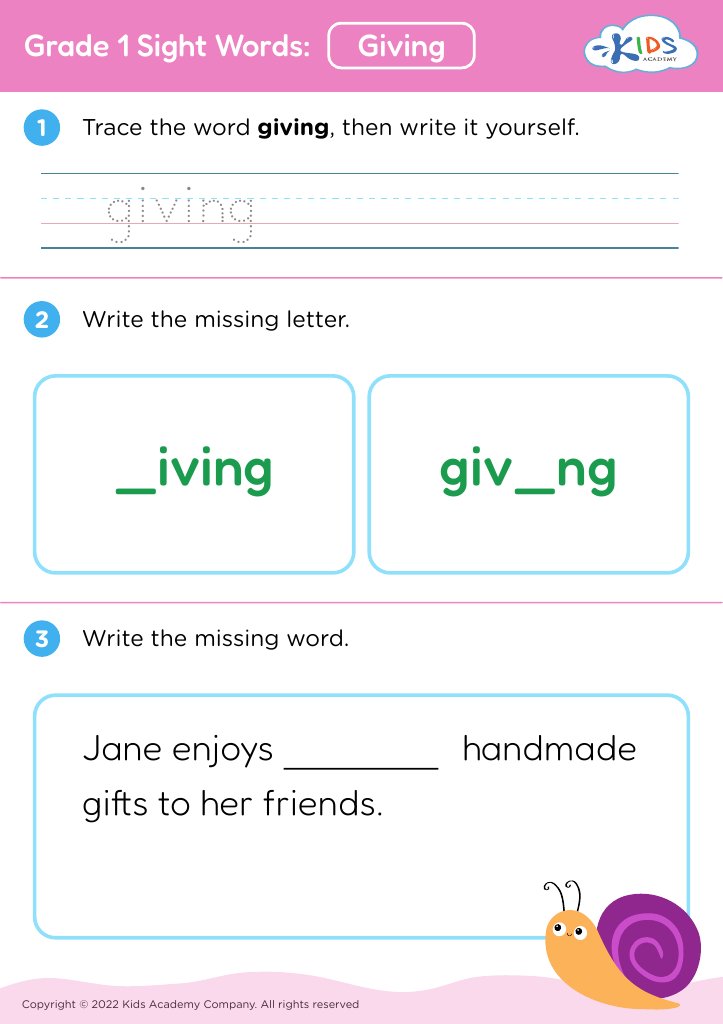
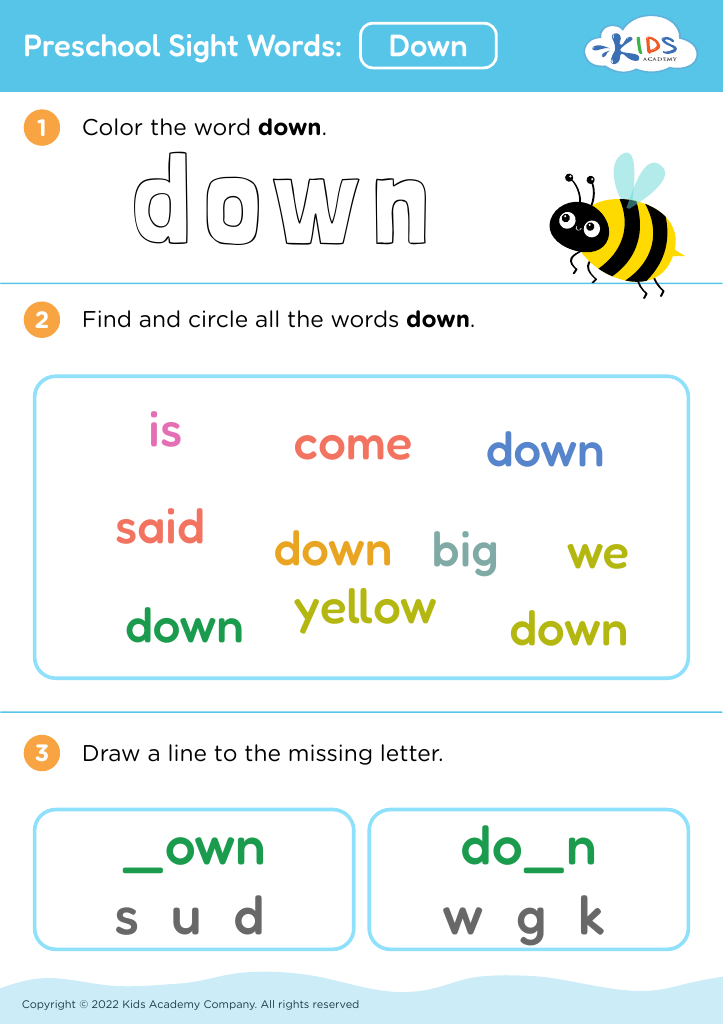
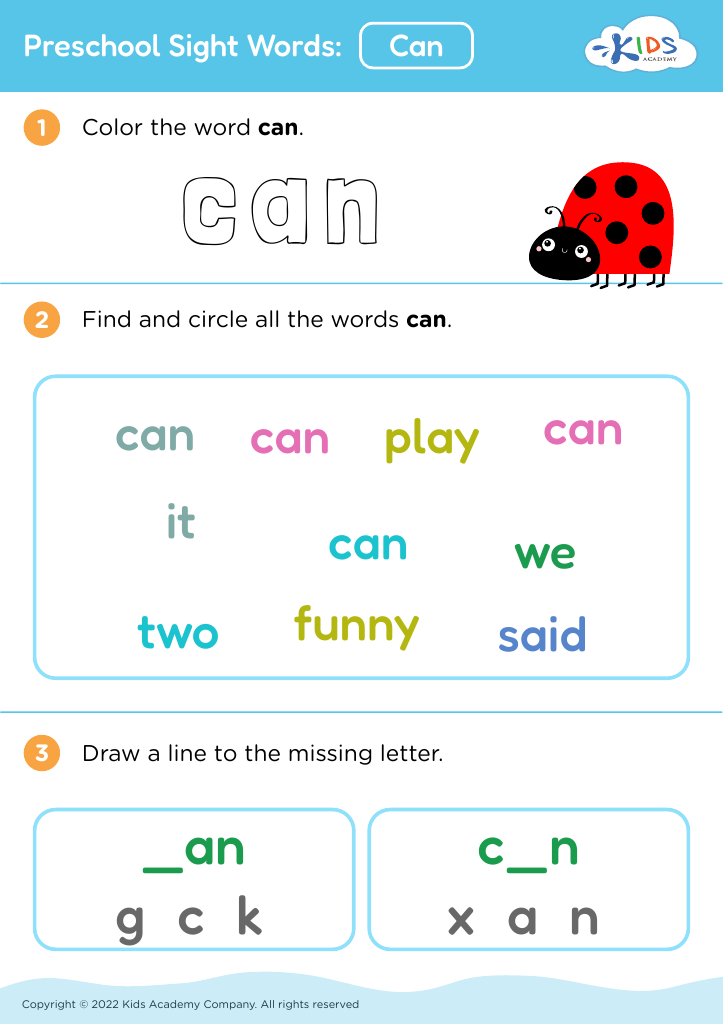
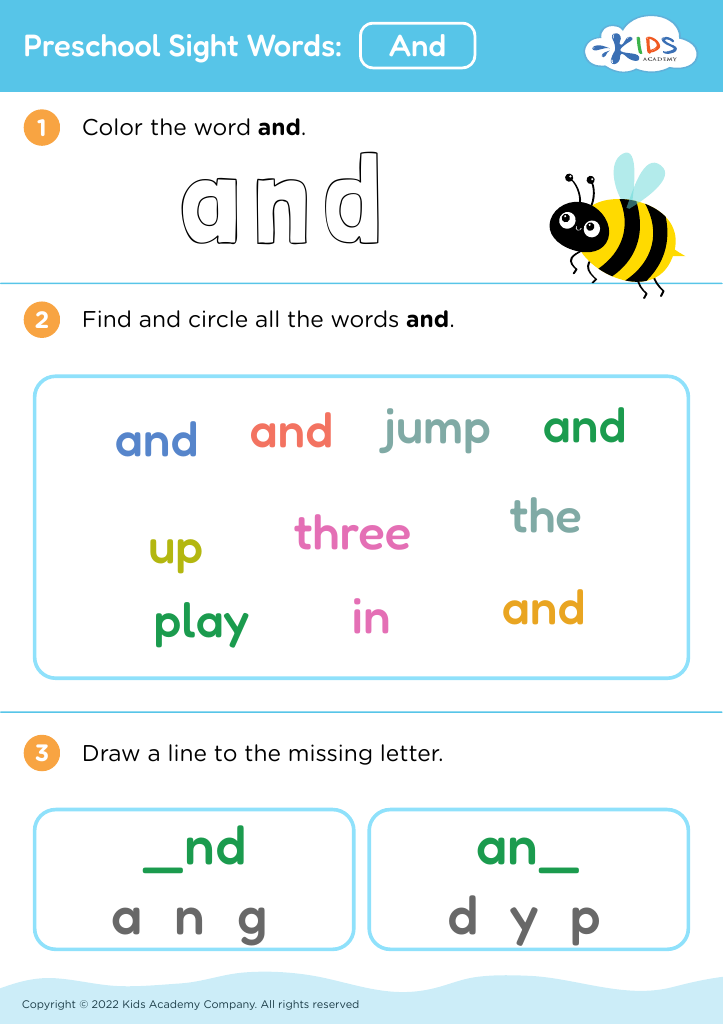








Problem-solving skills and building vocabulary are integral components of a child's development, especially for ages 5-8. During these formative years, children start to understand the world around them and face challenges that require critical thinking and language expression.
For parents and teachers, fostering problem-solving skills equips children with the ability to think logically and creatively to find solutions. This empowers them to tackle difficult situations independently, enhancing their confidence and resilience. Engaging children in problem-solving activities, such as puzzles or real-life scenarios, nurtures their analytical thinking and encourages a growth mindset.
Conversely, a robust vocabulary is crucial for effective communication and comprehension. Having a rich vocabulary allows children to articulate their thoughts, feelings, and questions clearly. It enables them to grasp complex concepts, participate in discussions, and understand instructions. Developing vocabulary is essential for reading comprehension, which underpins academic success across all subjects.
Moreover, problem-solving and vocabulary are interconnected; as children encounter new words in context, they learn to apply them in various scenarios, enriching both their language and reasoning skills. By emphasizing these areas, parents and teachers cultivate well-rounded, capable learners equipped to navigate future challenges confidently.








