Understanding fractions Building Vocabulary Worksheets for Ages 5-8 - Page 3
58 filtered results
-
From - To
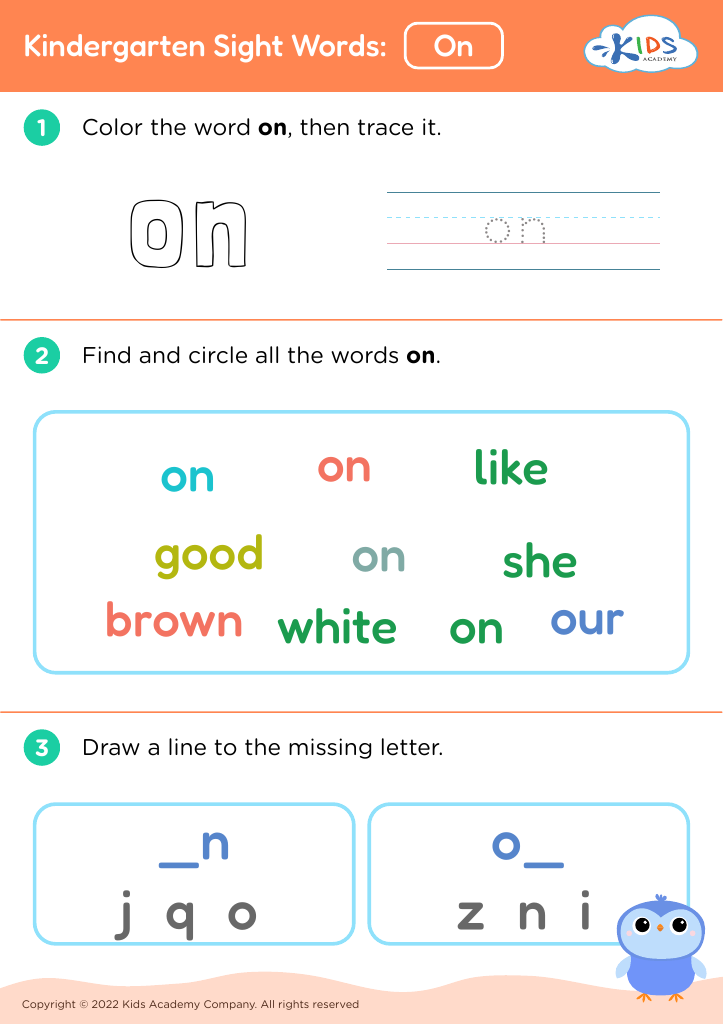











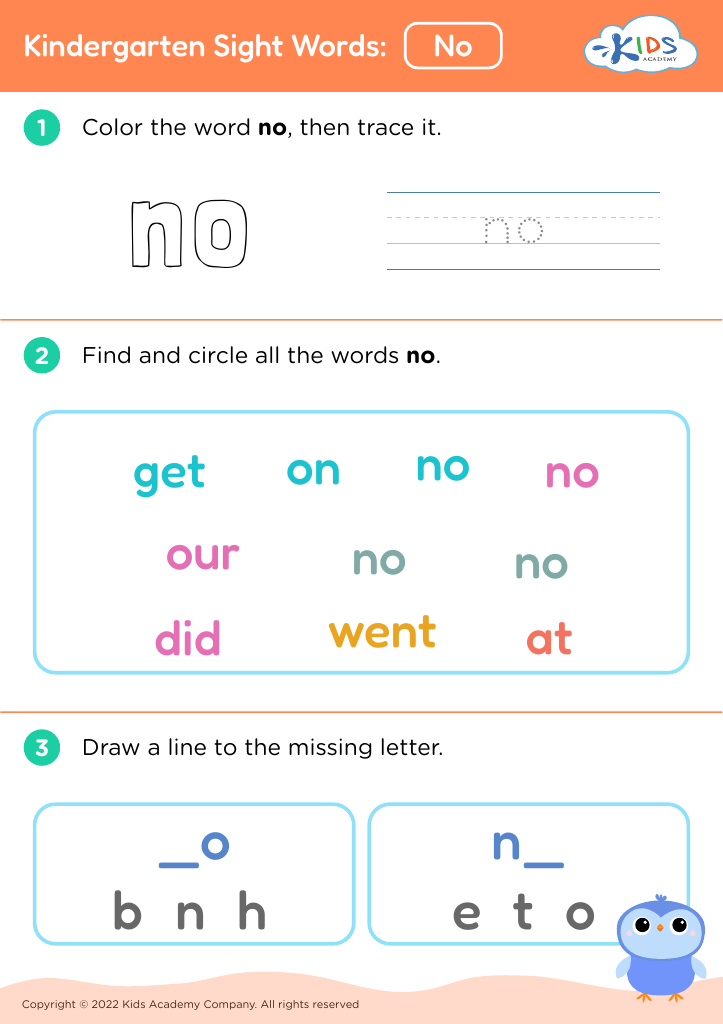
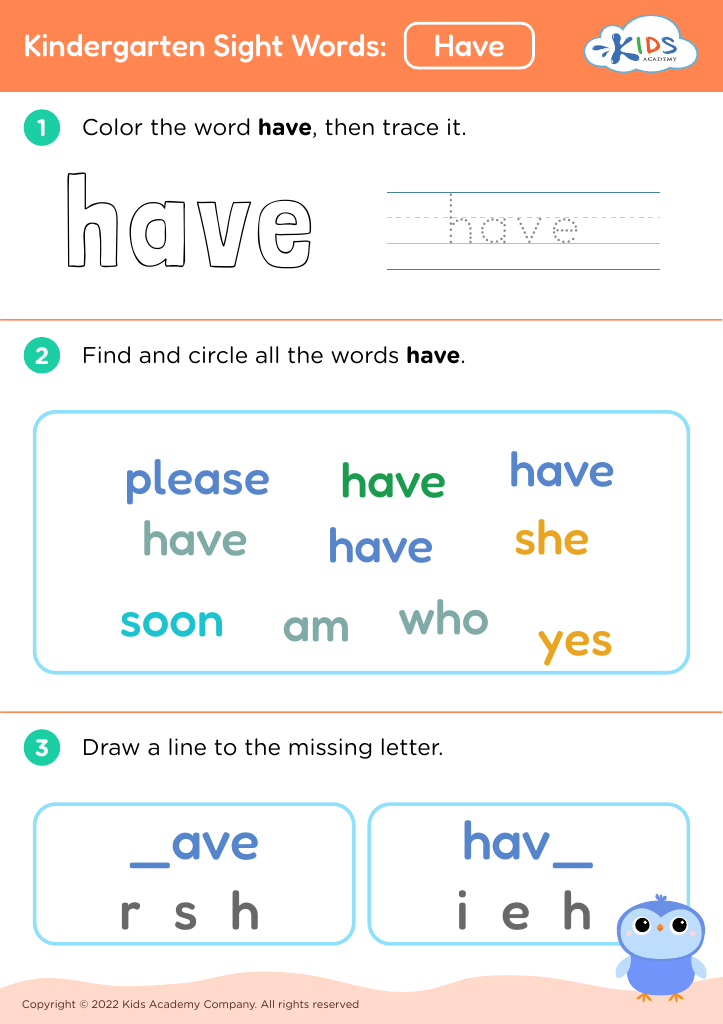
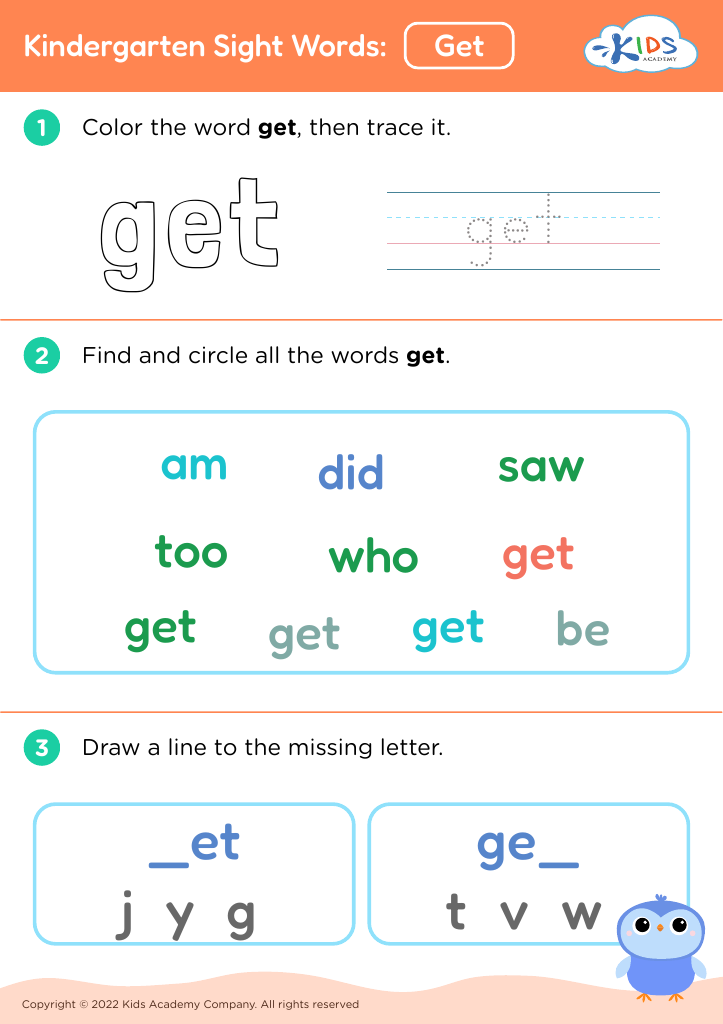
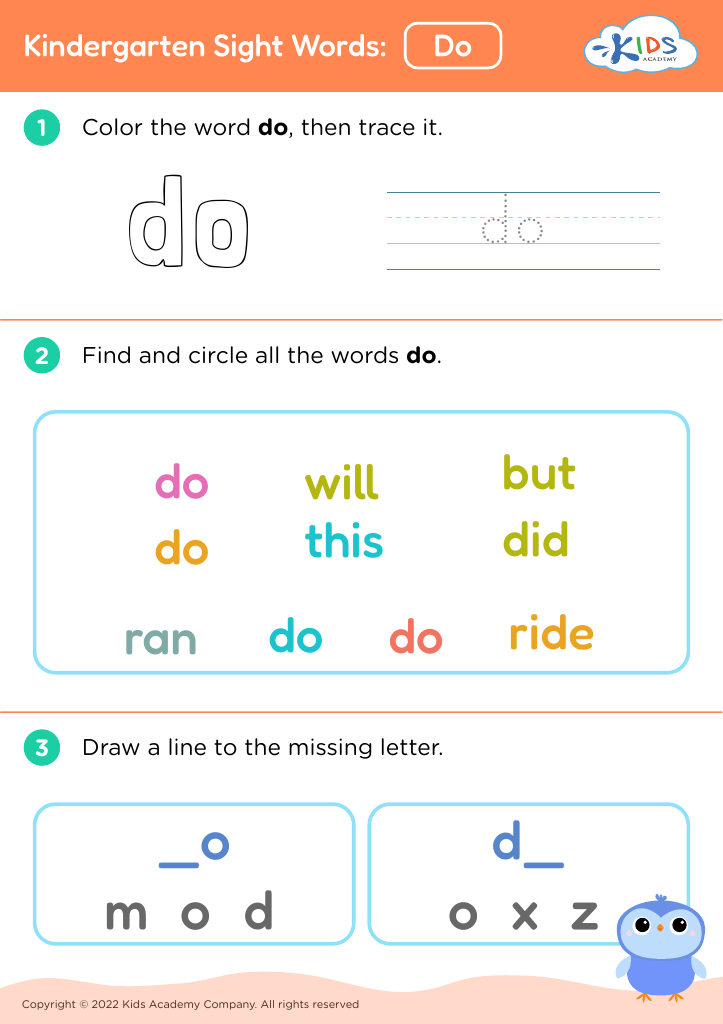
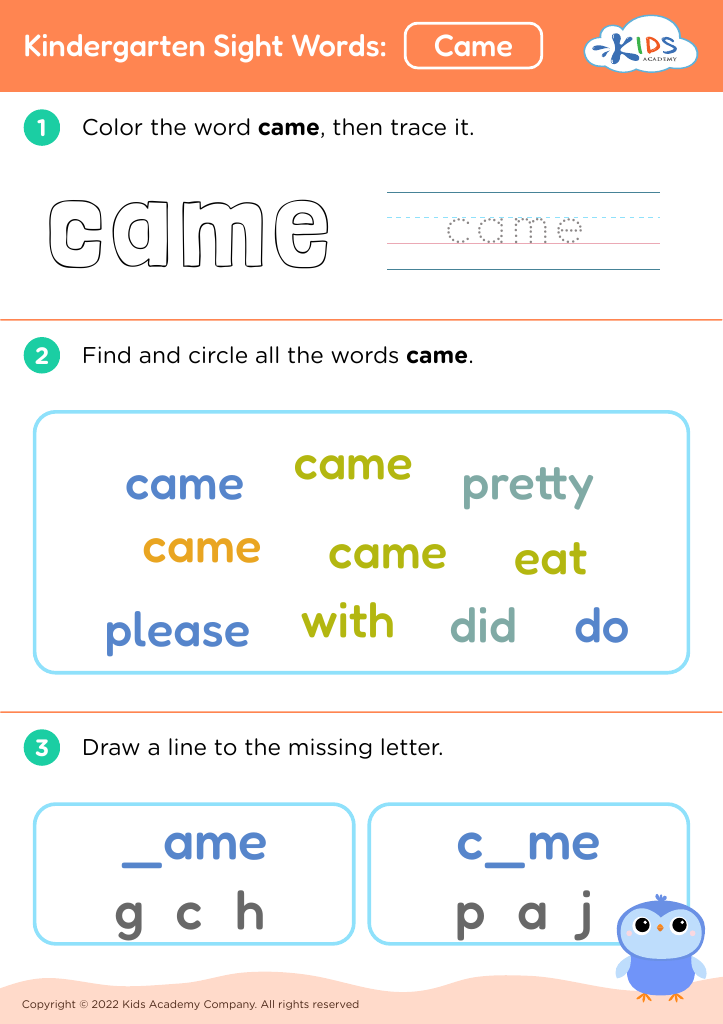
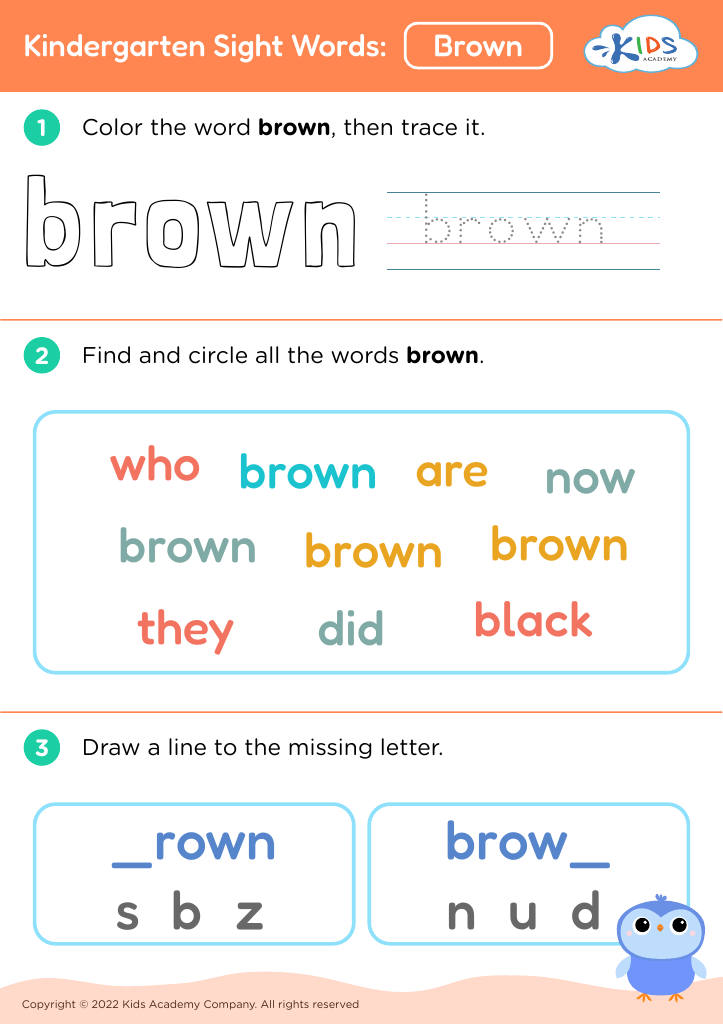
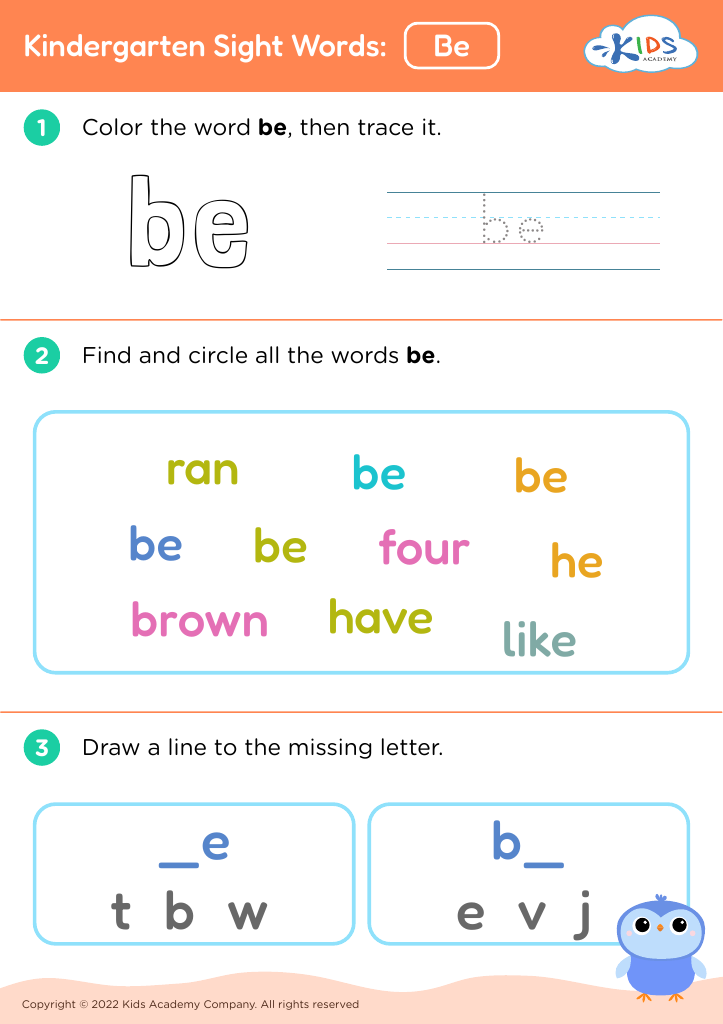
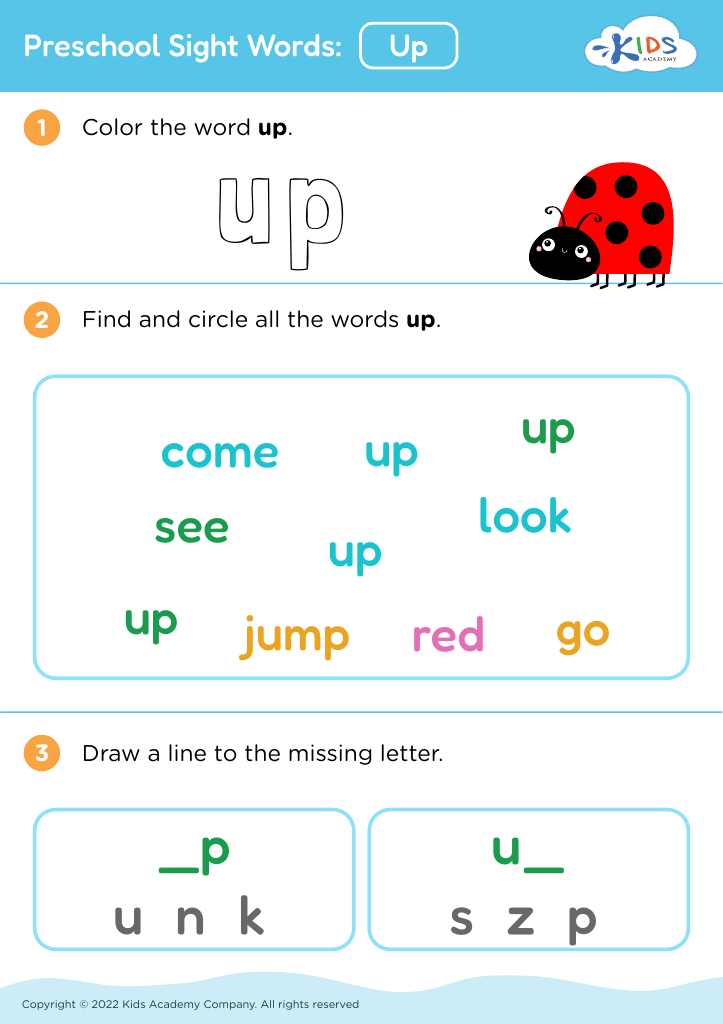
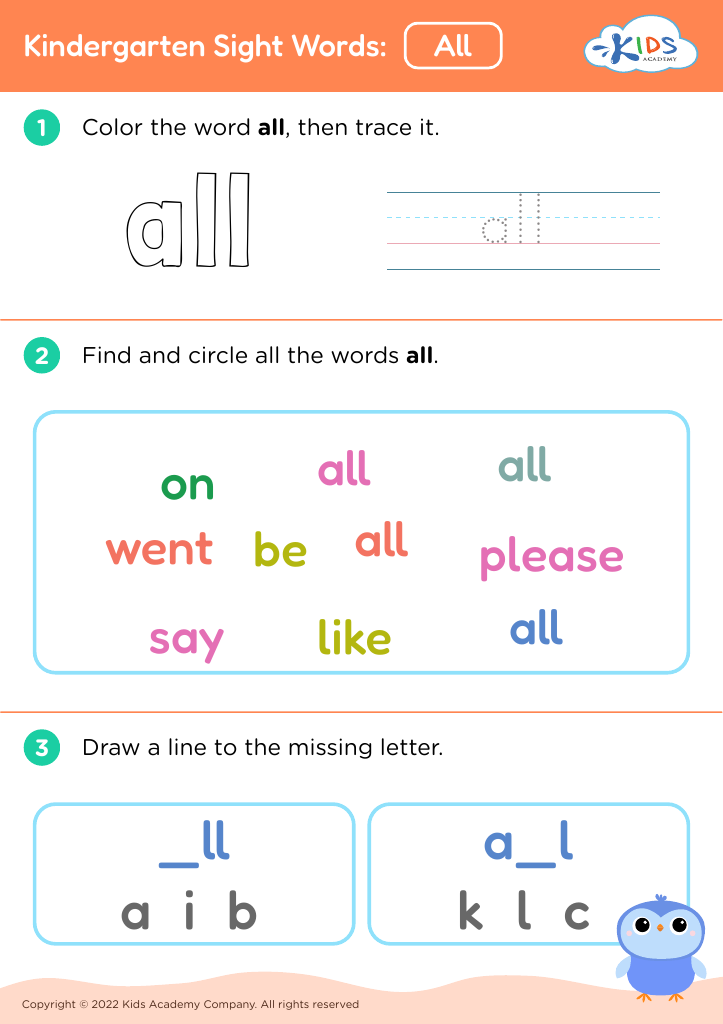








Understanding fractions and building vocabulary for ages 5-8 are pivotal for a child's educational foundation. At this developmental stage, children are naturally curious and eager to learn. Incorporating fractions into their learning helps them grasp essential mathematical concepts, fostering critical thinking and problem-solving skills. By recognizing that fractions represent parts of a whole, children develop a deeper understanding of numbers and their relationships, which sets the groundwork for more advanced math concepts in the future.
Simultaneously, building vocabulary is crucial for literacy and communication. For children aged 5-8, vocabulary contributes significantly to their ability to express ideas, comprehend reading materials, and engage in conversations. By enriching their language skills, educators and parents empower youngsters to articulate their thoughts about fractions and other mathematical concepts more effectively. This dual focus not only enhances academic performance but also boosts confidence.
Moreover, using everyday examples—like sharing a pizza or dividing fruit—makes learning relatable and fun. Engaging activities that incorporate fractions alongside vocabulary expansion can foster a positive attitude towards math and literacy. Ultimately, these foundational skills are integral to a child's overall cognitive development and success in future schooling. Thus, prioritizing fractions and vocabulary is essential for nurturing well-rounded learners.








