
Understanding multiplication Building Vocabulary Worksheets for Ages 5-8
4 filtered results
Difficulty Level
Grade
Age
-
From - To
Subject
Activity
Standards
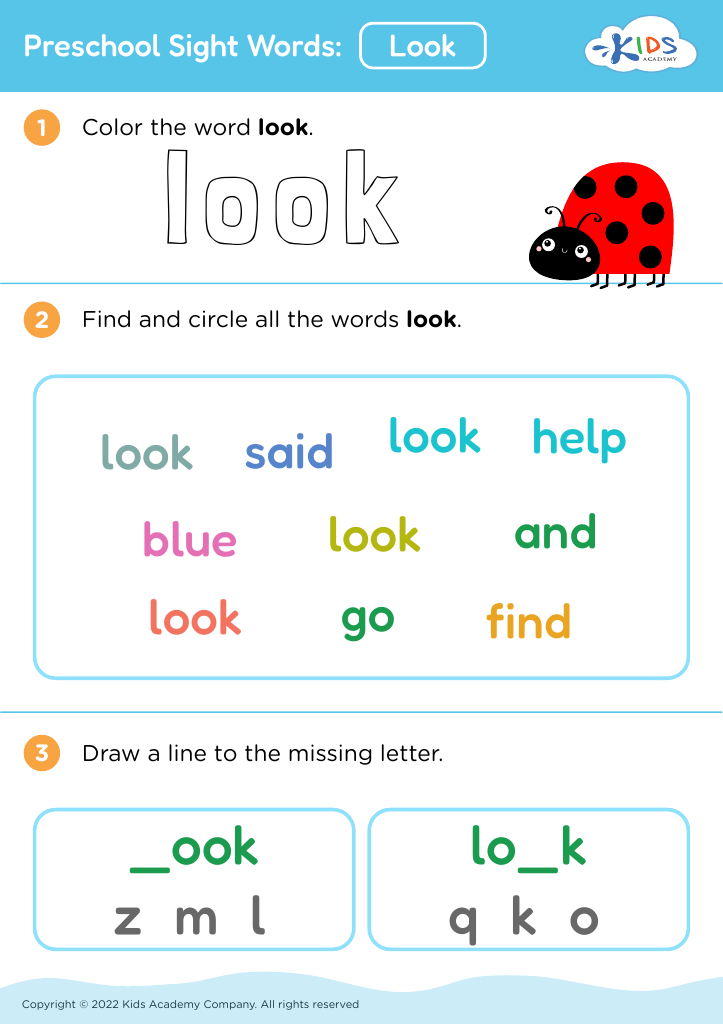
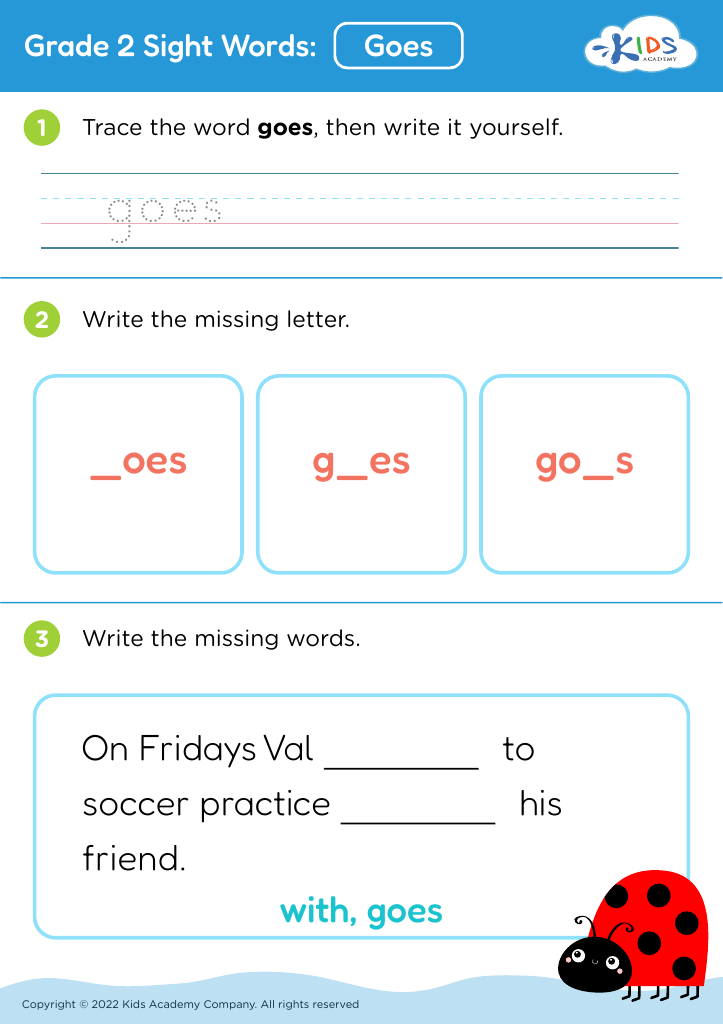
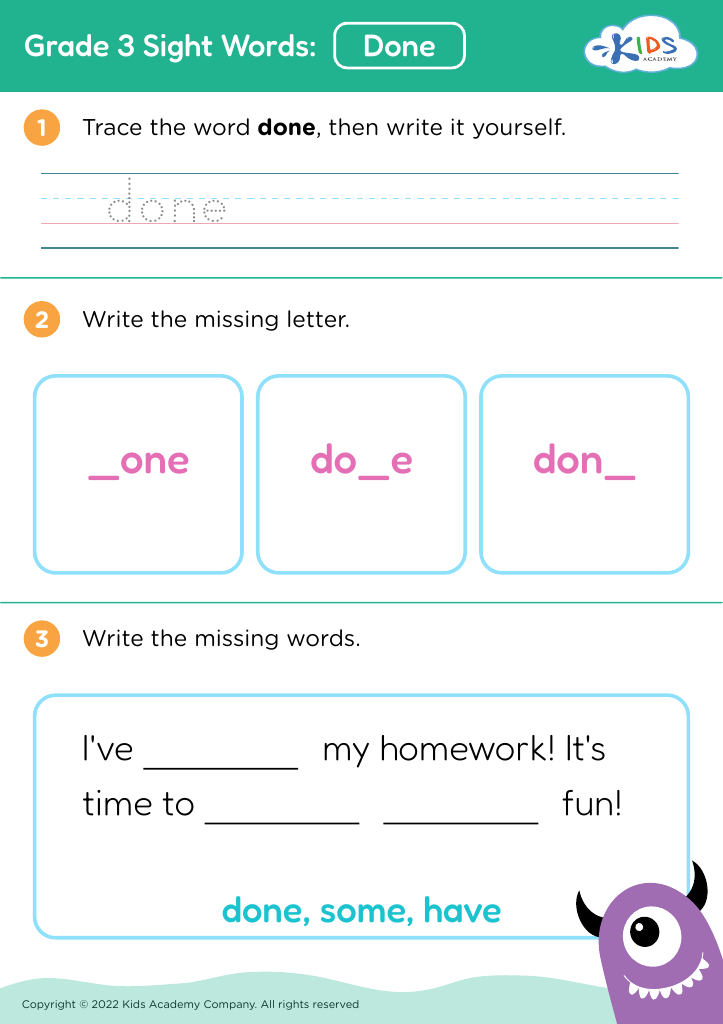
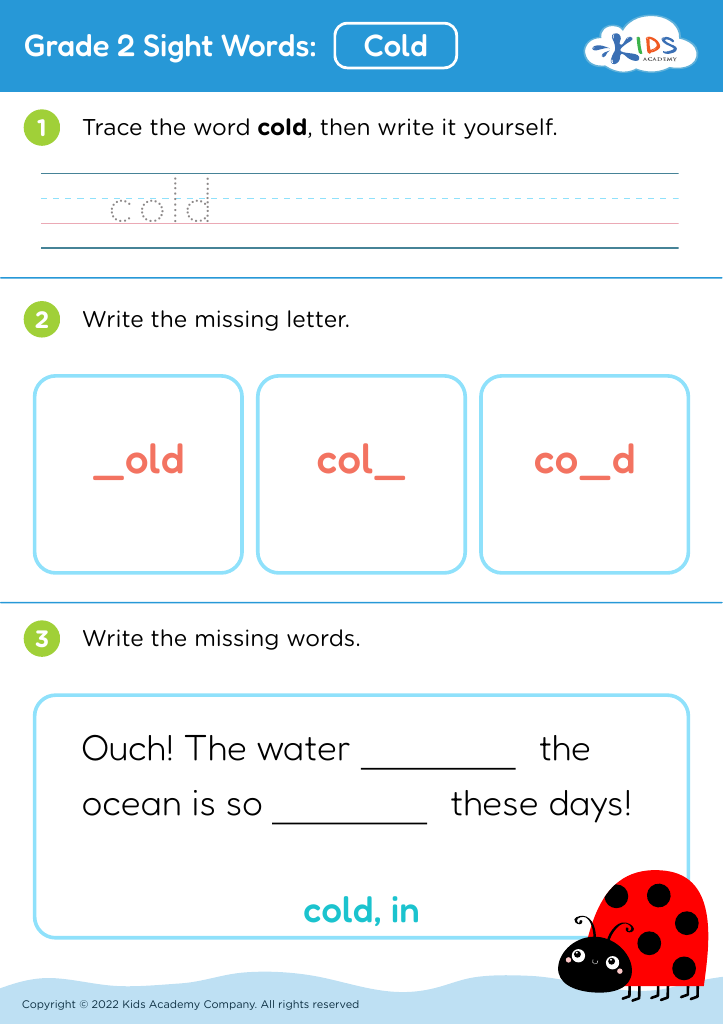
Introduce your young learners to the world of multiplication with our "Understanding Multiplication: Building Vocabulary Worksheets for Ages 5-8." At Kids Academy, our carefully crafted worksheets provide a foundation of essential vocabulary and concepts to help children grasp multiplication. Designed for early learners, ages 5 to 8, these engaging activities offer visual aids, practical exercises, and fun challenges to enhance their learning experience. Watch as your child builds confidence and proficiency in multiplication through our interactive and educational approach. Explore our worksheets today to give your young mathematicians a head start in mastering multiplication!
Favorites
With answer key
Interactive











Join Kids Academy for Free
Who is primarily going to use this learning content?







.jpg)
Understanding multiplication and building vocabulary are foundational skills that significantly impact a child's overall academic journey, even at an early age. For children ages 5-8, grasping the basic concepts of multiplication sets a strong mathematical foundation. Early exposure helps kids understand patterns, relationships, and the concept of repeated addition, all of which are crucial skills for more advanced math topics they'll encounter later. Furthermore, it enhances their problem-solving abilities and boosts their confidence in handling math-related tasks, which is essential for their ongoing academic motivation.
Simultaneously, developing a rich vocabulary is equally important. A robust vocabulary facilitates better communication, enhances comprehension skills, and enriches children’s ability to express themselves clearly. It also directly impacts reading and writing proficiencies, as a strong vocabulary allows children to understand texts more thoroughly and articulate their ideas more effectively. By focusing on vocabulary building, parents and teachers give children the tools to better understand the world around them, ask insightful questions, and engage more deeply with educational content.
In essence, prioritizing these areas helps foster a well-rounded intellectual development. It equips children with the necessary skills to excel in various subjects and sets them up for long-term academic and personal success.








