Reading Skills Reading Fiction Worksheets for Ages 5-8
5 filtered results
-
From - To
Boost your child's reading prowess with our "Reading Skills Reading Fiction Worksheets for Ages 5-8"! Designed by educational experts, these engaging worksheets develop critical literacy skills through captivating stories and characters. From understanding plotlines to identifying key story elements, each exercise enhances comprehension and vocabulary in a fun and interactive way. Perfect for young readers, these resources are aligned with educational standards, ensuring your child gains confidence and proficiency in reading. Discover the joy of learning with vibrant worksheets tailored to match your child's growing abilities. Unlock the magic of fiction and foster a lifelong love for reading today!
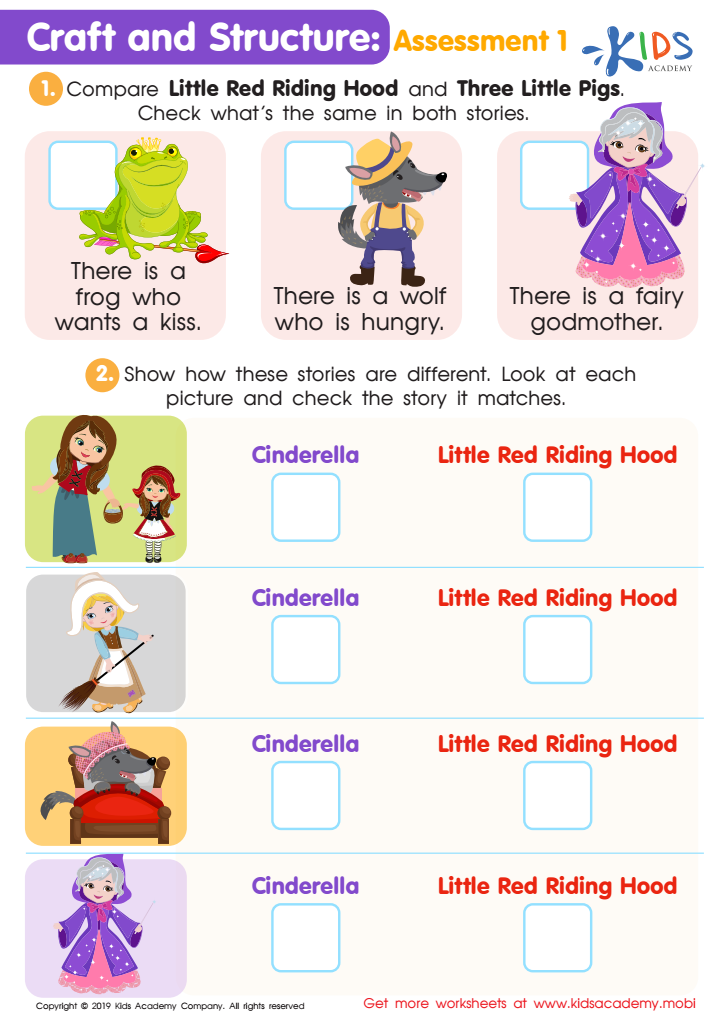
Craft and Structure: Assessment 1 Worksheet
 Assign to My Students
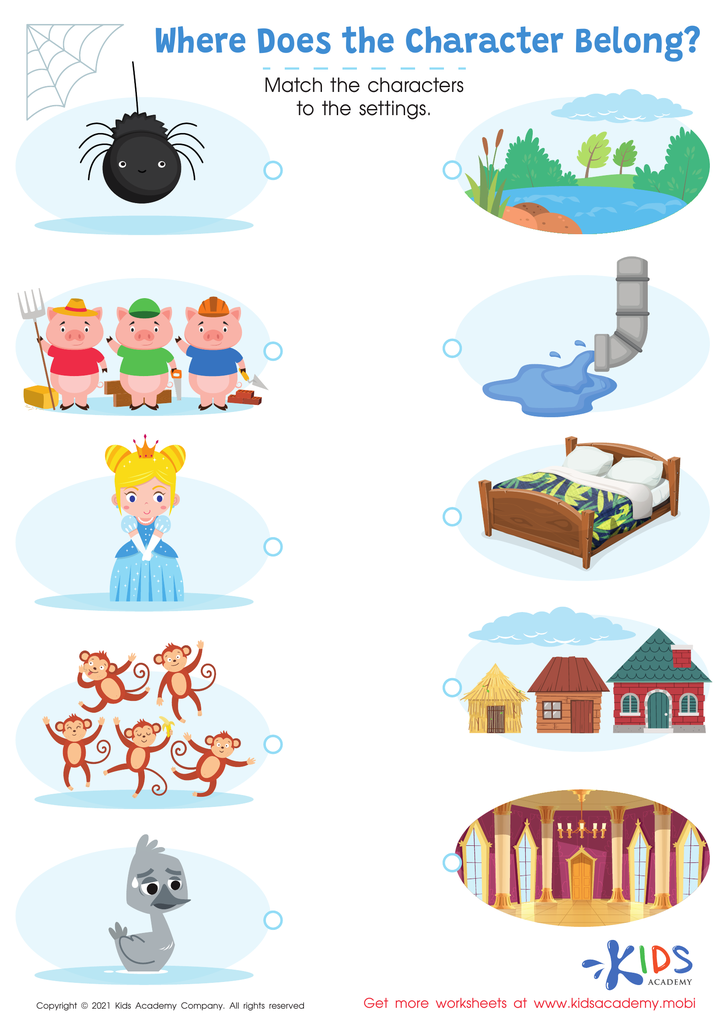
Where Does the Character Belong? Worksheet
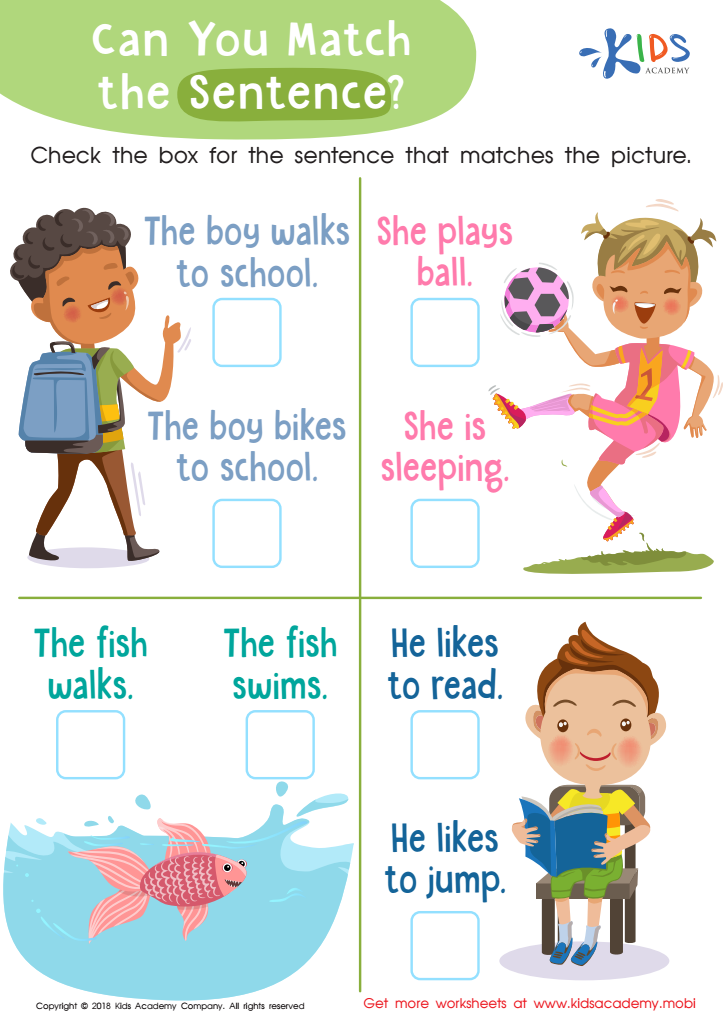
Can You Match the Sentence? Worksheet
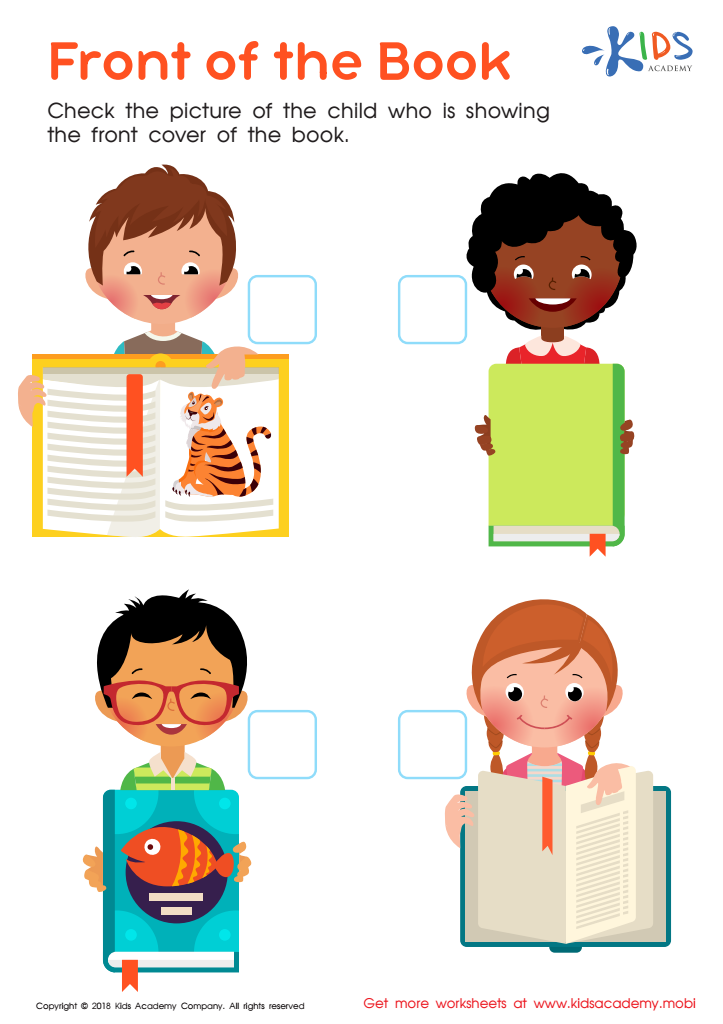
Front of the Book Worksheet
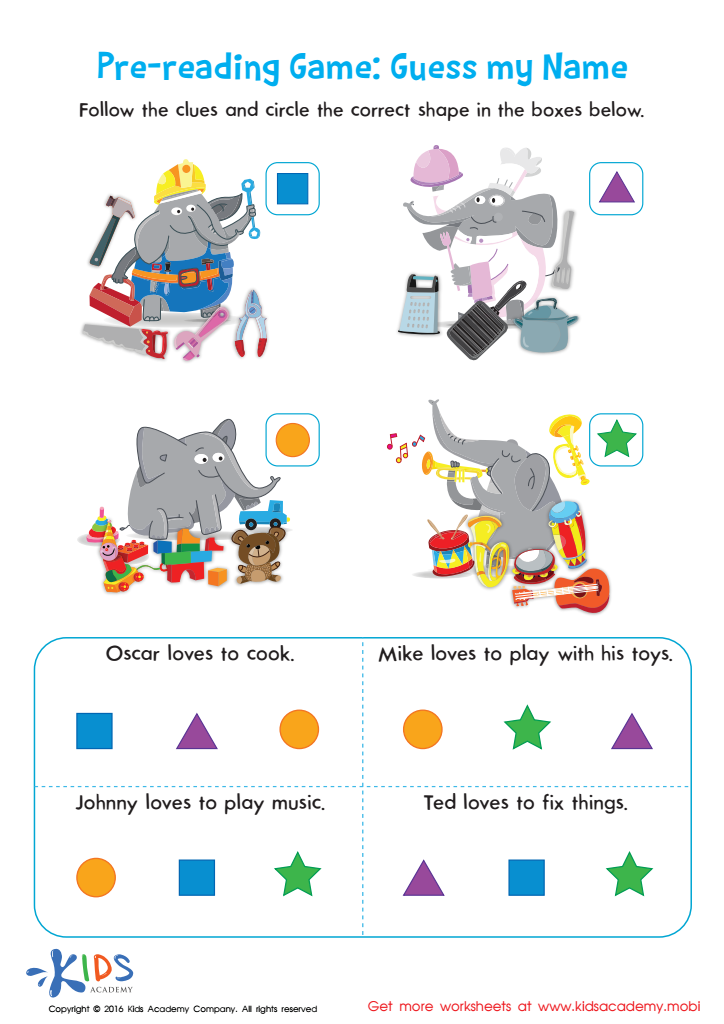
Pre Reading Worksheet Guess My Name








Parents and teachers should prioritize reading skills, especially reading fiction, for children aged 5-8 due to the profound impact it has on a child's cognitive, emotional, and social development. At this early stage, children are developing foundational language skills that will benefit them throughout their lives. Reading fiction aloud or encouraging children to read independently helps to enhance vocabulary, comprehension, and phonemic awareness.
Engaging with fictional stories fosters imagination and creativity, aiding young minds in understanding diverse perspectives and scenarios. This is crucial in developing empathy and emotional intelligence. Stories can introduce children to new experiences, cultures, and values, encouraging open-mindedness and cultural awareness. Many fictional tales also impart moral lessons and stimulate critical thinking when children contemplate characters' decisions and plot outcomes.
Moreover, regular reading practice strengthens concentration, memory, and listening abilities, which are vital academic skills. It prepares children for the more complex texts and learning challenges they will encounter in later grades. Fostering a love for reading in these early years set the foundation for lifelong learning and curiosity. Importantly, positive early reading experiences can often diminish the risk of future literacy issues, making early engagement with reading fiction essential for well-rounded development.








