Color recognition Reading Non-Fiction Worksheets for Ages 5-8
3 filtered results
-
From - To
Introduce your child to the vibrant world of learning with our Color Recognition Reading Non-Fiction Worksheets, designed for ages 5-8. These engaging resources combine reading with fun color identification, helping young minds improve vocabulary and comprehension while exploring the fascinating facts of the non-fiction world. Perfect for early readers, each worksheet promotes critical thinking, enhances understanding, and encourages a love for learning. Easy to integrate into daily lessons, these worksheets cater to different learning styles and turn everyday learning into an exciting adventure. Experience the joy of learning with Kids Academy today!
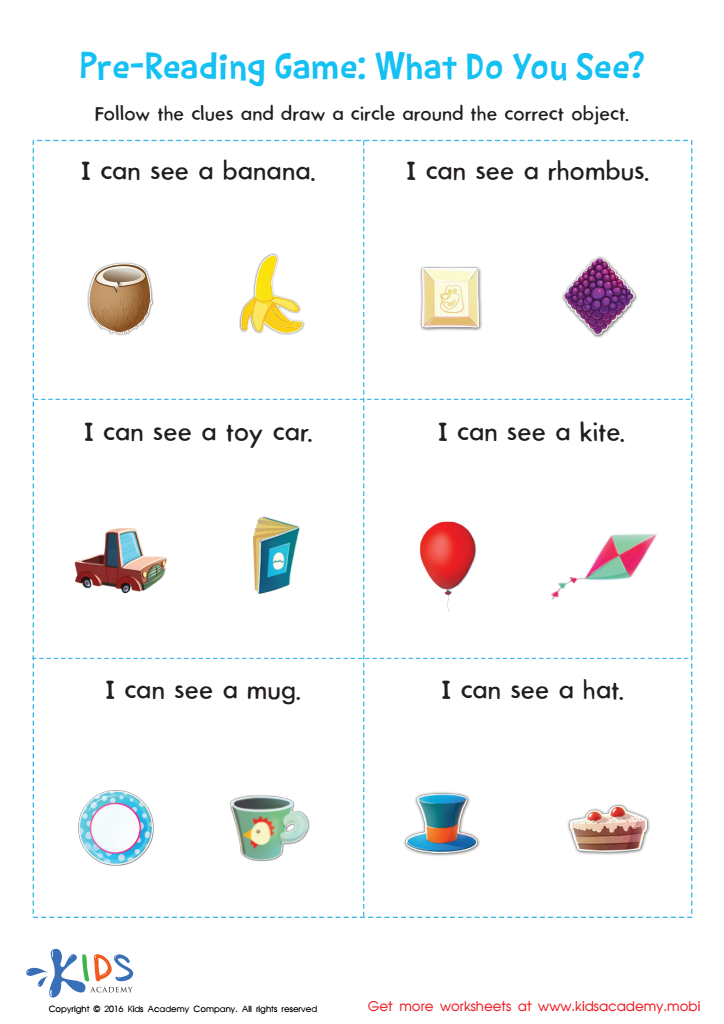
Pre–reading Worksheet: What Do You See?
 Assign to My Students
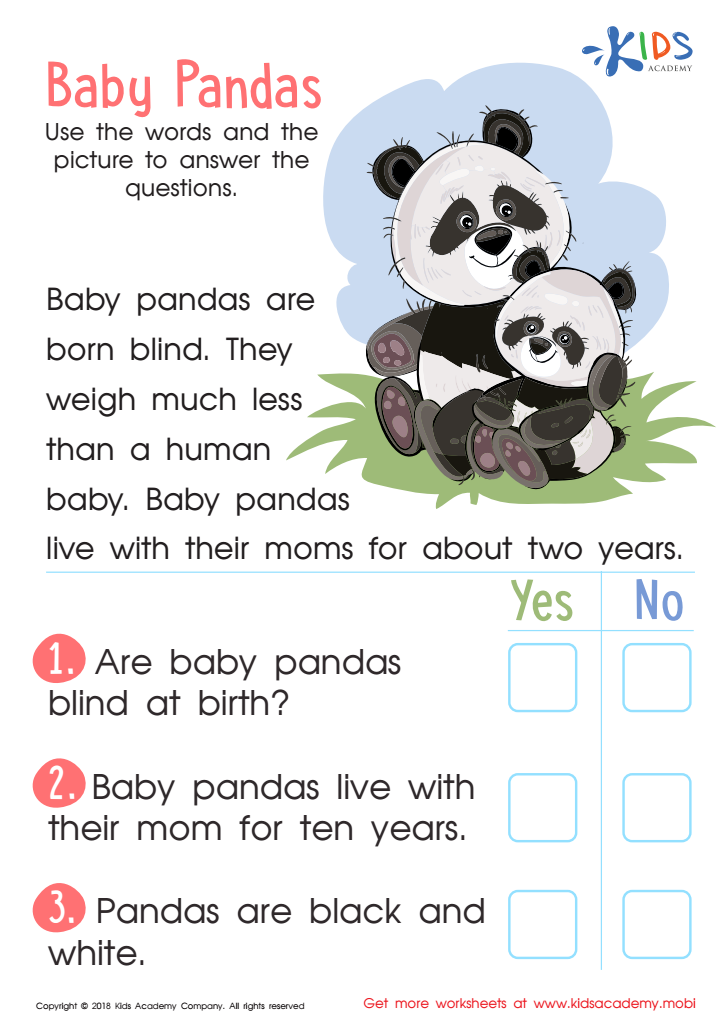
Baby Pandas Worksheet
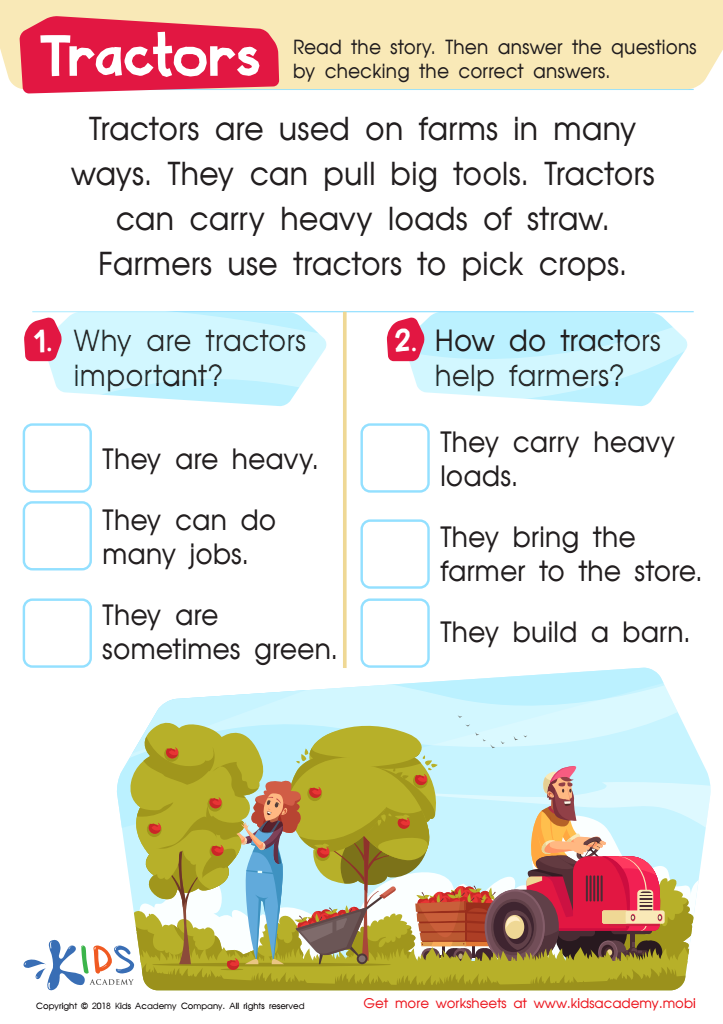
Tractors Worksheet








Color recognition and reading non-fiction are foundational skills that significantly contribute to a child's cognitive and emotional development, particularly between the ages of 5-8. Color recognition is pivotal as it's one of the first ways children categorize and make sense of the world. It enhances their descriptive language and observational skills, all of which are essential for literacy and communication. Understanding colors also helps with advanced learning subjects like math, as it aids in recognizing patterns and graphs.
Reading non-fiction during the early grades exposes children to factual content, aiding in building an understanding of the world. It bolsters their curiosity and encourages critical thinking. This genre introduces them to a diverse range of topics, fostering a wider knowledge base and extending their vocabulary through exposure to new concepts and terminologies. Non-fiction reading also helps children to develop focused attention and differentiate between factual and fictional information, a skill increasingly important for navigating digital information.
Moreover, these skills support overall academic progress and confidence. As teachers and parents, investing time in cultivating these abilities can set a foundation for lifelong learning and curiosity. Therefore, focusing on color recognition and non-fiction reading will significantly benefit children's developmental trajectory in varied and meaningful ways.








