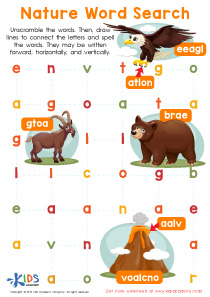
Comparing quantities Sight Words Worksheets for Ages 5-8
3 filtered results
-
From - To
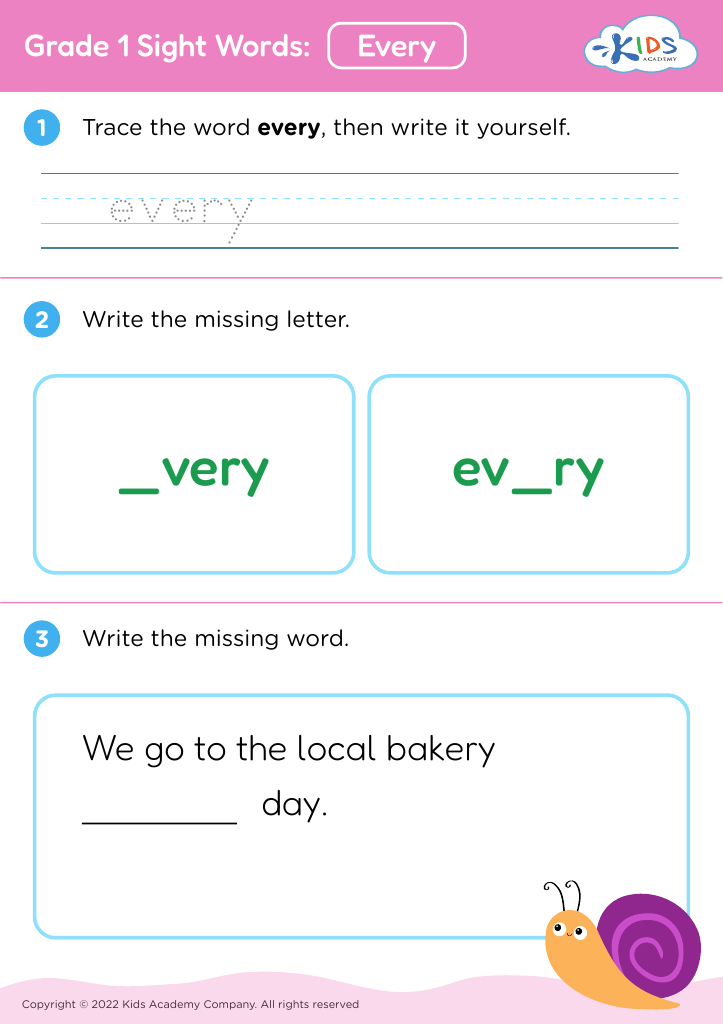
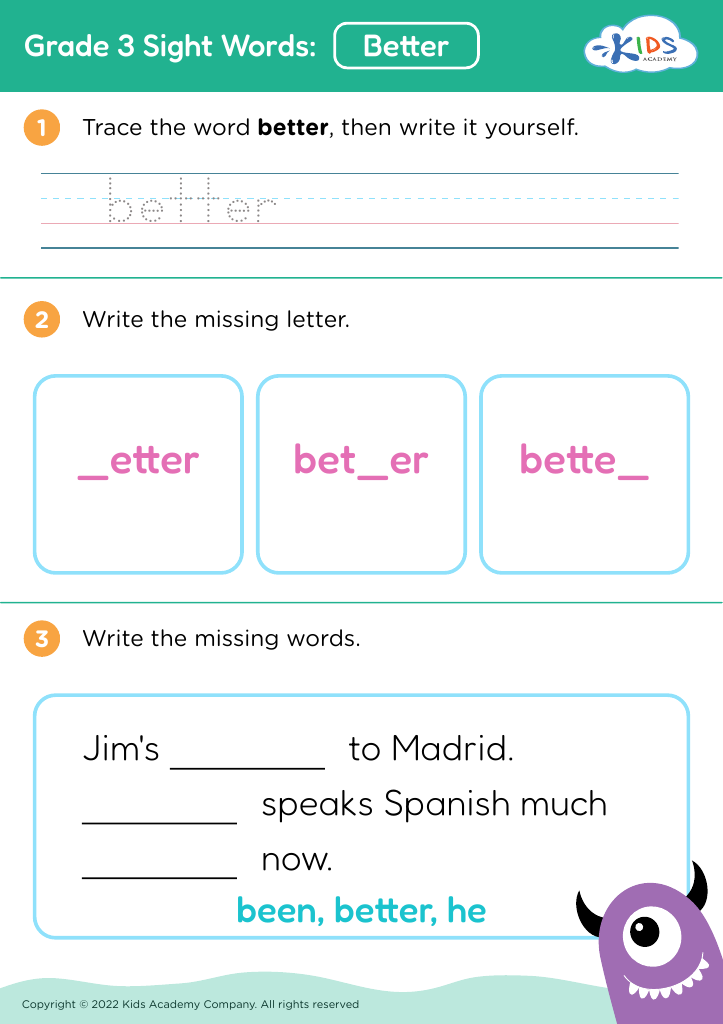
Discover our engaging Comparing Quantities Sight Words Worksheets designed for children ages 5-8! These specially crafted worksheets help young learners enhance their reading skills while introducing essential math concepts. By practicing sight words in the context of comparing quantities, children will boost their vocabulary, comprehension, and critical thinking. Fun and interactive activities ensure that kids remain captivated and eager to learn. Perfect for at-home practice or classroom use, these worksheets support early literacy and numeracy development in a seamless manner. Download our Comparing Quantities Sight Words Worksheets now to make learning a delightful experience for your little one!
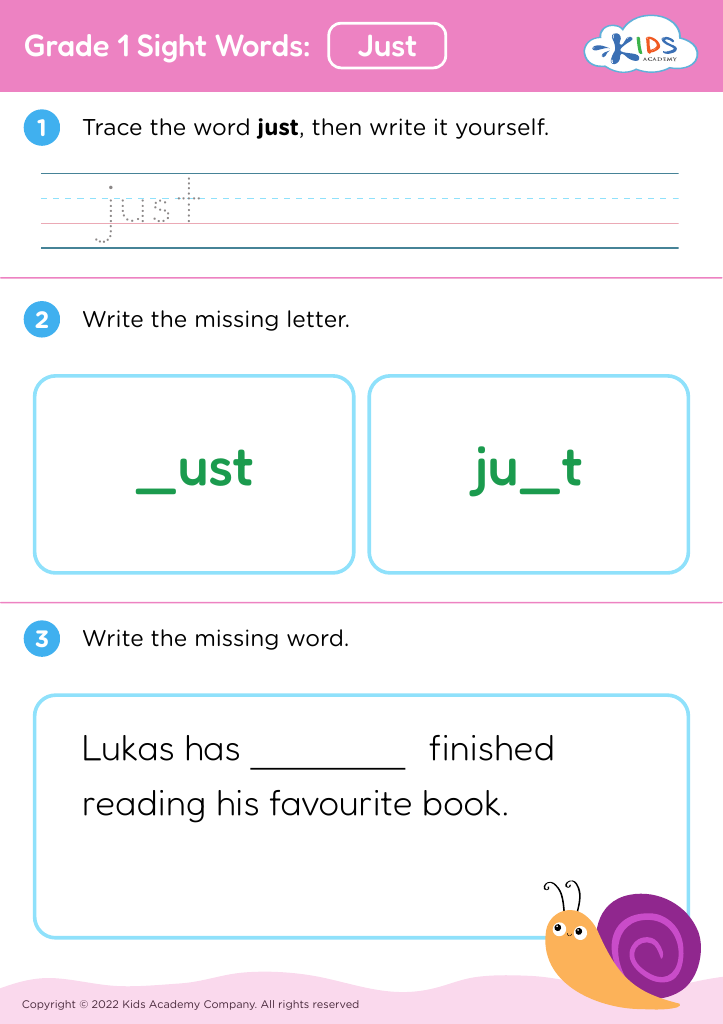










Parents and teachers should care about comparing quantities through sight words for children aged 5-8 because it plays a crucial role in developing foundational literacy and numeracy skills. Comparing quantities fosters critical thinking and problem-solving abilities. As children learn to recognize and use sight words, they become more adept at navigating everyday situations that involve quantities, such as sharing snacks, dividing toys, or understanding basic measurements in cooking.
Furthermore, integrating sight words related to quantities enhances vocabulary and reading comprehension. When children encounter familiar terms in various contexts, they build a stronger word bank, which aids in more fluent reading and comprehension. This, in turn, supports their overall academic performance.
Additionally, grasping the concept of comparing quantities—larger, smaller, more, less—encourages a sense of observation and analytical thinking, essential life skills. It reinforces attributes like patience and the idea of fairness during sharing activities.
Ultimately, focusing on comparing quantities through sight words equips children with the tools they need for effective communication, self-confidence, and a greater understanding of the world around them, laying a strong foundation for lifelong learning and engagement in both reading and mathematics.