Understanding fractions Sight Words Worksheets for Ages 5-8 - Page 3
58 filtered results
-
From - To
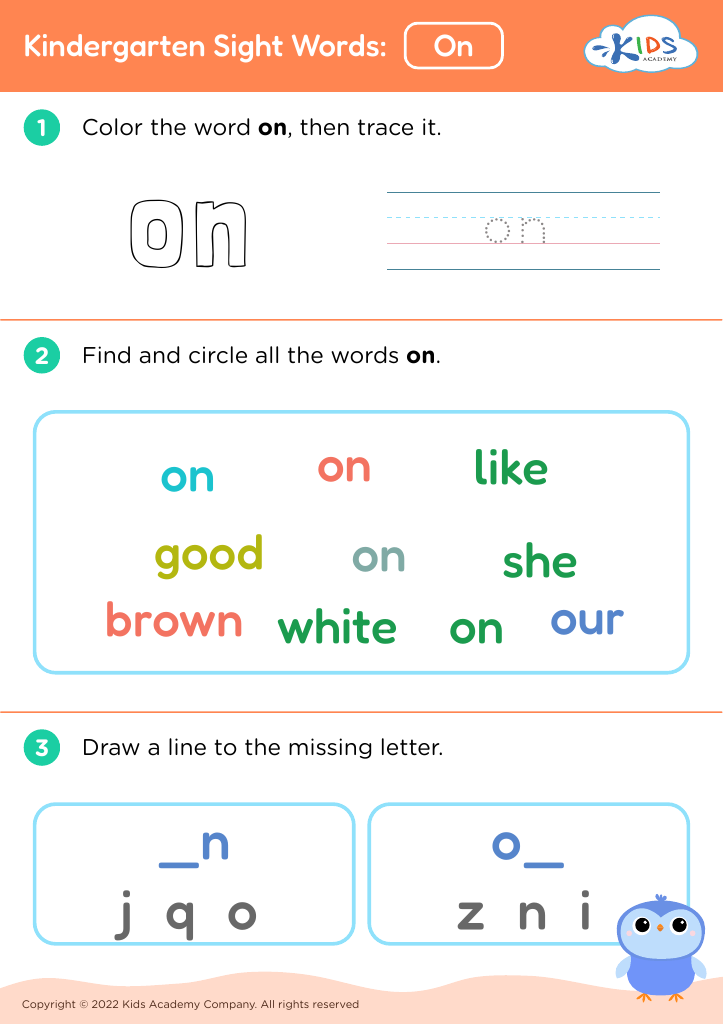


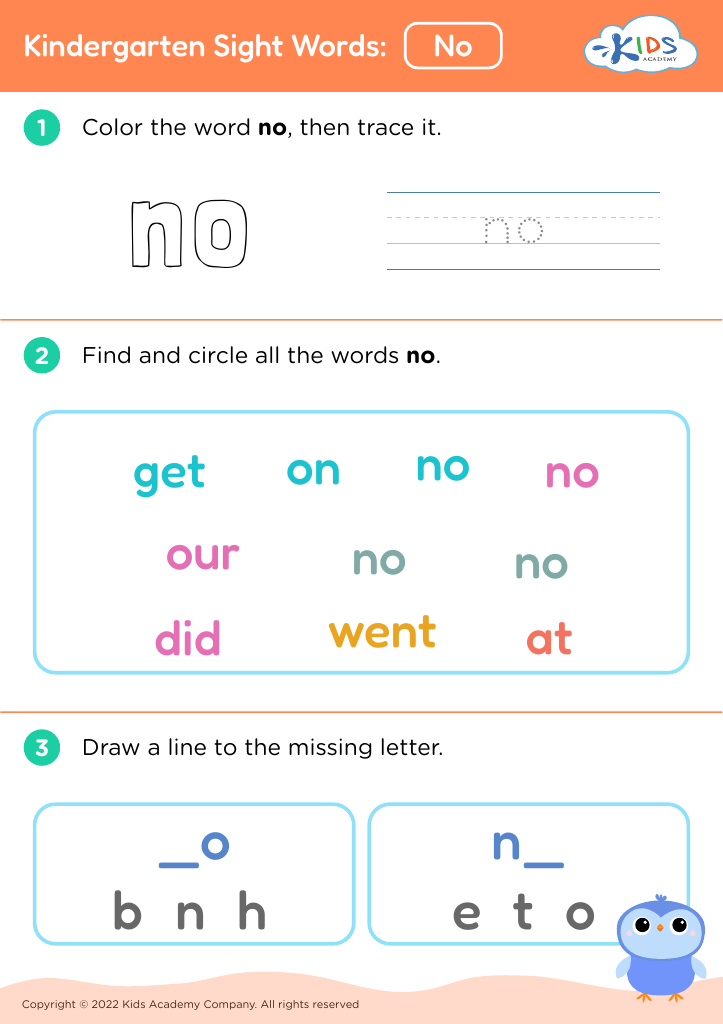
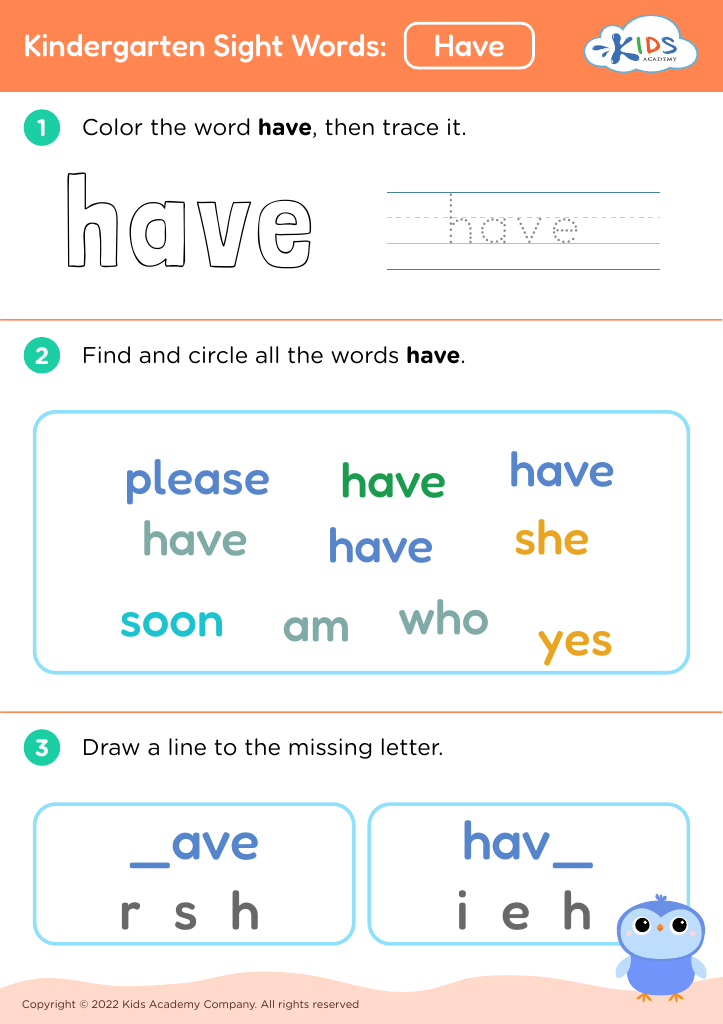
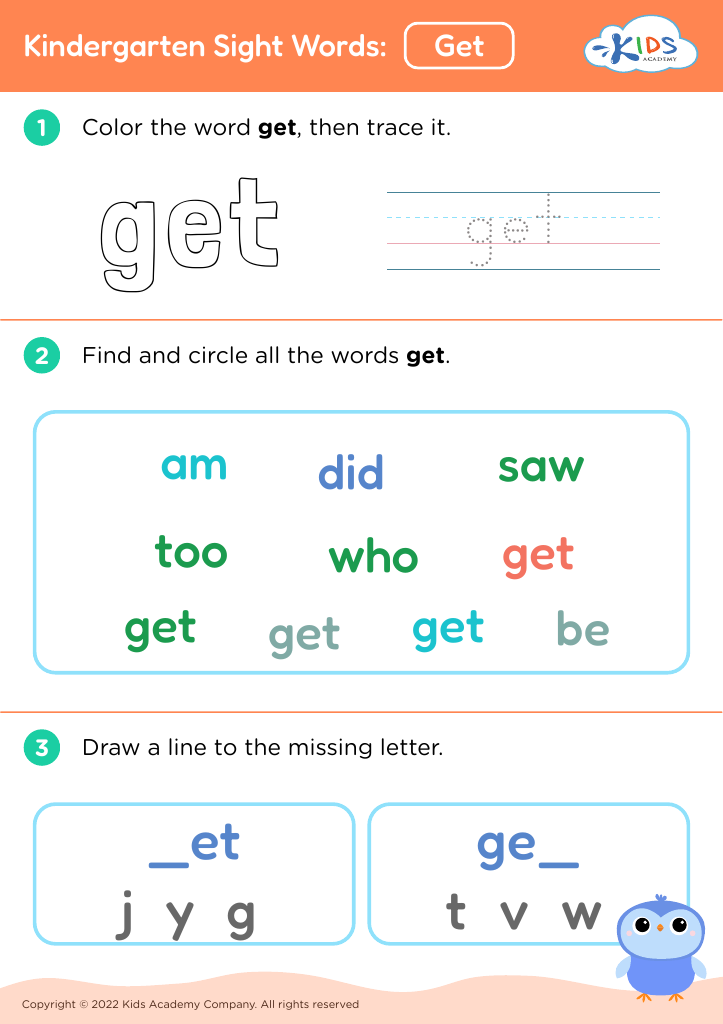
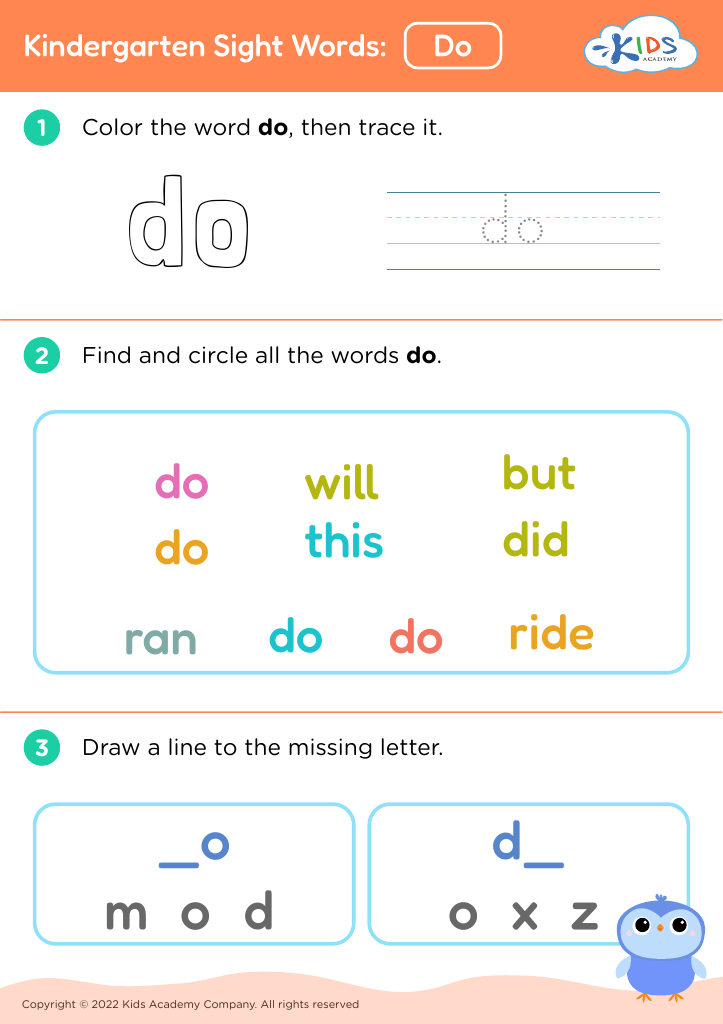
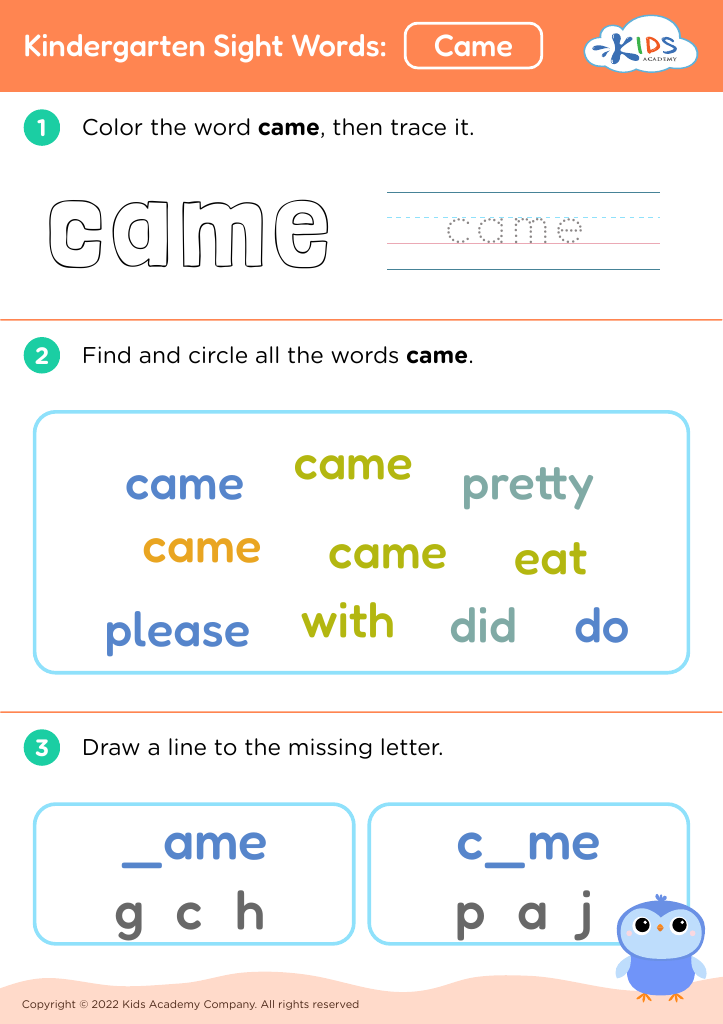
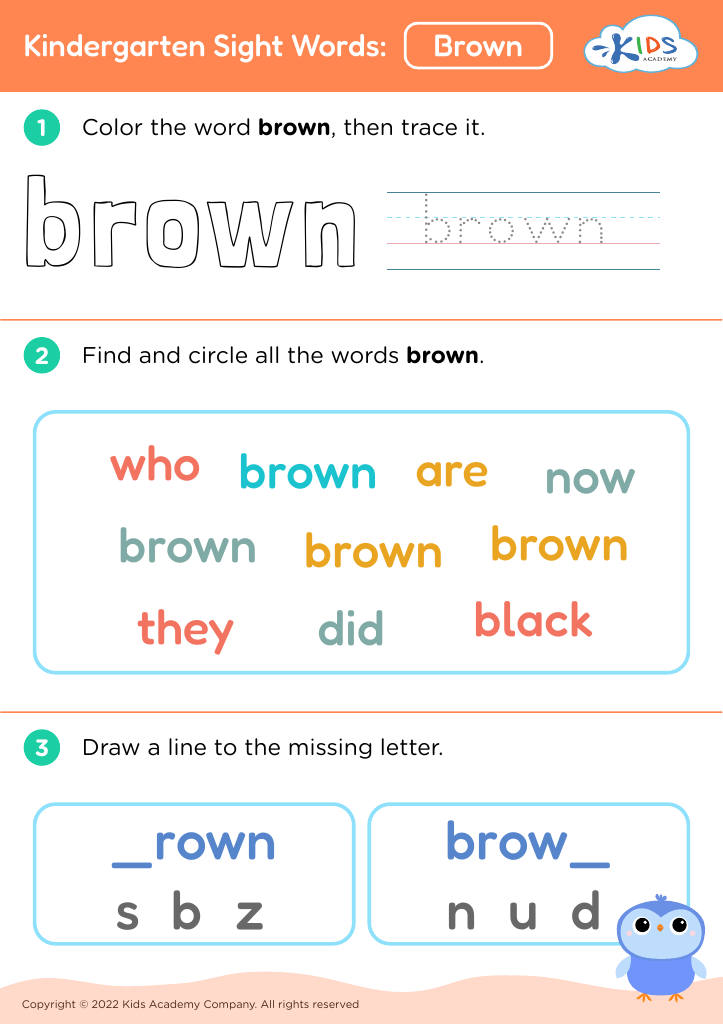
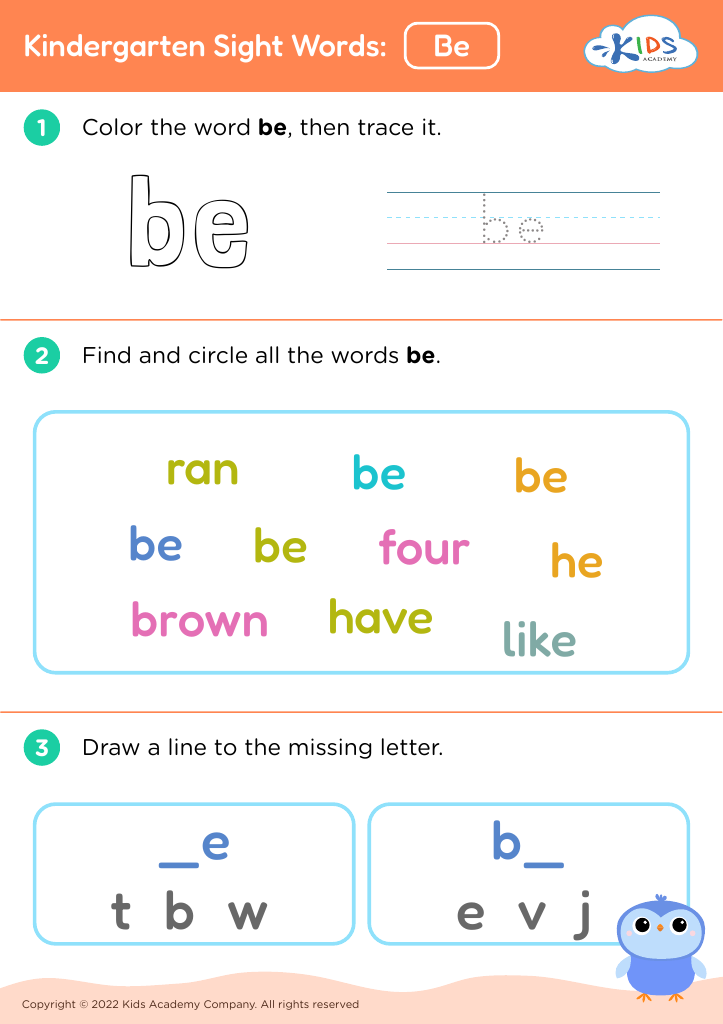
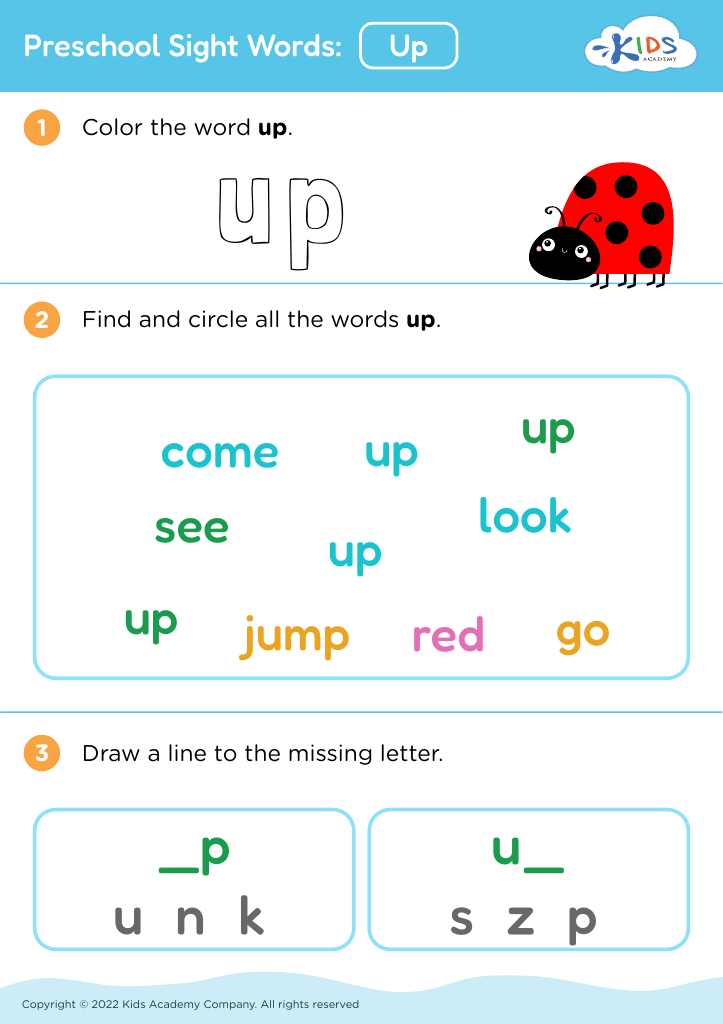
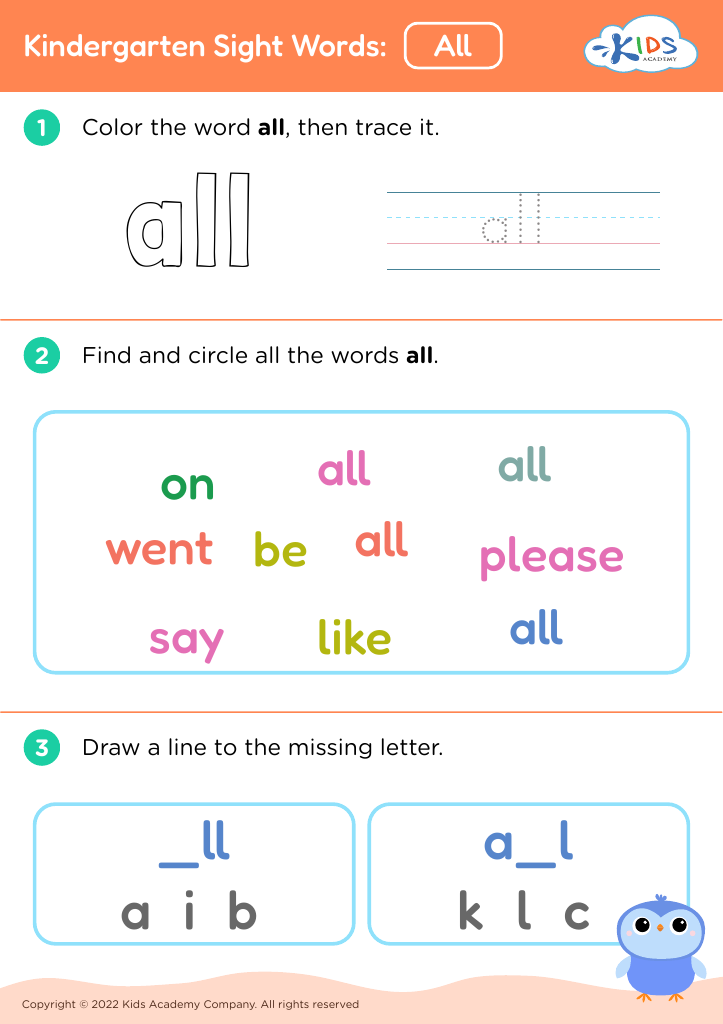








Understanding fractions and sight words is crucial for children ages 5-8, as these concepts form the foundation of their educational development. For parents and teachers, ensuring that children grasp fractions helps them develop critical thinking and problem-solving skills that extend beyond mathematics. Fractions introduce concepts of division, parts of a whole, and comparisons, which are essential for real-world applications, such as cooking, sharing, and measuring.
As for sight words, these are integral to reading fluency and comprehension. Mastering sight words allows children to read more quickly and confidently, which in turn fosters a love for reading. Recognizing common words without hesitation enhances their overall literacy, enabling them to engage with more complex texts sooner.
When parents and teachers show enthusiasm and support for these areas, they can create a positive learning environment that encourages exploration and curiosity. This early investment in fundamental skills will not only improve academic performance but also build a strong foundation for lifelong learning. Ultimately, an understanding of fractions and sight words empowers children to navigate their world more effectively, setting them up for success in future educational pursuits.