Understanding patterns Sight Words Worksheets for Ages 5-8
8 filtered results
-
From - To
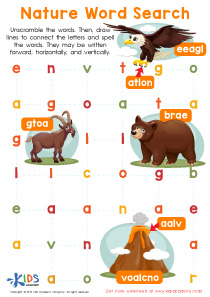
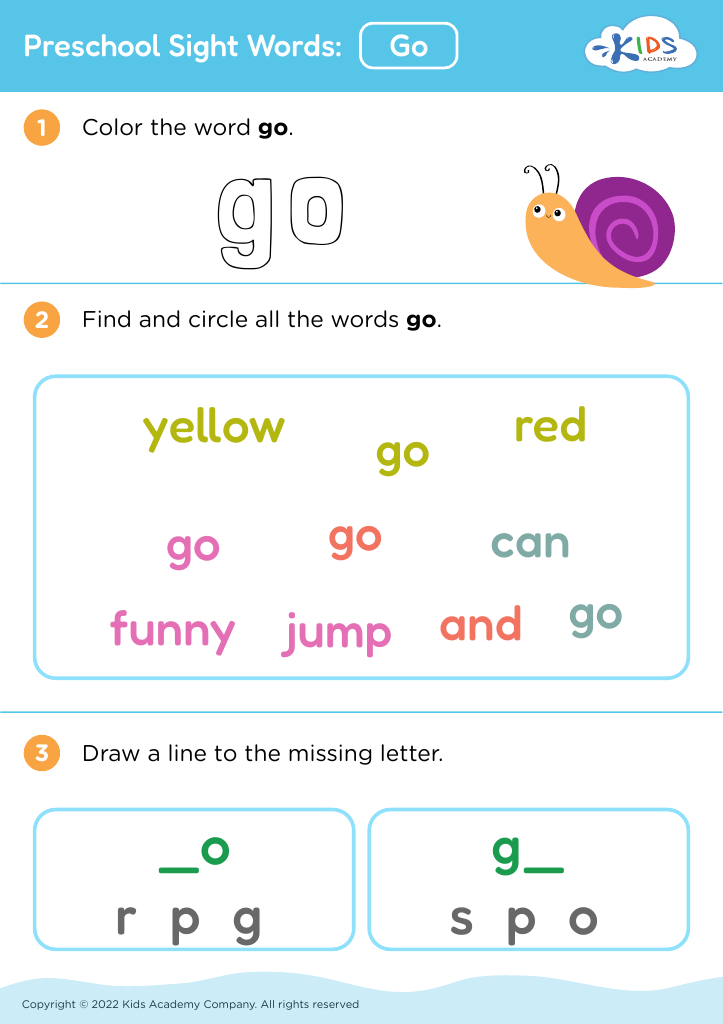
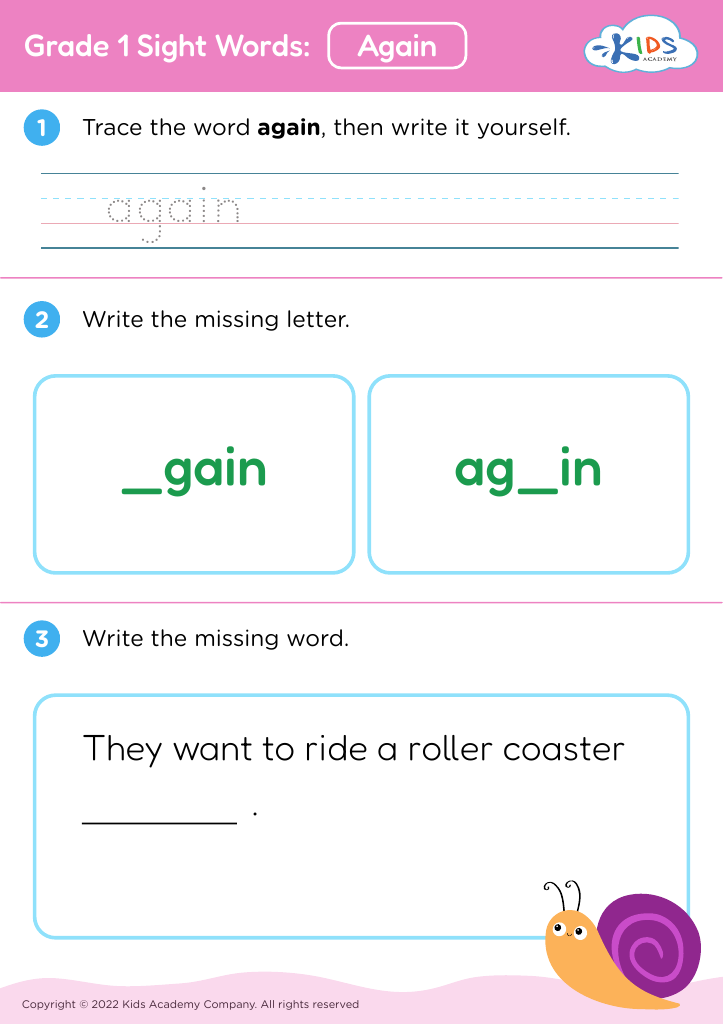
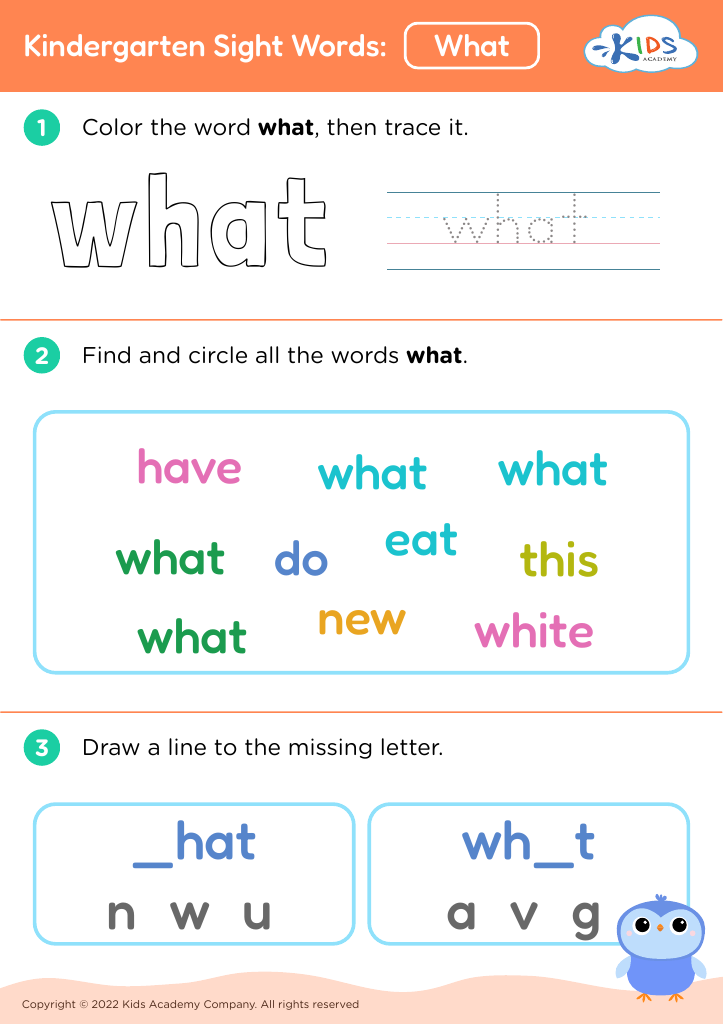
Discover the power of patterns with “Understanding Patterns Sight Words Worksheets for Ages 5-8”. Designed by educators at Kids Academy, these engaging worksheets enhance reading skills by familiarizing young learners with essential sight words. Perfect for kindergarten to second grade, the worksheets use fun, repetitive patterns that help children recognize and remember words more efficiently. Through consistent practice, kids build confidence and fluency in reading, paving the way for future academic success. Dive into an educational adventure that merges learning with fun and gives your child the advantage they deserve in mastering sight words.
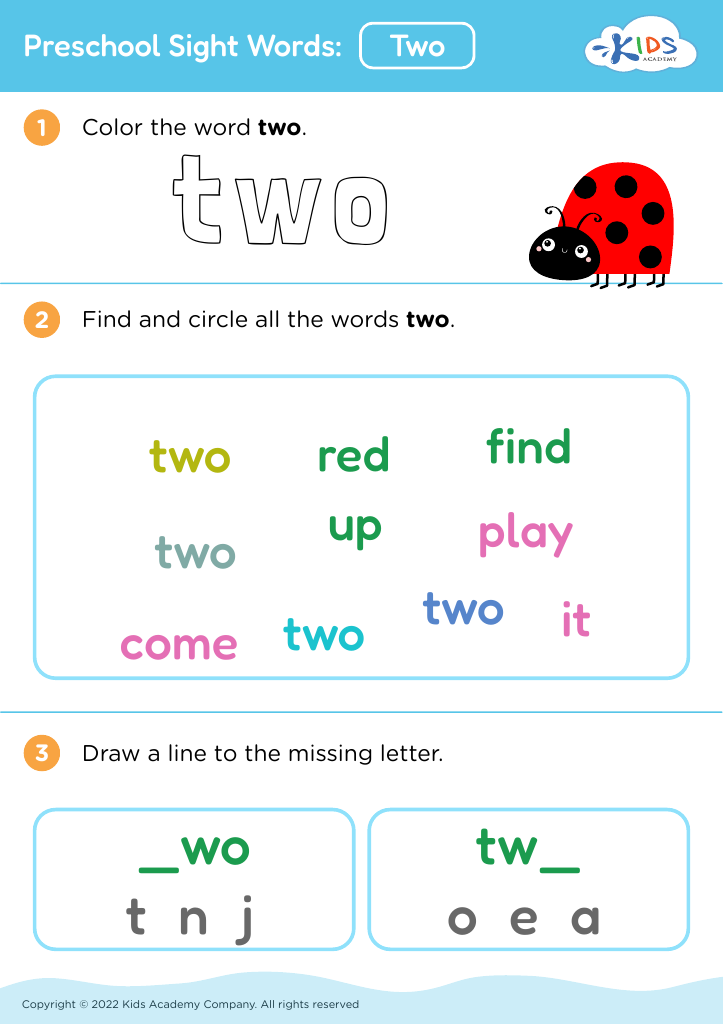









Understanding patterns and sight words is crucial for children aged 5-8 for several key reasons. Firstly, comprehension of patterns forms the foundation of logical thinking and problem-solving skills. In both math and literacy, patterns help children predict what comes next, enhancing their ability to understand sequences and relationships in numbers and letters. This early introduction to structured thinking prepares children for more complex concepts in higher grades.
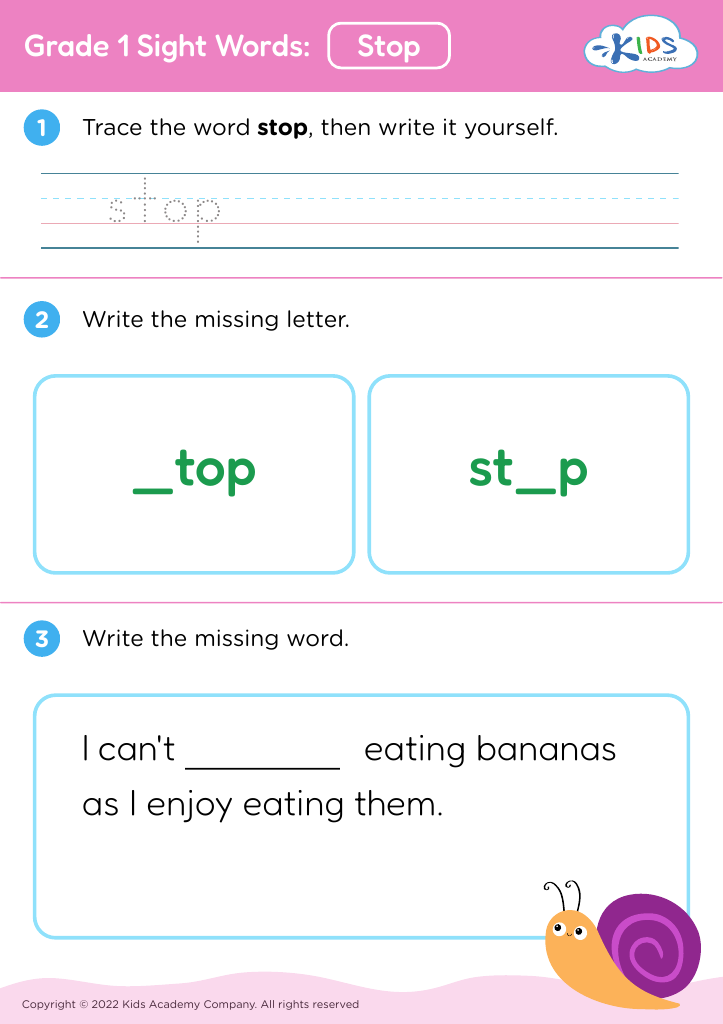
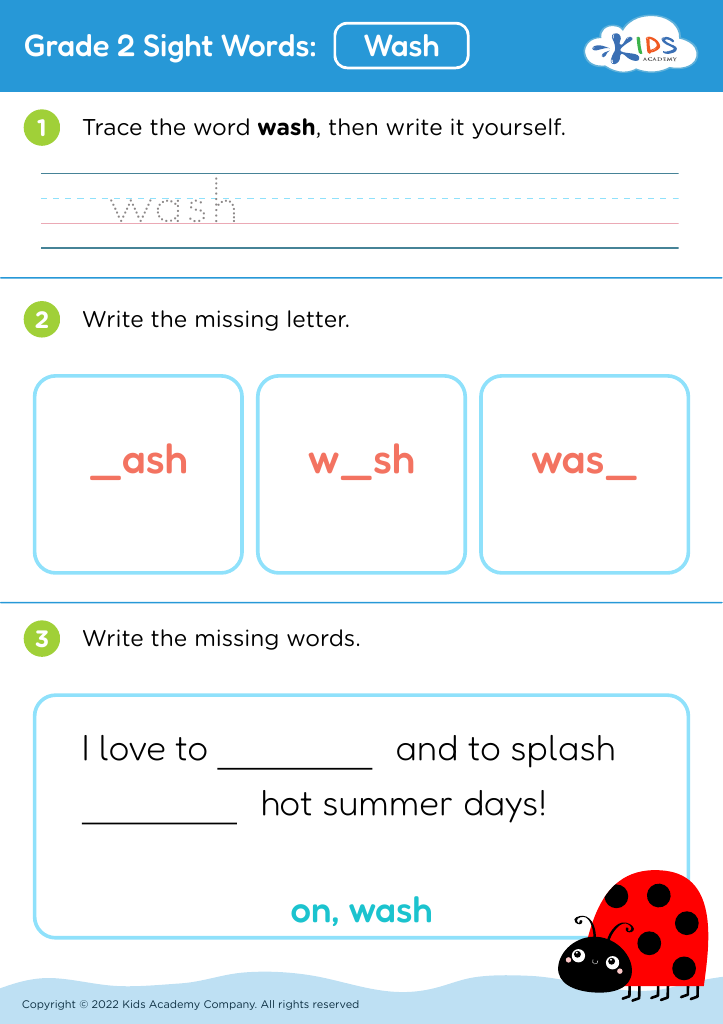
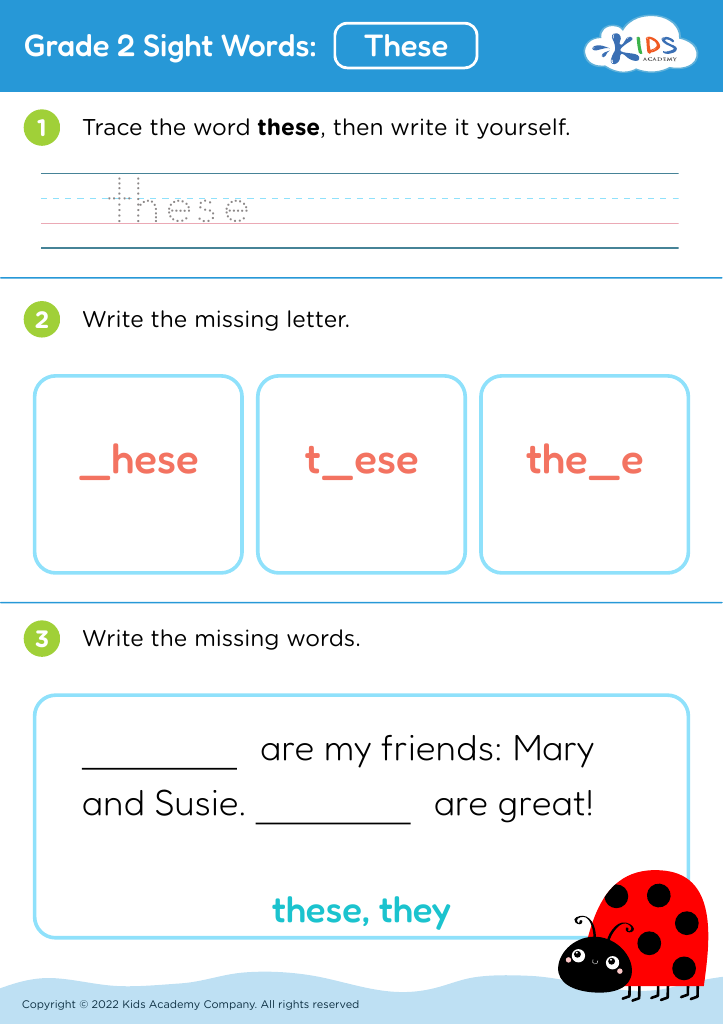
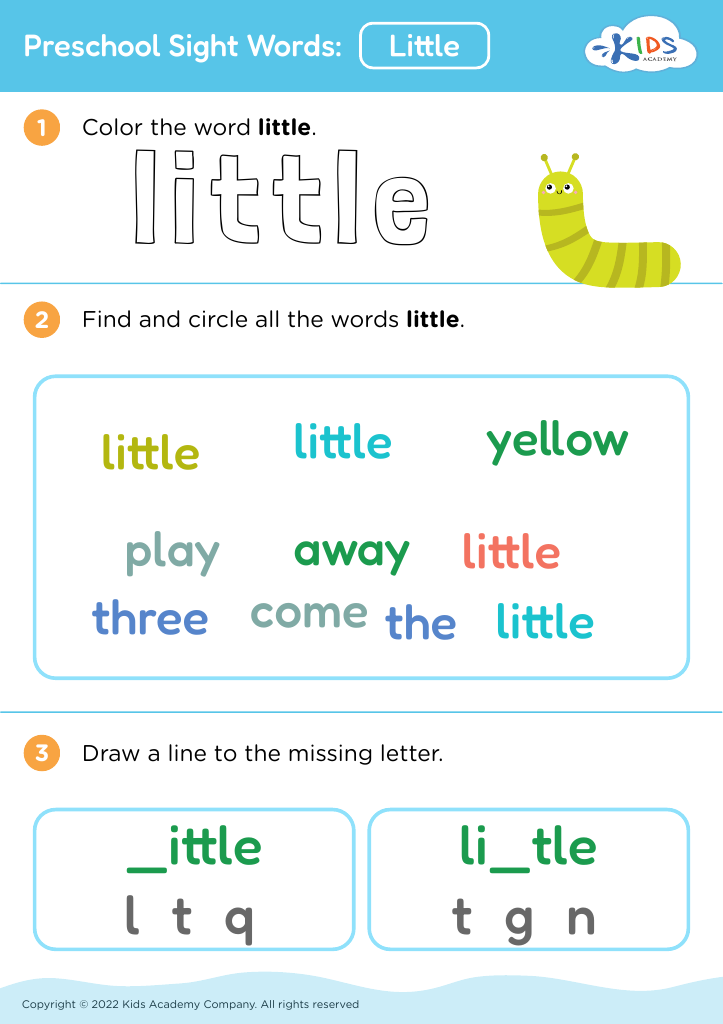
On the other hand, sight words are the high-frequency words that appear in texts, which children are encouraged to recognize instantly without sounding them out. Mastering sight words is essential because they often do not follow standard phonetic rules and are pivotal in developing reading fluency. When children can quickly recognize sight words, they can read more smoothly and comprehend texts better, boosting their confidence and fostering a love for reading.
Collectively, a focus on patterns and sight words enables better cognitive development, quicker learning abilities, and stronger academic performance. Parents and teachers who prioritize these aspects prepare children not just for the requirements of the current curriculum, but also give them vital tools for lifelong learning and intellectual growth.