Understanding food chains Animals Worksheets for Ages 5-8
3 filtered results
-
From - To
Explore our engaging "Understanding Food Chains" worksheets, specially designed for children aged 5-8! These activities introduce young learners to the fascinating connections between plants, animals, and their environments in simple, relatable terms. With vibrant illustrations and easy-to-follow instructions, kids will grasp the concept of producers, consumers, and decomposers while having fun. Our worksheets foster curiosity about ecosystems and encourage critical thinking as students categorize animals, complete food chain diagrams, and discover the roles different organisms play. Perfect for homeschooling or classroom settings, these resources make learning about science enjoyable and accessible for young minds. Start your adventure in food chains today!
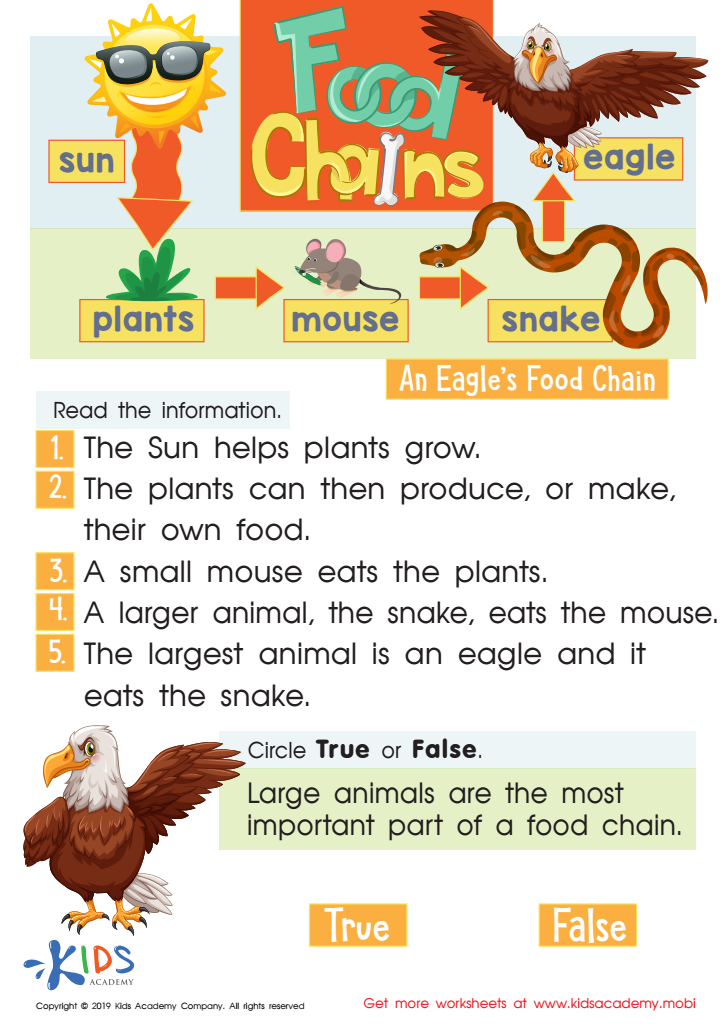
Food Chains Worksheet
 Assign to My Students
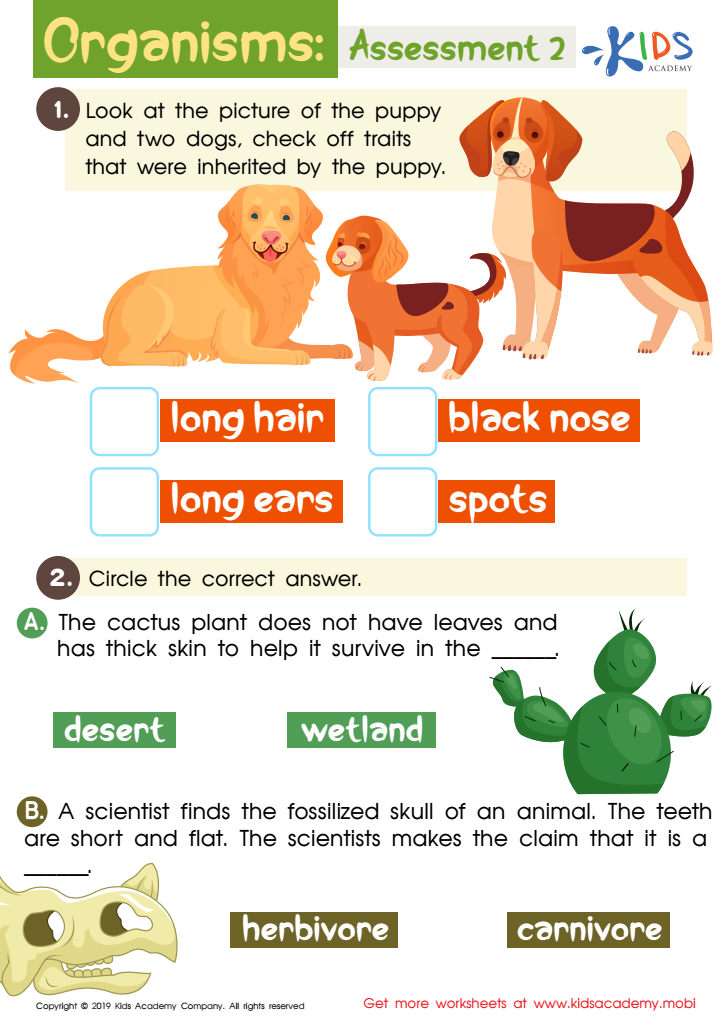
Organisms: Assessment 2 Worksheet
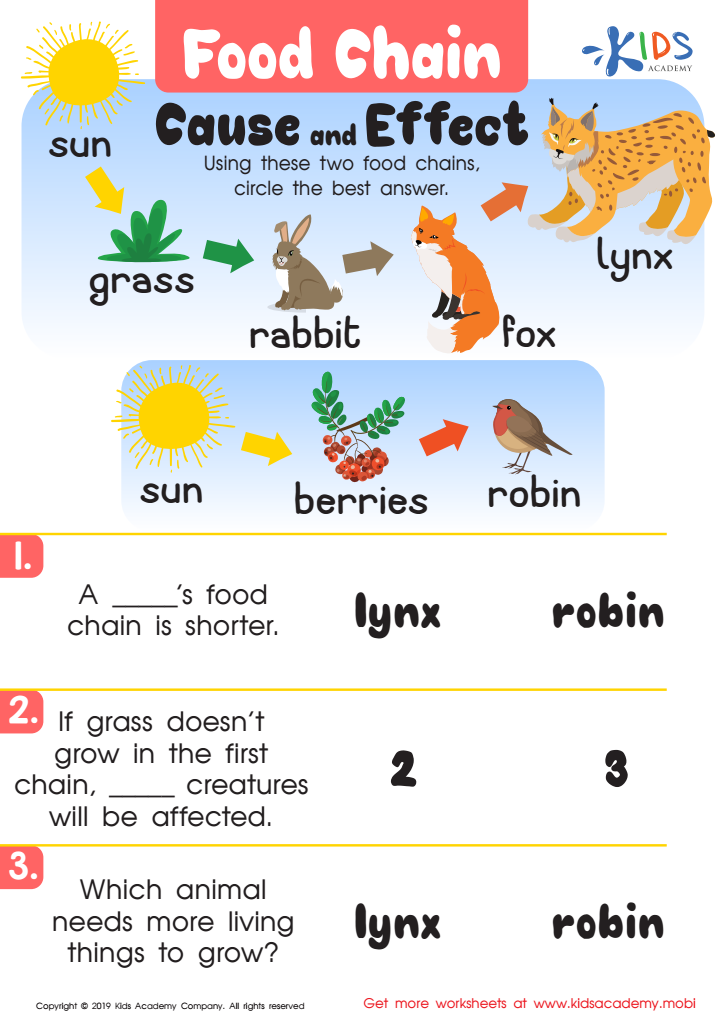
Food Chain Cause Worksheet





%20(1).jpg)

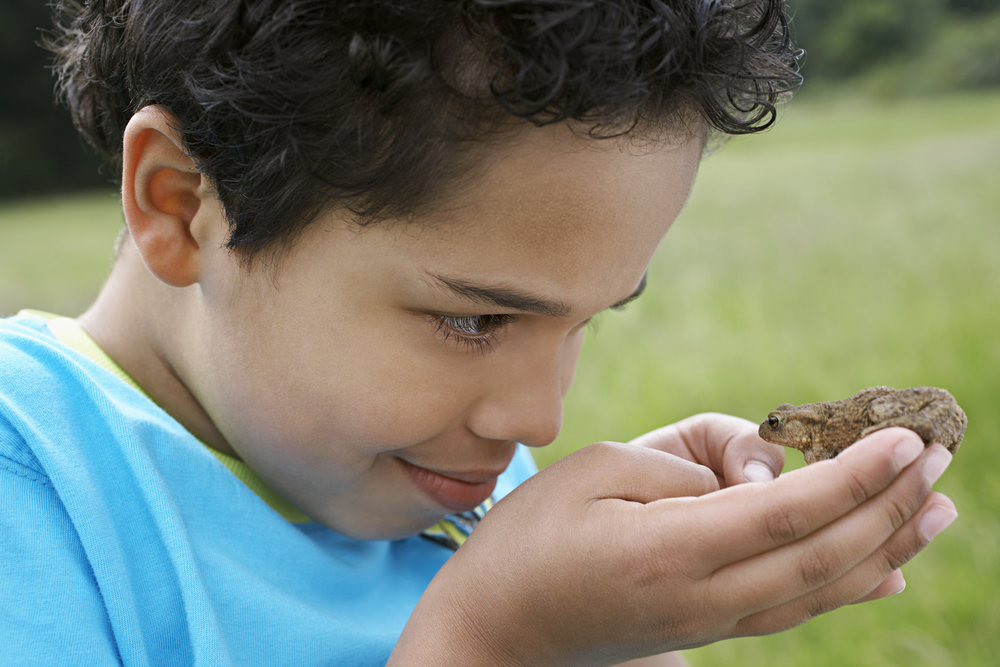
Understanding food chains is crucial for children aged 5-8 as it lays the groundwork for their comprehension of ecosystems and environmental interconnections. Teaching young learners about food chains helps them grasp the concept of how energy and nutrients move through an ecosystem, emphasizing the roles of producers, consumers, and decomposers.
By illustrating these relationships, children develop a sense of stewardship toward nature. They learn that every organism plays a vital role in maintaining balance within the environment. This understanding can foster empathy towards animals and plants, encouraging them to be more conscious of their actions, such as conservation practices and respecting wildlife.
Moreover, discussing food chains can enhance scientific literacy, promoting critical thinking and observation skills. Activities like creating food chain diagrams or participating in interactive games stimulate engagement and curiosity, making science accessible and fun.
When parents and teachers prioritize understanding food chains, they equip children with knowledge that influences their attitudes and behaviors towards the environment, nurturing a generation that values sustainability. Ultimately, fostering this early science education benefits both individual growth and collective ecological wellbeing.








