Vocabulary development Animals Worksheets for Ages 5-8
4 filtered results
-
From - To
Enhance your child's vocabulary with our engaging Animals Worksheets designed specifically for ages 5-8! Our fun and interactive resources help young learners discover the fascinating world of animals while expanding their language skills. Each worksheet includes vibrant illustrations and stimulating activities that promote word recognition, comprehension, and creative expression. Discover a variety of topics, from farm animals to wildlife, ensured to captivate your child's imagination. With these worksheets, kids can learn new animal-related vocabulary in an enjoyable way, supporting their overall literacy development. Perfect for homeschooling, classroom settings, or extra practice at home, our worksheets make learning an exciting adventure!
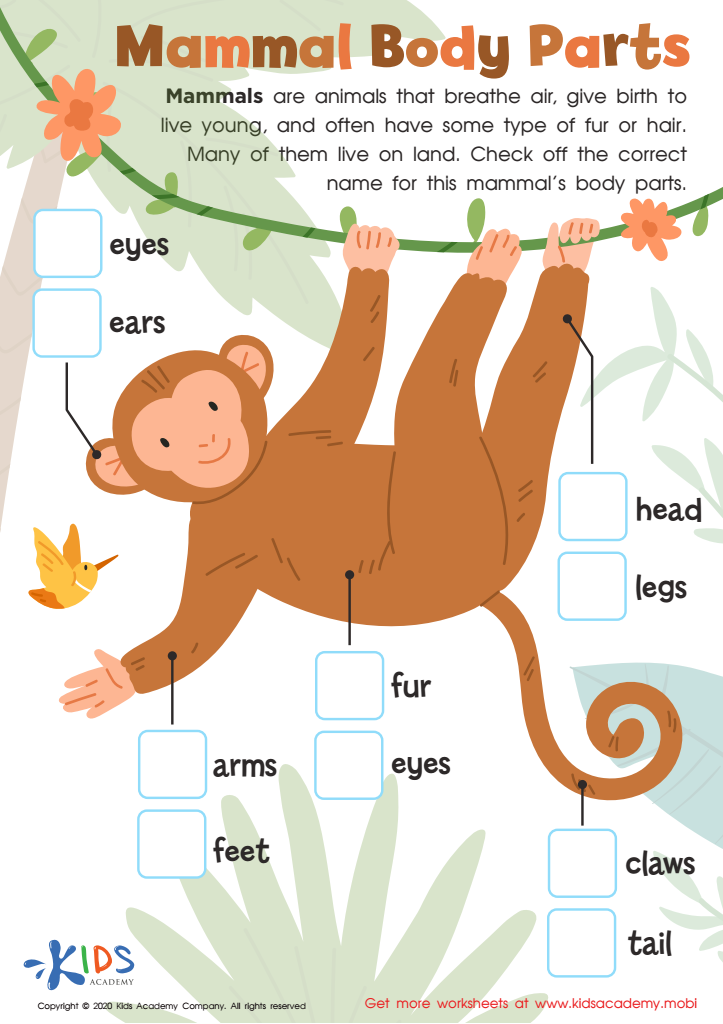
Mammal Body Parts Worksheet
 Assign to My Students
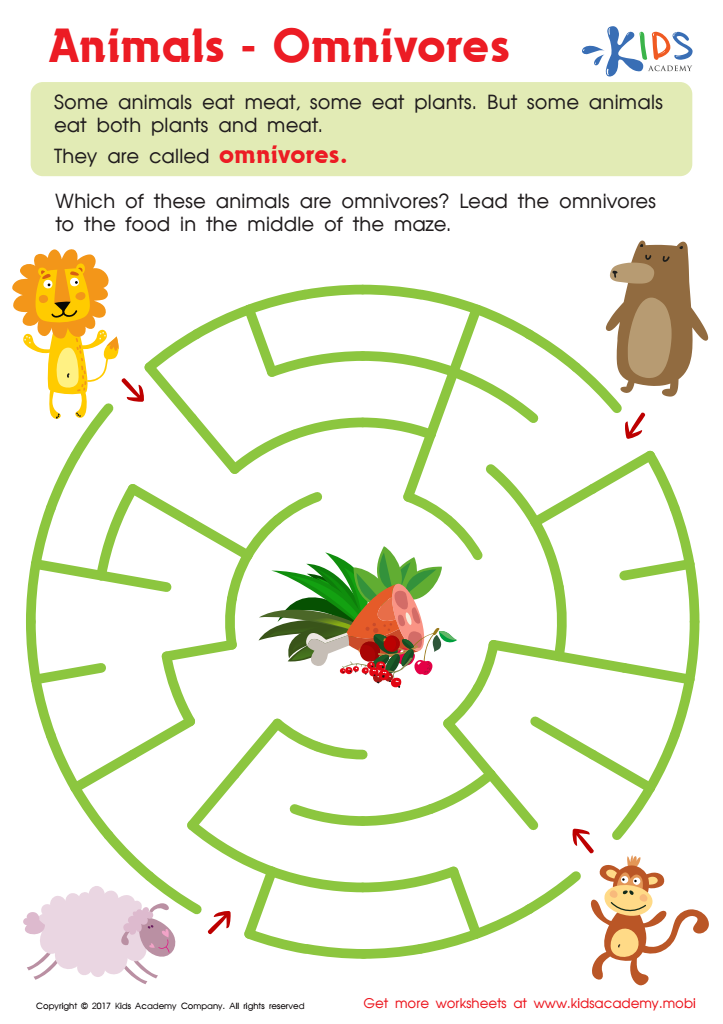
Omnivores Animals Worksheet
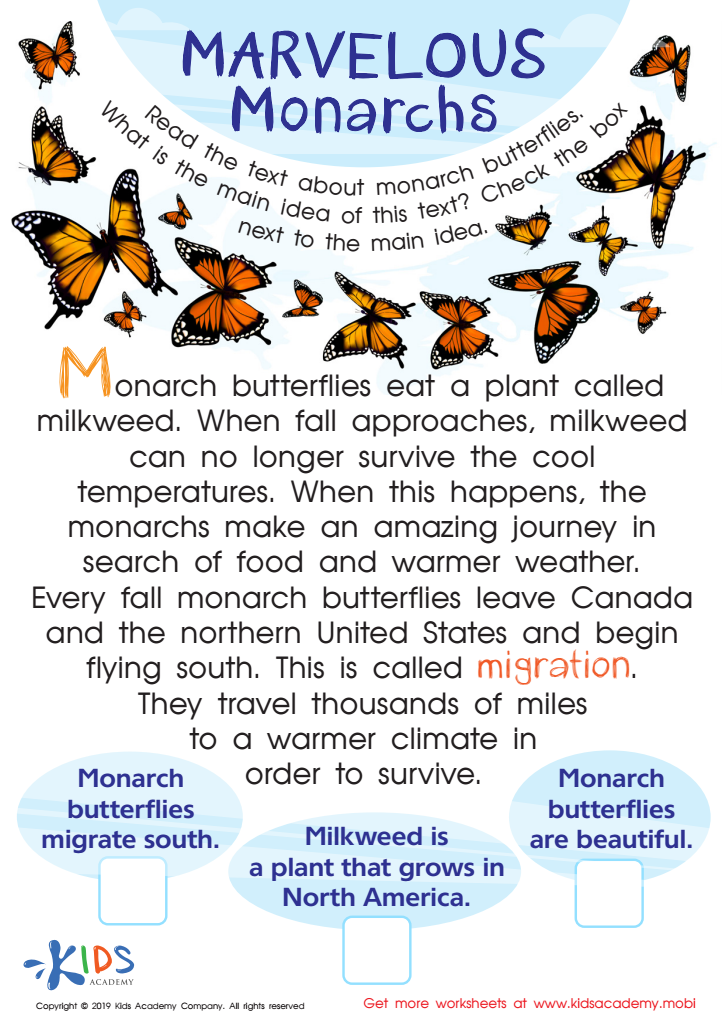
Marvelous Monarchs Worksheet
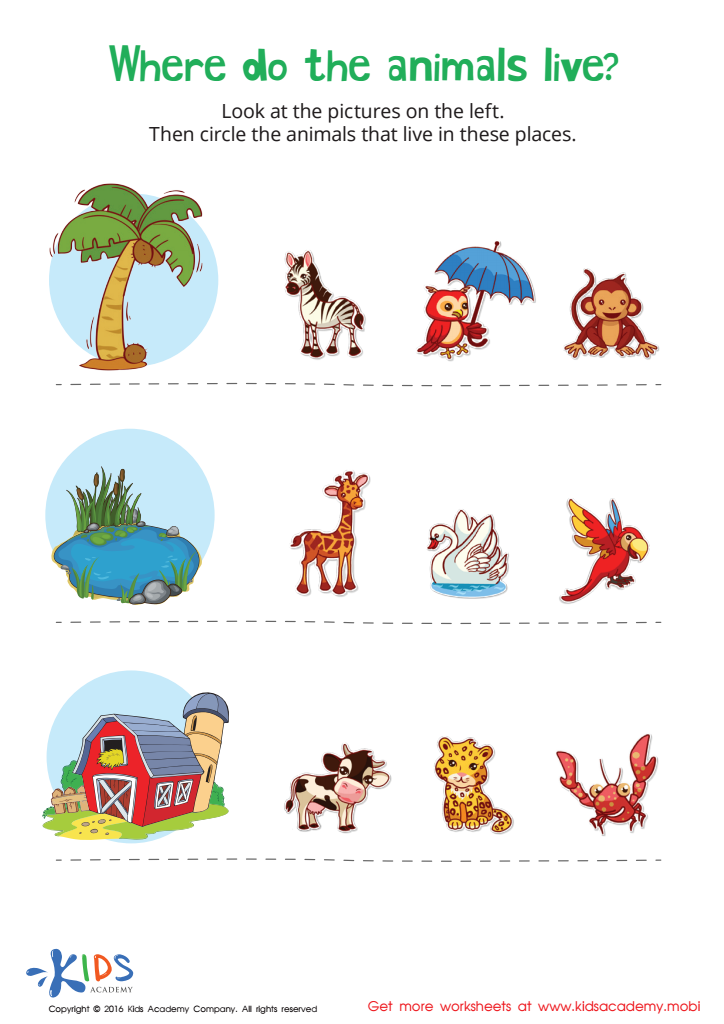
Where Animals Live Worksheet





%20(1).jpg)


Vocabulary development in young children, particularly regarding animal terminology, is crucial for several reasons. First, understanding animal vocabulary enhances children's language skills, which are foundational for effective communication. For children aged 5-8, this age is pivotal for learning to express their thoughts clearly and concisely.
Additionally, learning about animals cultivates curiosity and prompts inquiry-based learning. Children are naturally drawn to animals, so incorporating animal vocabulary can foster engagement and encourage exploration of various subjects like science and conservation. This connection can help make learning more relatable and enjoyable.
Furthermore, a rich vocabulary enables children to comprehend and articulate concepts about their environment and the world beyond, promoting critical thinking. Understanding terms related to animals allows for discussions about habitats, ecosystems, and the importance of conservation, encouraging empathy towards living beings and fostering responsible citizenry.
Finally, strong vocabulary skills are essential for academic success. Children who possess an extensive vocabulary are often better readers and writers, equipping them for future learning challenges. Therefore, parents and teachers should prioritize vocabulary development in the choice of topics and activities, embracing the unique enthusiasm children have for animals to enhance their learning experience.








