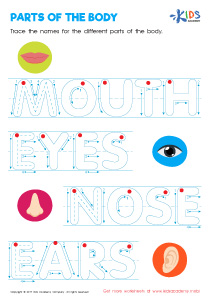
Counting practice World Around Us Worksheets for Ages 5-8
3 filtered results
-
From - To
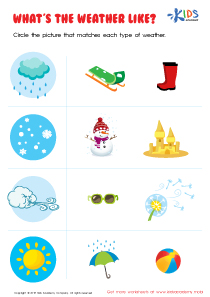
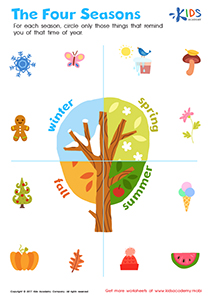
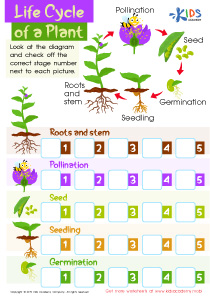
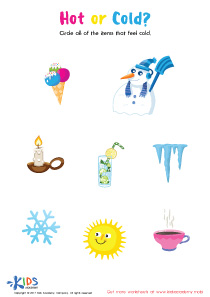
Discover the exciting "Counting Practice World Around Us Worksheets for Ages 5-8," designed to make learning to count fun and engaging! These educational worksheets offer a creative blend of real-world themes and vivid illustrations to captivate young minds. Perfect for children aged 5 to 8, our worksheets help develop essential counting and number recognition skills through enjoyable activities and relatable scenarios. From counting animals to recognizing everyday objects, these printable resources are perfect for reinforcing math learning at home or in the classroom. Foster a love for numbers and the world around them with our expert-designed counting practice worksheets.
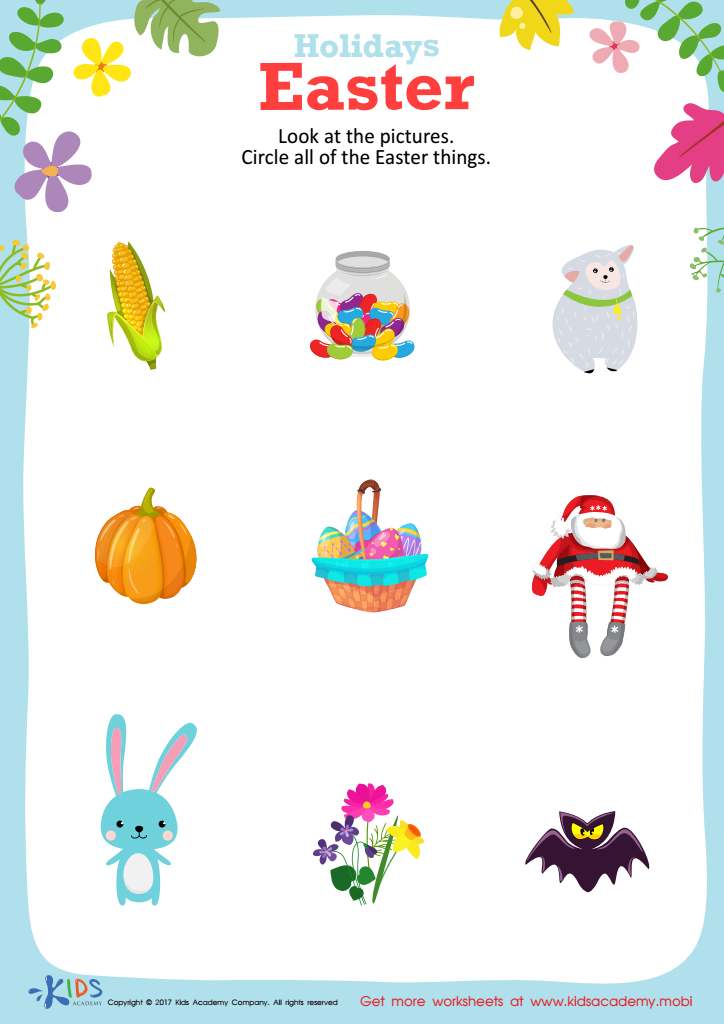
Easter Holiday Printable
 Assign to My Students
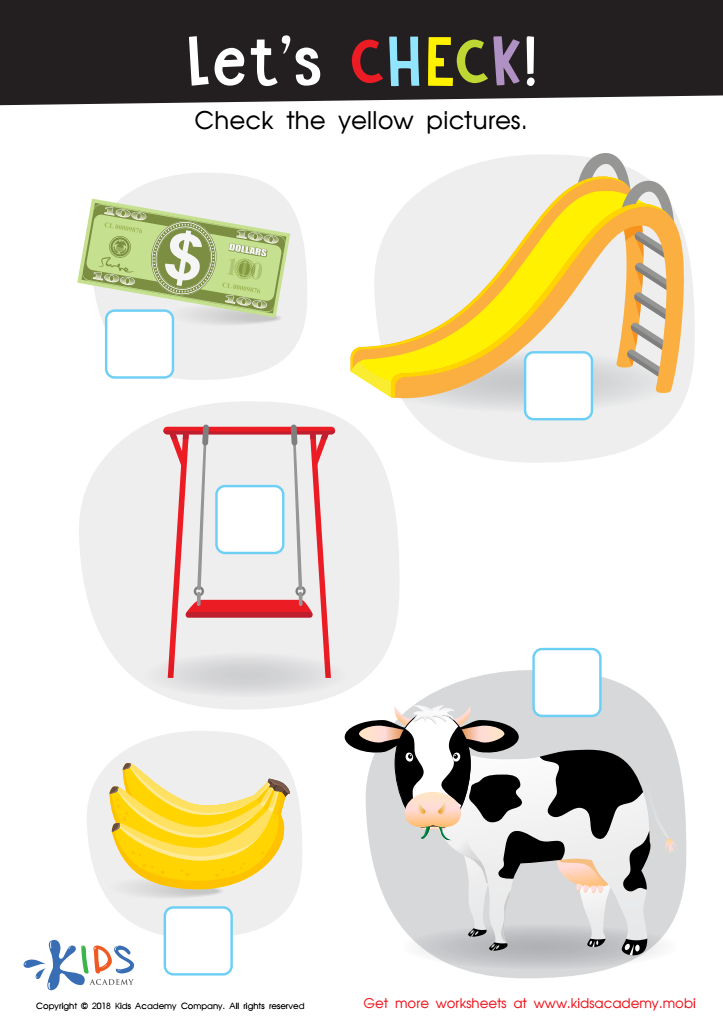
Let's Check! Worksheet
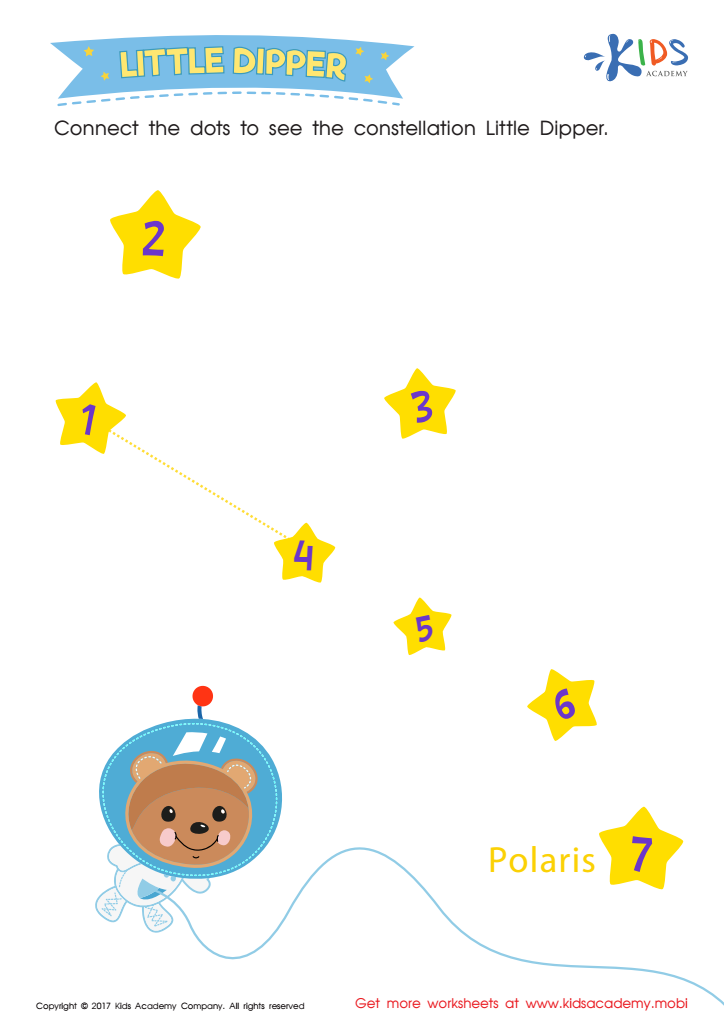





Counting practice integrated into the "World Around Us" for children aged 5-8 is crucial for fostering early numeracy skills that form the foundation for all future math learning. Engaging with real-world objects and scenarios helps young learners understand the practical application of numbers, making abstract mathematical concepts concrete and relatable. For instance, counting apples during a grocery trip or identifying the number of legs on different animals directly connects numerical knowledge to everyday life.
This method enhances cognitive development by encouraging critical thinking and problem-solving skills. When children encounter and solve real-life math problems, they build confidence and curiosity about numbers. Furthermore, incorporating counting into daily routines helps solidify memory retention and strengthens the ability to recall number facts quickly.
Additionally, these activities can be naturally integrated into various subjects, promoting interdisciplinary learning. For instance, while counting leaves during a nature walk, children also learn about plant biology, fostering a holistic educational experience.
Moreover, involving parents in these counting exercises at home creates a supportive learning environment and nurtures a positive attitude towards math from an early age. Recognizing the interconnectedness of numbers and daily life lays the groundwork for children, helping them become proficient, enthusiastic learners well-equipped for future academic challenges.