Weather Vocabulary Weather Worksheets for Ages 5-8
3 filtered results
-
From - To
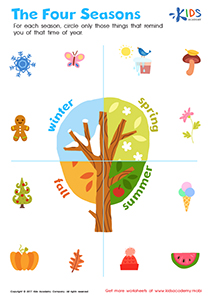
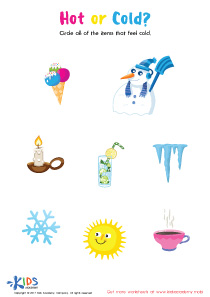
Discover our engaging Weather Vocabulary Worksheets designed specifically for children aged 5-8! These interactive printables help young learners explore the fascinating world of weather through fun activities and exercises. Kids will enhance their vocabulary as they identify different weather types, connect words with images, and practice descriptive language related to seasons and atmospheric conditions. Our worksheets promote critical thinking and creativity while making learning enjoyable. Perfect for classrooms or at-home learning, these resources encourage children to observe and discuss the weather in their everyday lives. Explore the joys of weather vocabulary with our thoughtfully crafted worksheets today!
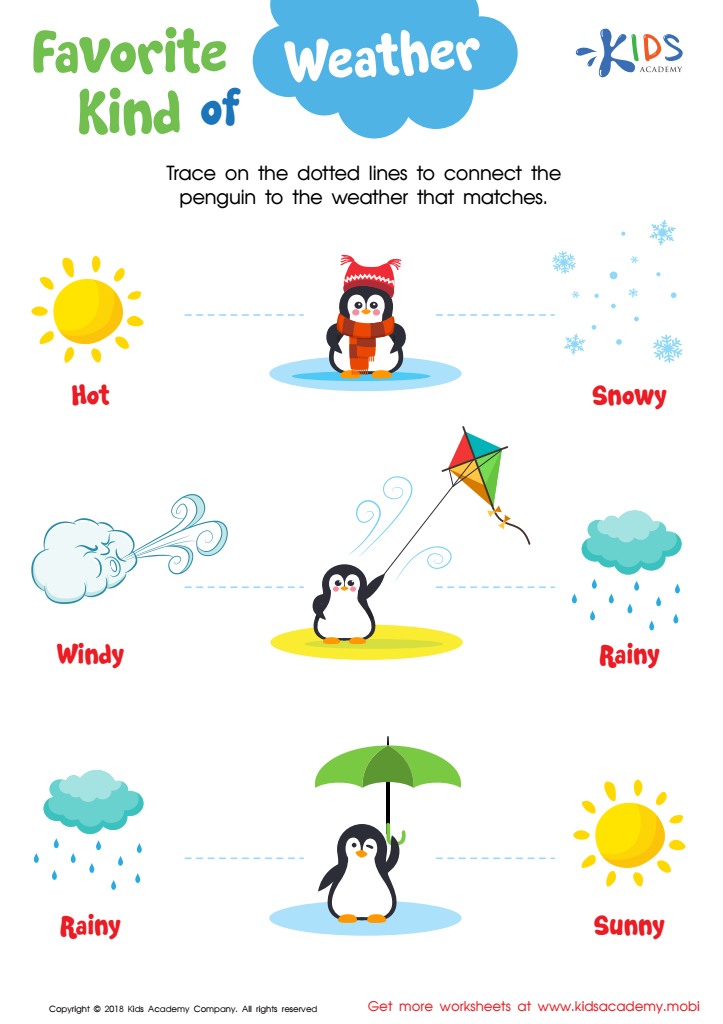
Favorite Kind of Weather Worksheet
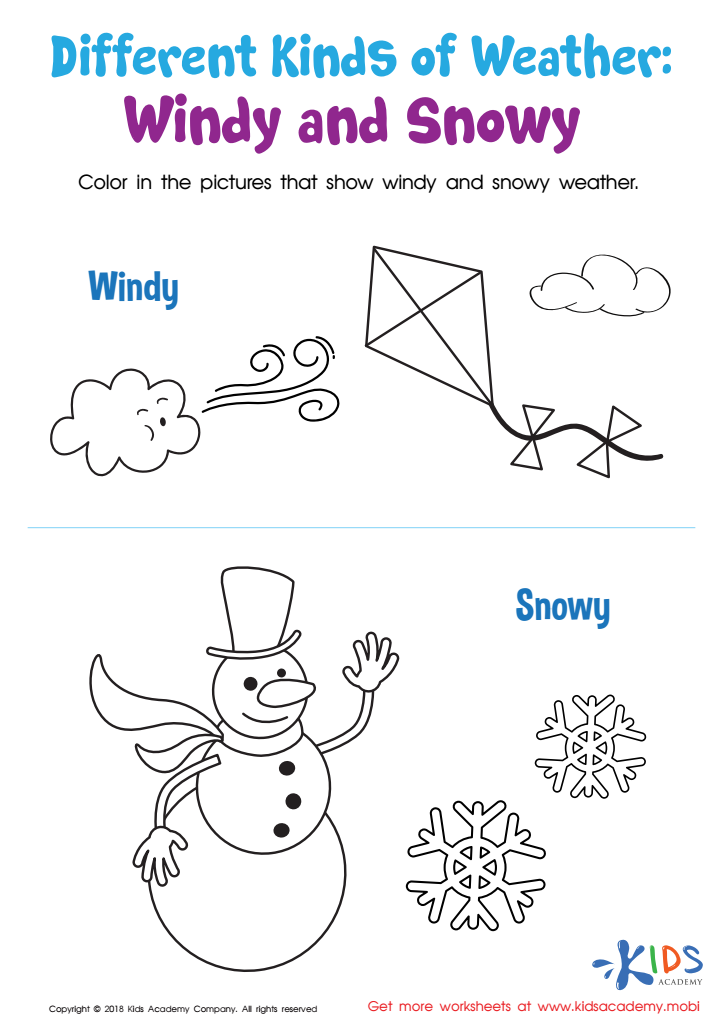
Different Kinds of Weather: Windy and Snowy Worksheet
 Assign to My Students





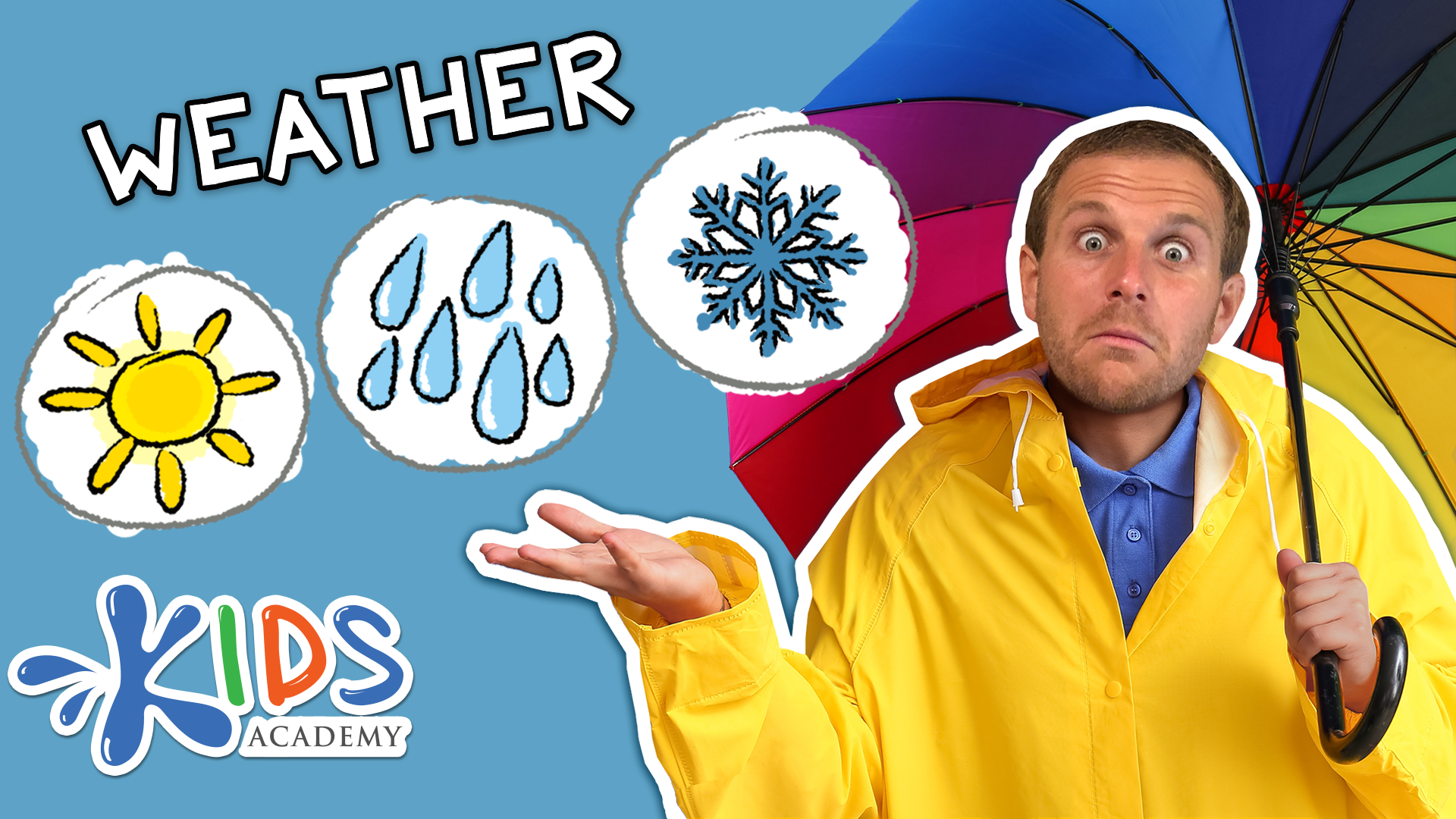


Parents and teachers should care about weather vocabulary for children aged 5-8 because it plays a crucial role in their cognitive and language development. Understanding weather-related terms helps young learners make sense of their environment and fosters their curiosity about the world around them. When children learn words like "sunny," "rainy," "stormy," and "cloudy," they enhance their descriptive language skills, enabling them to communicate more effectively and express their observations.
Furthermore, weather vocabulary serves as a practical foundation for developing critical thinking skills. By discussing weather patterns, children begin to make connections between cause and effect, enhancing their ability to analyze information. Incorporating weather vocabulary into daily discussions can also encourage interactive learning experiences. For instance, activities like observing the weather and talking about what clothing is appropriate for different conditions allow for hands-on learning.
Additionally, knowledge of weather vocabulary can promote safety awareness. Teaching children how to identify severe weather conditions and the appropriate responses fosters responsibility and readiness. Ultimately, equipping young learners with weather vocabulary supports their overall language acquisition, critical thinking, and safety skills, making it a vital area of focus for both parents and teachers in early education.