Logical thinking Grammar Worksheets for Ages 5-8
4 filtered results
-
From - To
Enhance your child's grammar skills with our engaging Logical Thinking Grammar Worksheets designed for ages 5-8! These worksheets combine essential grammar lessons with fun, logical thinking activities that make learning enjoyable. Focused on building foundational skills, our resources help children develop critical thinking, improve sentence structure, and understand language concepts. With colorful visuals and interactive exercises, kids will love exploring grammar through logic puzzles and challenges. Perfect for both classroom use and at-home learning, our worksheets ensure your young learner gains confidence in grammar while sharpening their analytical skills. Foster a love for language with our exciting and educational resources today!
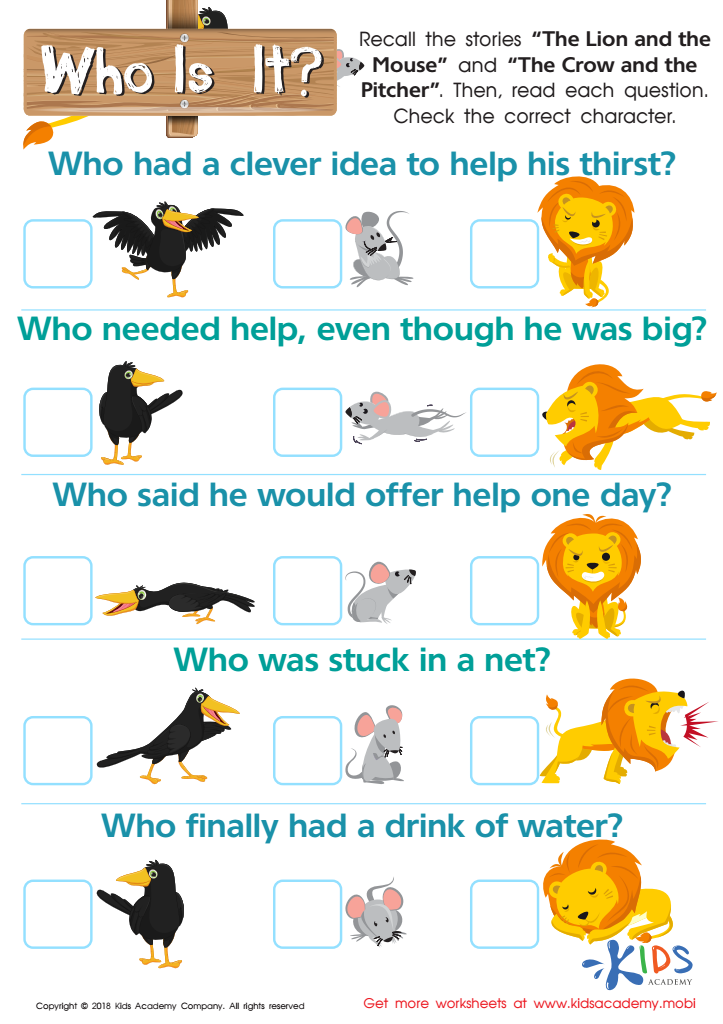
Who Is It? Worksheet
 Assign to My Students
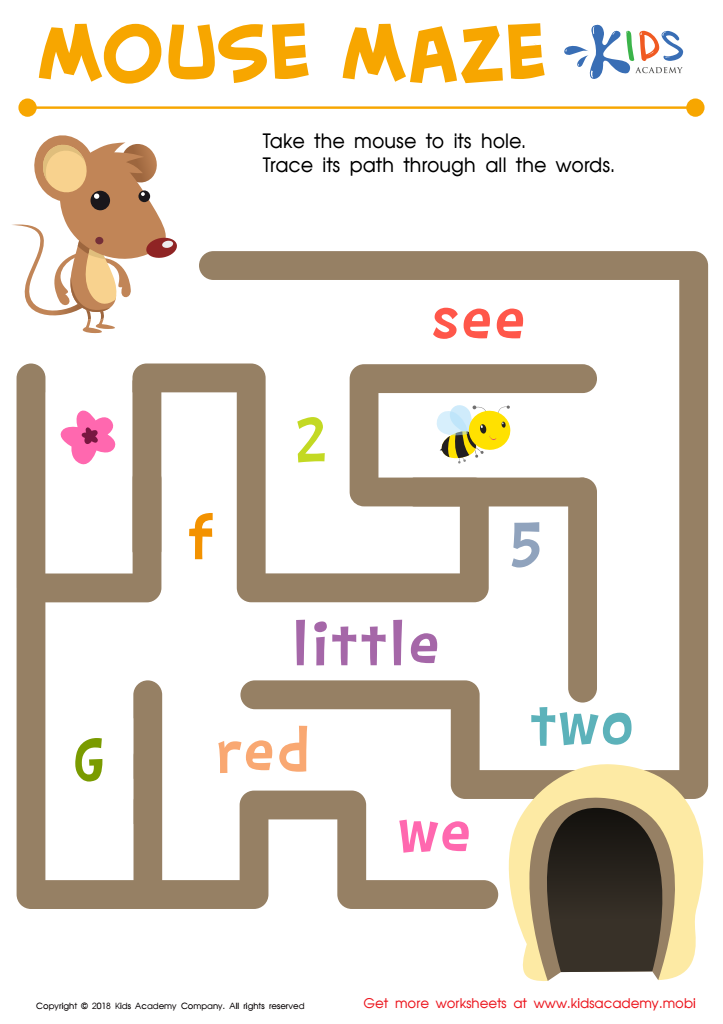
Find Words Mouse Maze Worksheet
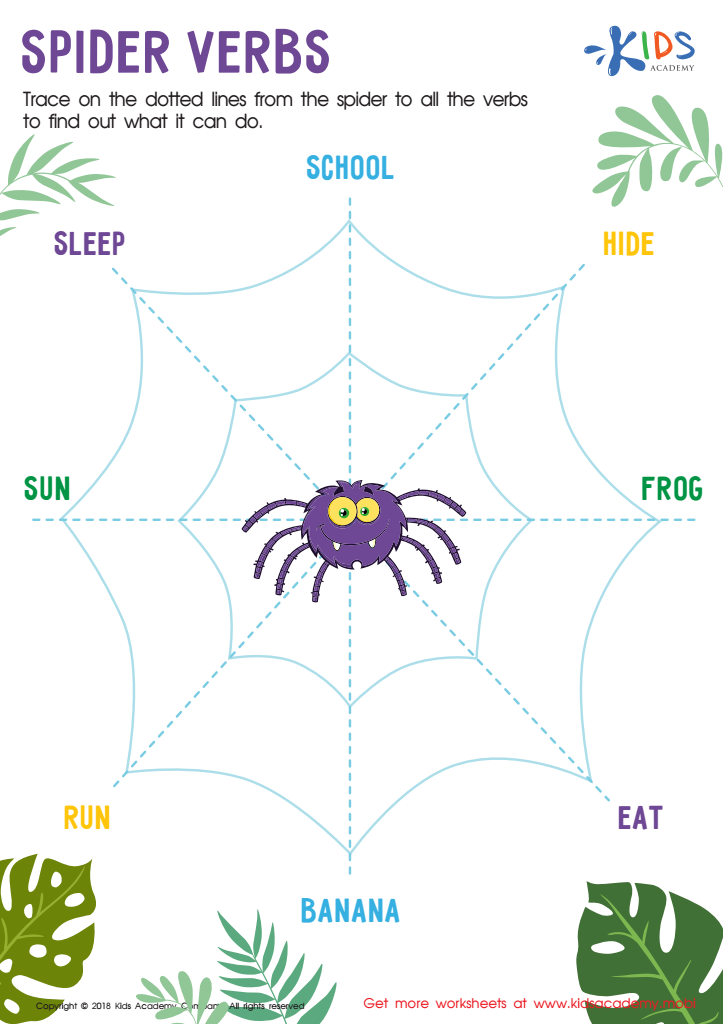
Spider Verbs Worksheet
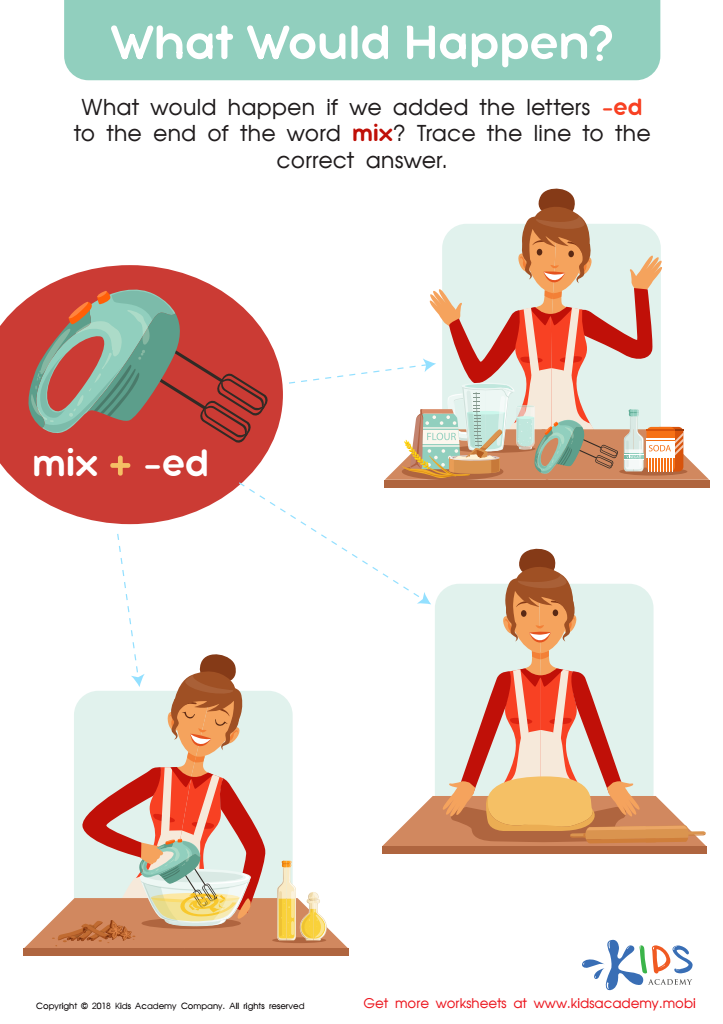
What Would Happen? Worksheet





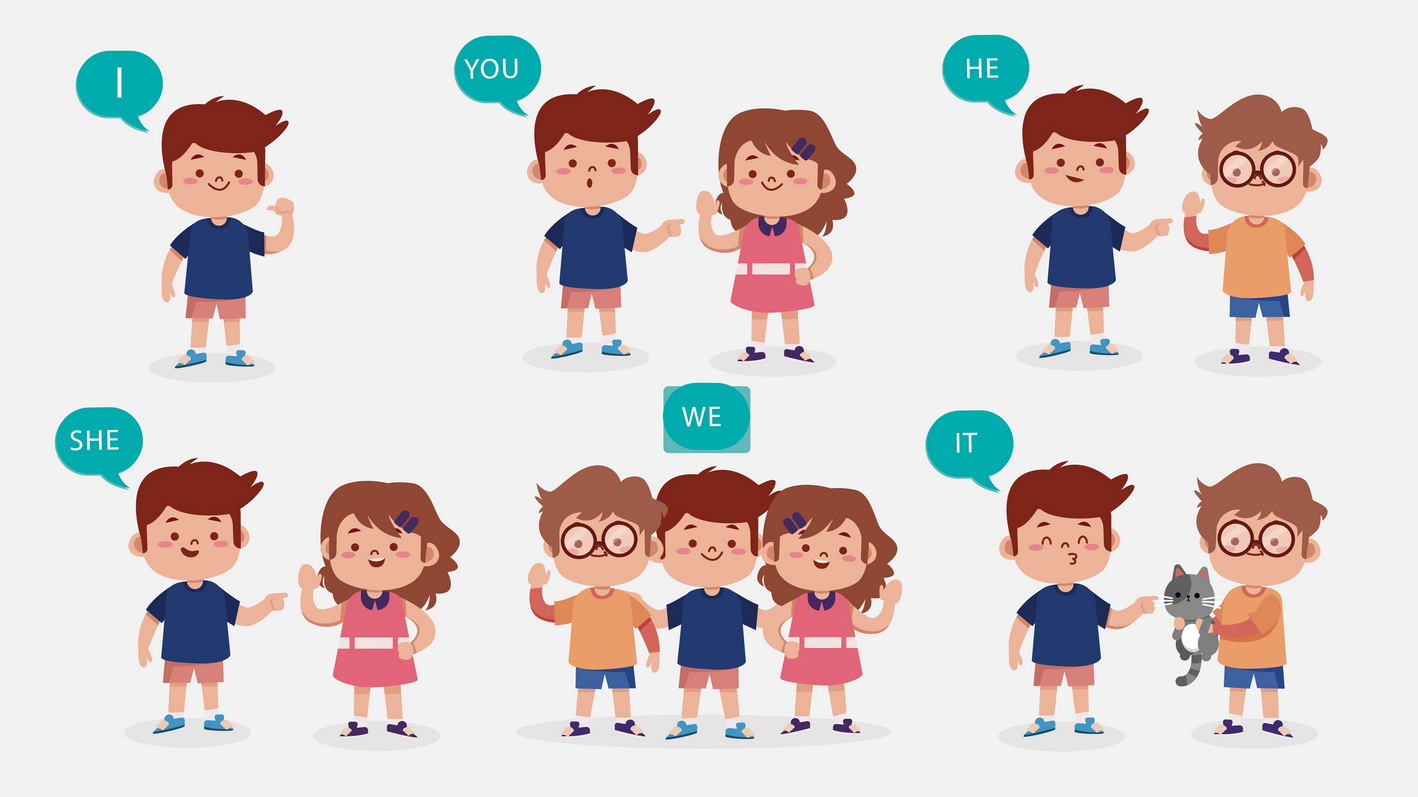


Logical thinking grammar, especially for children aged 5-8, is crucial for several reasons. At this developmental stage, children are naturally curious and eager to understand the world around them. By focusing on logical thinking grammar, parents and teachers can help children construct coherent thoughts, develop reasoning skills, and enhance their communication abilities. This foundation is essential for both academic success and effective interpersonal interactions.
Children learn to organize their ideas, make connections between concepts, and draw conclusions—skills that are fundamental not only for language arts but also for subjects like math and science. For example, understanding cause and effect relationships allows children to follow a narrative in reading and enhances their problem-solving capabilities in math.
Moreover, fostering logical thinking contributes to a greater confidence in expression. When children can articulate their thoughts clearly and logically, they are more likely to participate actively in discussions and classroom activities.
In summary, nurturing logical thinking grammar in young children builds essential communication skills, promotes cognitive development, and lays the groundwork for lifelong learning and critical thinking. Parents and teachers play a pivotal role in guiding this process, making it an important focus during these formative years.








