Alphabet Recognition ABC Letters Worksheets for Ages 5-9 - Page 2
31 filtered results
-
From - To
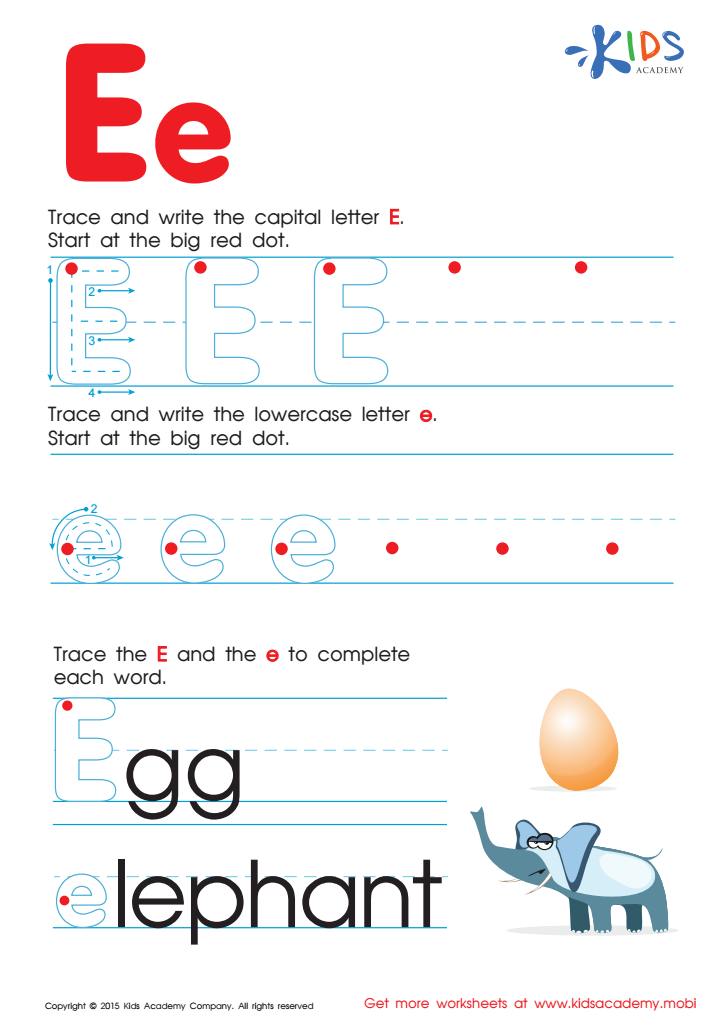
Letter E Tracing Page







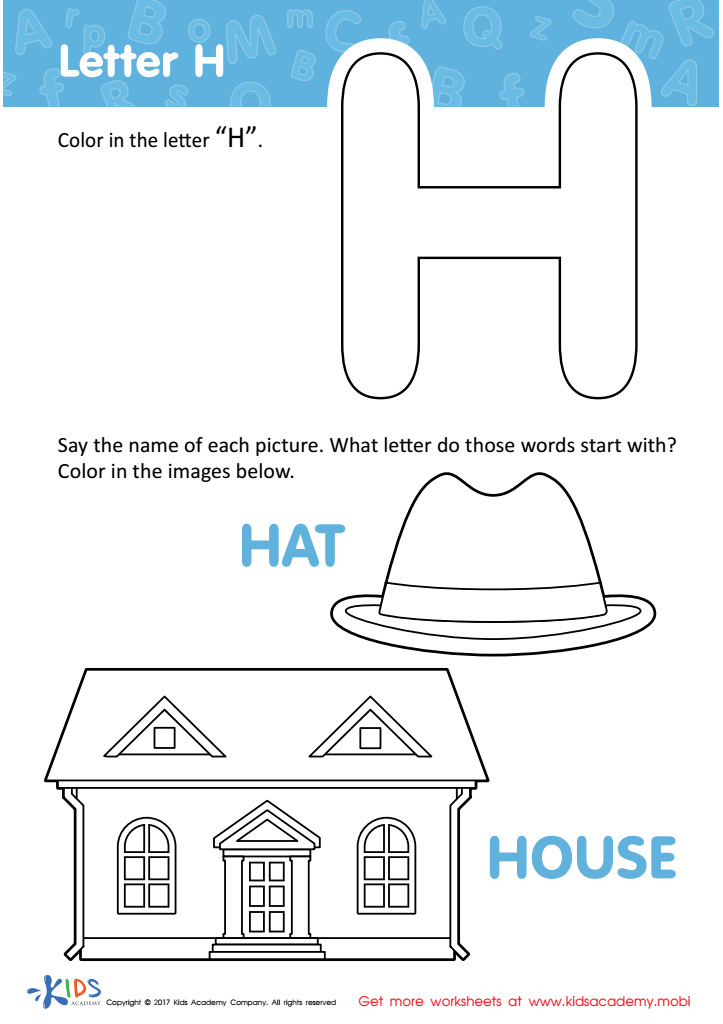
Letter H Coloring Sheet
 Assign to My Students
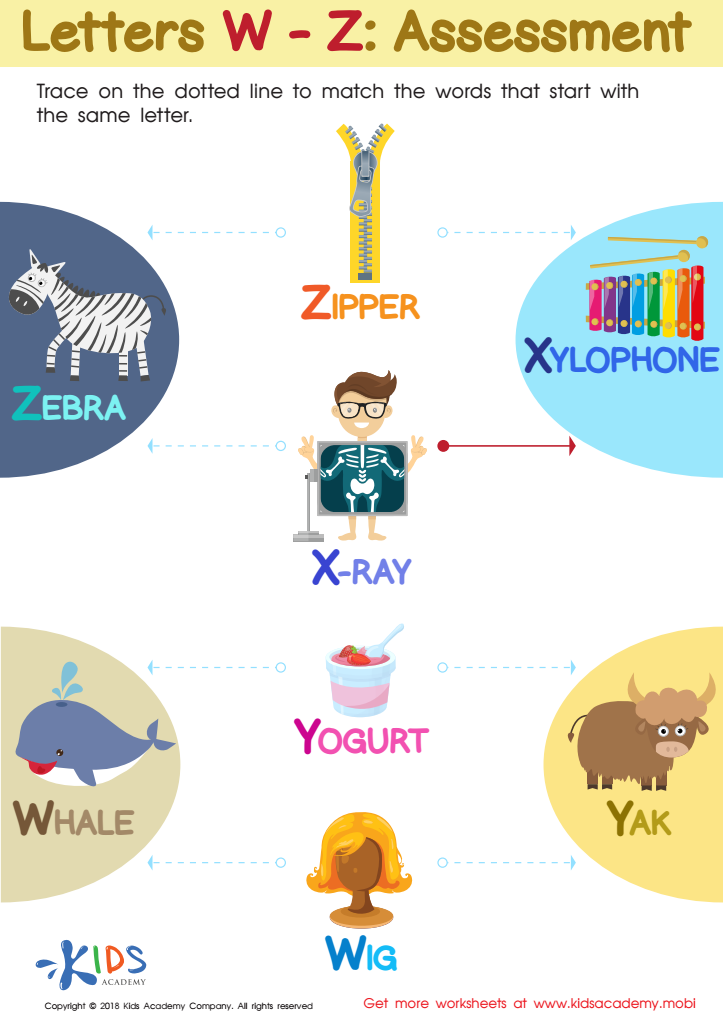
Letters W–Z Tracing Worksheet
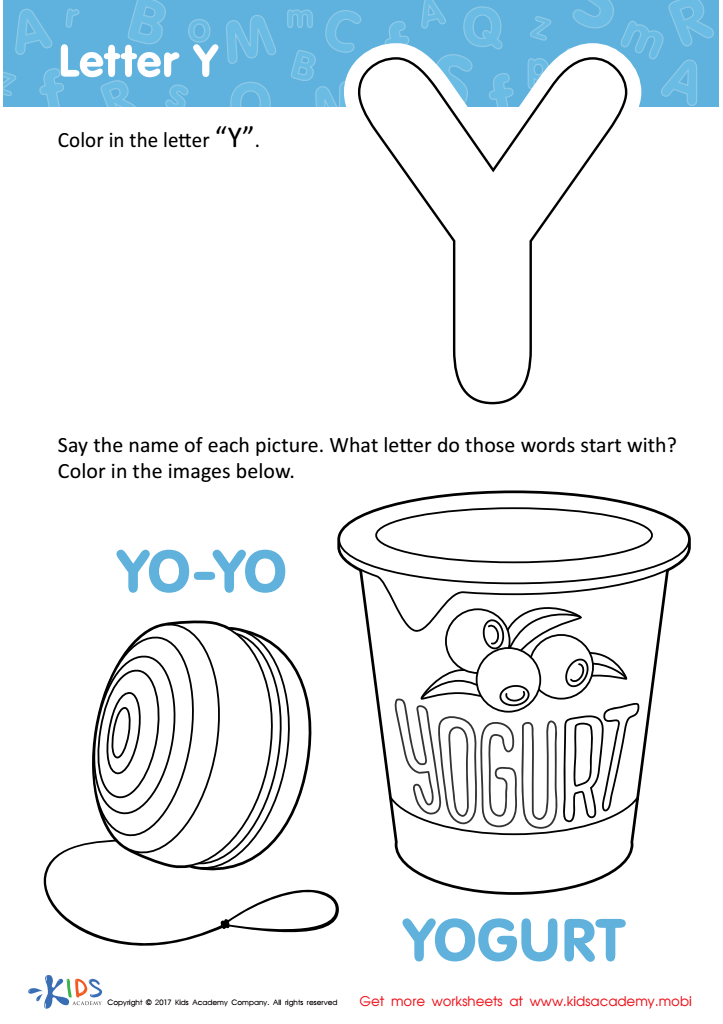
Letter Y Coloring Sheet
Assign to My Students
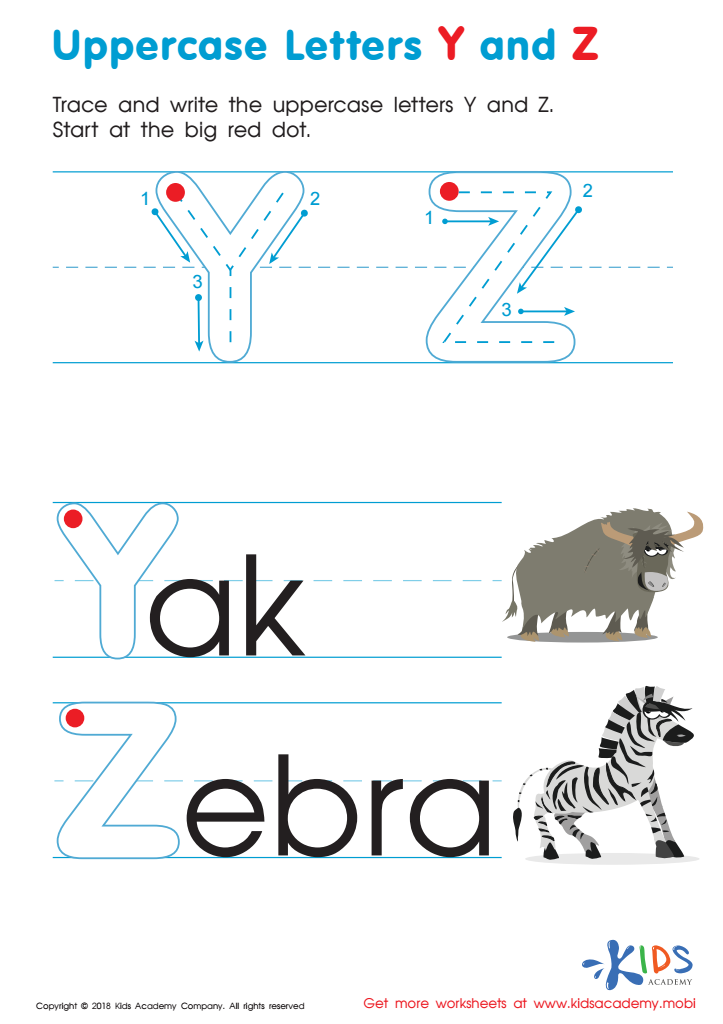
Uppercase Letters Y Z Worksheet
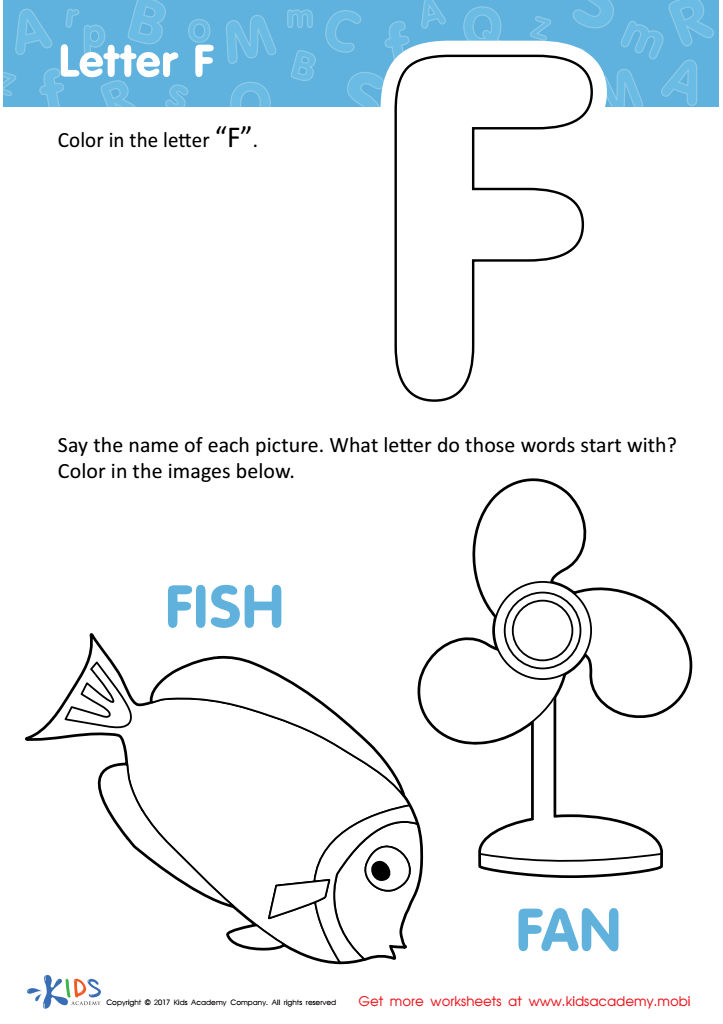
Letter F Coloring Sheet
Assign to My Students
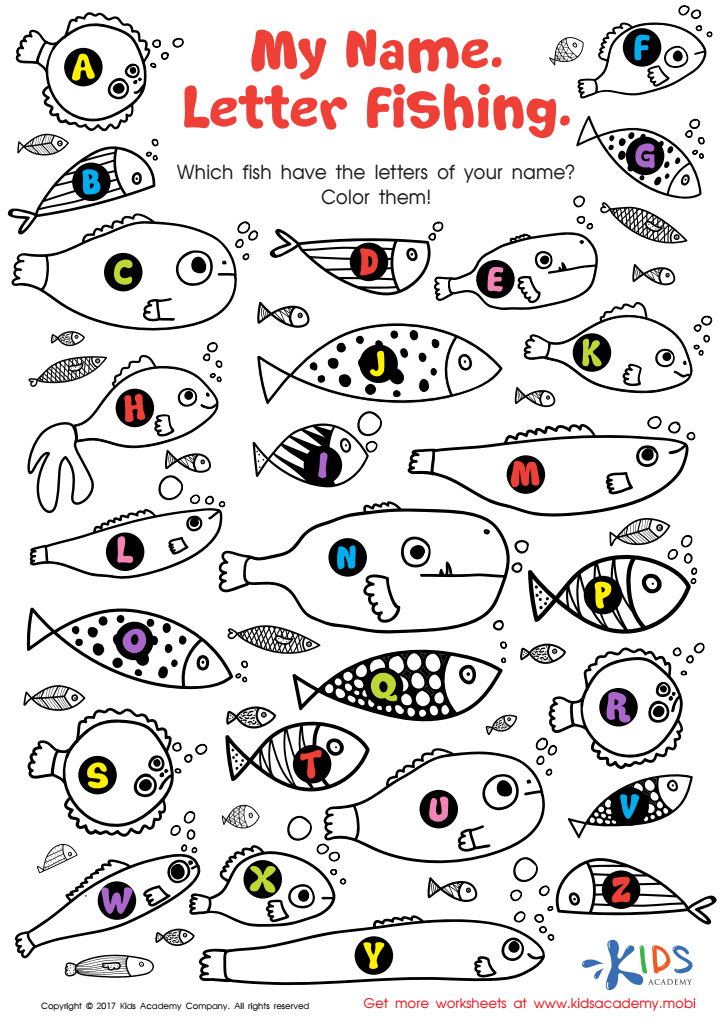
My Name: Letter Fishing Worksheet
Assign to My Students






Alphabet recognition is fundamental for children aged 5-9 because it forms the cornerstone of their literacy development. When parents and teachers emphasize learning ABC letters, they effectively set the stage for children to become proficient readers and writers. Recognizing letters is the first step in understanding the relationship between sounds and symbols, a critical skill for phonemic awareness.
This early literacy skill directly impacts a child's ability to decode words, enabling smoother transitions from recognizing letters to reading words and sentences. As a child's ability to identify letters enhances, they also build vocabulary, comprehension, and the foundations for effective communication skills.
Moreover, alphabet recognition lays the groundwork for academic success beyond reading and writing. It cultivates memory, enhances cognitive development, and supports fine motor skills through activities like tracing and writing letters. This foundational learning experience can affect a child's self-esteem and enthusiasm for school, as early success in literacy fosters a positive attitude toward further educational endeavors.
In essence, focusing on alphabet recognition during these formative years equips children with essential tools for lifelong learning and effective communication, opening doors to future academic and social opportunities.







