Letter recognition Elementary Phonics Worksheets for Ages 5-9
5 filtered results
-
From - To
Discover our engaging Letter Recognition Elementary Phonics Worksheets designed for ages 5-9. These educational resources feature fun and interactive exercises to help young learners identify and differentiate between uppercase and lowercase letters. Each worksheet combines visual aids with hands-on activities to strengthen foundational reading skills and phonemic awareness. Perfect for both classroom use and homeschooling, our worksheets support early literacy development and prepare children for advanced reading challenges. Give your child a head start in reading with our expertly crafted phonics worksheets tailored for budding young readers. Explore, learn, and excel at Kids Academy today!

Long and Short U Worksheet
 Assign to My Students
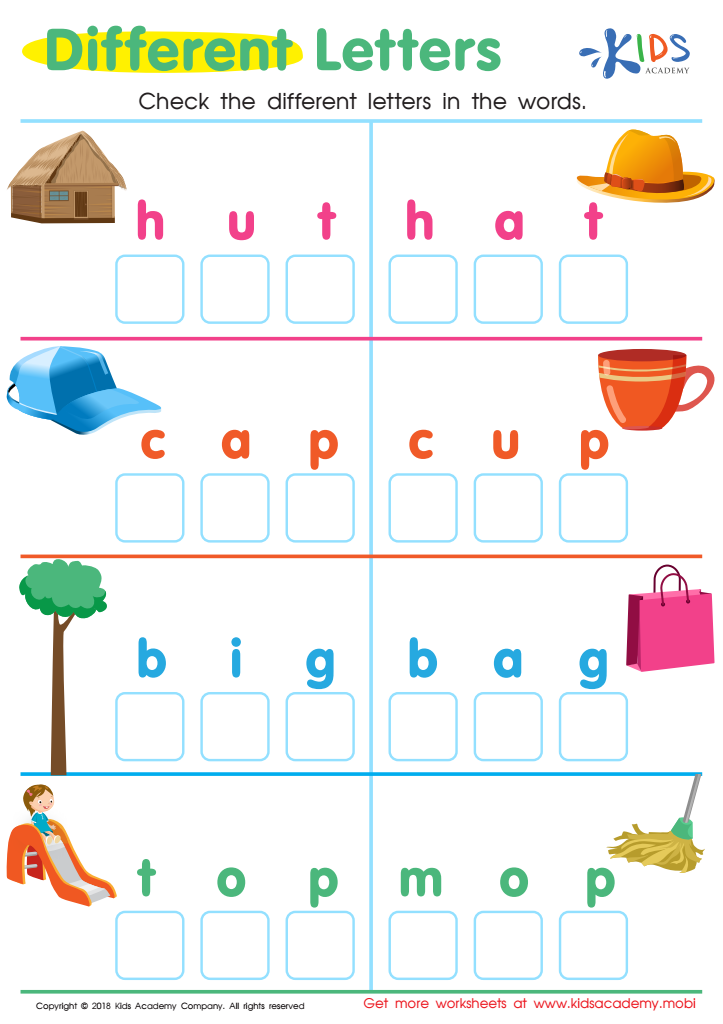
Different Letters Reading Worksheet
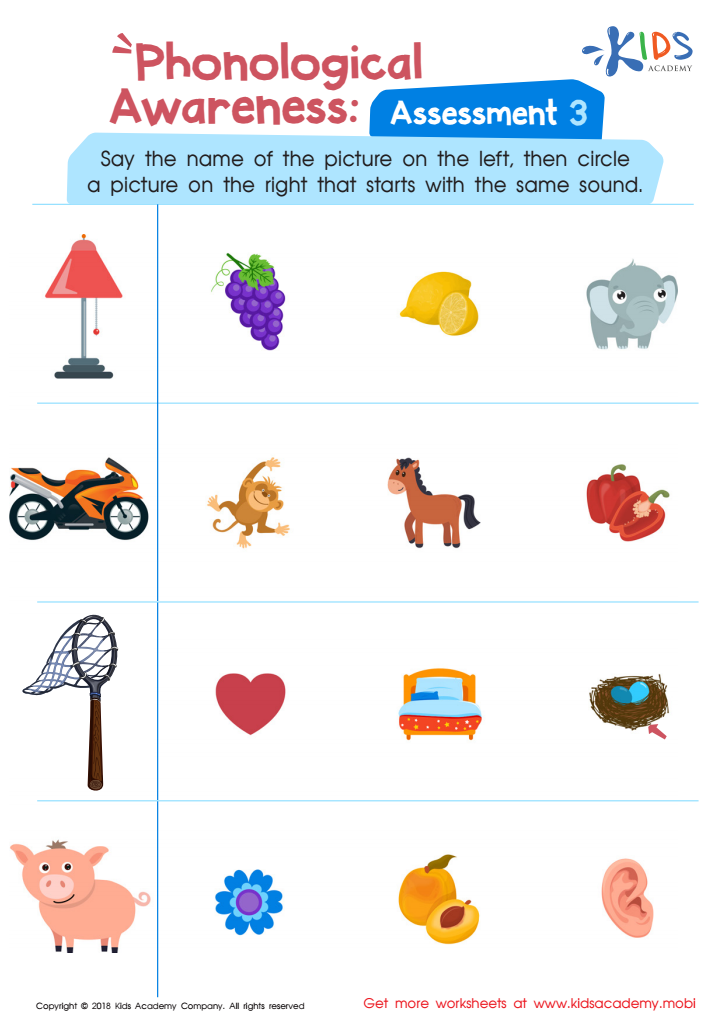
Phonological Awareness: Assessment 3 Worksheet

Long and Short E Worksheet
Assign to My Students
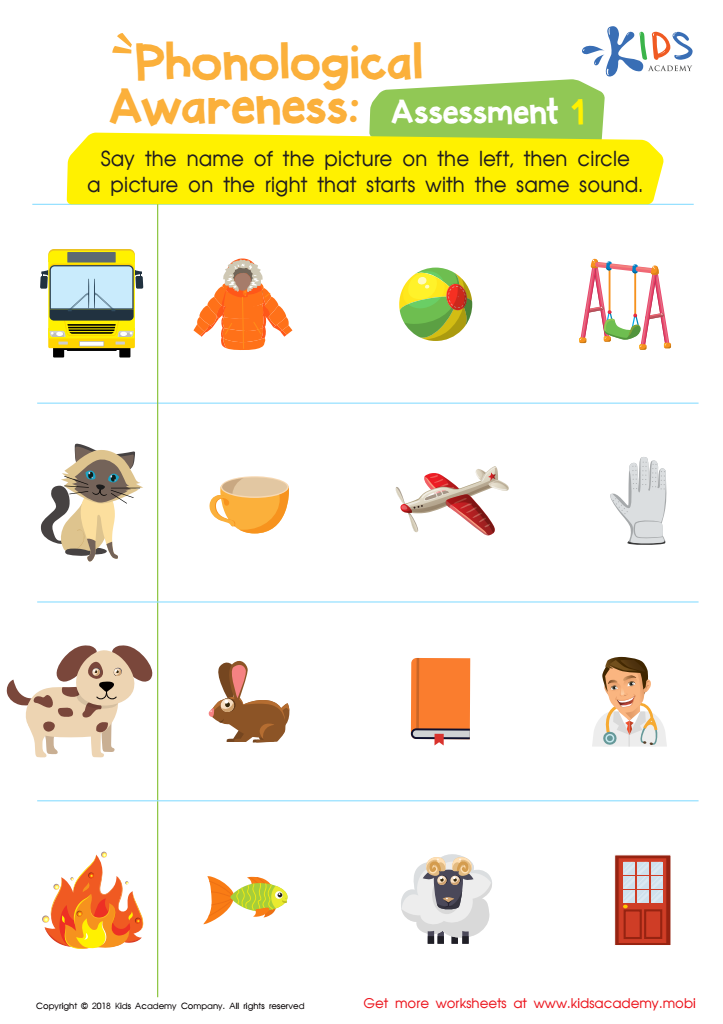
Phonological Awareness: Assessment 1 Worksheet




Letter recognition and elementary phonics are vital building blocks in a child's literacy journey, laying the foundation for lifelong learning. When children between the ages of 5 and 9 become proficient in recognizing letters and understanding phonics, they gain the essential skills needed for reading and writing.
Letter recognition involves identifying individual letters and understanding their corresponding sounds. This helps children decode words and develop word recognition skills, making it easier for them to read fluently. Children who can easily identify letters and their sounds are often more confident readers and are better prepared to tackle more complex texts as they grow.
Elementary phonics provides children with the understanding of how letters combine to form words. Phonics instruction helps children learn to sound out words, which promotes both spelling and reading accuracy. It also lays the groundwork for developing better vocabulary, comprehension, and overall communication skills.
Moreover, early proficiency in letter recognition and phonics can enhance cognitive development, foster critical thinking, and support academic success in other subjects. When parents and teachers prioritize these skills, they enable children to build strong literacy foundations that will support them throughout their educational journey and beyond. Investing time in these basic literacy components significantly boosts children's confidence and opens up numerous opportunities for future academic and personal success.







