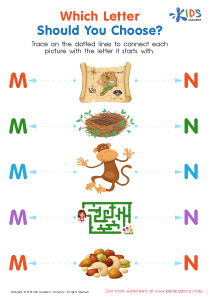
Letter recognition Lowercase/Small Letters Worksheets for Ages 5-9
11 filtered results
-
From - To
Enhance your child's letter recognition skills with our engaging Lowercase Letters Worksheets, designed specifically for ages 5-9. These printable worksheets provide interactive and fun activities that help young learners identify, trace, and write small letters. Our resources foster a love for reading and writing while reinforcing essential literacy skills. Each worksheet includes colorful illustrations and varied exercises to keep children motivated and excited about learning. Perfect for both home and classroom settings, these worksheets offer valuable practice that aligns with educational standards. Download them today to support your child's journey towards mastering lowercase letter recognition!
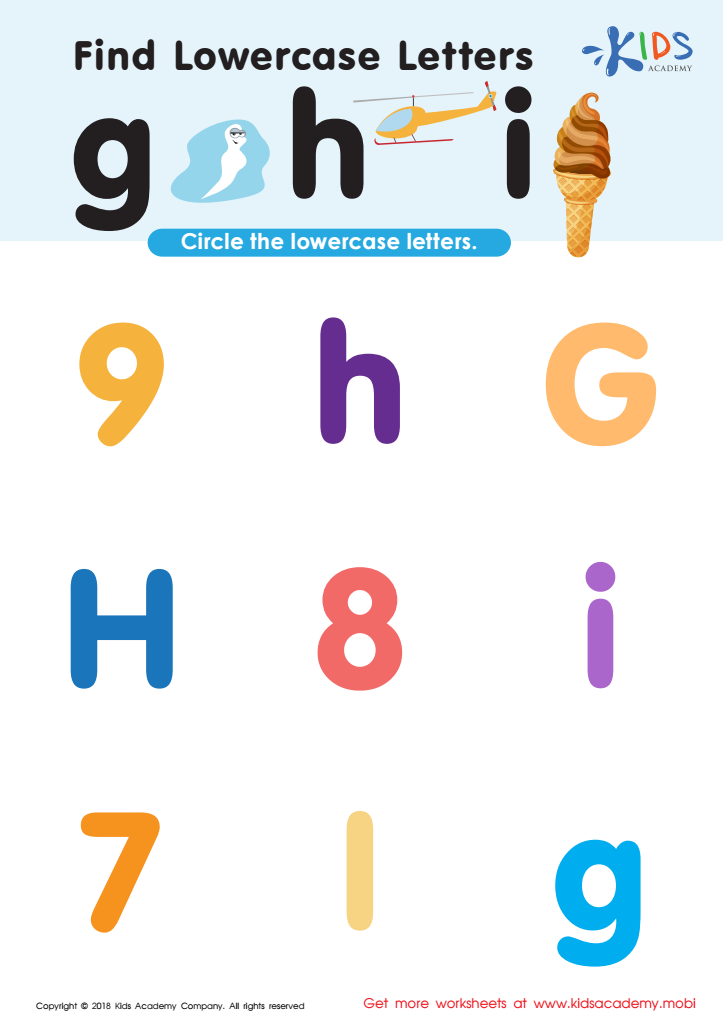
Find Lowercase Letters g h i Worksheet
 Assign to My Students
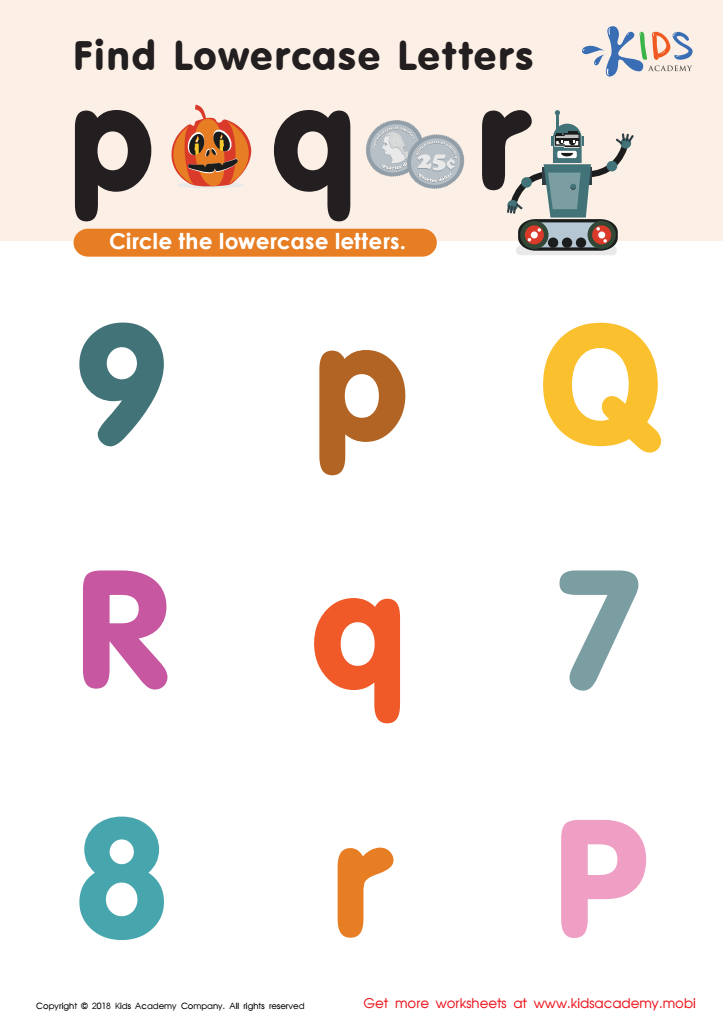
Find lowercase Letters p q r Worksheet
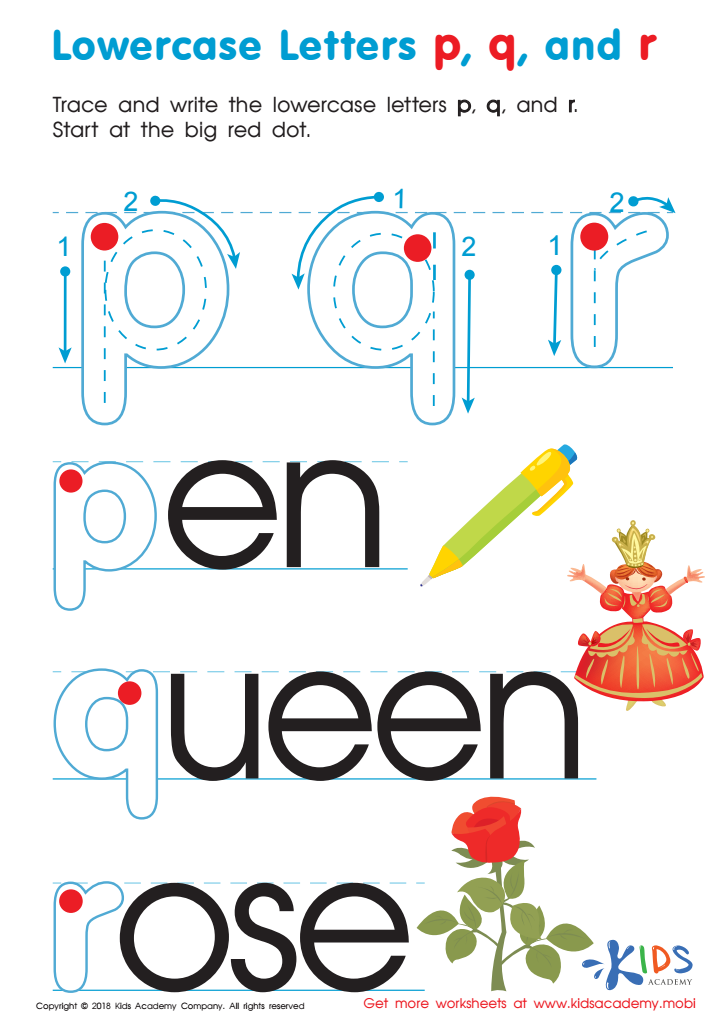
Lowercase Letters p q r Worksheet
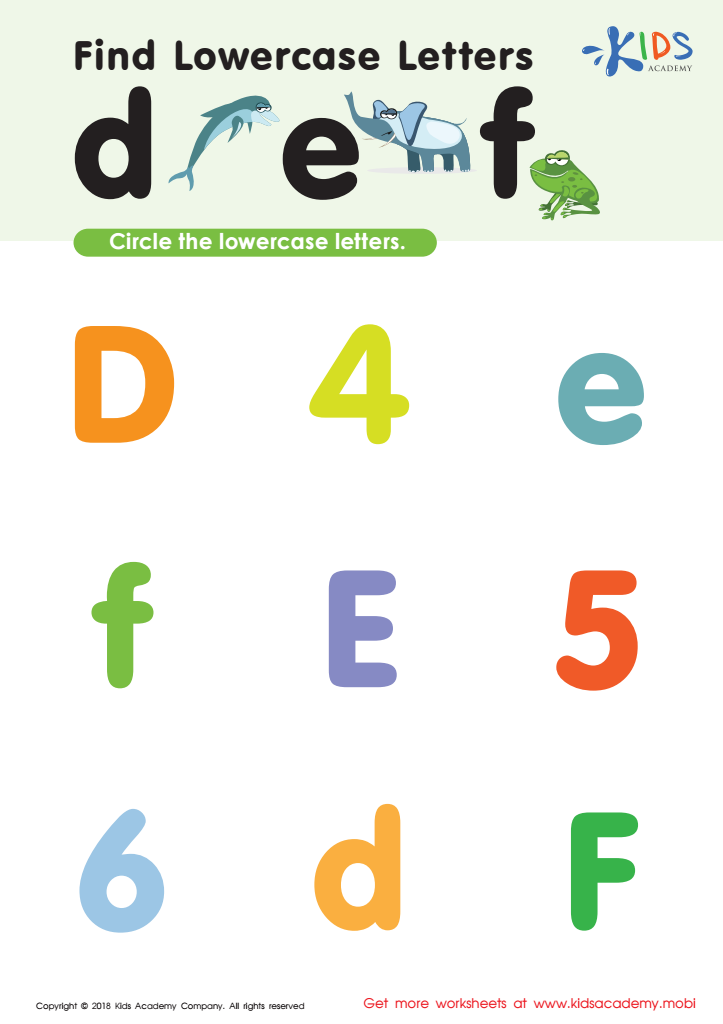
Find Lowercase Letters d e f Worksheet
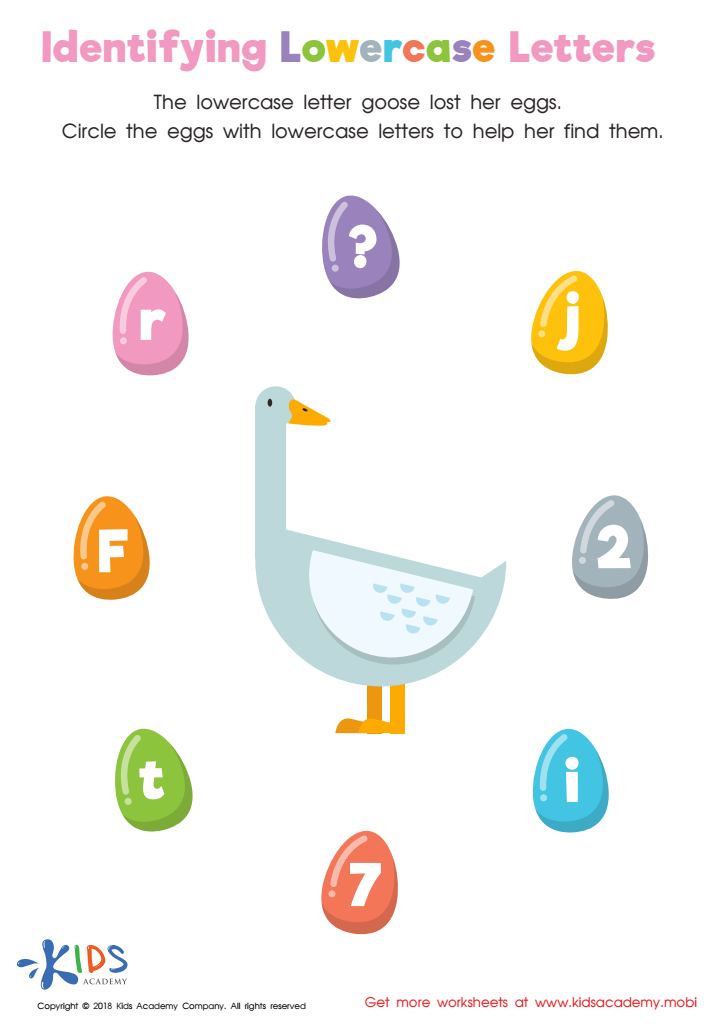
Identifying Lowercase Letters Worksheet
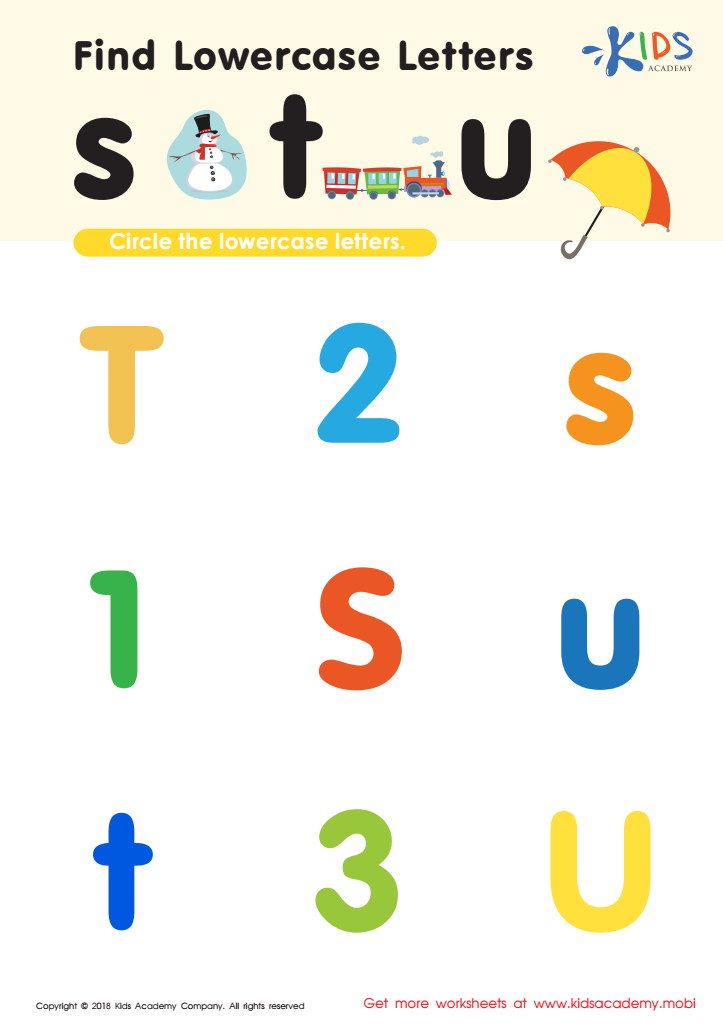
Find lowercase Letters s t u Worksheet
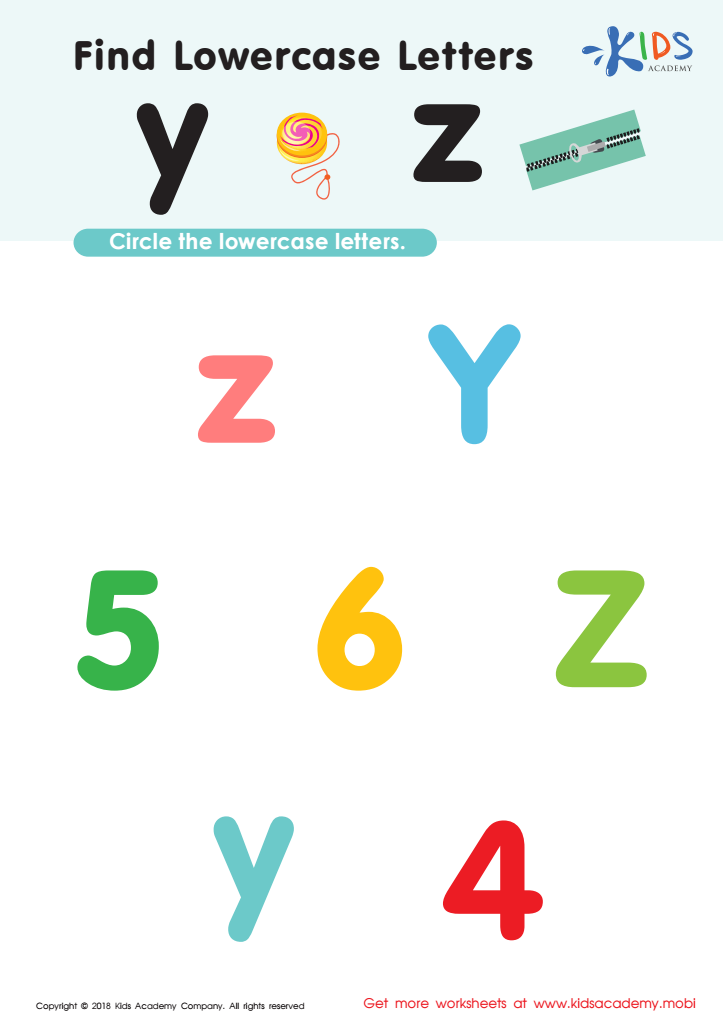
Find Lowercase Letters y z Worksheet
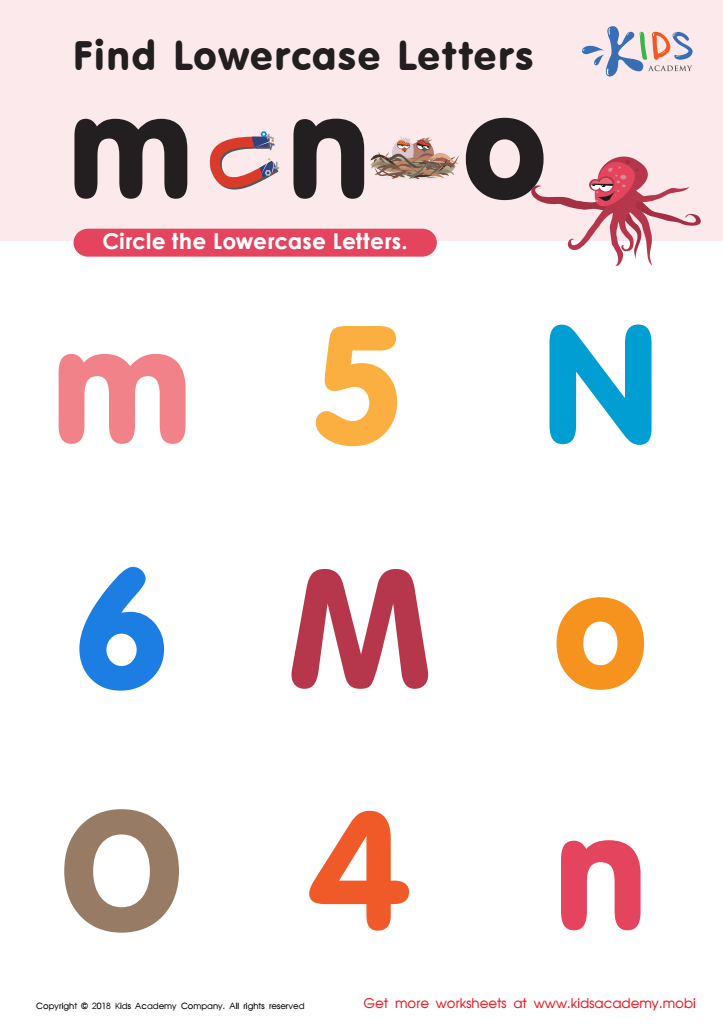
Find Lowercase Letters m n o Worksheet
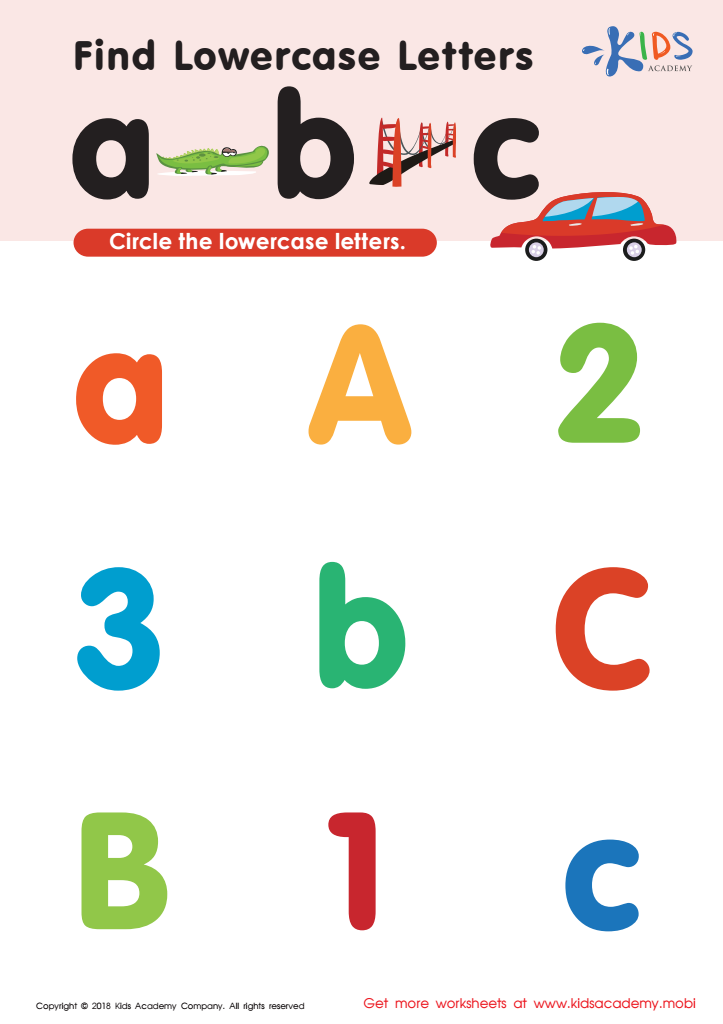
Find lowercase letters a b c Worksheet
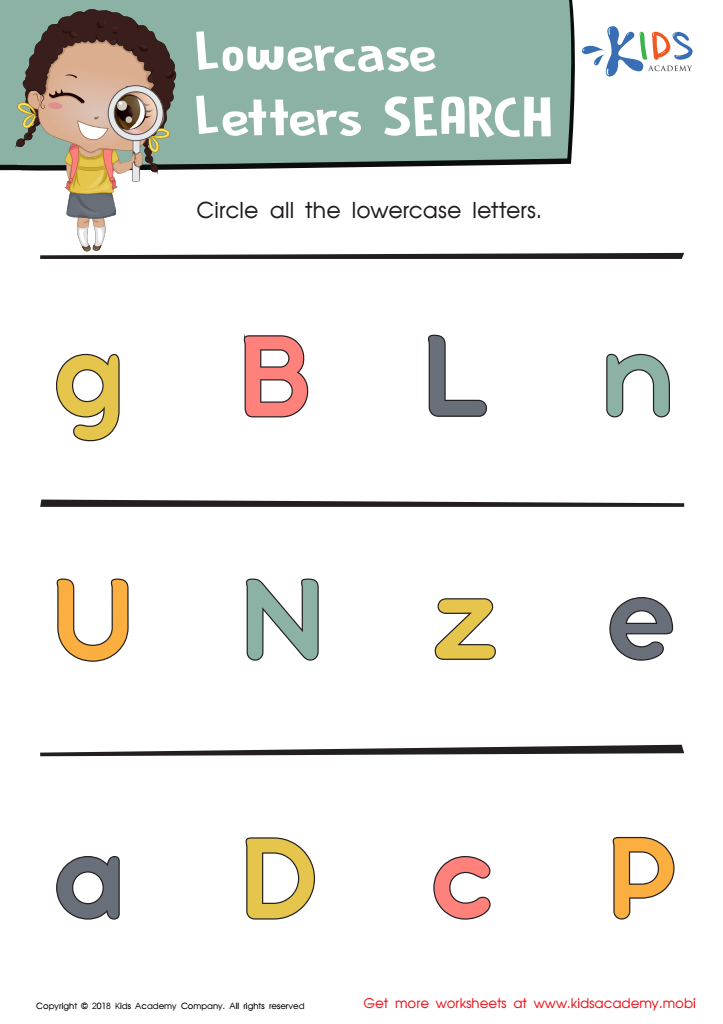
Lowercase Letters Search: Assessment Worksheet
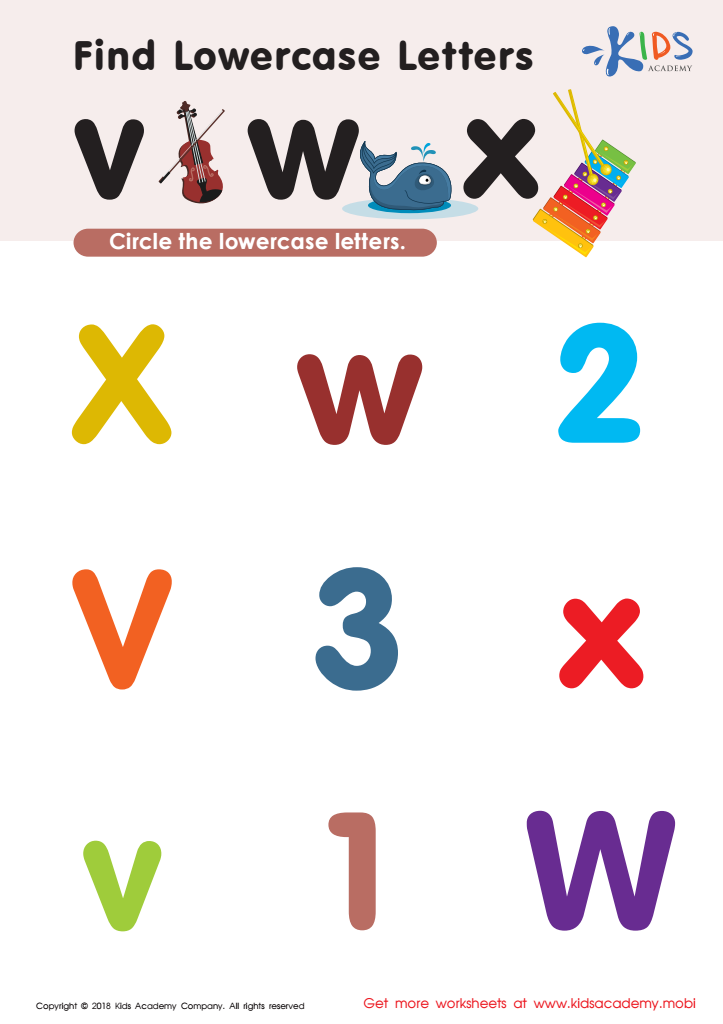
Find Lowercase Letters v w x Worksheet


Letter recognition, particularly lowercase letters, is crucial for children aged 5-9 as it lays the foundation for their literacy development. Mastering lowercase letters enables students to read and write effectively since these letters are predominant in everyday texts, such as books, signs, and electronic media. Recognizing these letters helps children build confidence and fosters a love for reading, which is vital for their overall academic journey.
Moreover, letter recognition supports vocabulary building. As children decode and comprehend written material, they encounter new words and context, enhancing their language skills. It also strengthens phonemic awareness, allowing children to understand the relationship between sounds and letters. This awareness is pivotal for effective spelling and pronunciation.
For parents and teachers, promoting lowercase letter recognition allows for tailored strategies to support children’s learning. Creating an engaging environment with various resources—like letter games, activities, and reading-aloud sessions—fosters motivation and supports differentiated learning. Cultivating a robust literacy foundation early on ultimately leads to improved academic performance in later grades. Neglecting this essential skill could hinder a child’s reading comprehension and writing abilities, impacting their long-term educational success. Hence, prioritizing lowercase letter recognition is beneficial for children's growth and development.