Handwriting practice Upper & Lowercase Letters Worksheets for Ages 5-9
16 filtered results
-
From - To
Discover our Handwriting Practice Upper & Lowercase Letters Worksheets, purpose-designed for children ages 5-9! These engaging, printable resources are perfect for developing essential writing skills in young learners. Each sheet helps kids practice writing both uppercase and lowercase letters, fostering better penmanship and letter recognition. With fun activities and kid-friendly designs, our worksheets make learning an enjoyable experience. Boost your child's confidence in writing and lay a strong foundation for academic success. Transform practice into play with Kids Academy – explore our collection today!
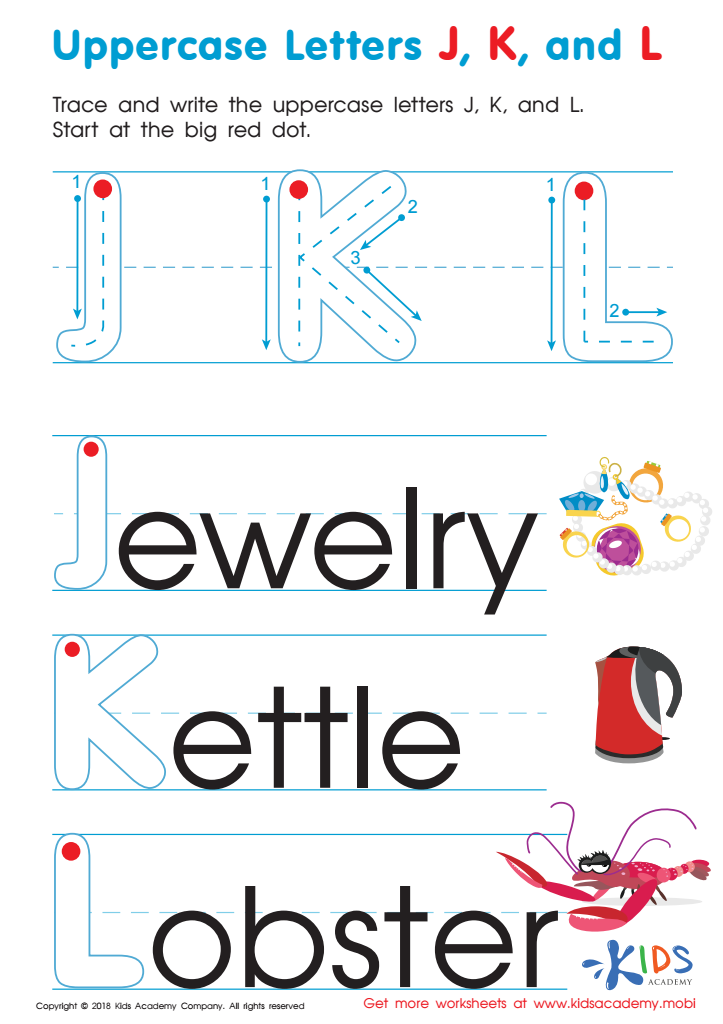
Uppercase Letters J, K, and L Worksheet
 Assign to My Students




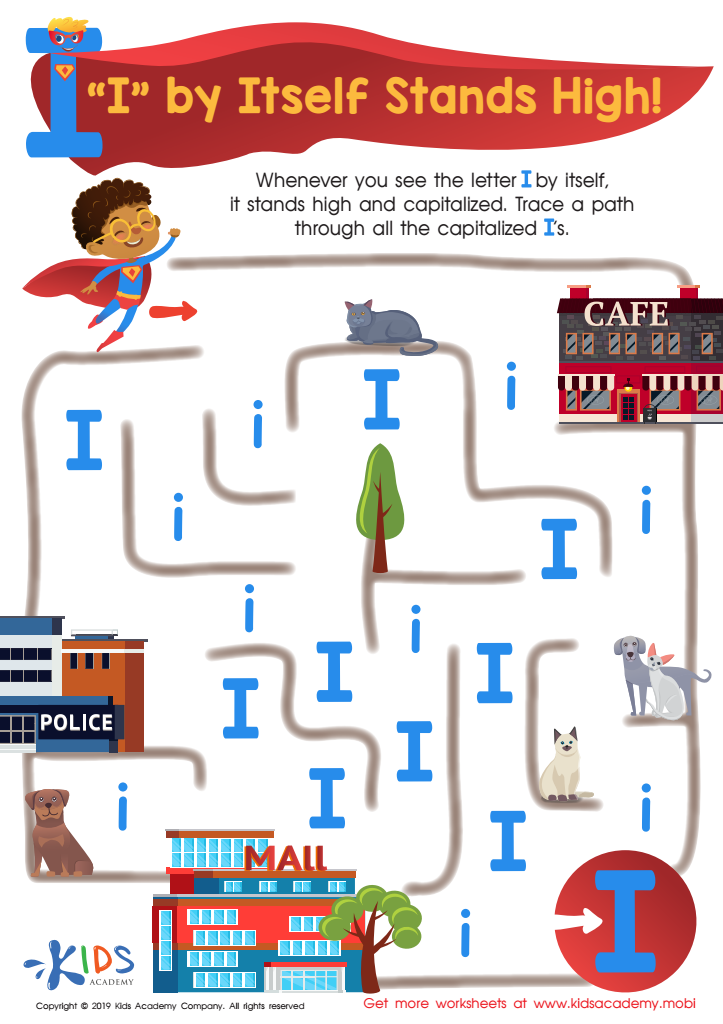
I Stands High Worksheet
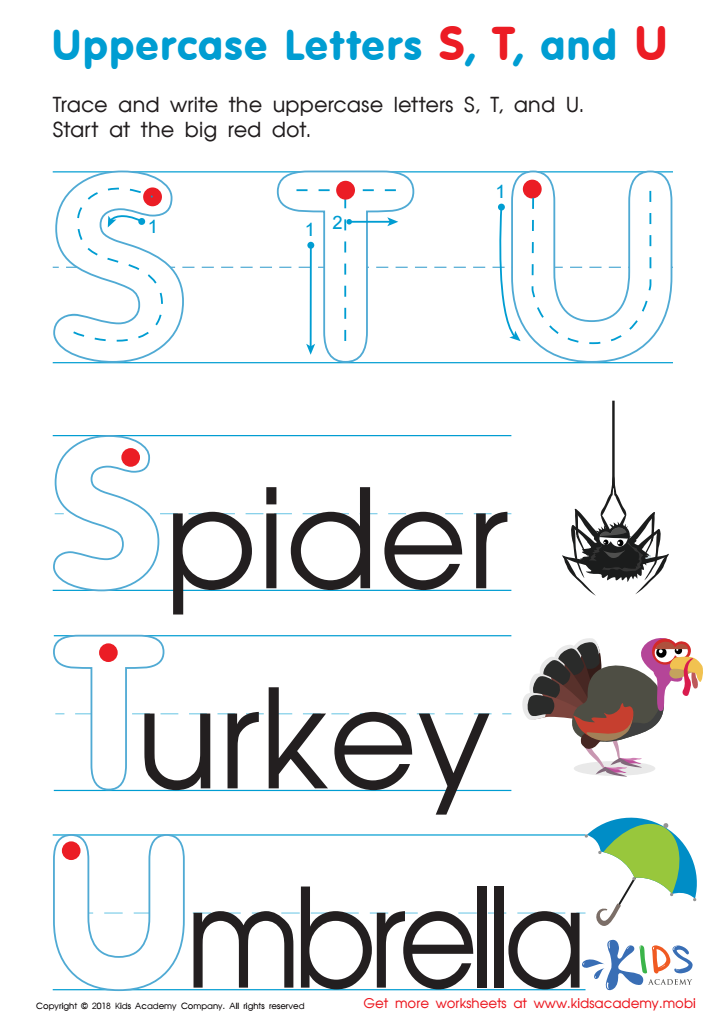
Uppercase Letters S, T, and U Worksheet
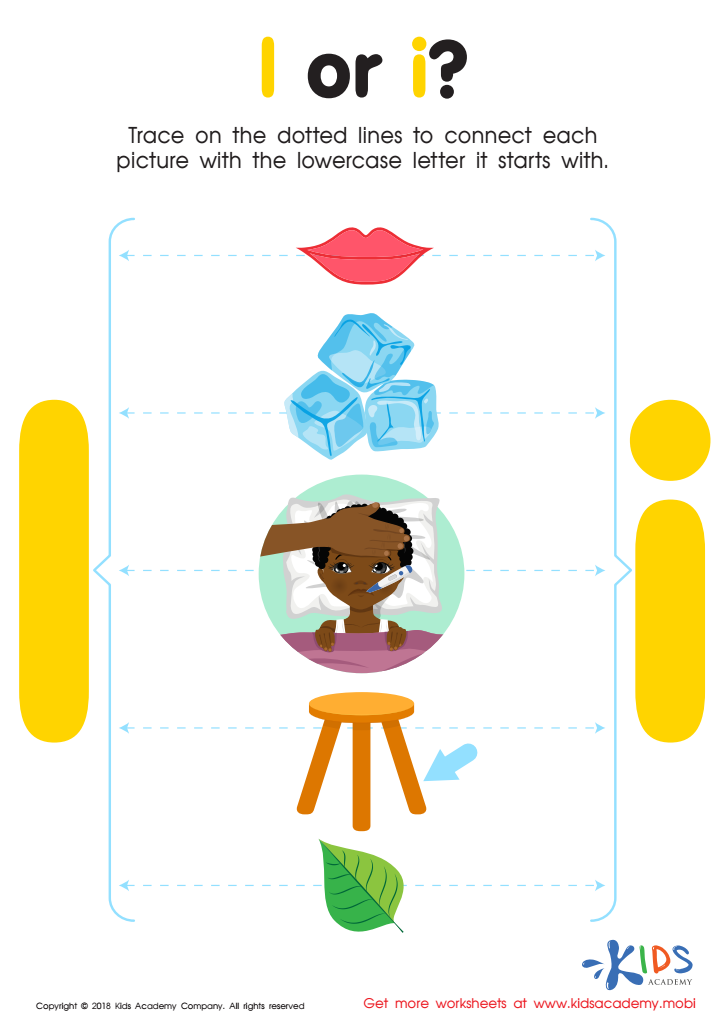
l or i? Worksheet
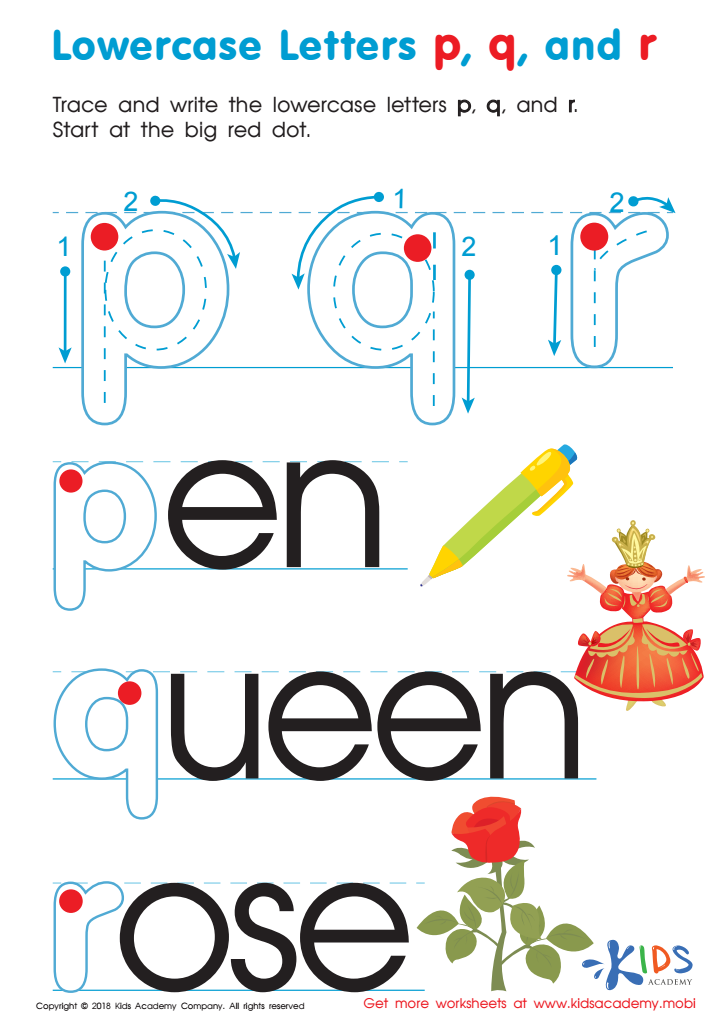
Lowercase Letters p q r Worksheet
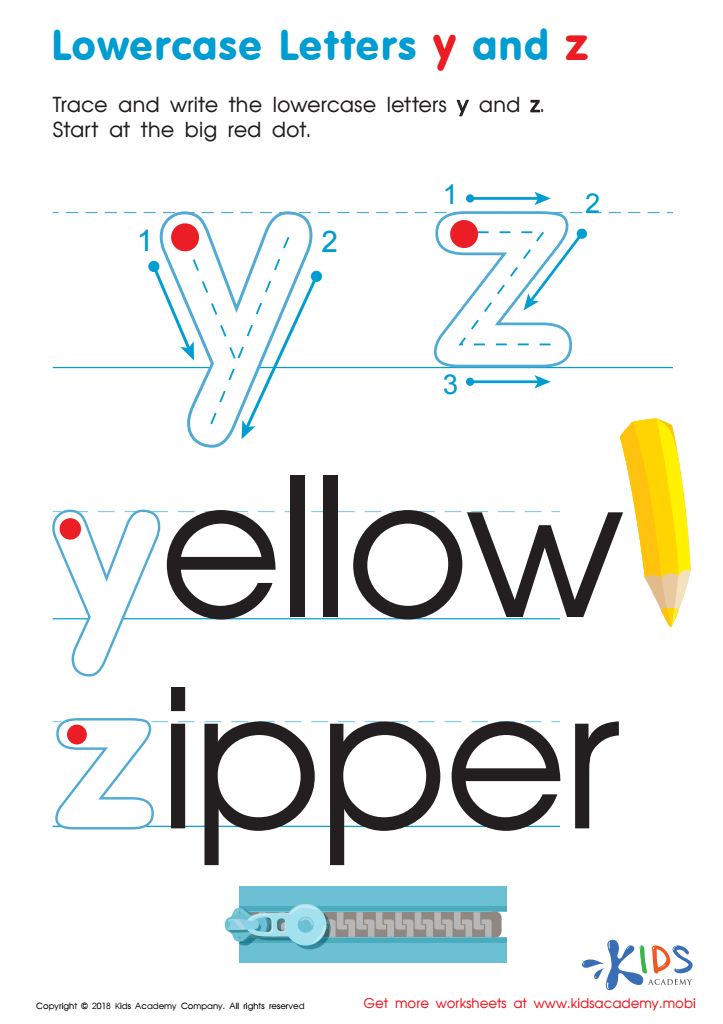
Lowercase Letters y z Worksheet
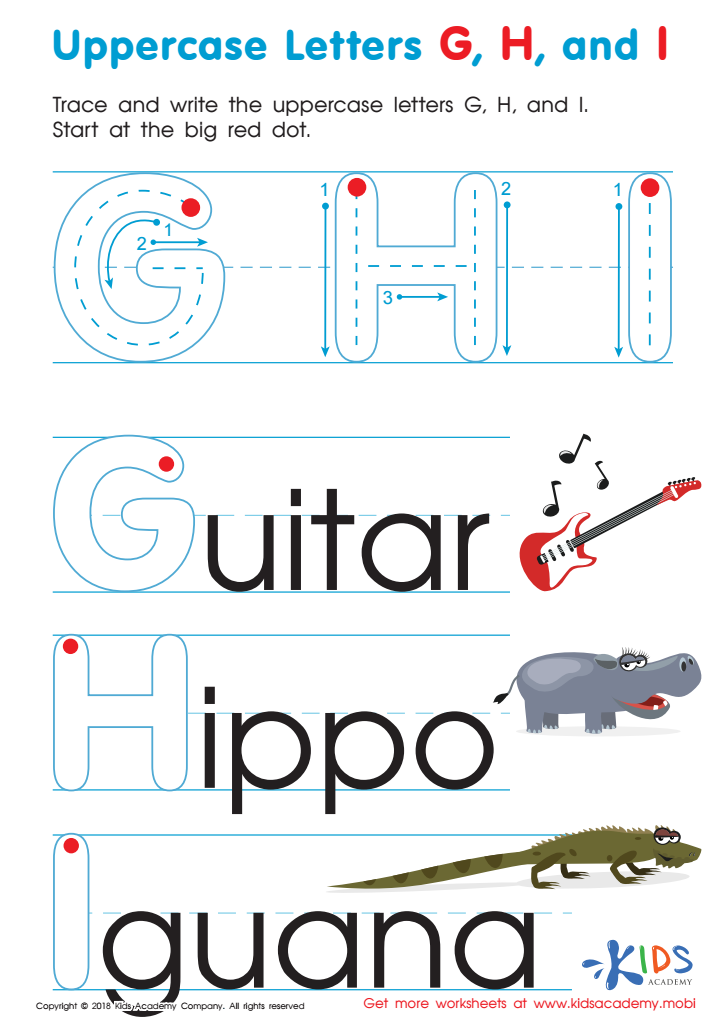
Uppercase Letters G, H, and I Worksheet
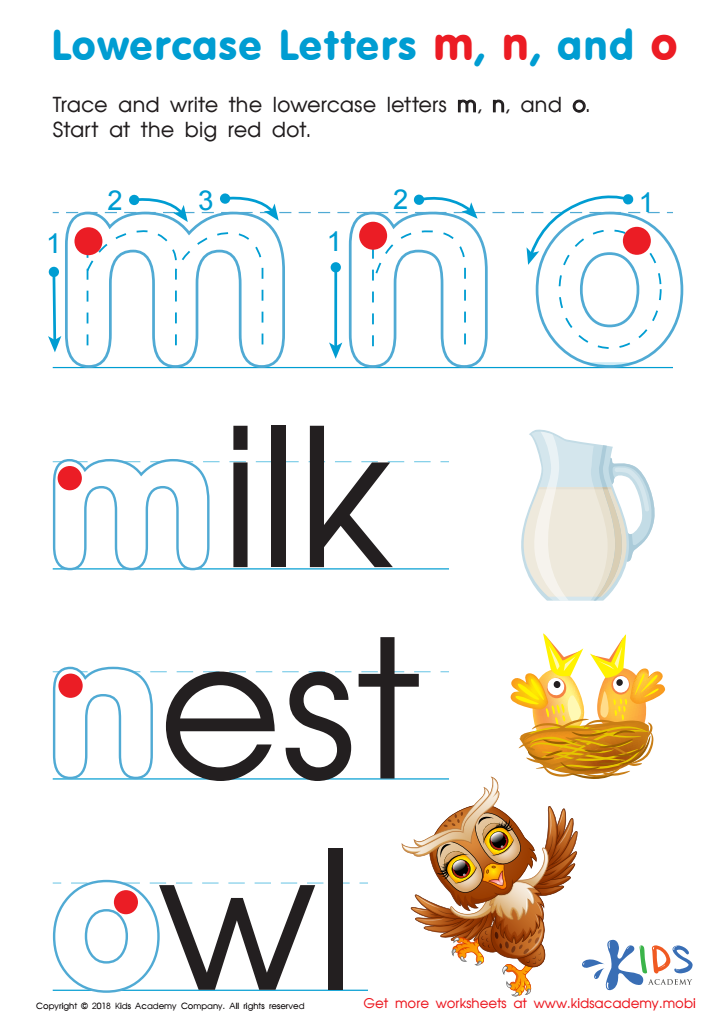
Lowercase Letters m n o Worksheet
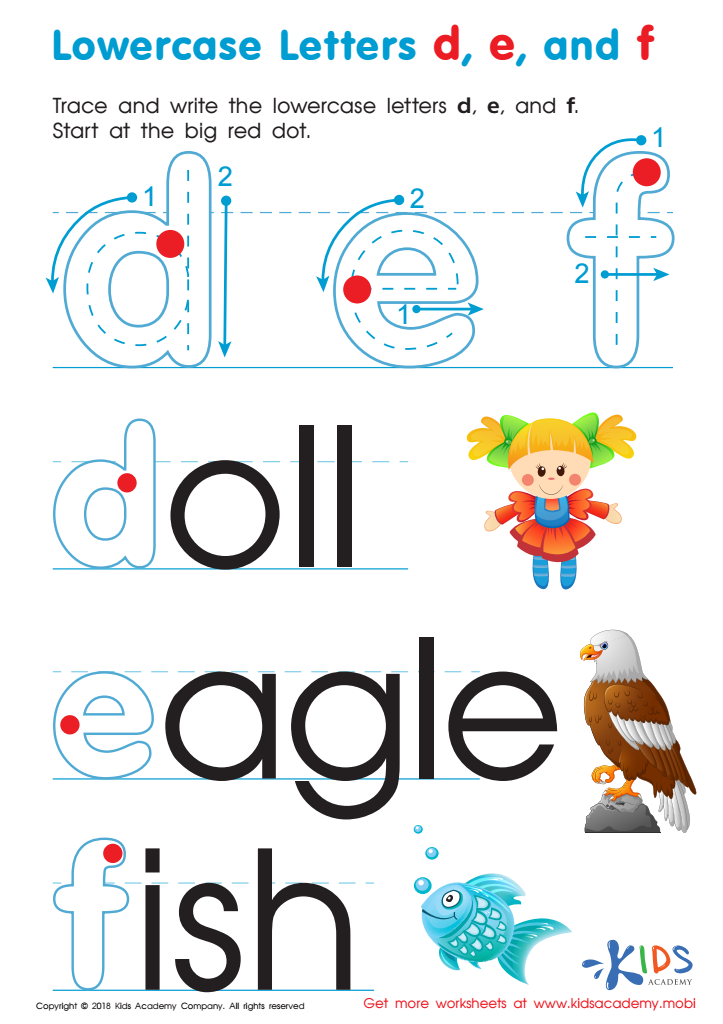
Lowercase Letters d e f Worksheet
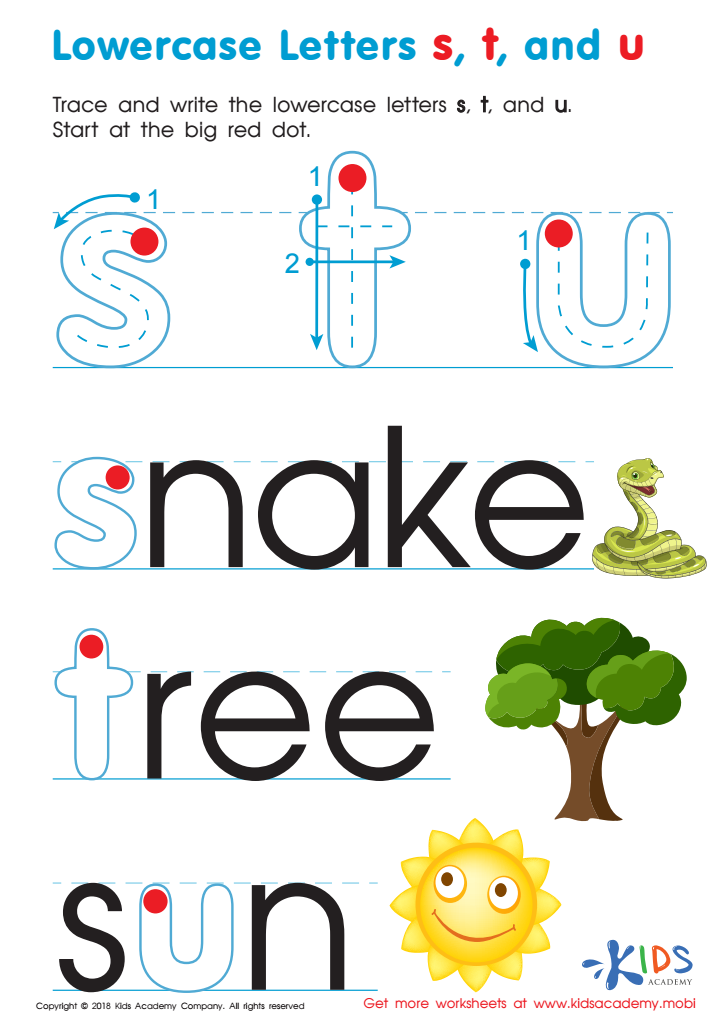
Lowercase Letters s t u Worksheet
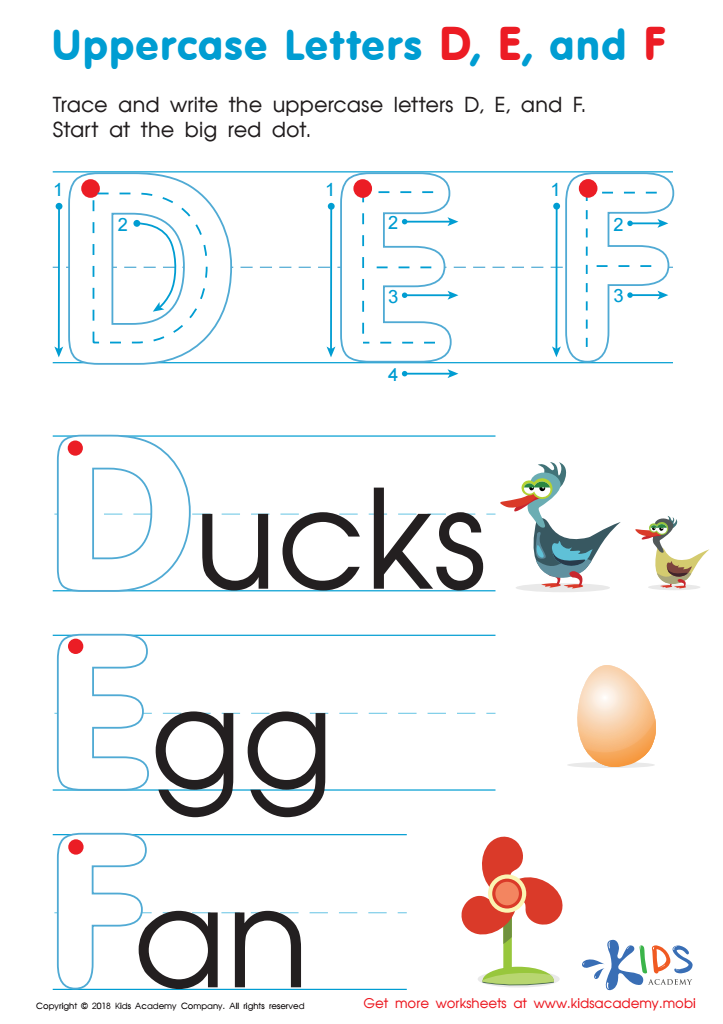
Uppercase Letters D, E, and F Worksheet
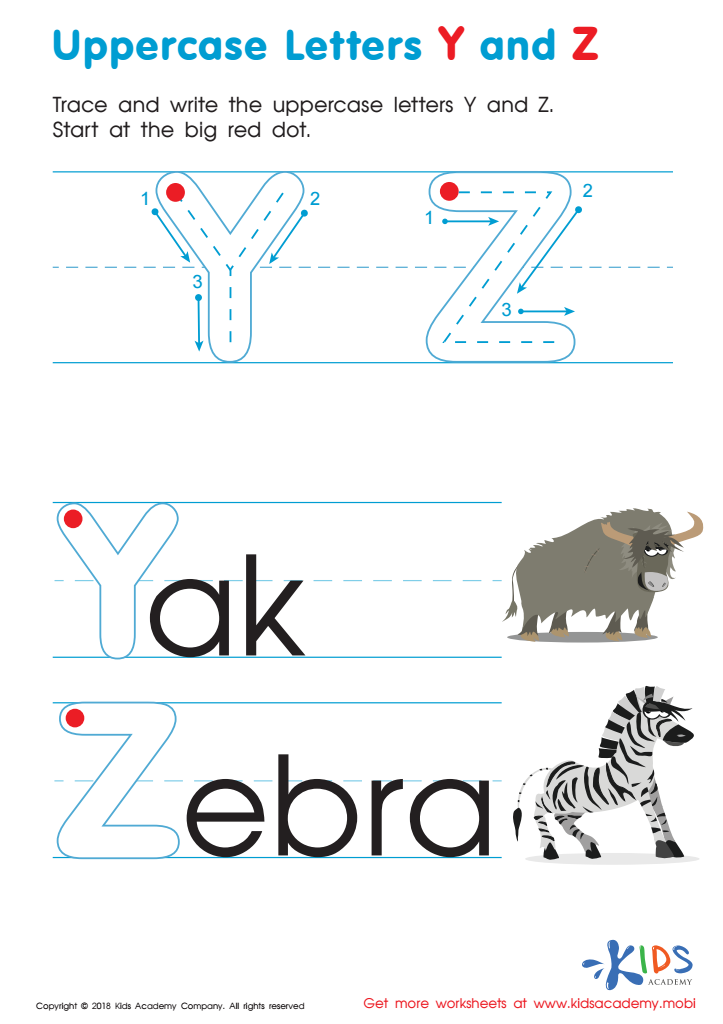
Uppercase Letters Y Z Worksheet
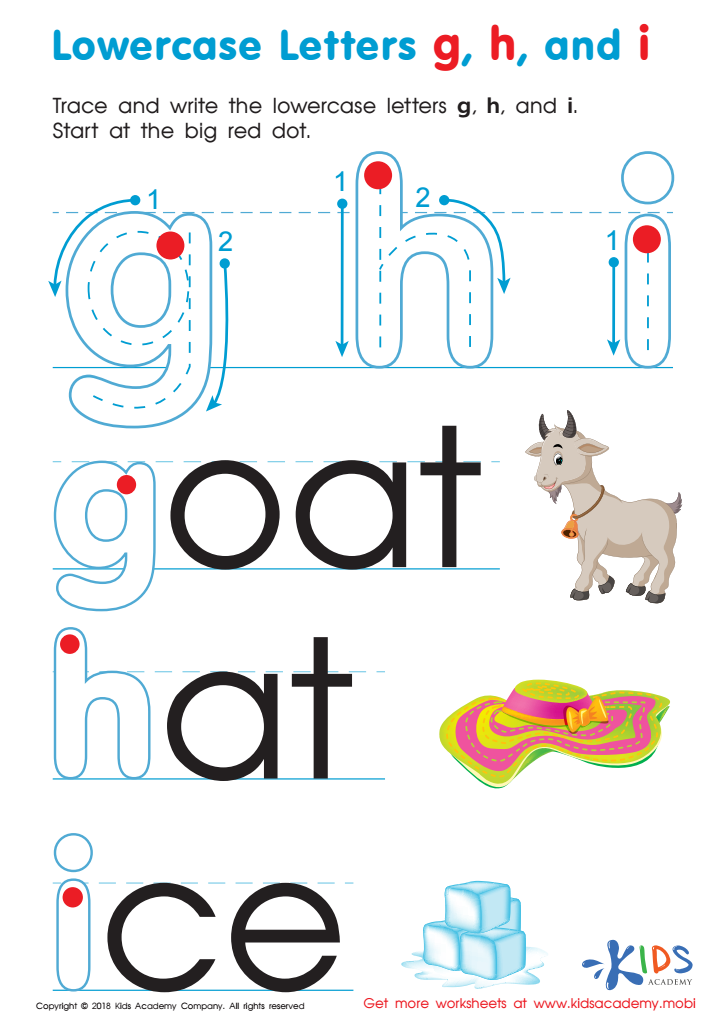
Lowercase Letters g h i Worksheet
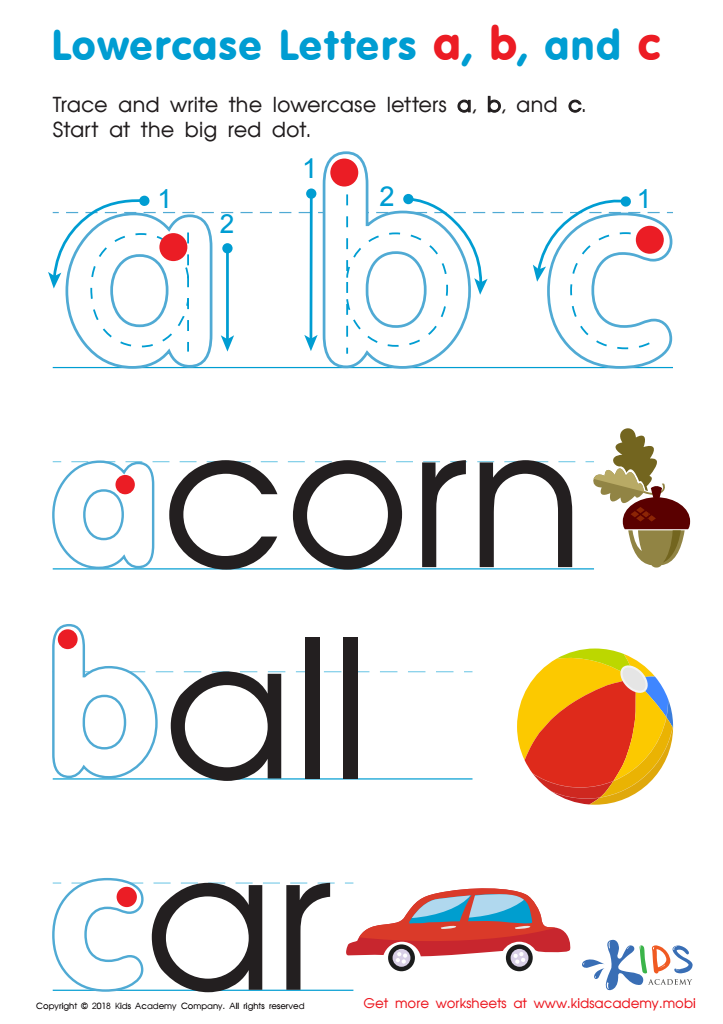
Lowercase Letters a b c Worksheet
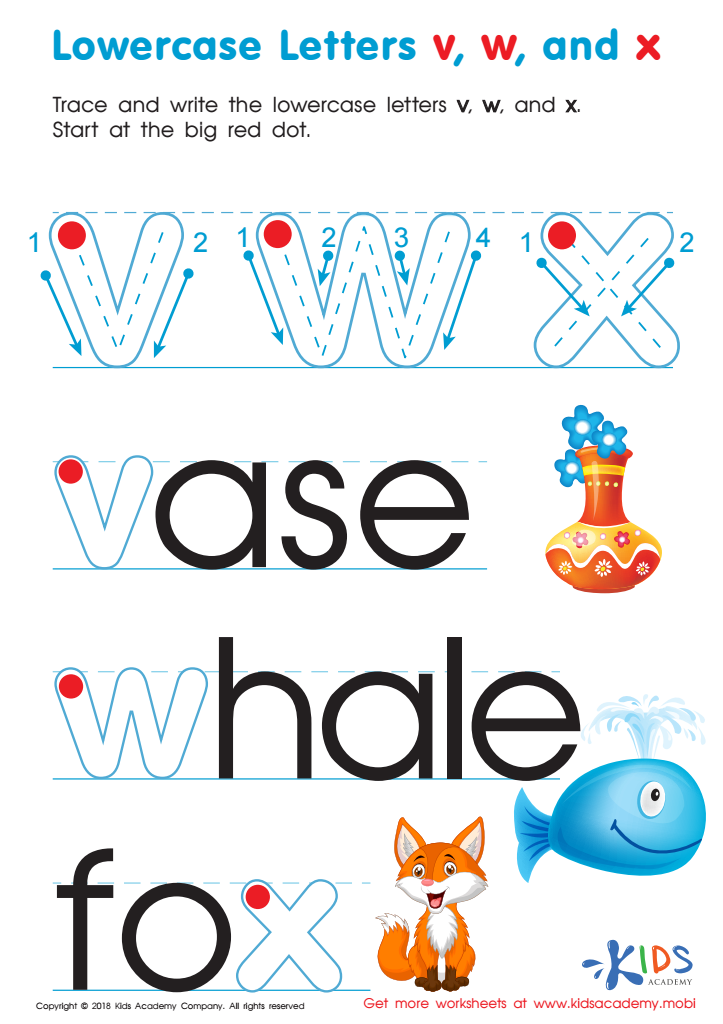
Lowercase Letters v w x Worksheet
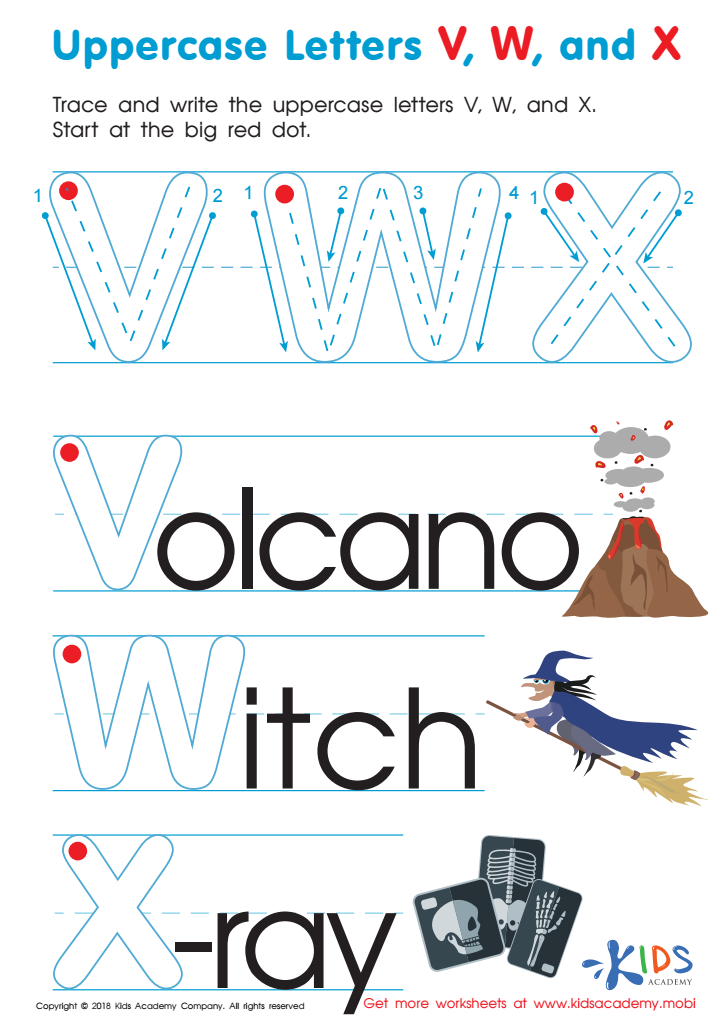
Uppercase Letters V, W, and X Worksheet






Handwriting practice for children aged 5-9, focusing on both uppercase and lowercase letters, is crucial for several developmental reasons. At this age, children are in a vital learning phase where fine motor skills, hand-eye coordination, and cognitive development are rapidly evolving. By engaging in handwriting practice, children reinforce these skills, which are fundamental for overall academic success.
Firstly, handwriting practice boosts fine motor skills. Learning to control a pencil to form letters helps strengthen hand muscles and enhances dexterity, which is important for tasks beyond writing, including cutting with scissors and tying shoelaces.
Secondly, writing both uppercase and lowercase letters improves visual perception and brain development. Recognizing and practicing these different forms supports letter recognition, crucial for reading fluency. This enhances their ability to distinguish between different shapes and patterns, a skill transferable to reading and mathematics.
Additionally, the process of forming letters contributes to knowledge retention. The motor activity involved in writing stimulates neurological pathways that aid in memory recall and comprehension. As technology advances, it’s easy to overlook handwriting, but its practice continues to meet essential educational milestones.
Ultimately, fostering good handwriting habits early establishes a strong foundation for effective communication and learning, vital skills they'll use throughout their lives. Both parents and teachers play a crucial role in this developmental stage, setting the child up for continued academic and personal success.







