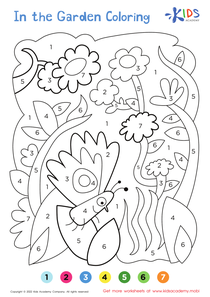
Motor skills development Animals Worksheets for Ages 5-9
3 filtered results
Difficulty Level
Grade
Age
-
From - To
Subject
Activity
Standards
Enhance your child's fine motor skills with our engaging "Motor Skills Development Animals Worksheets" for children ages 5–9. Tailored to blend fun and learning, these worksheets feature a variety of animal-themed activities designed to improve hand-eye coordination and dexterity. Each worksheet involves exciting tasks like tracing, coloring, and cutting, all aimed at strengthening essential motor skills. Perfect for both home and classroom use, these printable sheets not only support early childhood education but also spark creativity and imagination. Help your child develop crucial motor abilities while having loads of fun with our expertly crafted activities!
Favorites
With answer key
Interactive
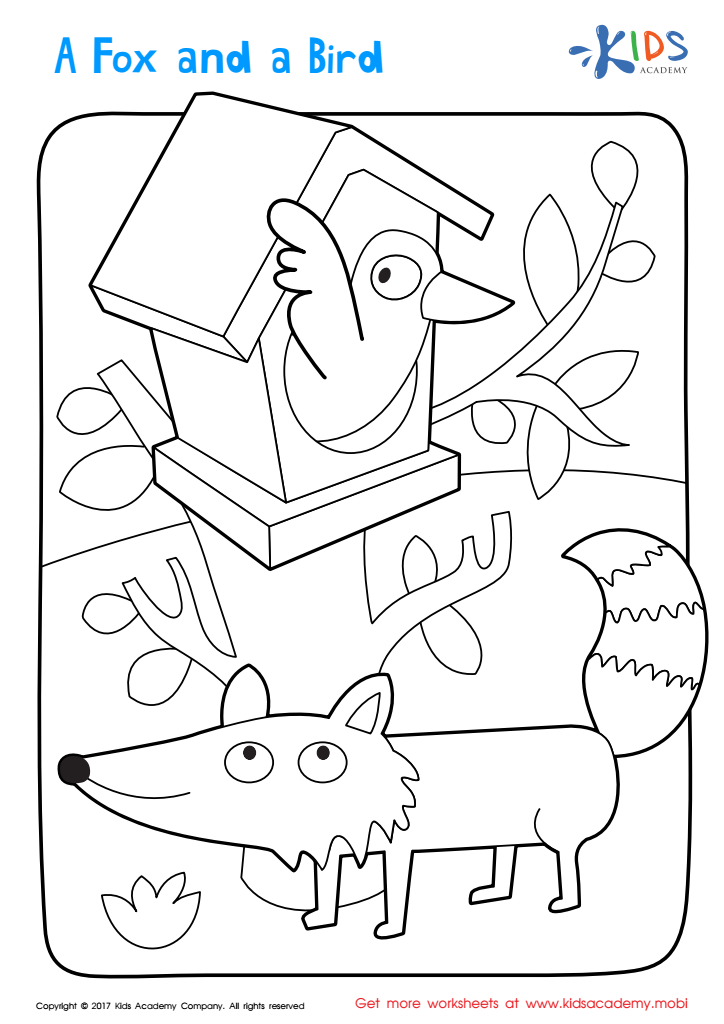
A Fox and Bird Coloring Page
Flex their creativity with this fun-filled coloring page: A Fox and Bird! Let kids express themselves through colors, allowing them to make each scene their own. This picture will bring joy to their art routine!
Download (PDF)
 Assign to My Students
Assign to My Students
A Fox and Bird Coloring Page
Worksheet
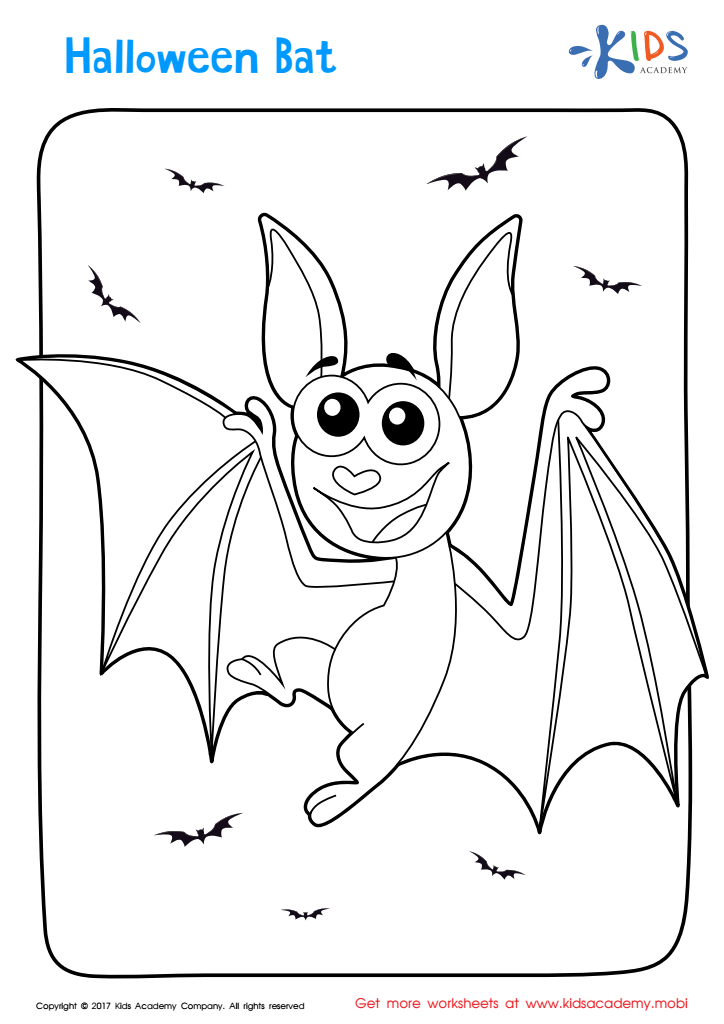
Halloween: A Bat Printable
Give your child a Halloween boost with our free coloring page. They'll have a blast adding their own decorations and creating a spooky scene!
Download (PDF)
Assign to My Students
Assign to My Students
Halloween: A Bat Printable
Worksheet
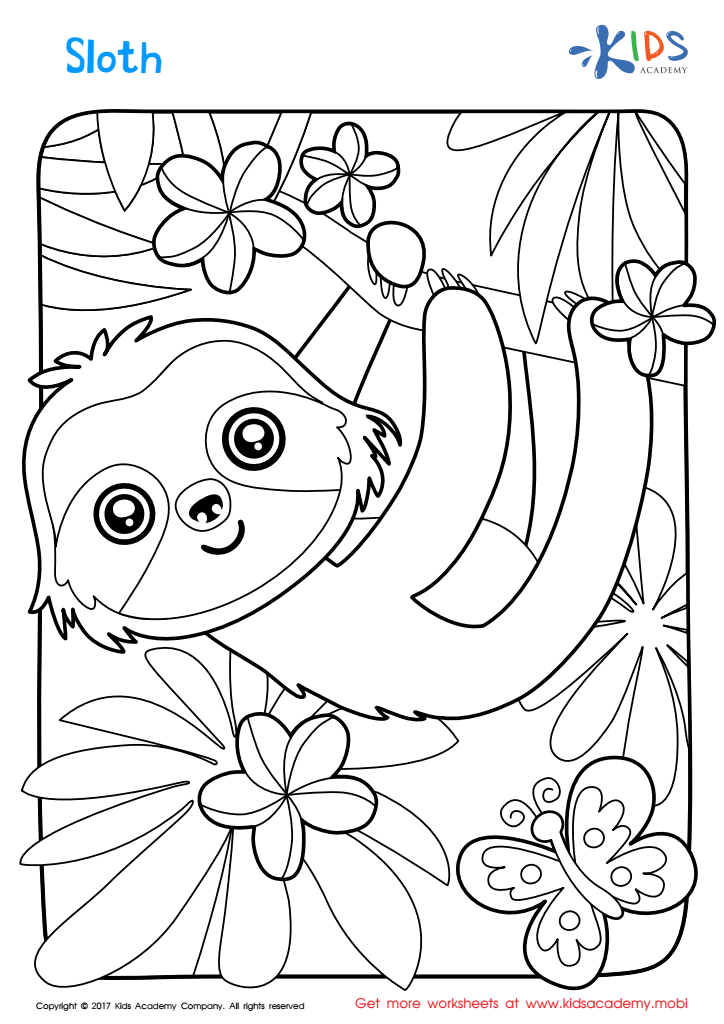
Sloth Worksheet
Get your kid excited to color the sloth coloring page! Explain to them the fascinating details of this slow-moving animal. Once complete, show it off on the fridge! For an extra lesson, look up more sloth pics and facts!
Download (PDF)
Assign to My Students
Assign to My Students
Sloth Worksheet
Worksheet
Join Kids Academy for Free
Who is primarily going to use this learning content?




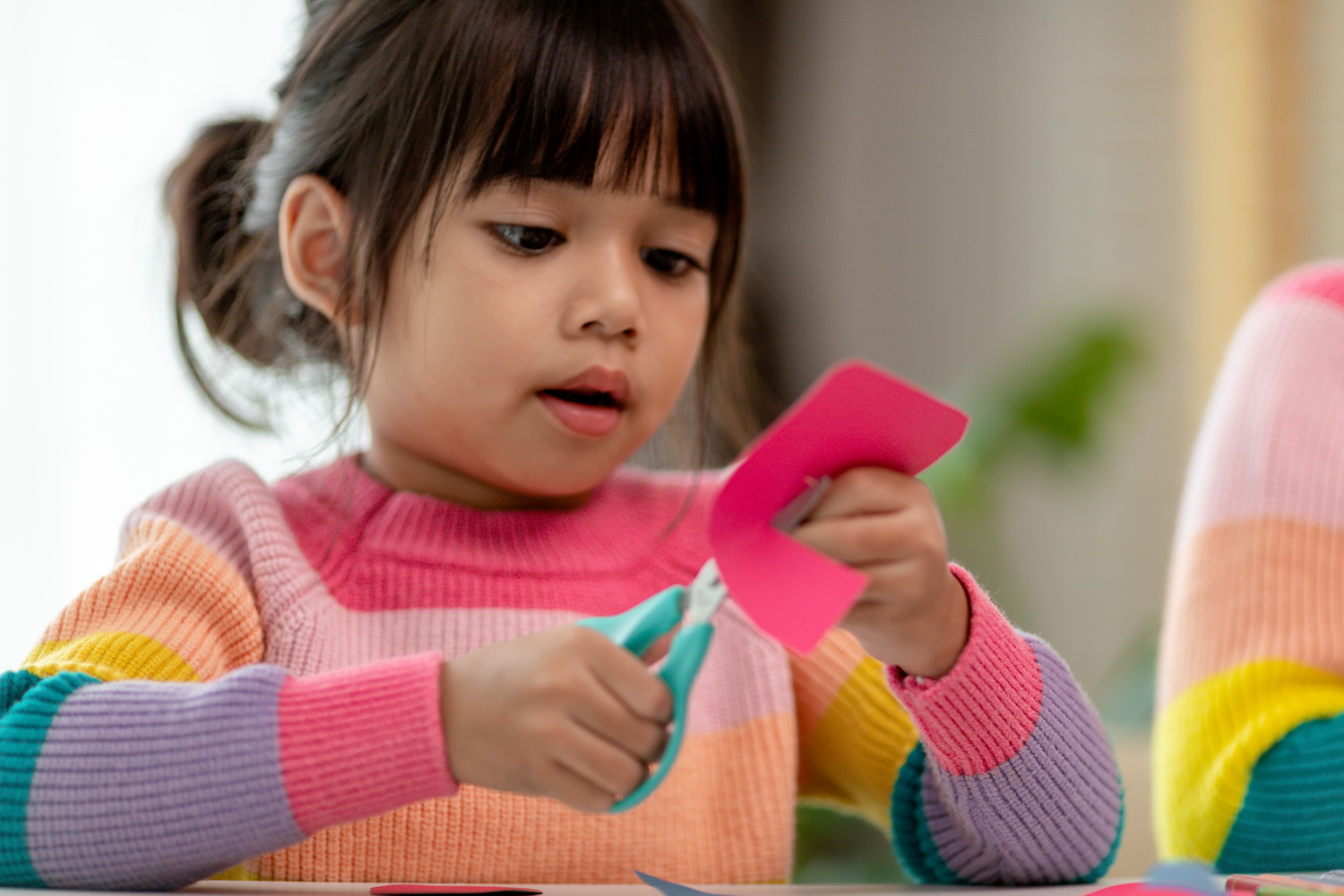



Motor skills development is crucial for children aged 5-9 as it significantly impacts their physical, cognitive, and social growth. Engaging with animals is an excellent way to facilitate this development.
Firstly, interacting with animals enhances fine motor skills. Activities such as grooming pets, feeding small animals, or even drawing and coloring pictures of animals encourage the use of small hand muscles, improving dexterity and hand-eye coordination. These skills are foundational for writing, buttoning clothes, and using utensils.
Secondly, caring for animals often involves physical activity, which boosts gross motor skills. Playing fetch with a dog, setting up a fish tank, or visiting farms requires running, lifting, and precise movements. These activities help children develop balance, strength, and overall fitness.
Additionally, motor skill development through animal interactions has cognitive benefits. Following multiple-step instructions—like how to feed or clean an animal—enhances sequencing abilities and memory. Observing animal behaviors stimulates curiosity and critical thinking.
Socially, taking care of animals teaches empathy and responsibility. Children learn to anticipate the needs of another living being, fostering patience and compassion. This helps in building better relationships in their human interactions.
Thus, fostering motor skills development through activities related to animals offers a multi-faceted approach, aiding children in building well-rounded, essential life skills.