Color recognition Vocabulary Coloring Pages Worksheets for Ages 5-9
8 filtered results
-
From - To
Unlock the joy of learning with our Color Recognition Vocabulary Coloring Pages Worksheets, specially designed for children ages 5-9! These engaging, printable worksheets combine art and education, helping young learners develop essential language skills while exploring colors. Each coloring page features vibrant illustrations and simple vocabulary words, encouraging kids to identify, name, and color objects in a fun and interactive way. Perfect for home or classroom use, these worksheets not only boost creativity but also enhance fine motor skills and color awareness. Make learning colorful and exciting today—download our Color Recognition Vocabulary Coloring Pages and support your child’s educational journey!
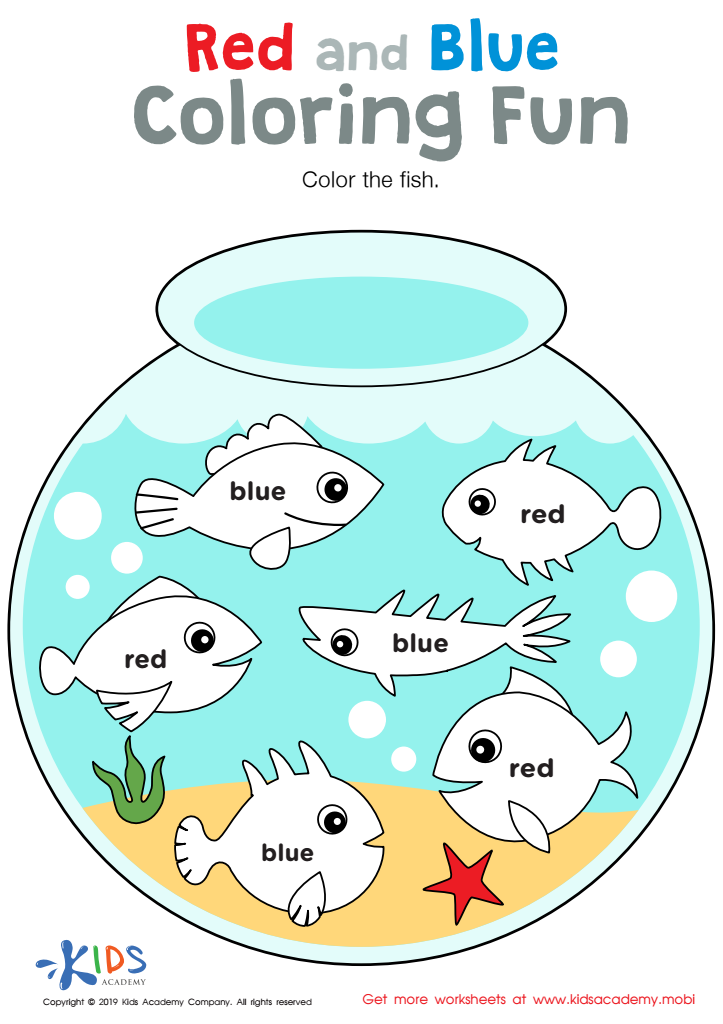
Red and Blue Coloring Fun Worksheet
 Assign to My Students
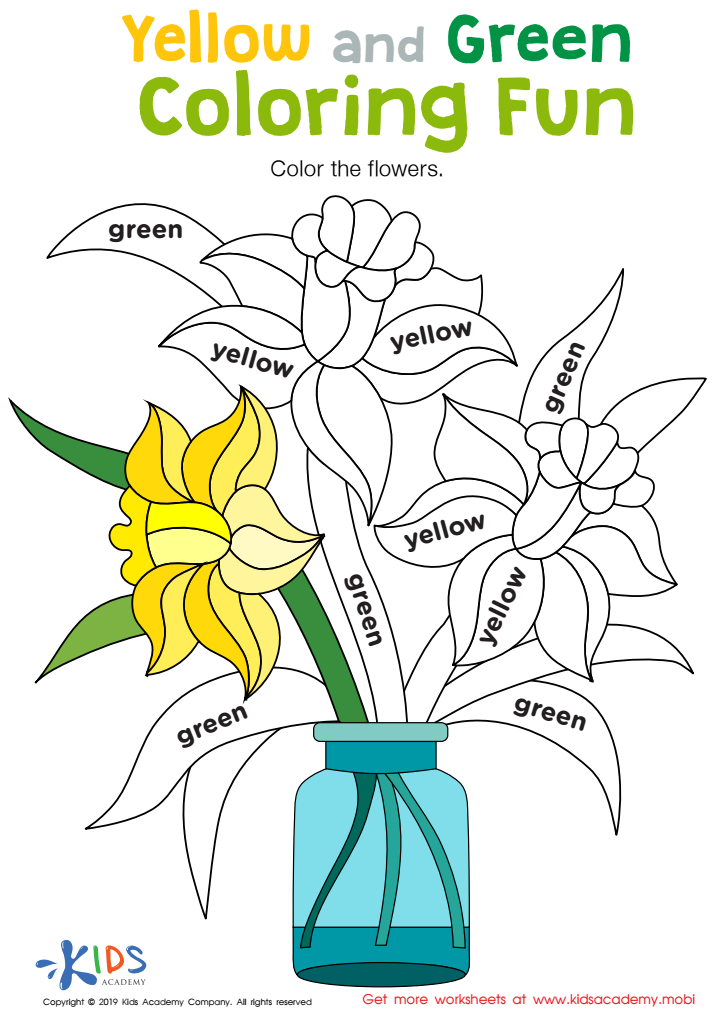
Yellow and Green Coloring Fun Worksheet
Assign to My Students
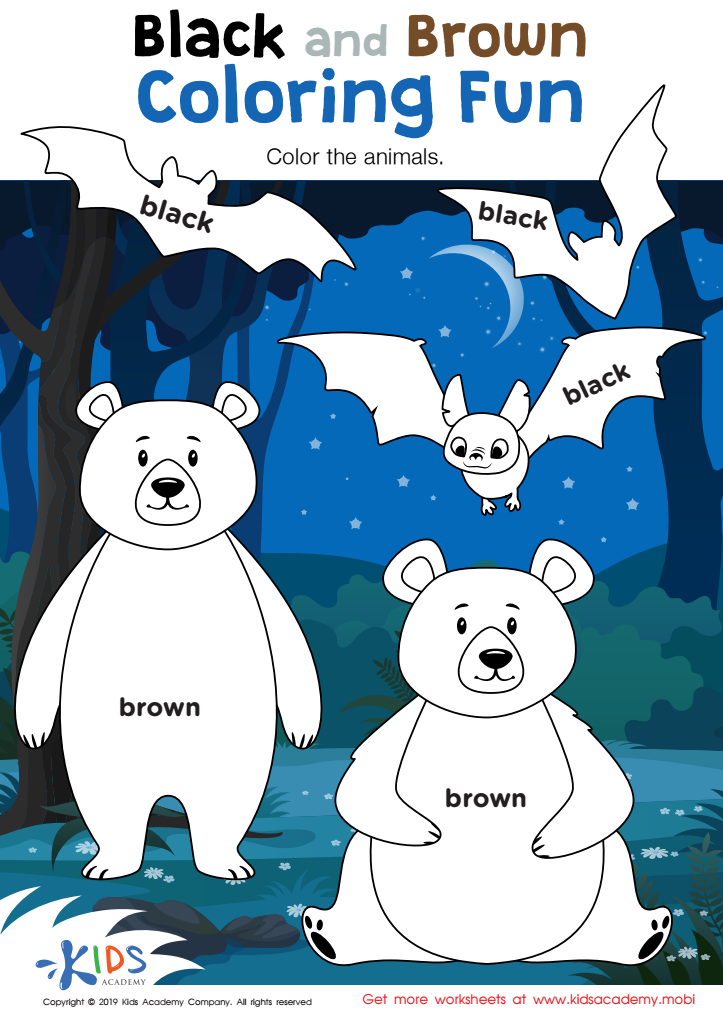
Black and Brown Coloring Fun Worksheet
Assign to My Students
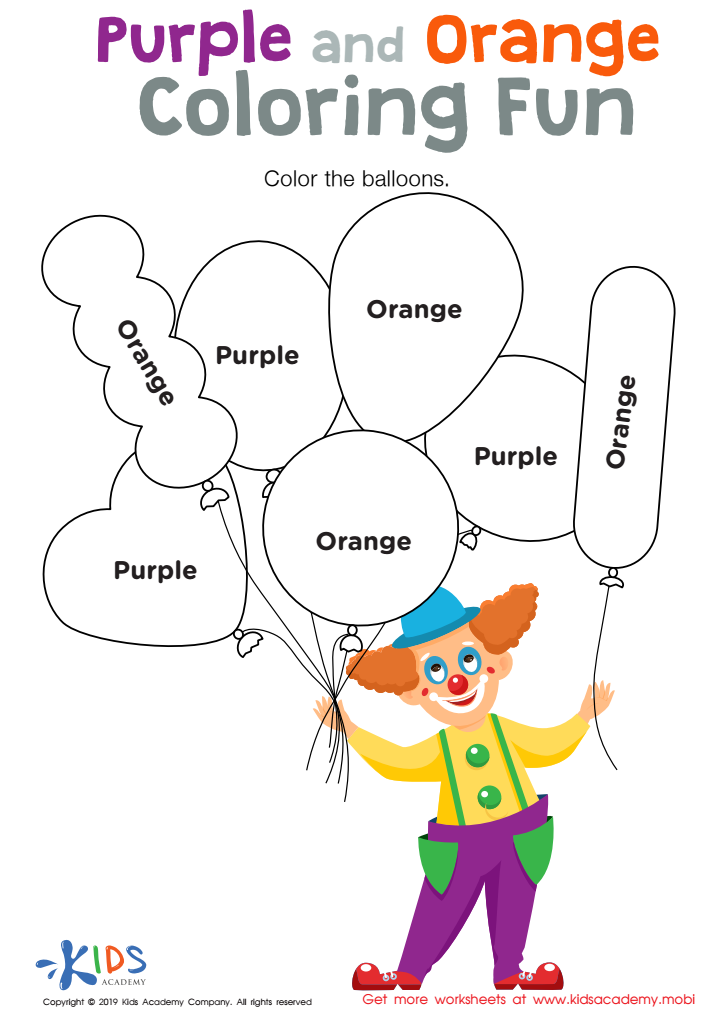
Purple and Orange Coloring Fun Worksheet
Assign to My Students
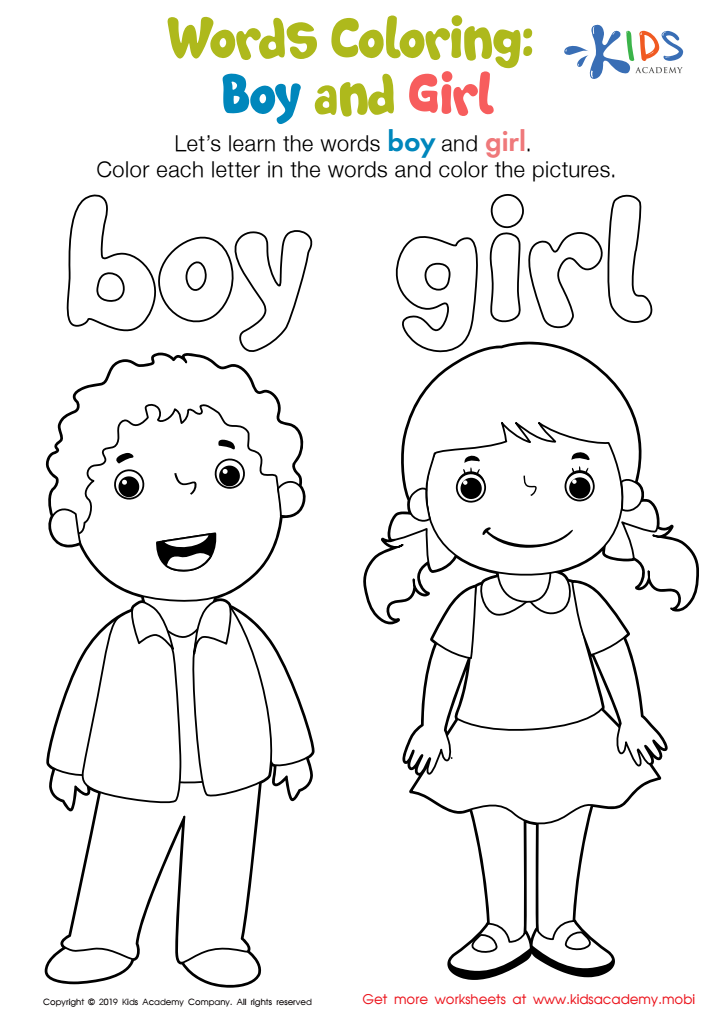
Boy and Girl Words Coloring Worksheet
Assign to My Students
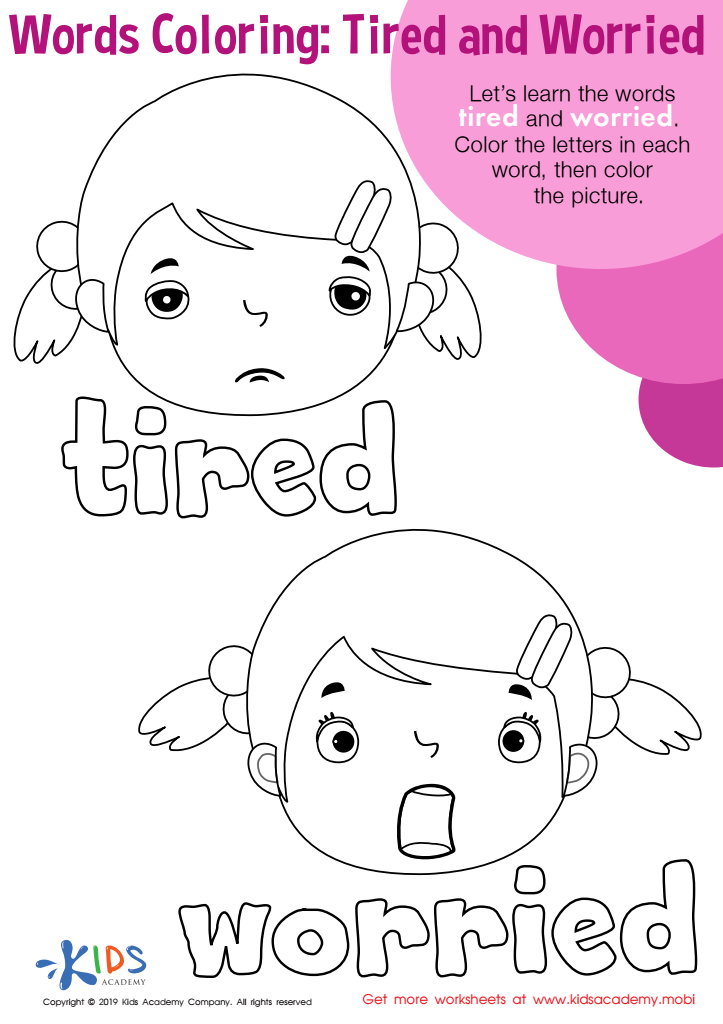
Tired and Worried Words Coloring Worksheet
Assign to My Students
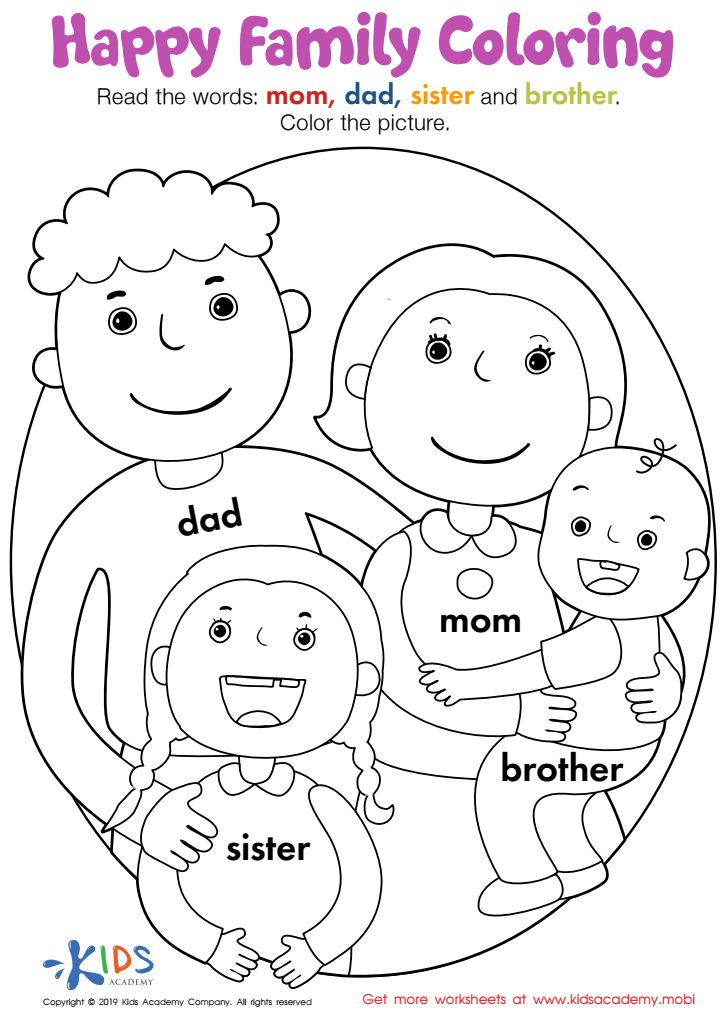
Happy Family Coloring Worksheet
Assign to My Students
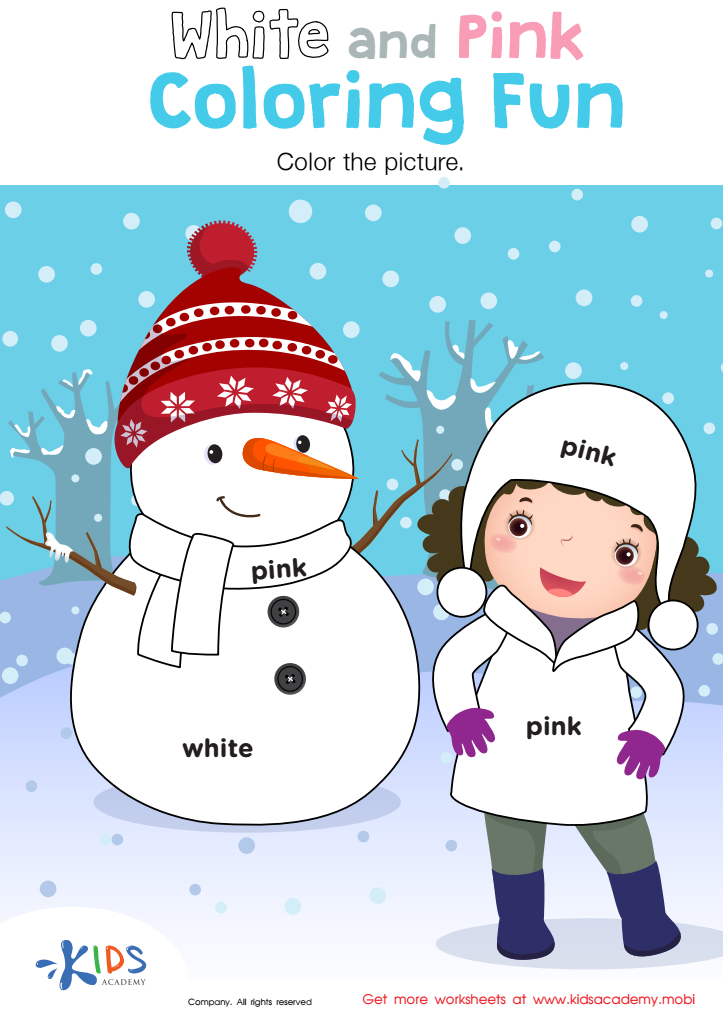
White and Pink Coloring Fun Worksheet
Assign to My Students


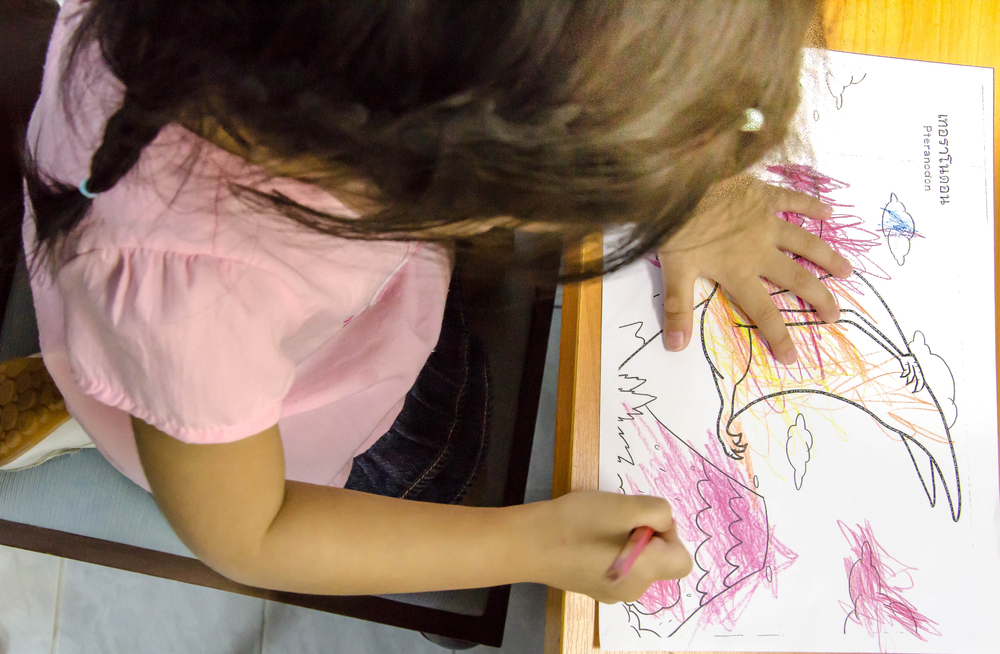




Color recognition and vocabulary development are crucial aspects of early childhood education, especially for children aged 5-9. Parents and teachers should care about coloring pages designed for color recognition for several reasons.
Firstly, these pages provide a fun, engaging way for children to learn colors while expressing their creativity. As children color various objects in different shades, they reinforce their understanding of colors in a hands-on manner. This active learning can enhance retention and make the lesson memorable.
Secondly, color recognition is linked to critical cognitive skills. By identifying colors, children develop their observational abilities and learn to categorize and differentiate between objects—skills that are foundational for math and science learning later on.
Furthermore, coloring activities often incorporate associated vocabulary, enhancing language skills. Children are introduced to words related to colors and objects, expanding their vocabulary in contextual settings and fostering effective communication.
Lastly, these activities can encourage social interaction. Group coloring tasks allow children to collaborate, share materials, and discuss colors, building teamwork and social skills.
In summary, color recognition vocabulary coloring pages serve as an essential educational tool that promotes creativity, cognitive development, language skills, and social interaction in young learners.