Basic geometry concepts Worksheets for Ages 5-9
3 filtered results
-
From - To
Introduce your child to the exciting world of geometry with our Basic Geometry Concepts Worksheets, specifically designed for ages 5-9! These engaging, printable worksheets help young learners explore shapes, sizes, and spatial relationships through fun activities and colorful illustrations. Each worksheet reinforces essential skills such as shape recognition, symmetry, and understanding basic geometric terms, making learning both enjoyable and effective. Ideal for at-home practice or classroom use, our geometry worksheets promote critical thinking and problem-solving abilities while boosting confidence in math skills. Start your child's geometric journey today and watch them build a solid foundation for future mathematical success!
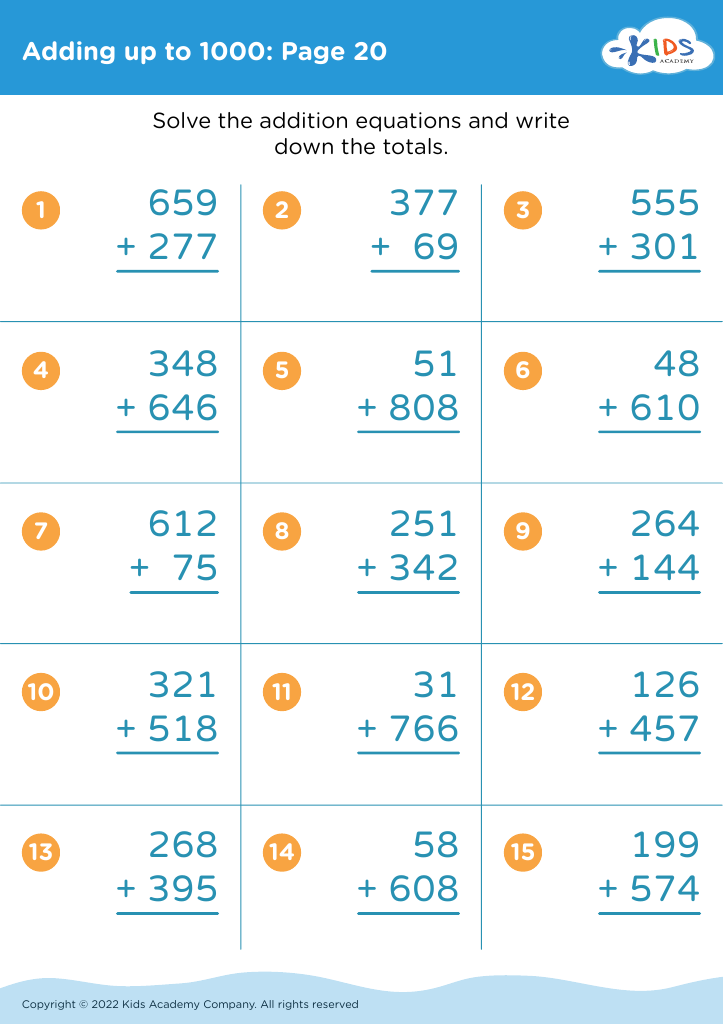
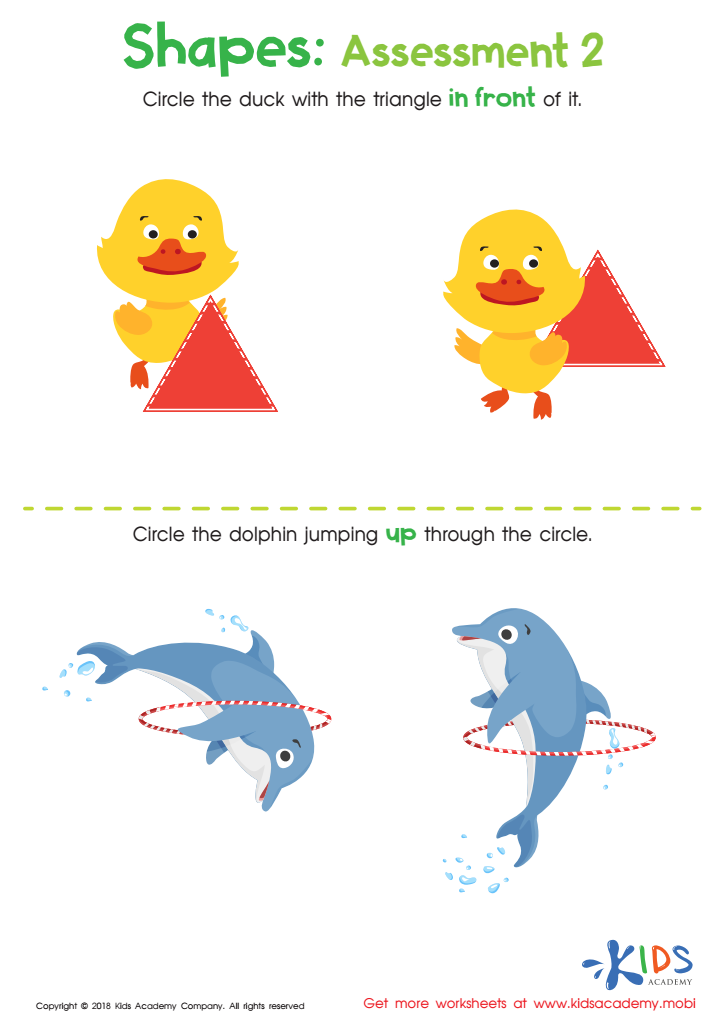
Geometry – Assessment 2 Worksheet
 Assign to My Students
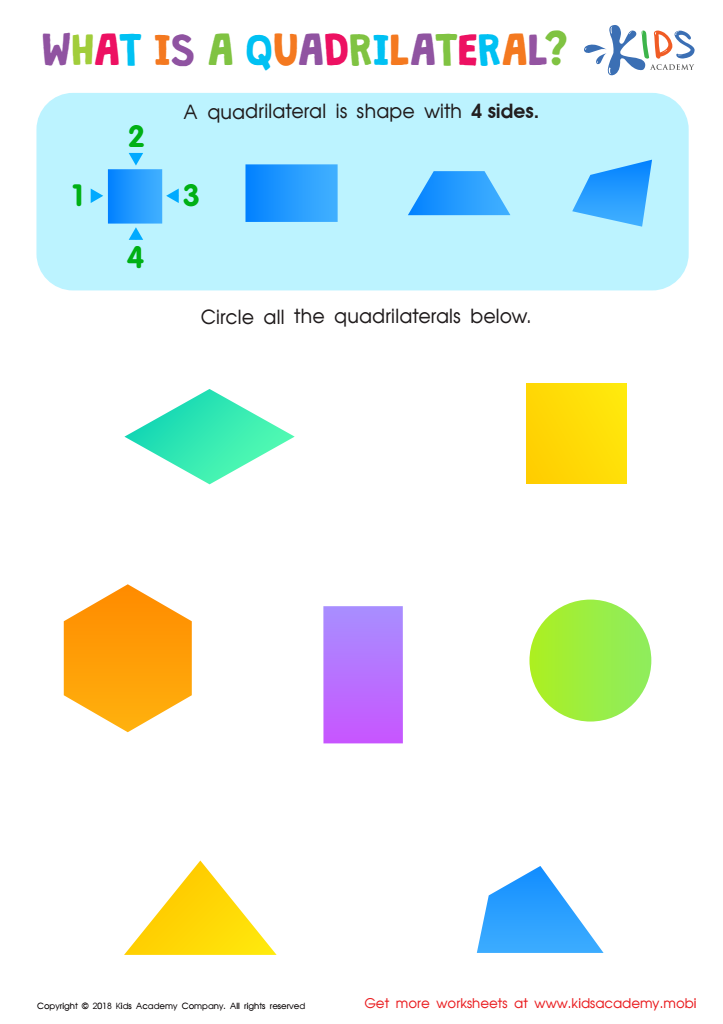
What Is a Quadrilateral? Worksheet


.jpg)





Basic geometry concepts are foundational skills for children aged 5 to 9, making them crucial for parents and teachers to emphasize. At this age, children are naturally curious and engaged in hands-on activities, making it an ideal time to introduce shapes, spatial awareness, and measurements. Understanding geometry helps develop critical thinking and problem-solving skills, as children learn to recognize patterns and relationships in their environment.
By mastering basic geometric concepts, children enhance their ability to visualize and manipulate objects, which supports their overall cognitive development. This foundational knowledge also lays the groundwork for more complex mathematical concepts encountered in later grades. Additionally, geometry has practical applications in daily life—whether it’s organizing their rooms, understanding maps, or engaging in art and design projects.
Moreover, geometry encourages creativity and fosters an appreciation for the arts and sciences. It promotes spatial reasoning, essential for STEM fields, thereby increasing opportunities for future academic and career paths. When parents and teachers prioritize basic geometry, they equip children with essential tools for academic success and everyday life, nurturing well-rounded individuals ready to tackle a variety of challenges. Therefore, investing in geometric understanding is an opportunity to cultivate essential lifelong skills.








