Color recognition Worksheets for Ages 5-9 - Page 6
124 filtered results
-
From - To
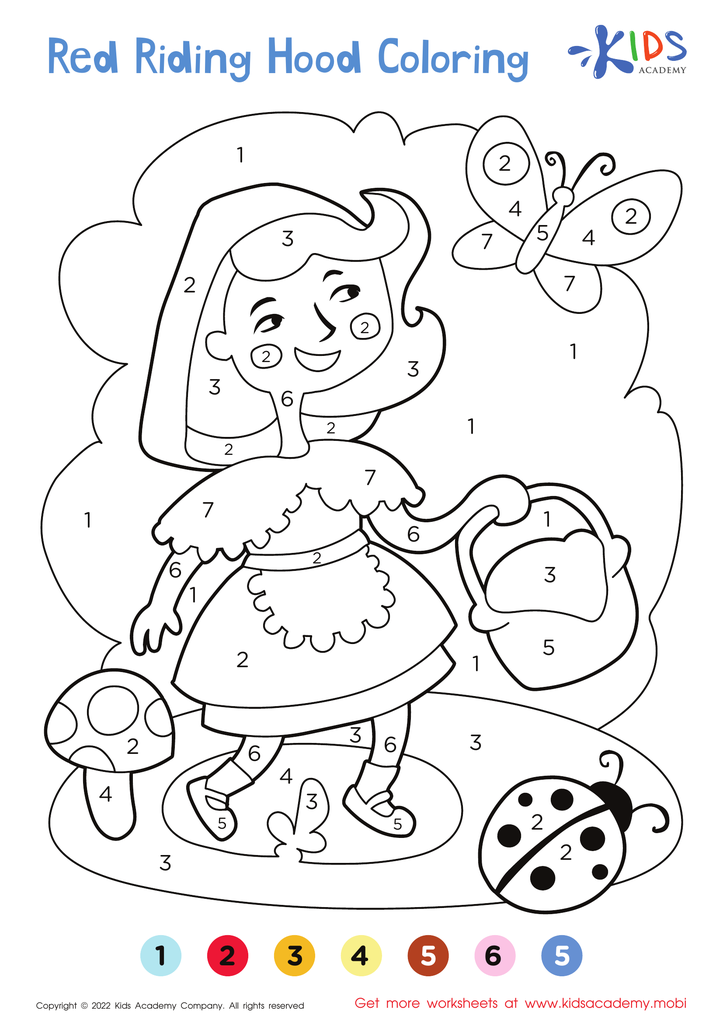
Little Red Riding Hood – Coloring by Numbers
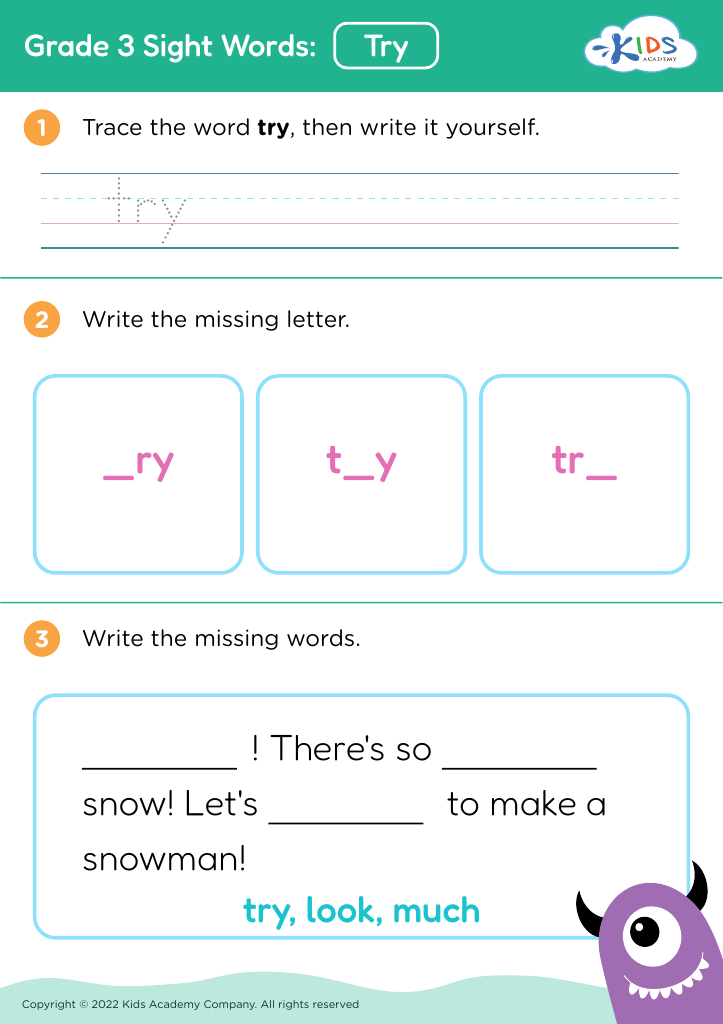
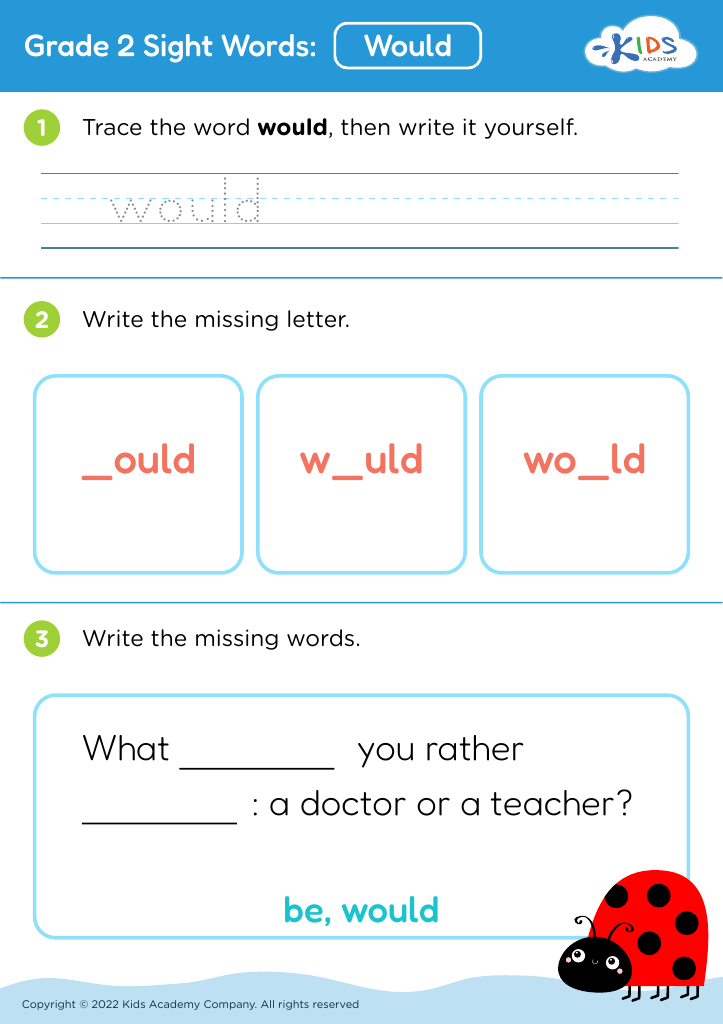
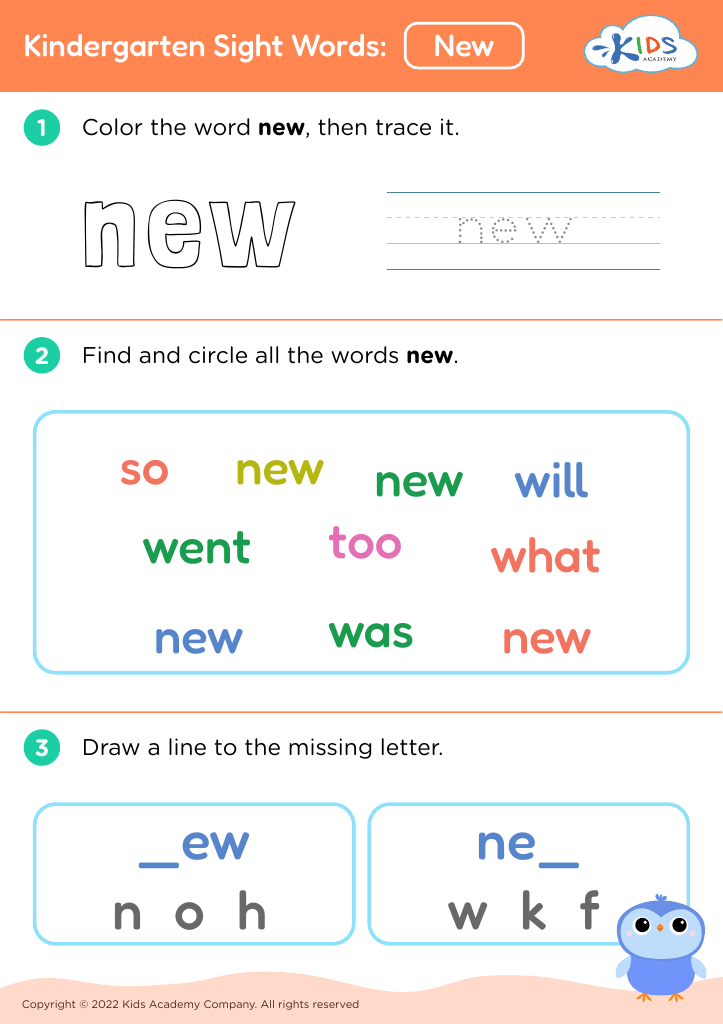








Color recognition is a fundamental skill for children aged 5-9, playing a crucial role in their cognitive, social, and emotional development. Understanding colors aids in the enhancement of language skills as children learn to identify, name, and describe various shades. This vocabulary-building exercise helps in the development of their communication abilities, essential for expressing ideas and interacting with others.
Moreover, color recognition fosters creativity and imaginative thinking. It is essential for children to identify and differentiate colors in art activities, allowing them to explore their creativity freely. By engaging with colors, they can express themselves visually, which may increase confidence and self-esteem.
In addition, color recognition is strategically linked to early math skills, as children begin to sort, categorize, and pattern items based on color. These foundational math skills are pivotal for later problem-solving abilities.
Furthermore, recognizing colors can enhance children's safety, helping them to distinguish important signs or warnings in their environment. For teachers and parents, supporting children's color recognition assists in building a solid foundation for learning, fostering a well-rounded development that will aid them throughout their educational journey and daily life.








