Counting practice Worksheets for Ages 5-9 - Page 4
389 filtered results
-
From - To
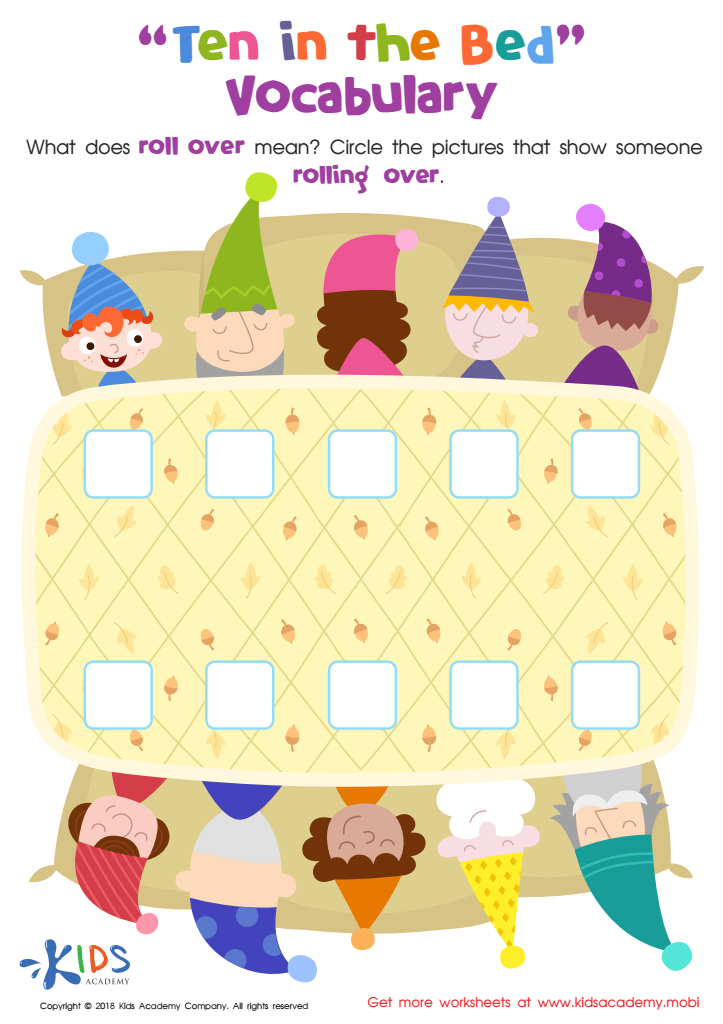
Ten in the Bed: Vocabulary Worksheet
 Assign to My Students
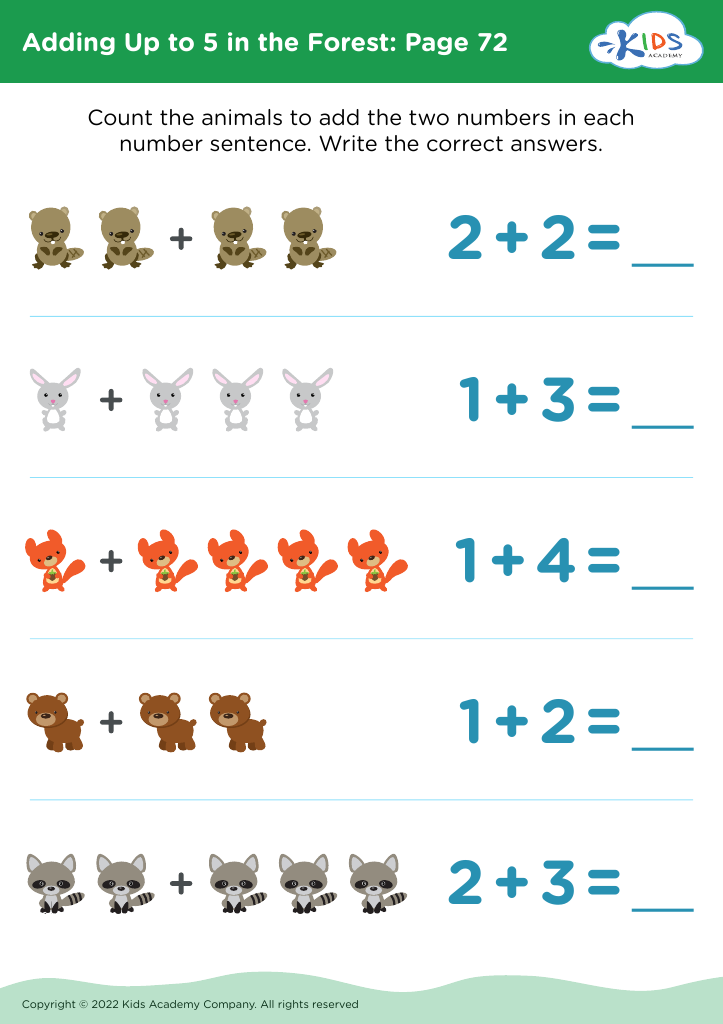
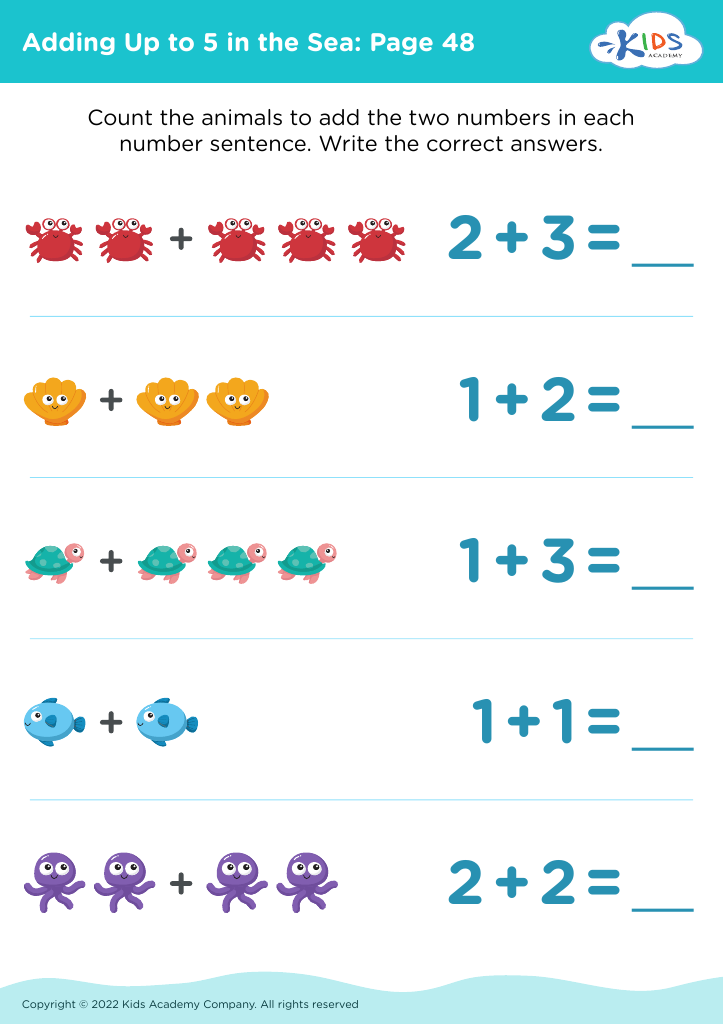
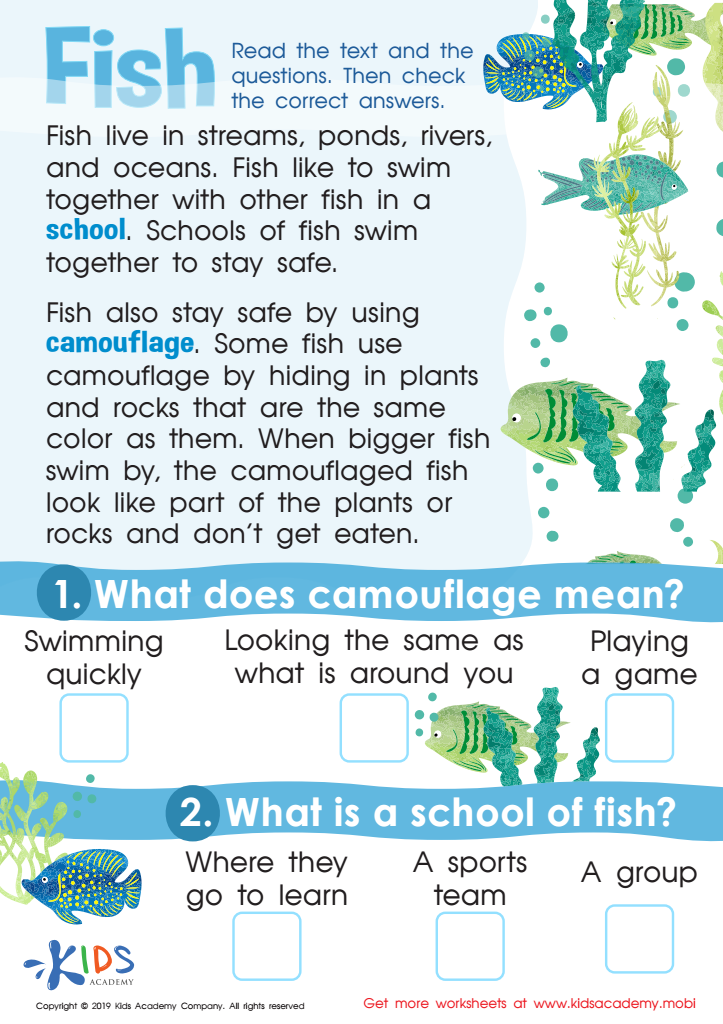
Fish Worksheet
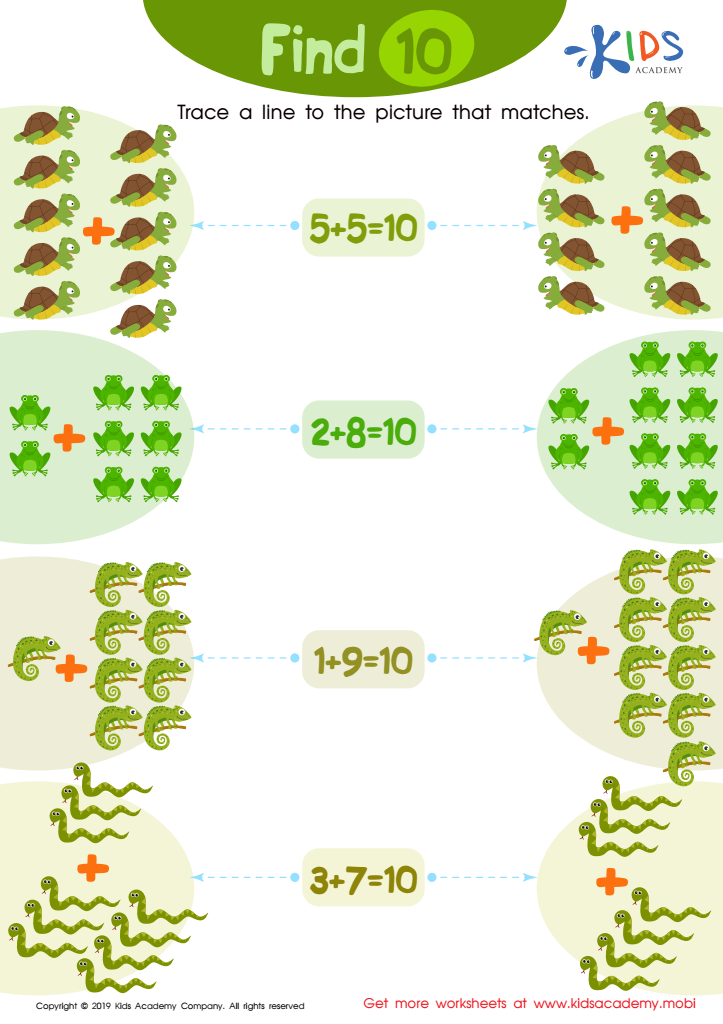
Find 10 Worksheet
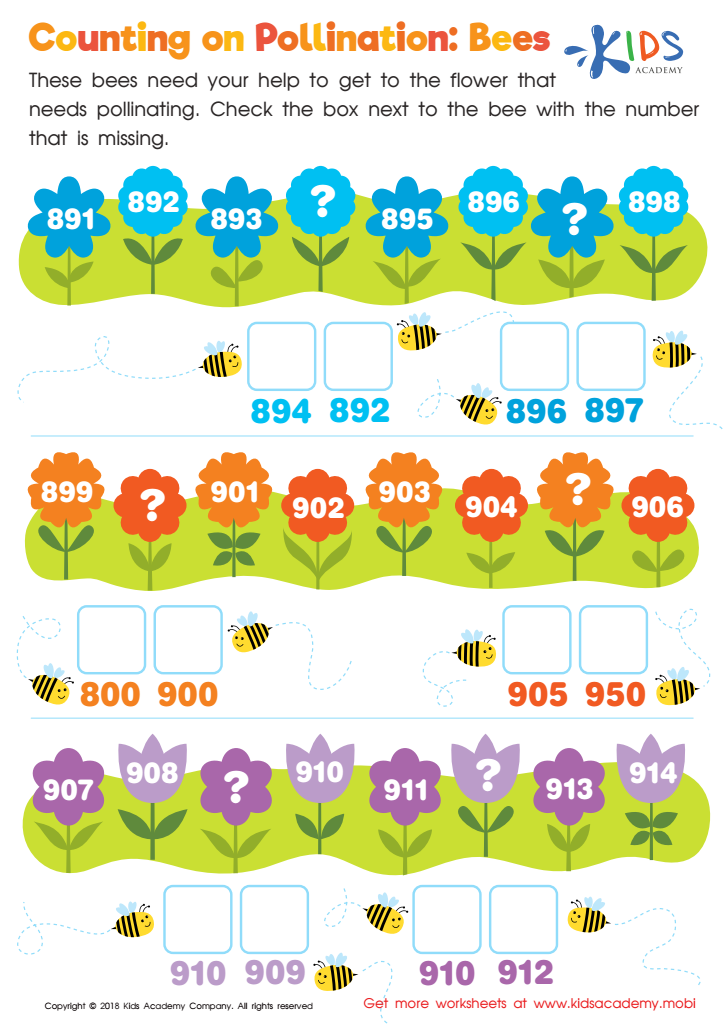
Counting on Pollination: Bees Worksheet
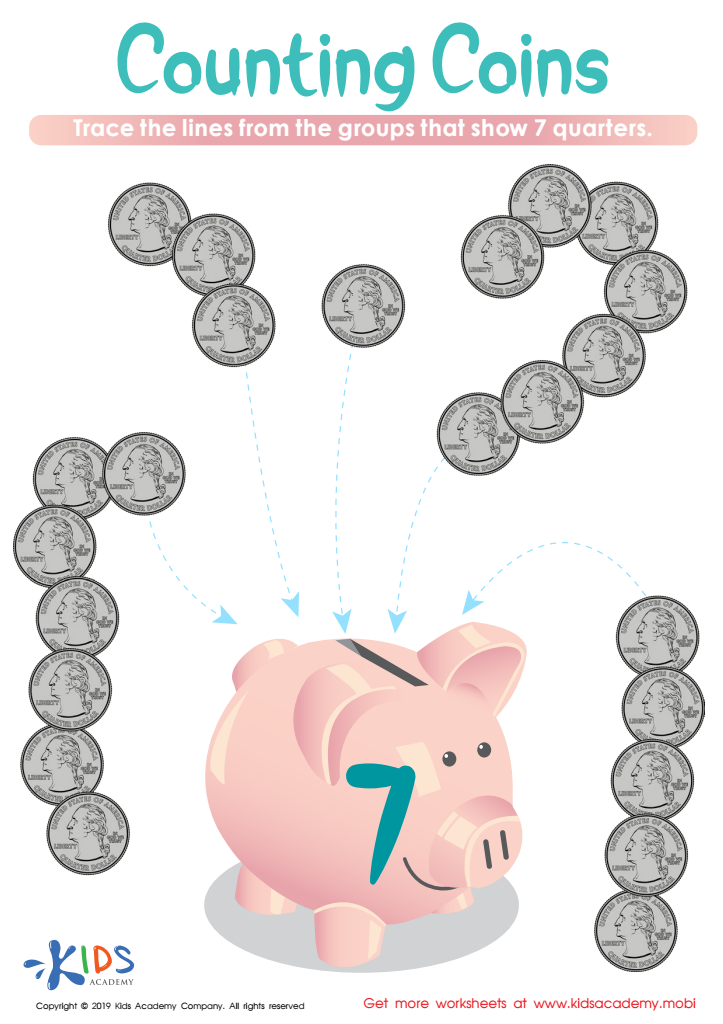
Counting Coins Worksheet
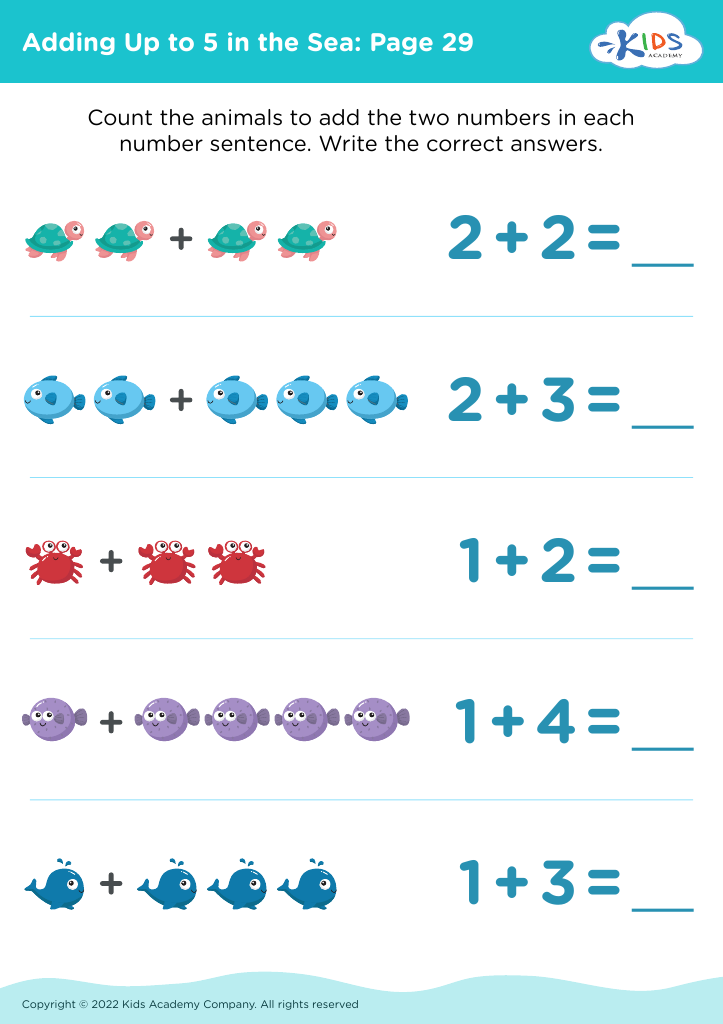
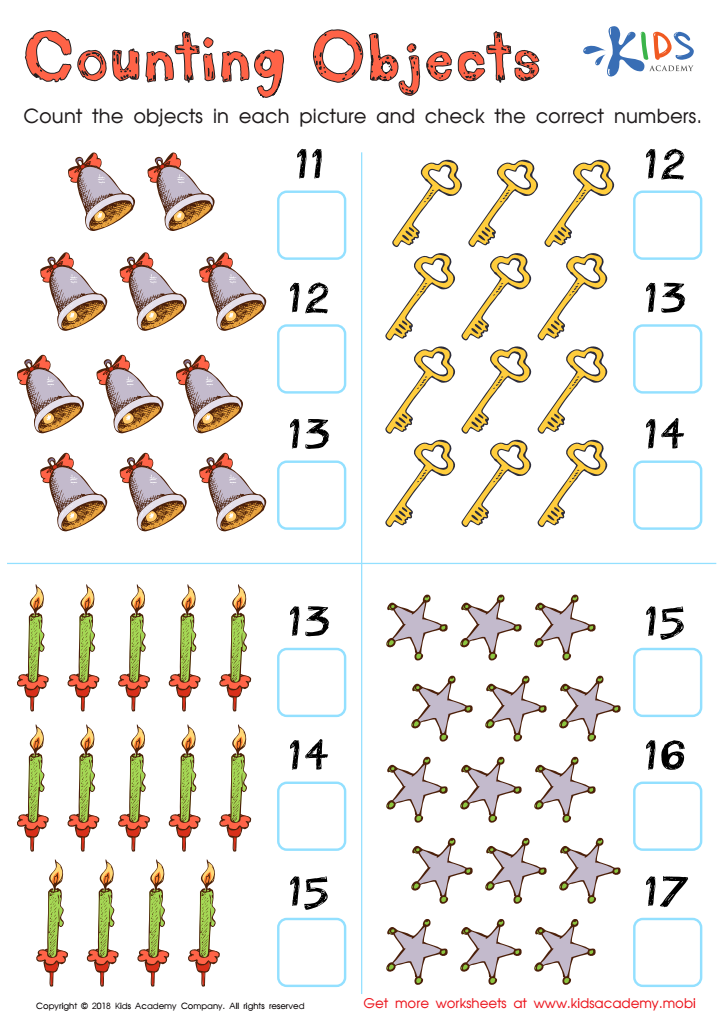
Counting Numbers Worksheet For Kindergarten
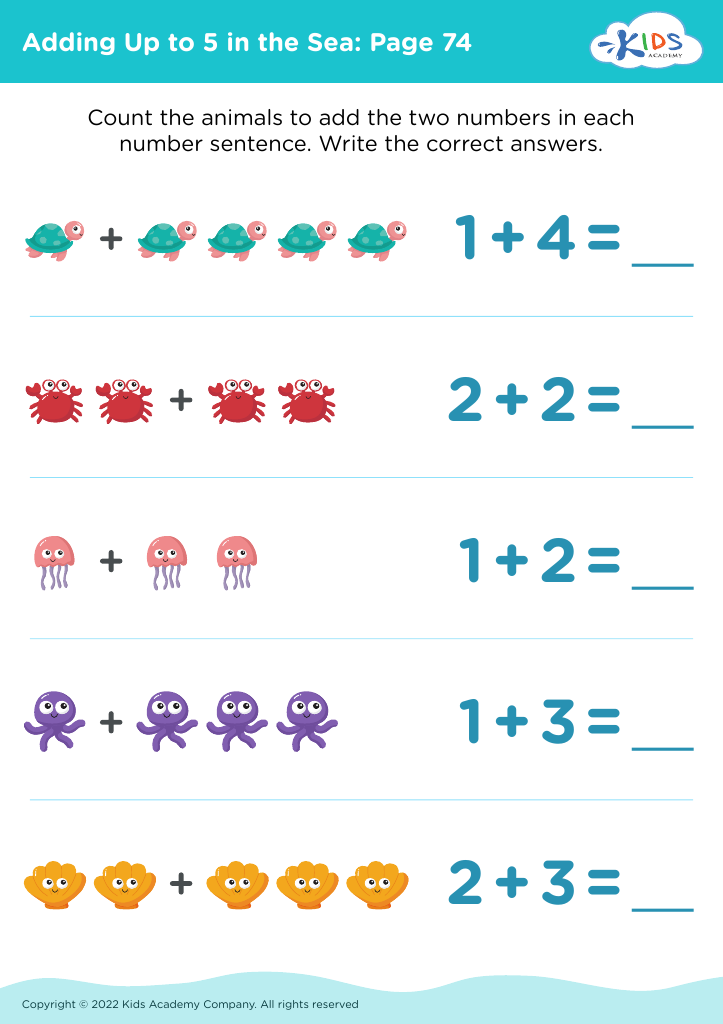
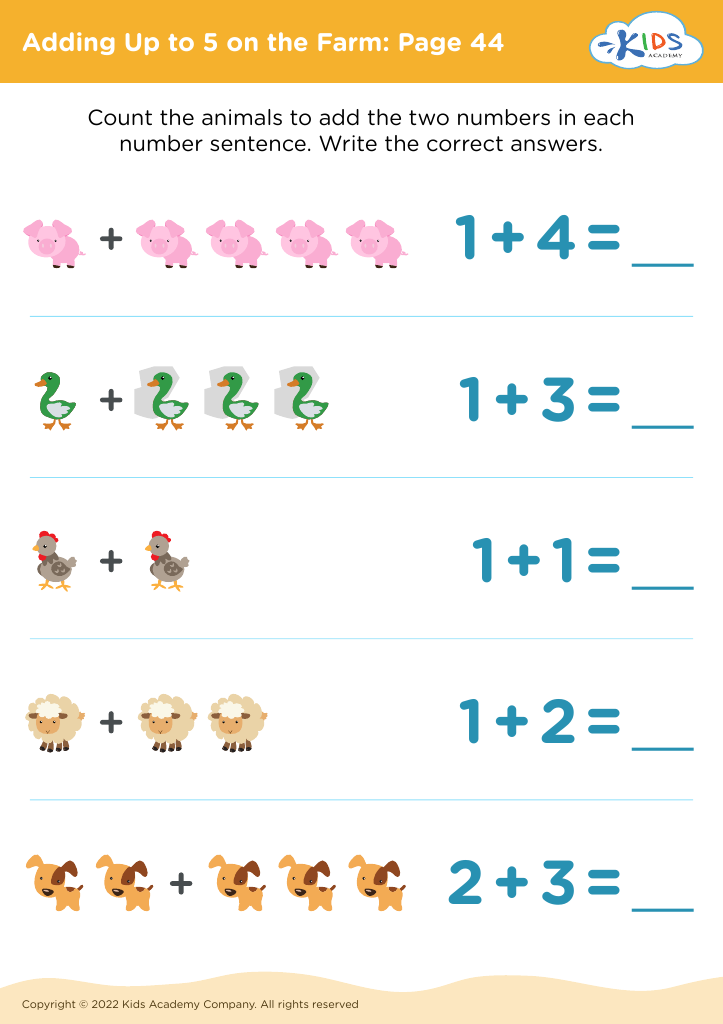
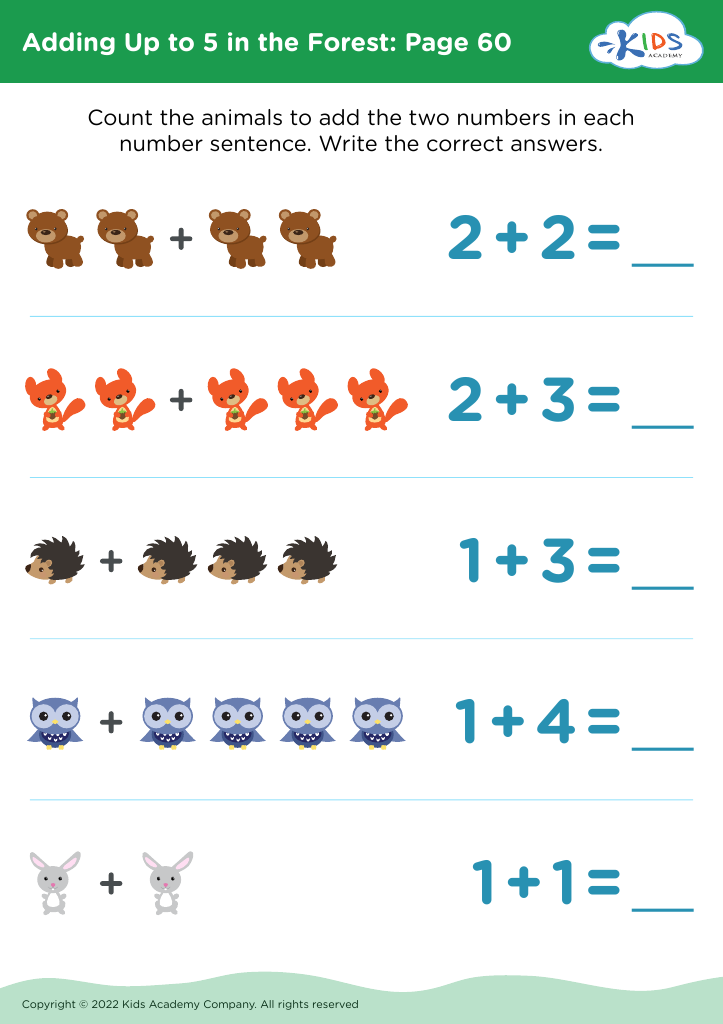
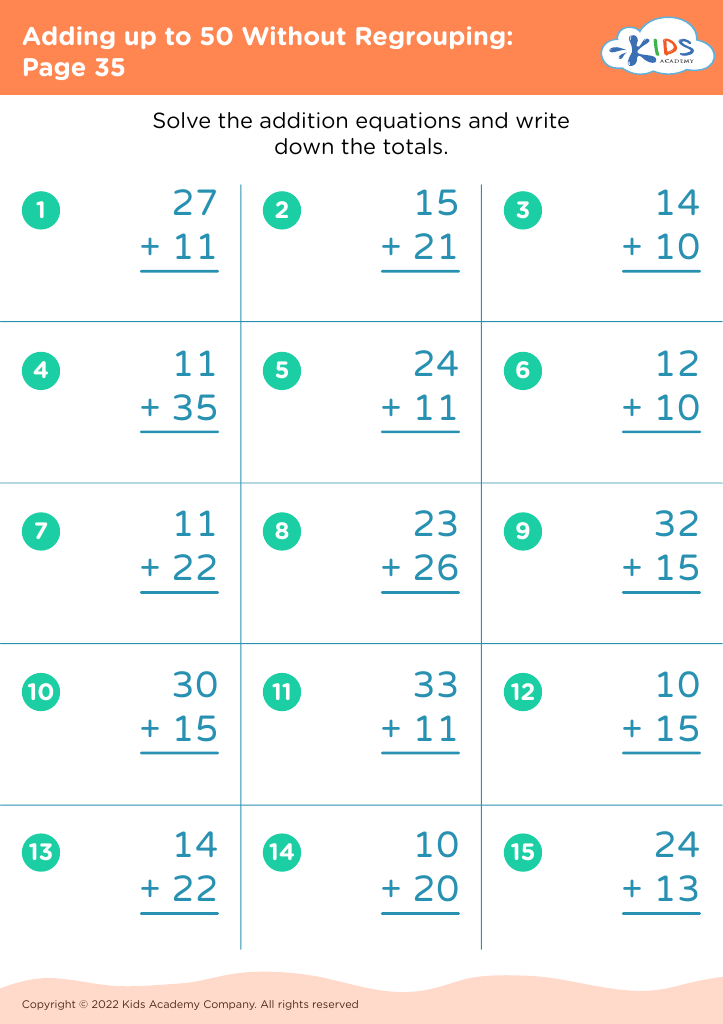
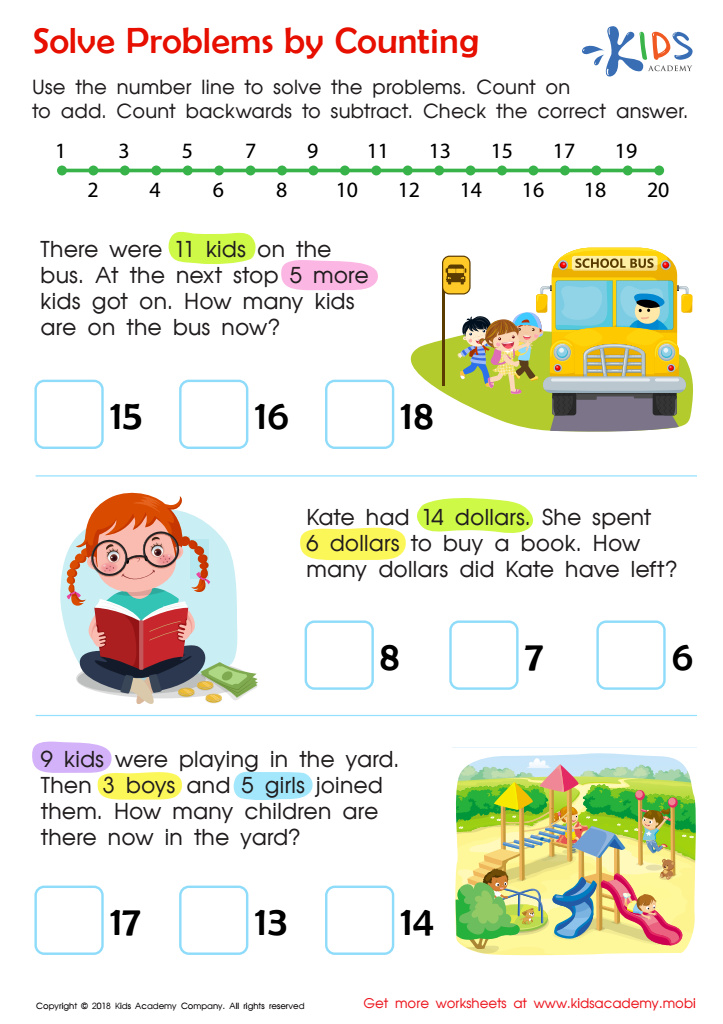
Solve Problems by Counting Worksheet
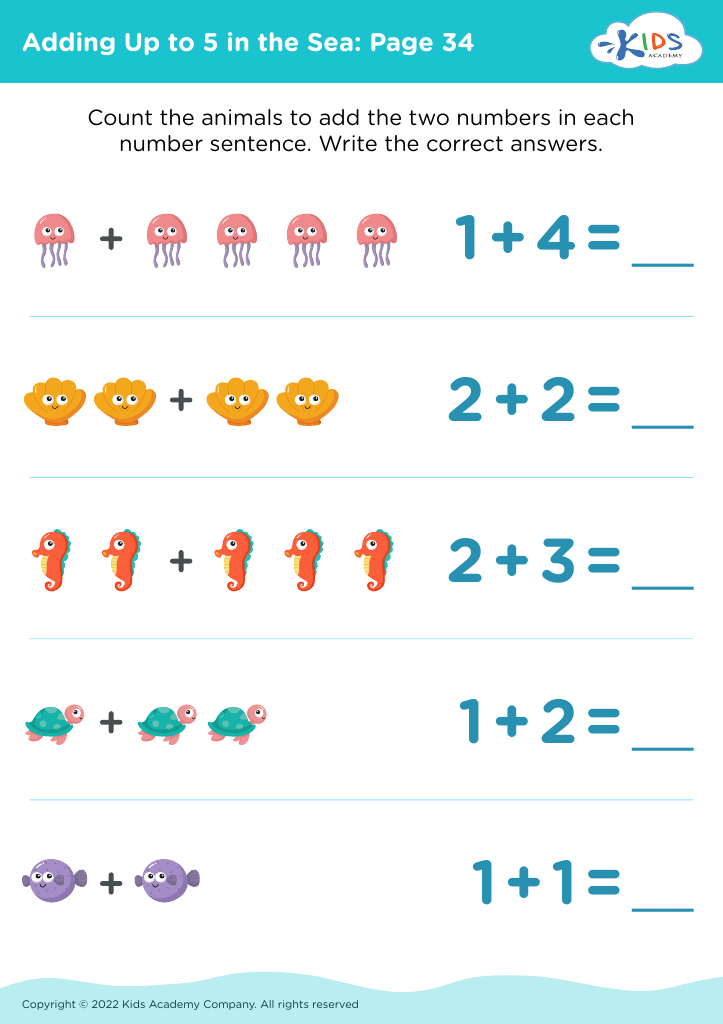
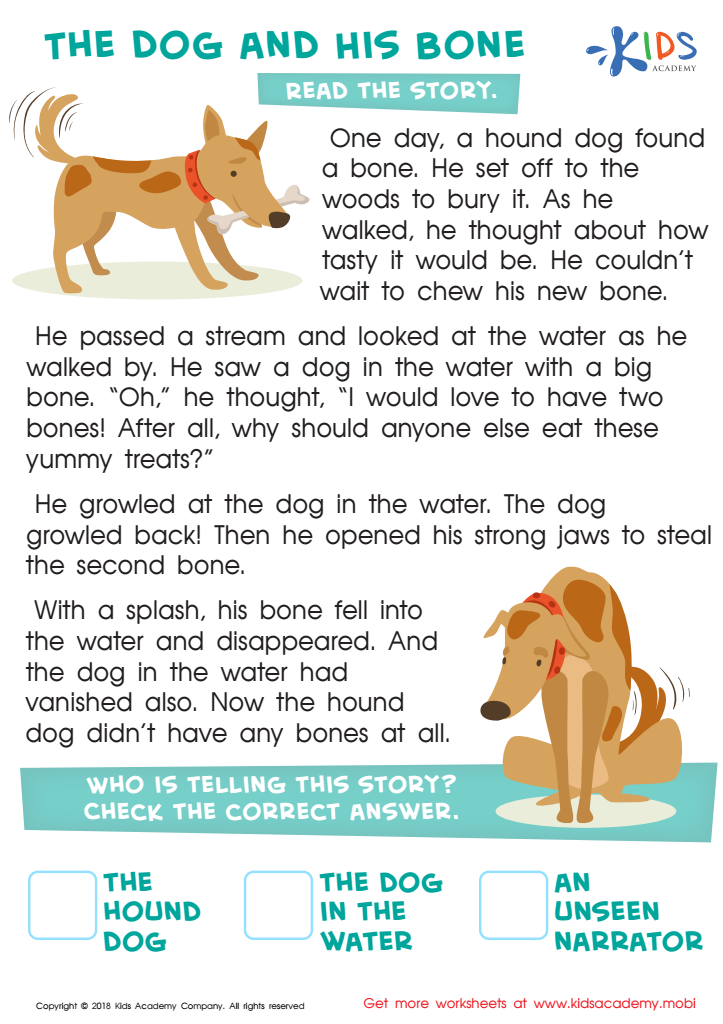
The Dog and His Bone Worksheet
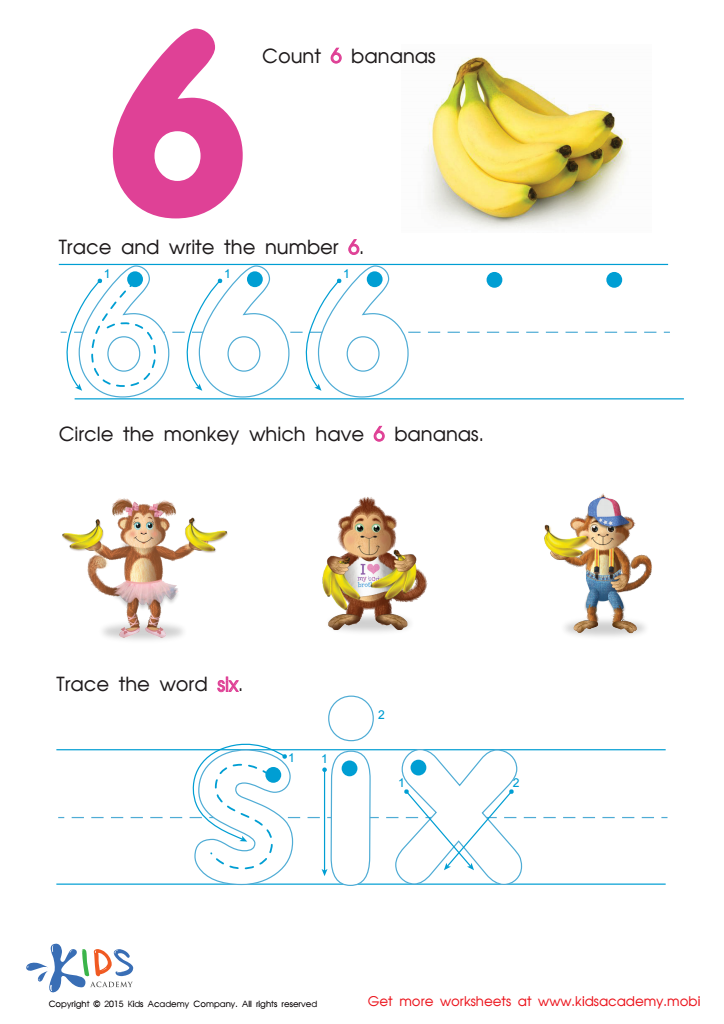
Tracing And Writing Number 6 Worksheet
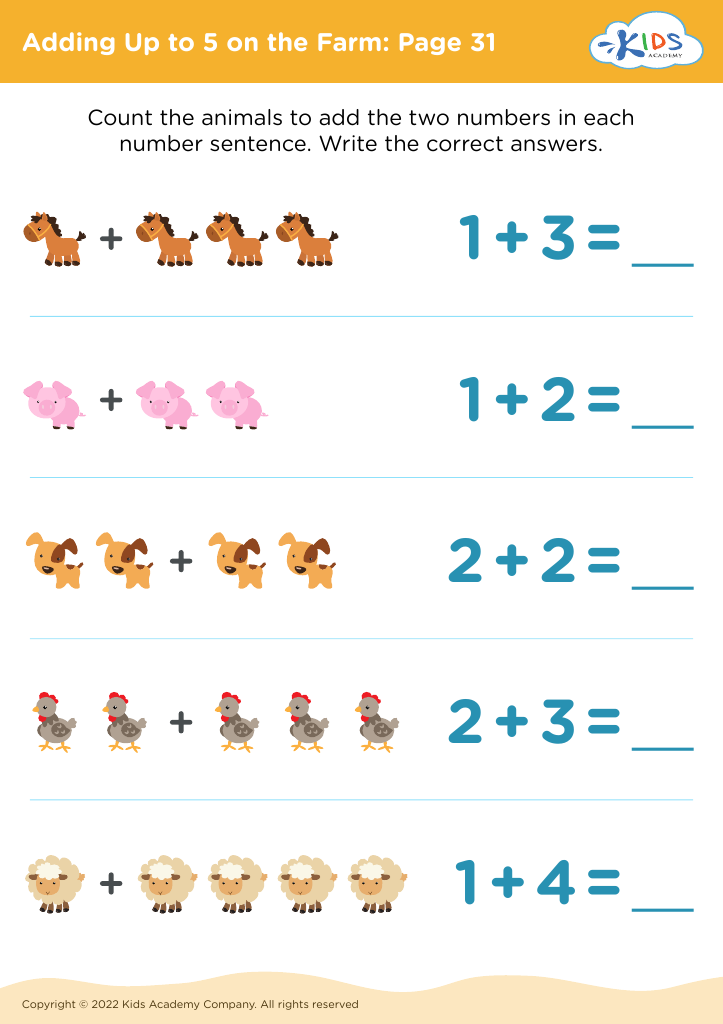








Counting practice for children aged 5-9 is foundational for their mathematical development and overall cognitive growth. At this stage, children's brains are highly receptive to learning numeral concepts, which set the groundwork for more advanced mathematical skills. Engaging in counting activities enhances a child’s number sense, enabling them to understand the quantity, order, and value of numbers, which are critical components in math proficiency.
For teachers and parents, facilitating counting practice is crucial because it nurtures problem-solving skills and logical thinking. When children count objects, they learn to make connections between numbers and real-world items, which strengthens their ability to comprehend more abstract mathematical ideas later. Additionally, counting supports memory development and attention to detail, both of which are essential skills across all academic areas.
Furthermore, counting activities often involve physical interaction with objects, which can improve fine motor skills and hand-eye coordination. Introducing counting through fun and engaging methods—like games, songs, and everyday activities—makes learning enjoyable and encourages a positive attitude toward mathematics from an early age.
Therefore, fostering a child’s ability to count not only prepares them for future academic challenges but also promotes a well-rounded cognitive development essential for succeeding in various aspects of life.








