Counting skills Worksheets for Ages 5-9 - Page 3
510 filtered results
-
From - To
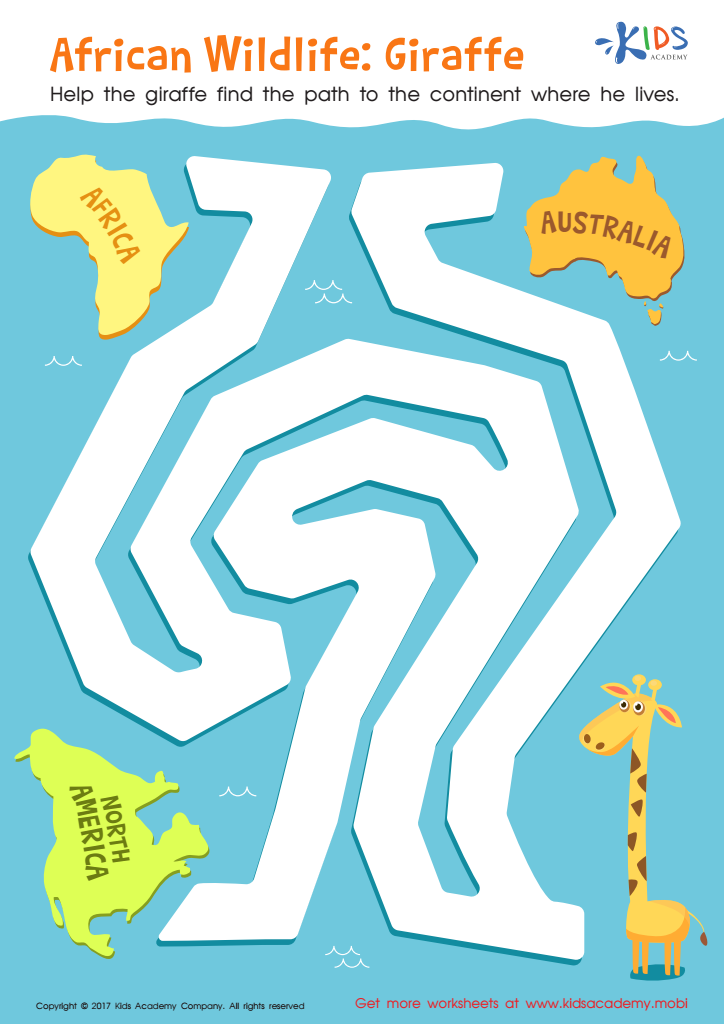
African Wildlife: Giraffe Worksheet
 Assign to My Students
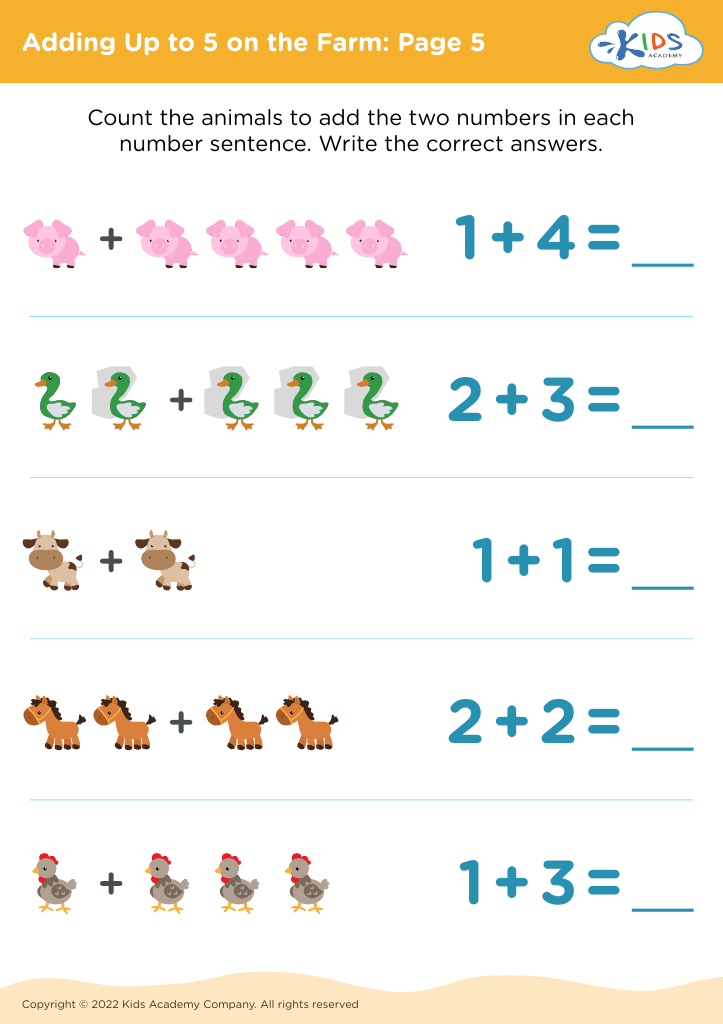
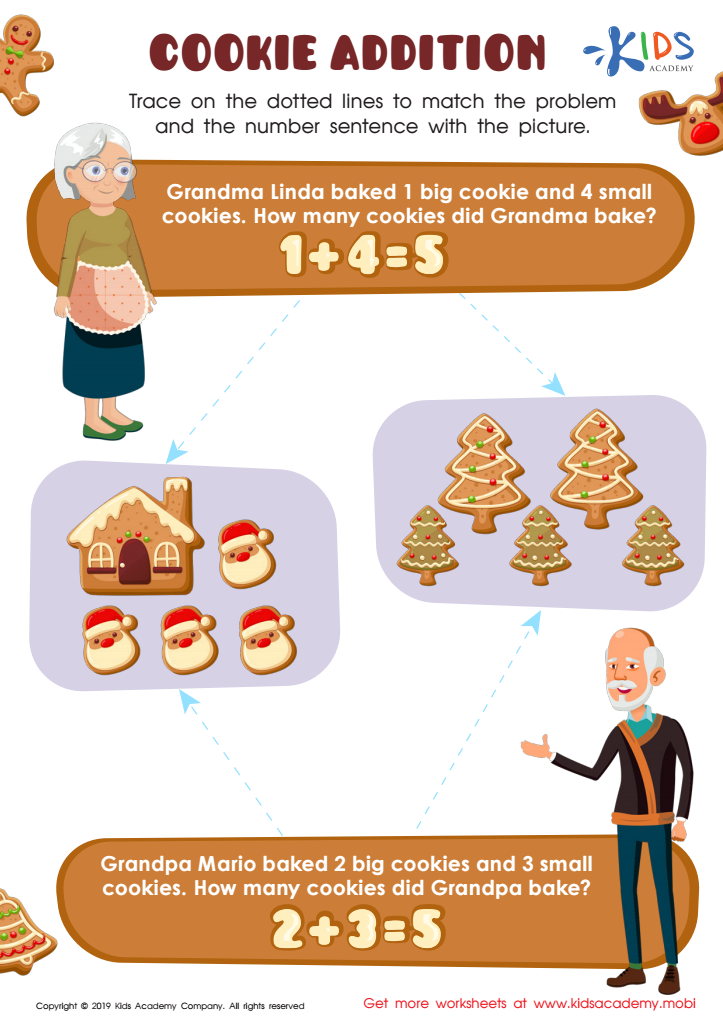
Cookie Addition Worksheet
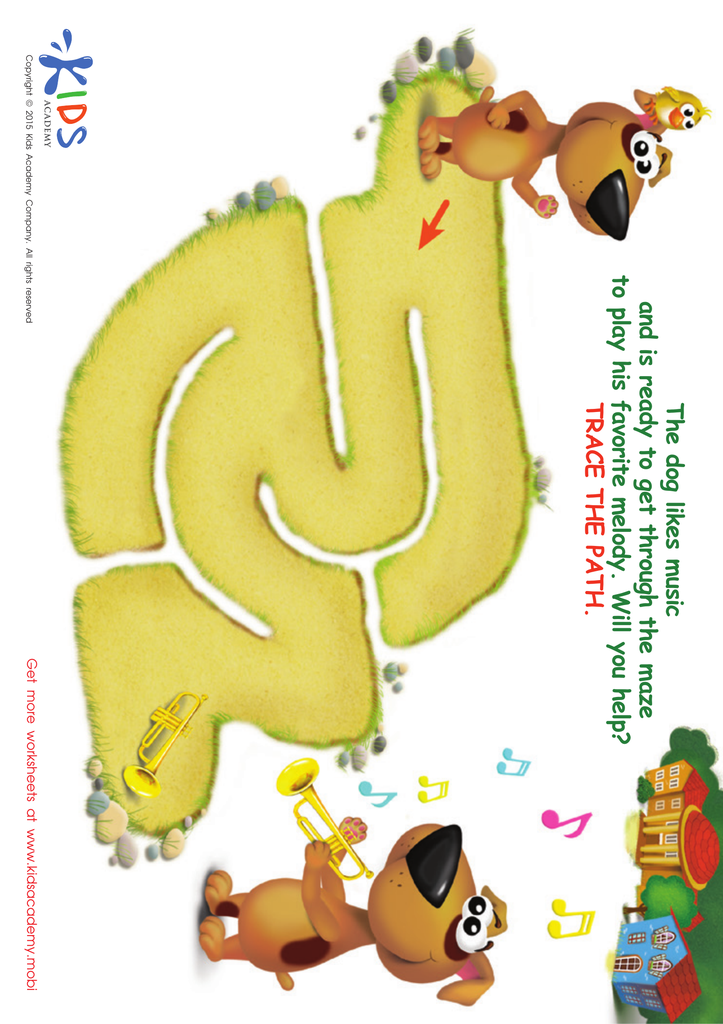
Trumpeter Maze Worksheet
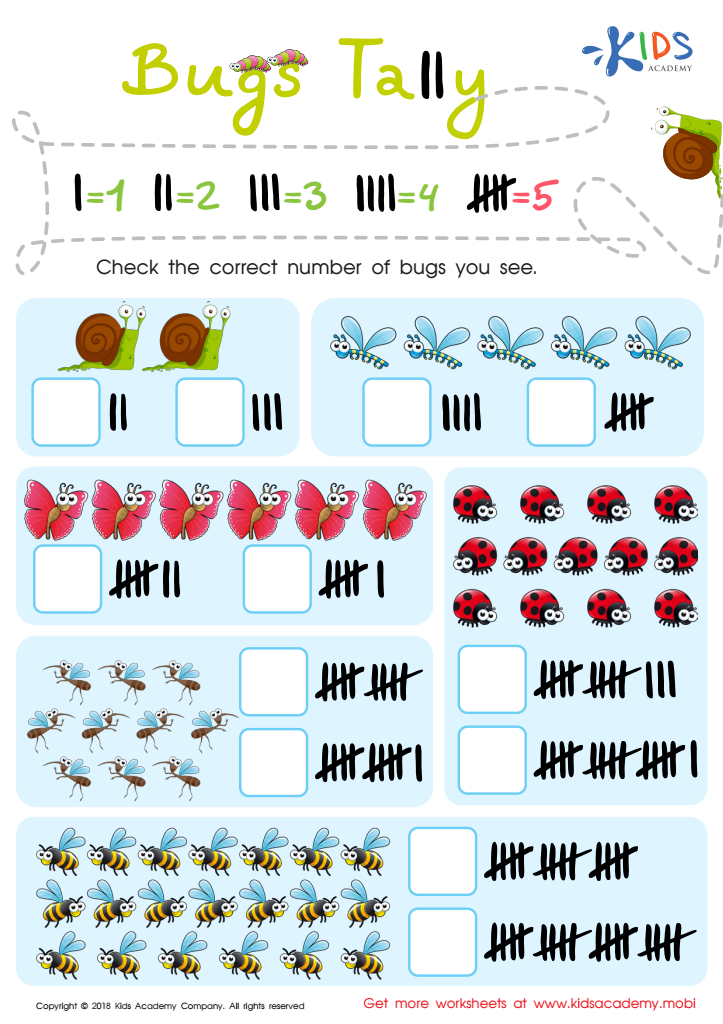
Bugs Tally Worksheet
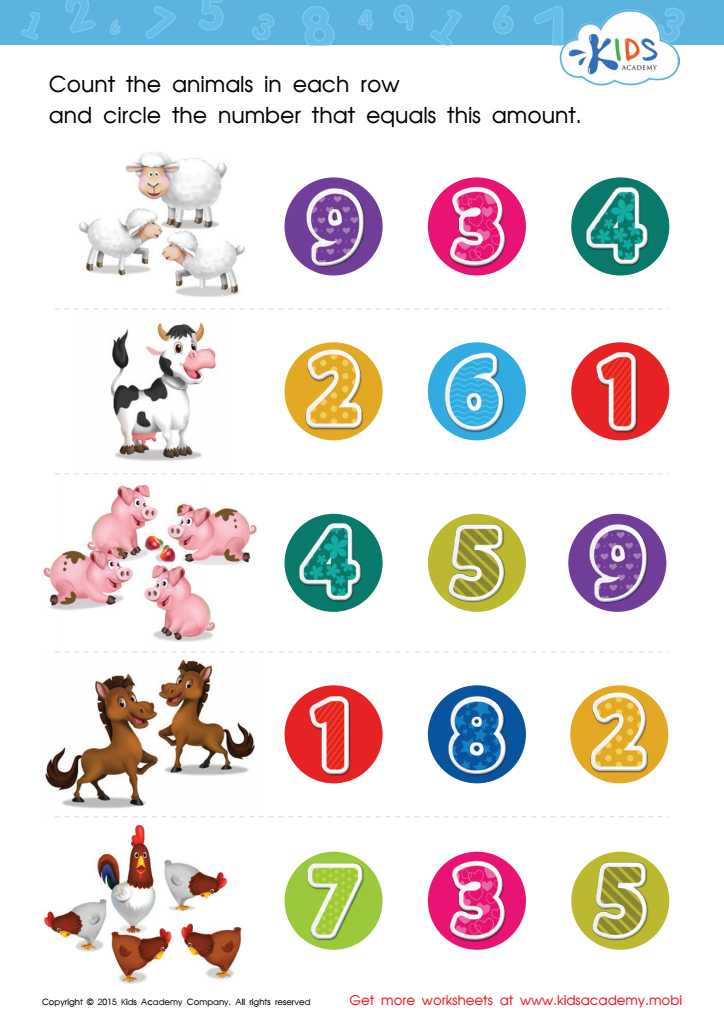
Count and Match 1 – 5 Math Worksheet
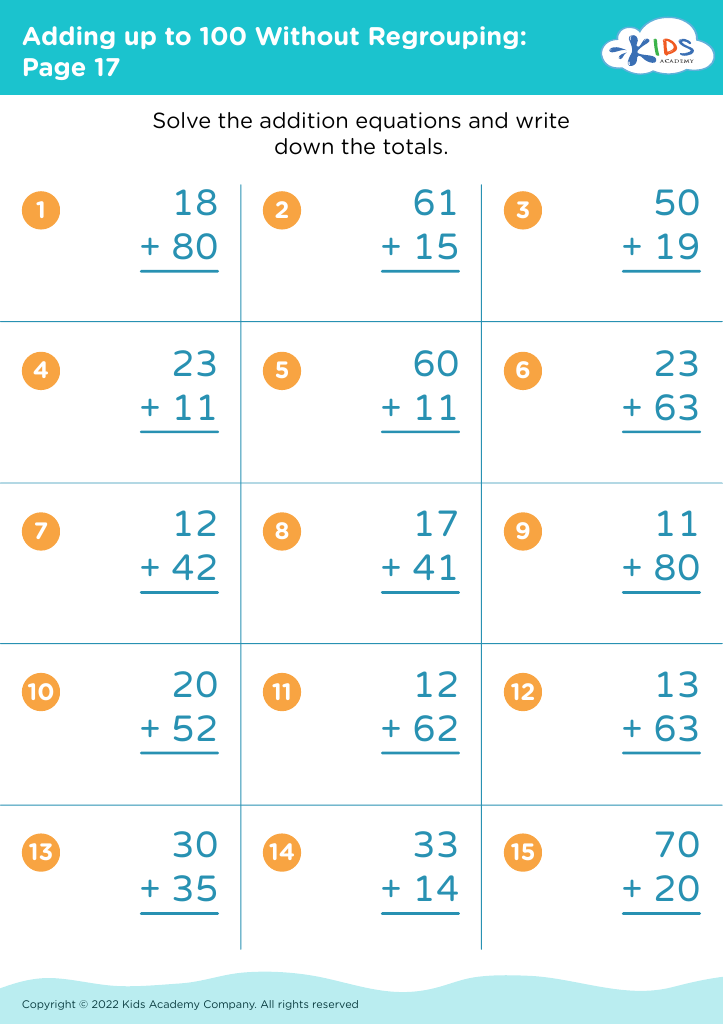
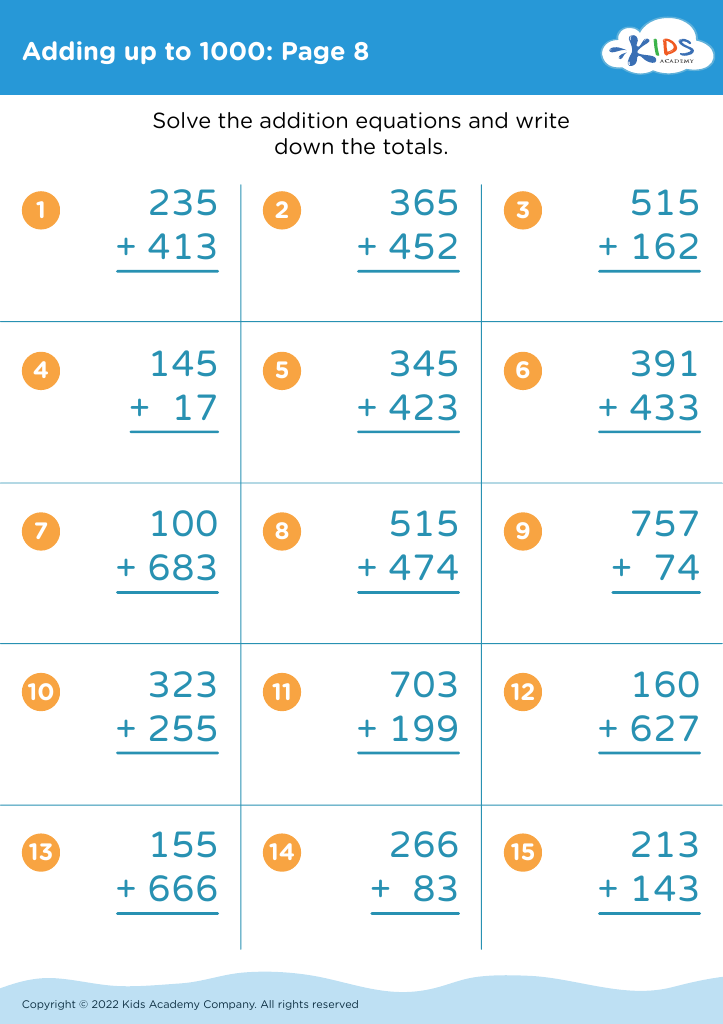
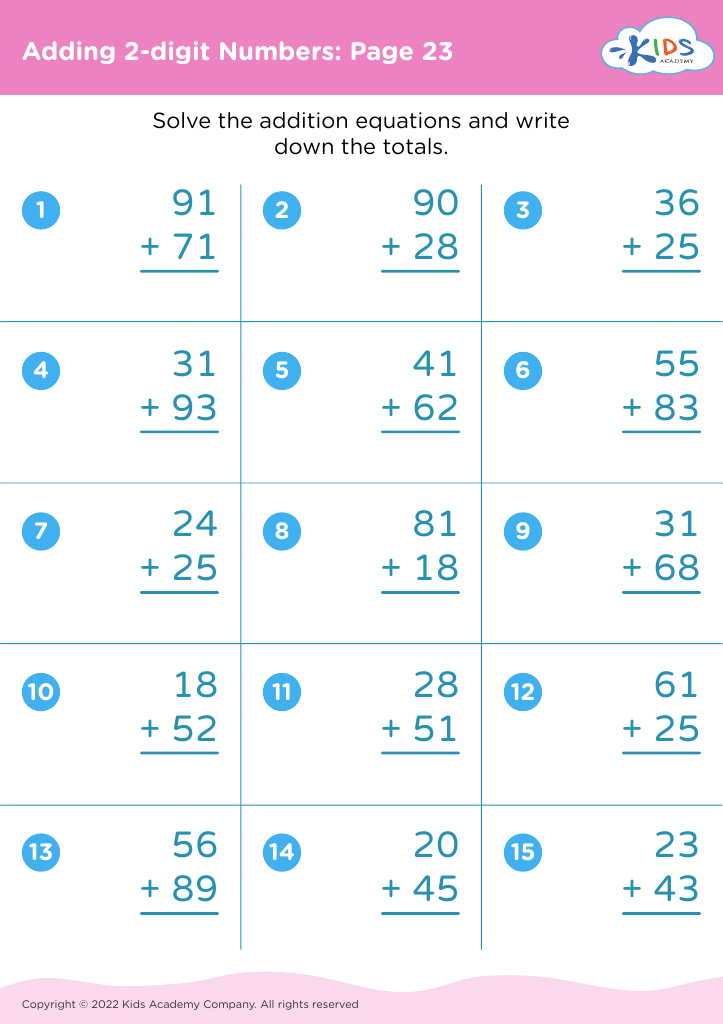
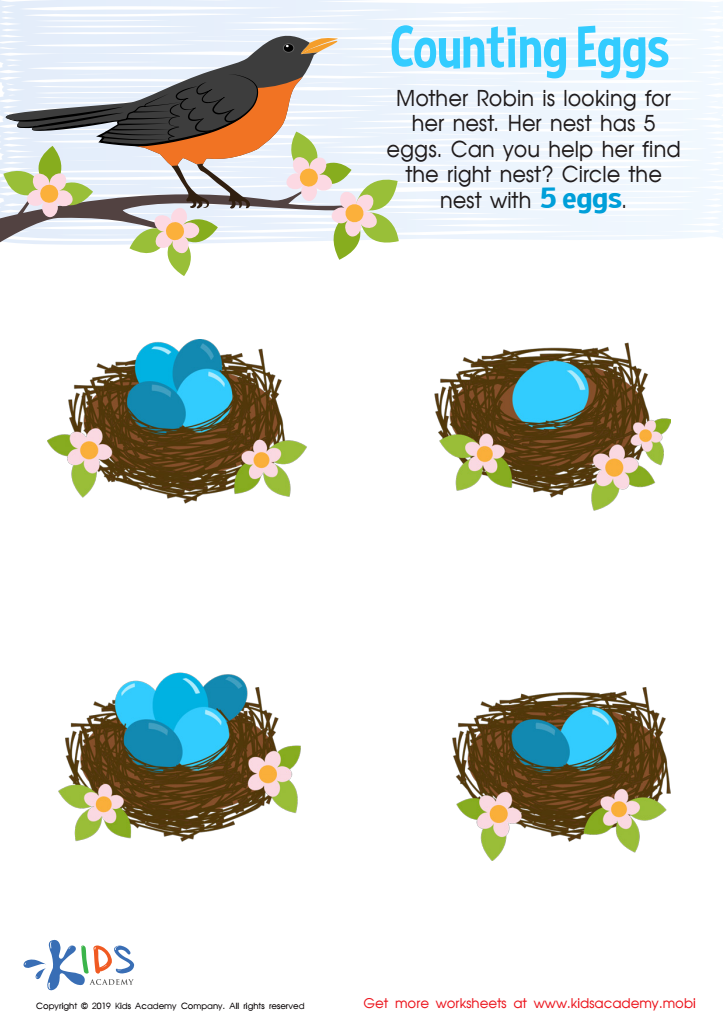
Counting Eggs Worksheet
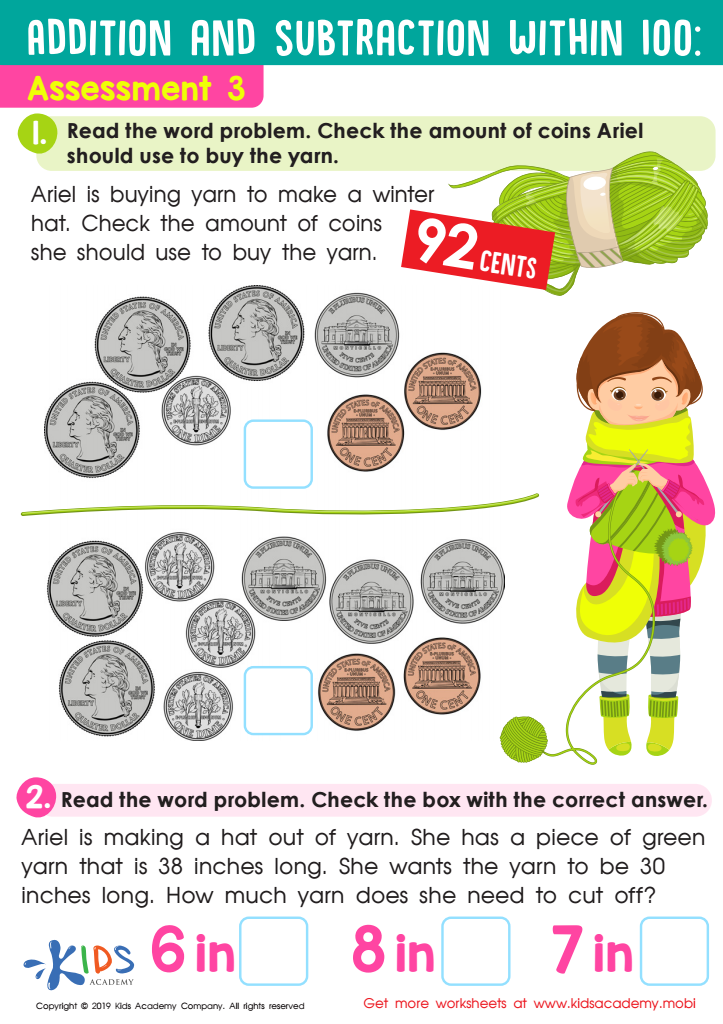
Assessment 3 Math Worksheet
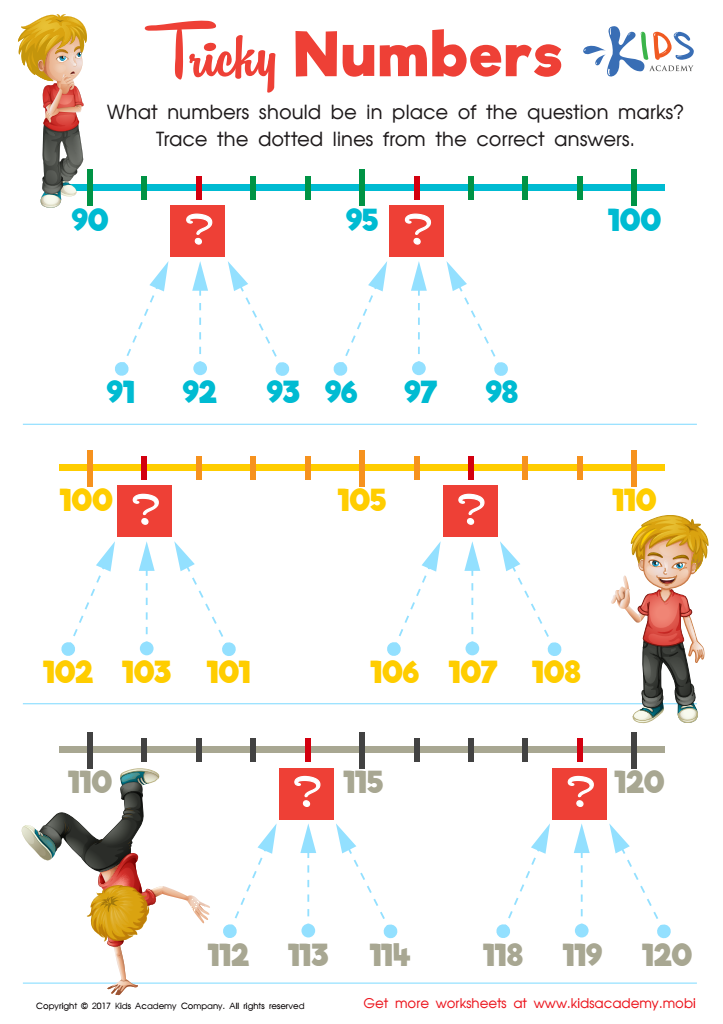
Tricky Numbers Worksheet
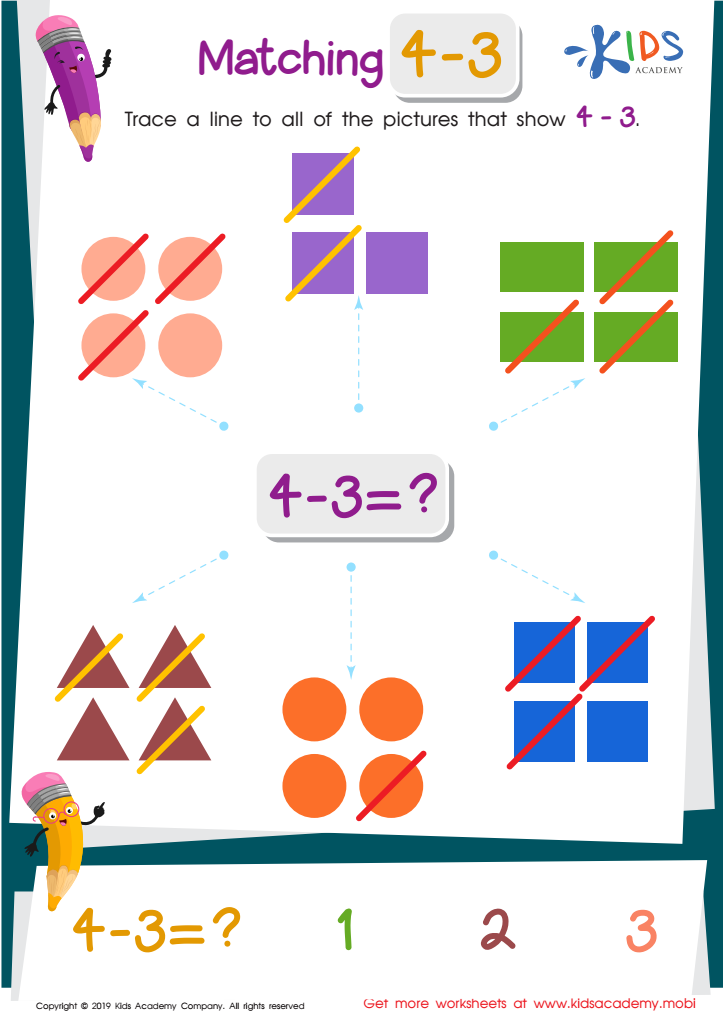
Matching 4 – 3 Worksheet
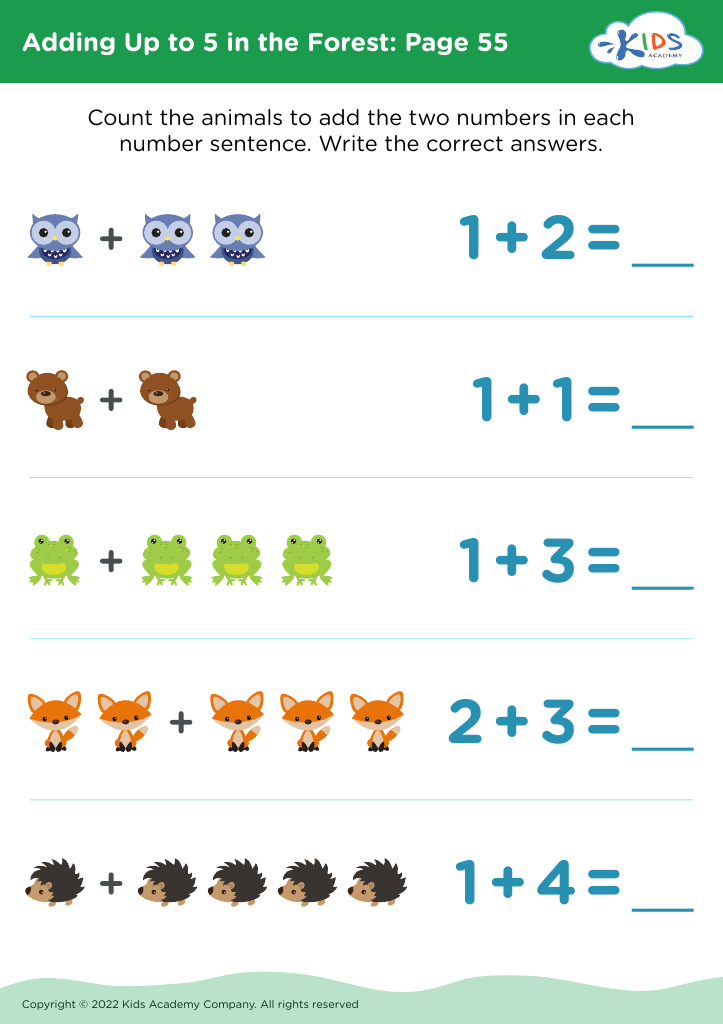
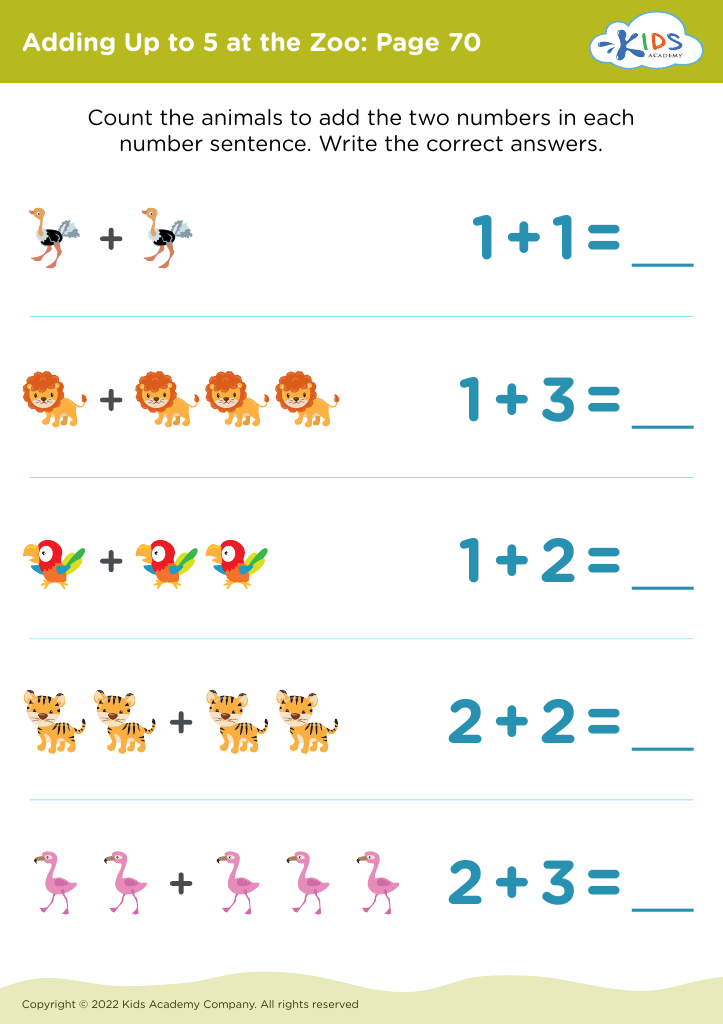
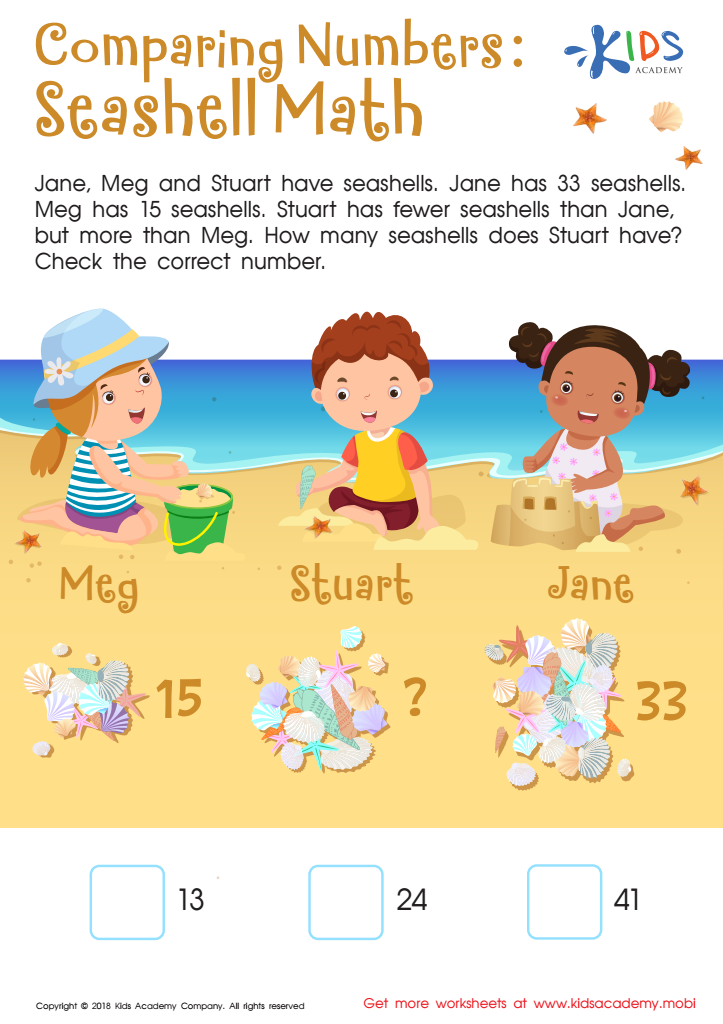
Seashell Collectors Worksheet
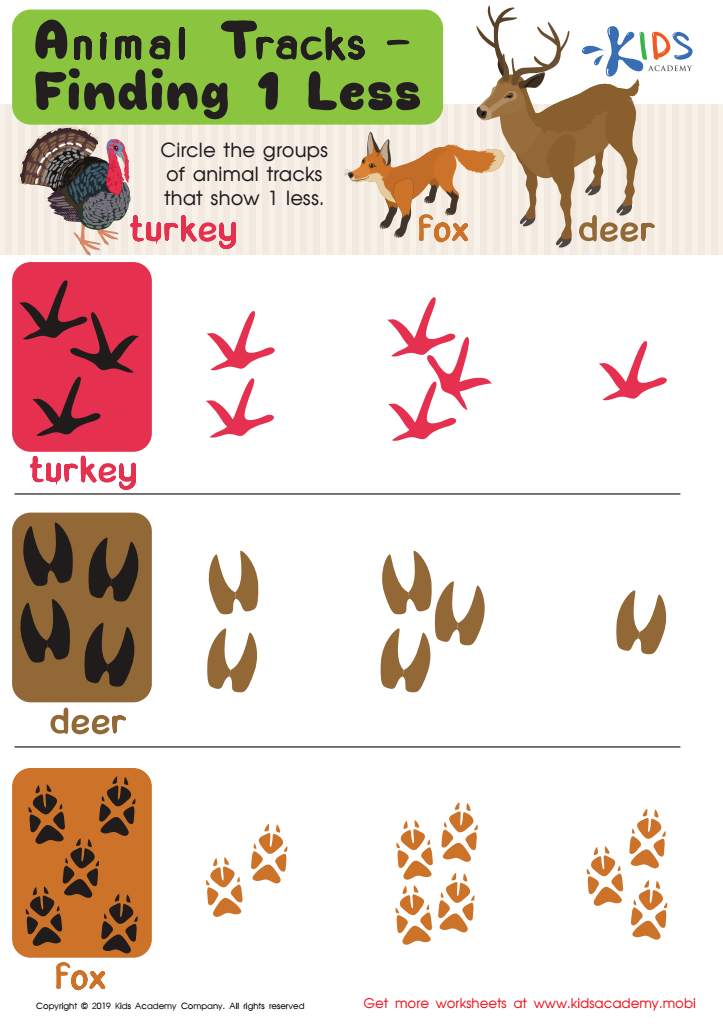
Animal Tracks: Find 1 Less Worksheet
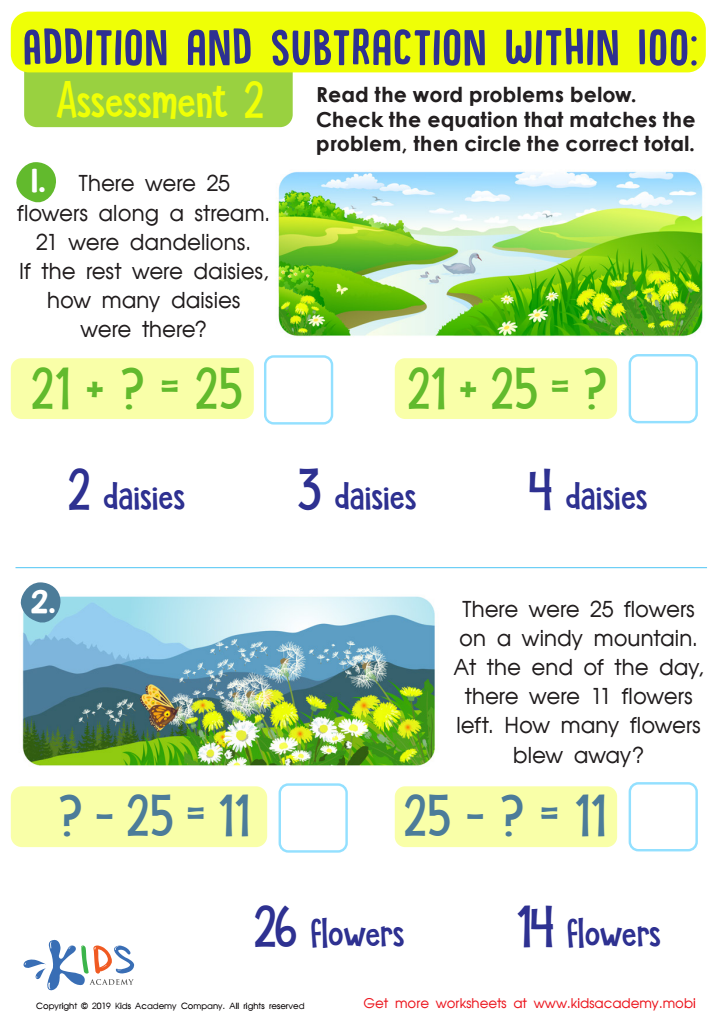
Assessment 2 Math Worksheet
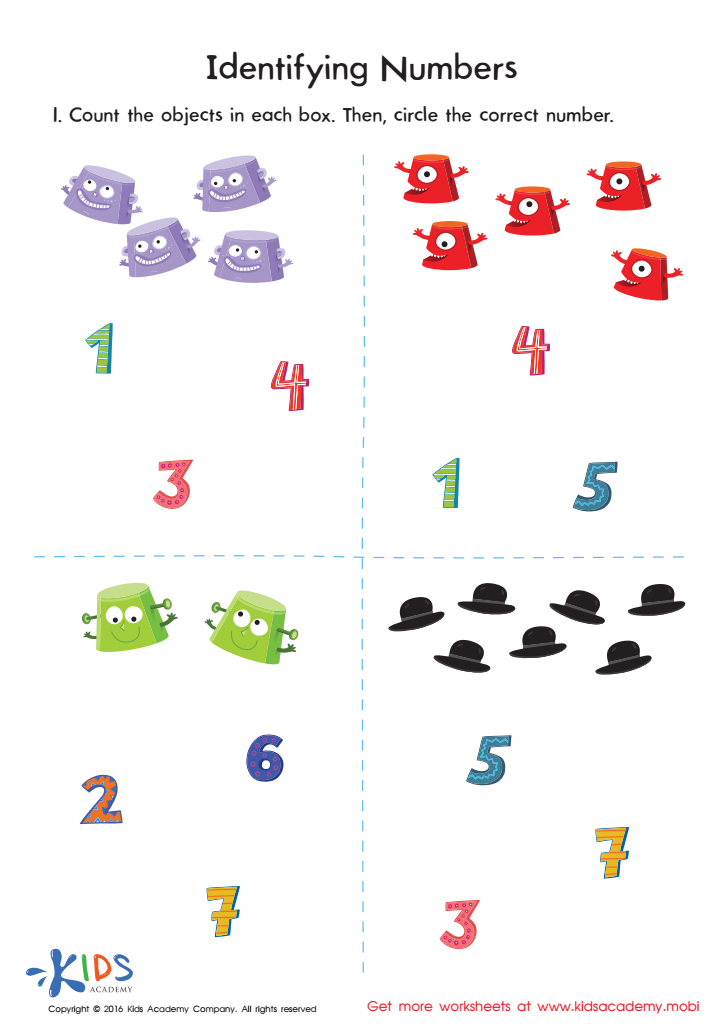
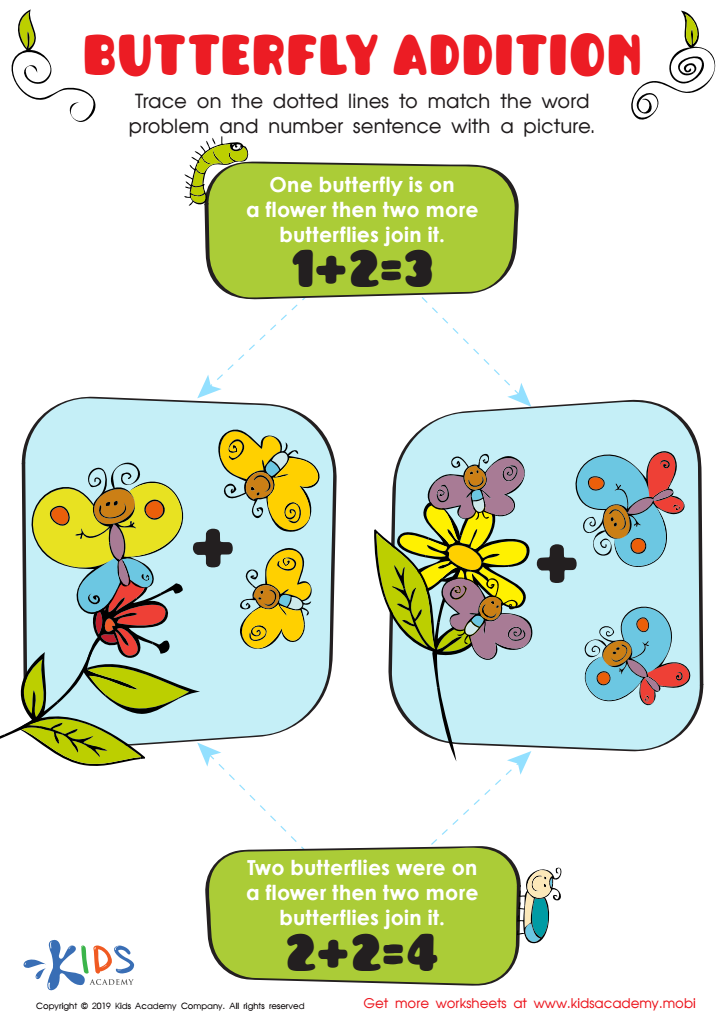
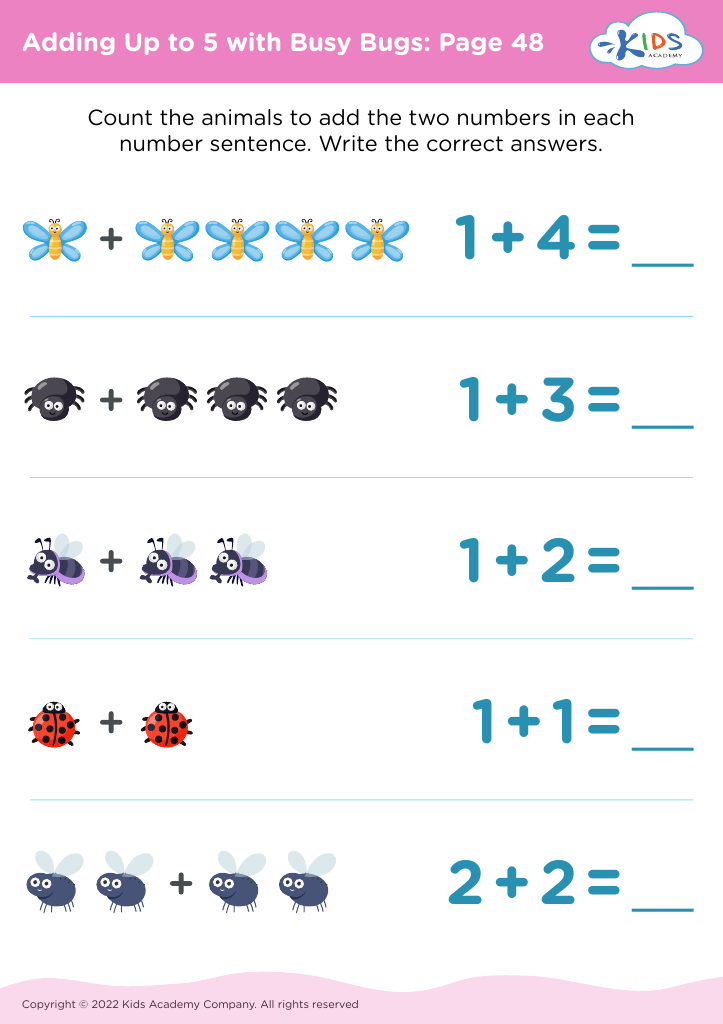
Butterfly Addition Worksheet







Counting skills form the foundation for virtually all subsequent mathematics learning, making them crucial for children ages 5-9. Firstly, counting teaches number recognition, helping children understand and symbolize quantities with specific numerals. Grasping these concepts early is essential for developing more complex math skills such as addition, subtraction, and place value.
Beyond math, counting improves cognitive abilities, including memory, logical thinking, and problem-solving skills. For instance, when children count objects, they enhance their ability to categorize and sequence, critical skills in many aspects of life. Counting also promotes fine motor skills and attention to detail as children manipulate objects and concentrate on counting accurately.
Moreover, early counting proficiency builds confidence in young learners, encouraging a positive attitude toward math and learning in general. When children feel proficient and experience success in early academics, they’re more likely to remain engaged and motivated in school.
Socially, counting can foster collaborative skills as children participate in counting games and activities with peers. It provides opportunities for discussion, teamwork, and communication, all essential skills for holistic development.
In summary, counting skills are integral not just for academic success in mathematics, but also for cognitive development, fine motor improvement, confidence building, and social interaction, making them essential for young children’s overall growth and future learning.








