Directional skills Worksheets for Ages 5-9
6 filtered results
-
From - To
Discover our engaging Directional Skills Worksheets designed specifically for children aged 5 to 9! These interactive resources help young learners develop essential navigation and orientation abilities in an enjoyable way. Our worksheets focus on key concepts such as left and right, up and down, and directional vocabulary. Through fun exercises and colorful visuals, kids will enhance their spatial awareness and strengthen their critical thinking skills. Perfect for teachers and parents alike, these worksheets can easily fit into any learning environment or at-home study session. Explore our collection to support your child’s growth in directional understanding and spatial reasoning today!
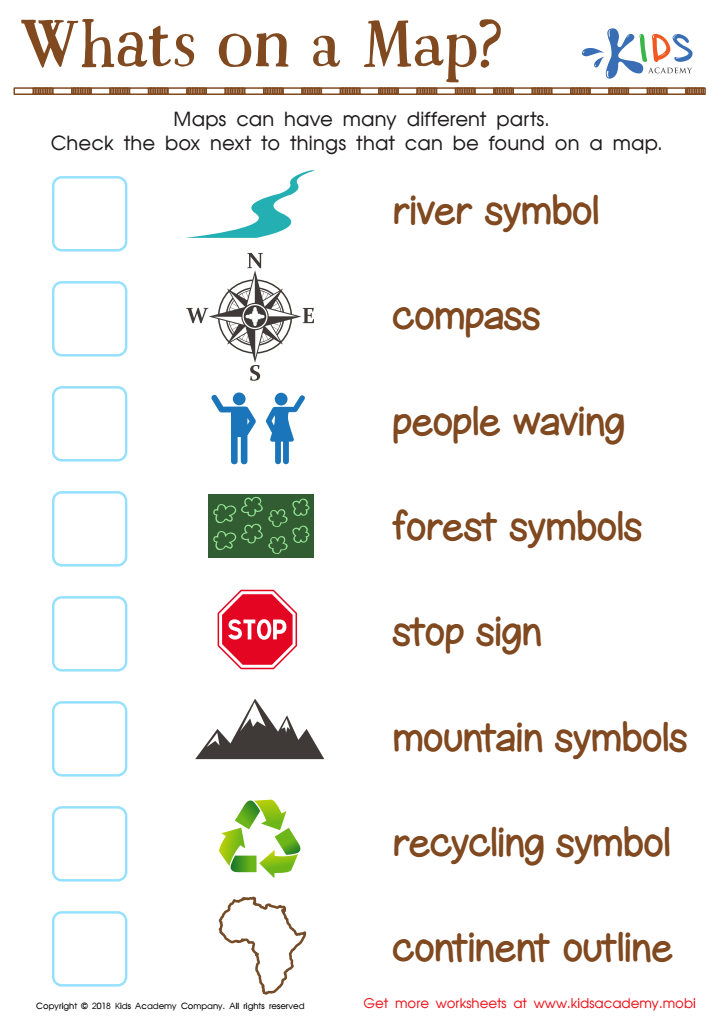
Whats on a Map? Worksheet
 Assign to My Students
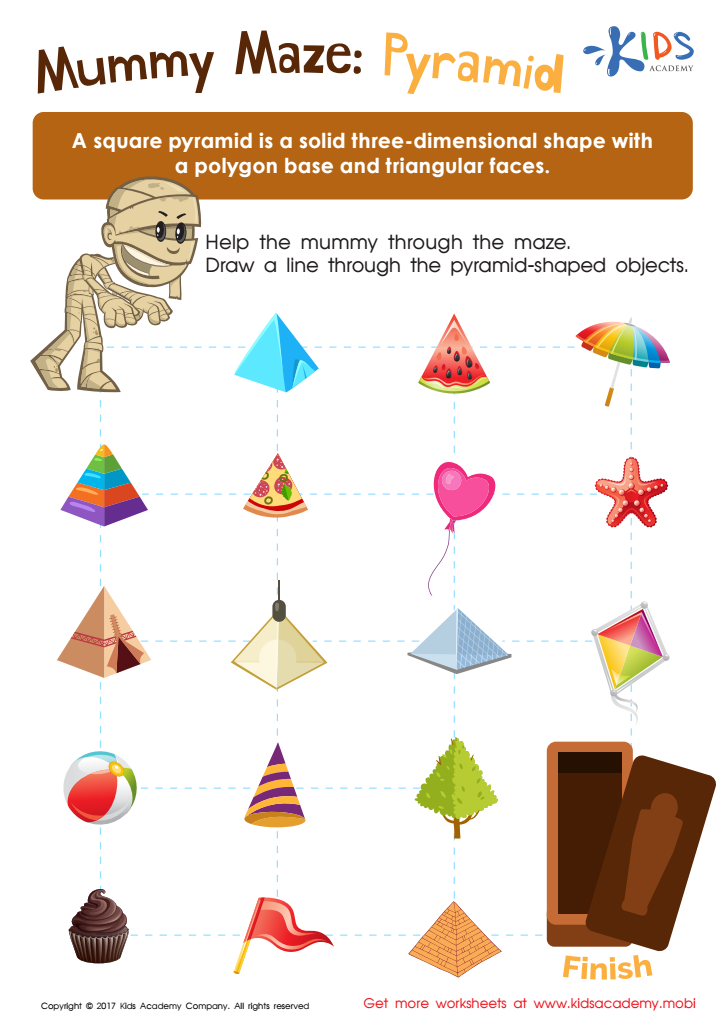
Mummy Maze: Pyramid Printable
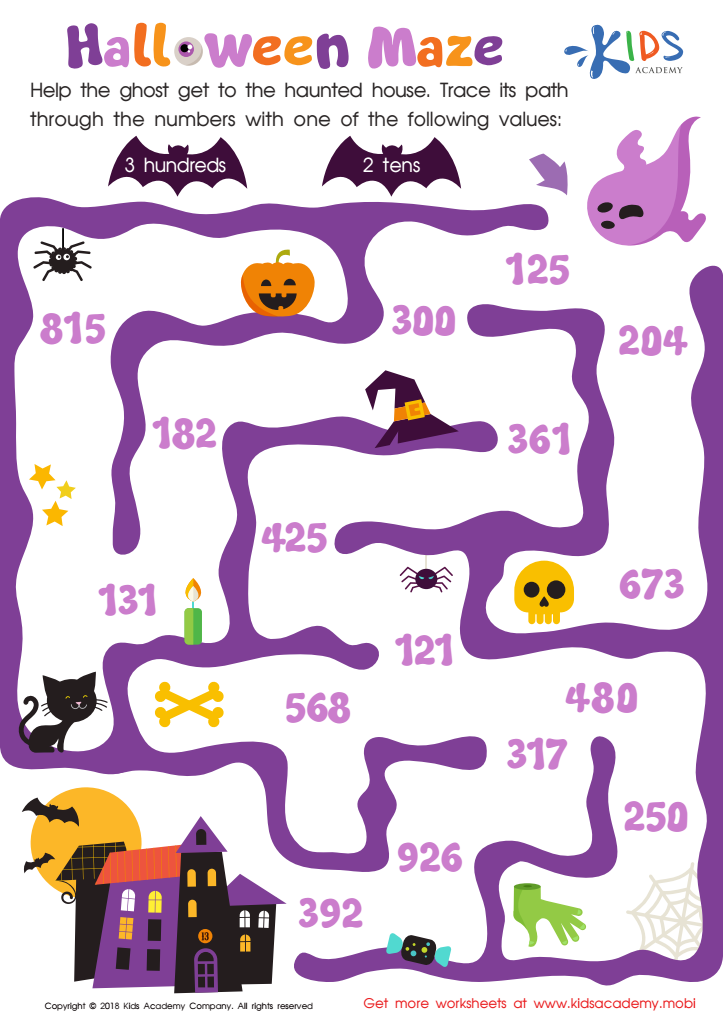
Place Value: Halloween Maze Worksheet
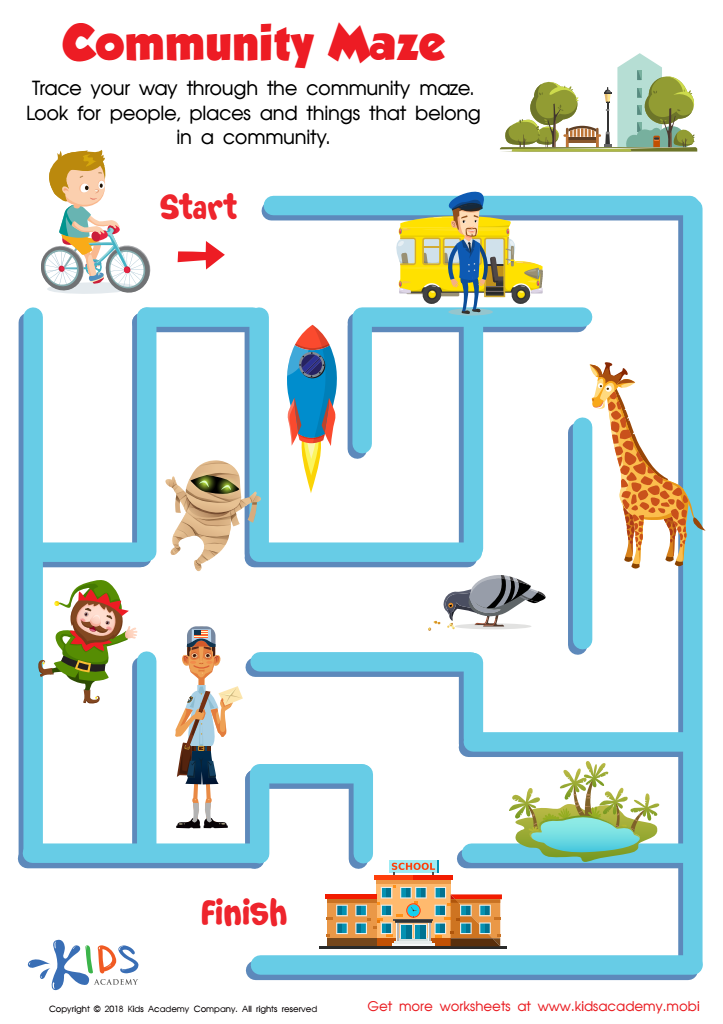
Community Maze Worksheet
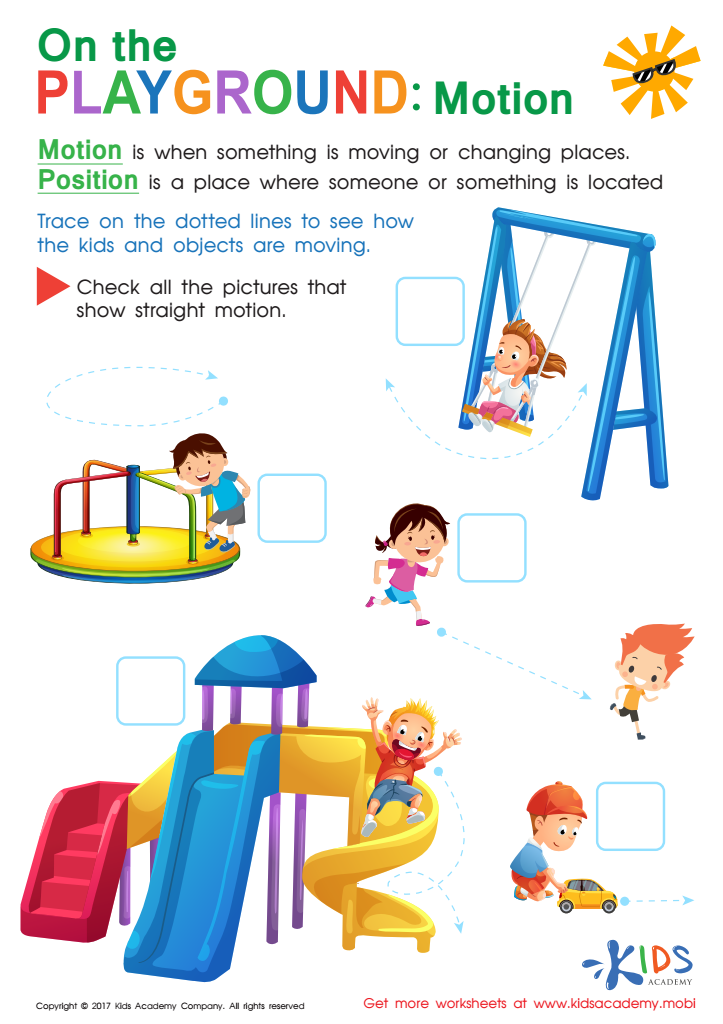
Position and Motion Worksheet
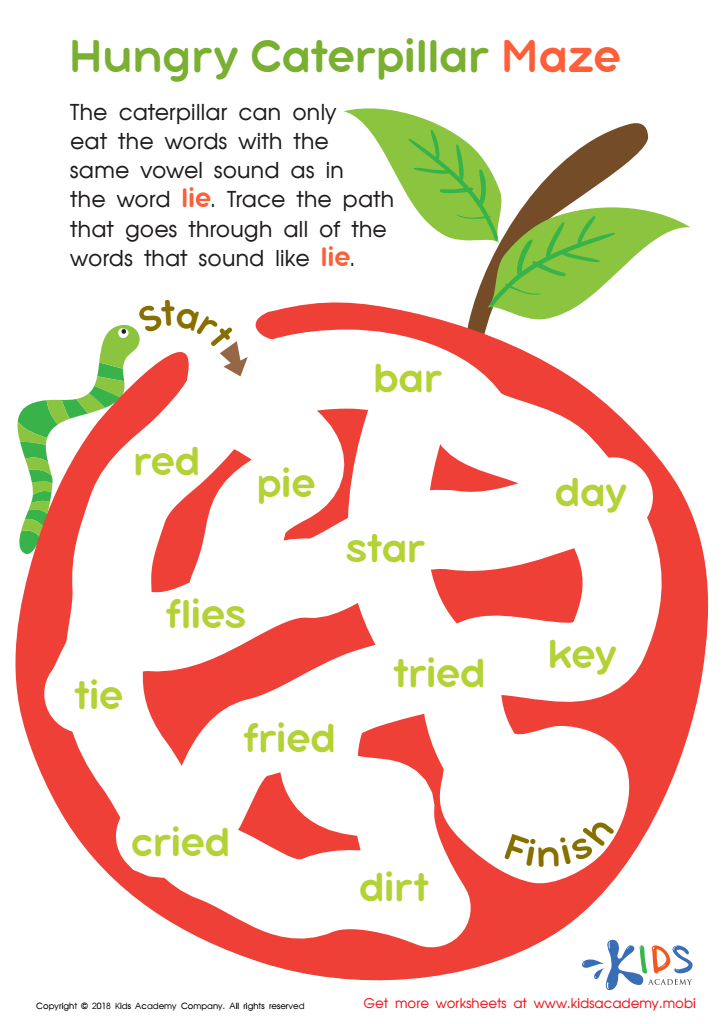
Hungry Caterpillar Maze Worksheet








Directional skills are essential for children aged 5-9 as they form the foundation for various cognitive and motor development milestones. During this stage, children are becoming more aware of their environment and how they interact with it. Understanding directions—left, right, up, down—helps them navigate the world around them, both physically and conceptually.
Firstly, strong directional skills enhance spatial awareness, aiding children in activities such as reading maps or understanding geometric shapes. This is particularly vital for math skills, where concepts of direction underlie problem-solving and calculations. Additionally, greater directional understanding can improve their coordination, facilitating engagement in physical activities, sports, and games, promoting a healthier lifestyle.
Moreover, these skills can play a critical role in following multi-step instructions in the classroom, contributing to academic achievement. As children learn to follow directions effectively, they boost their concentration and listening skills, fostering independence and confidence.
Teachers and parents, therefore, should actively promote activities focusing on these skills, like outdoor games and puzzles, to help children build a robust sense of direction. Engaging young learners in fun, interactive ways to understand directions impacts their overall learning trajectory, enriching their early educational experiences.








