
Enhancing fine motor skills Worksheets for Ages 5-9
4 filtered results
Difficulty Level
Grade
Age
-
From - To
Subject
Activity
Standards
Boost your child's fine motor skills with our engaging worksheets designed for ages 5-9! At Kids Academy, we provide a diverse range of activities that challenge and develop hand-eye coordination, dexterity, and grip strength essential for writing and everyday tasks. Our worksheets encompass fun drawing exercises, cutting practices, and coloring pages that captivate young learners. Each activity is crafted to foster creativity while supporting essential skill development. Whether at home or in the classroom, these resources are perfect for helping children build confidence and proficiency in fine motor skills. Explore our collection and watch your child's abilities flourish!
Favorites
With answer key
Interactive
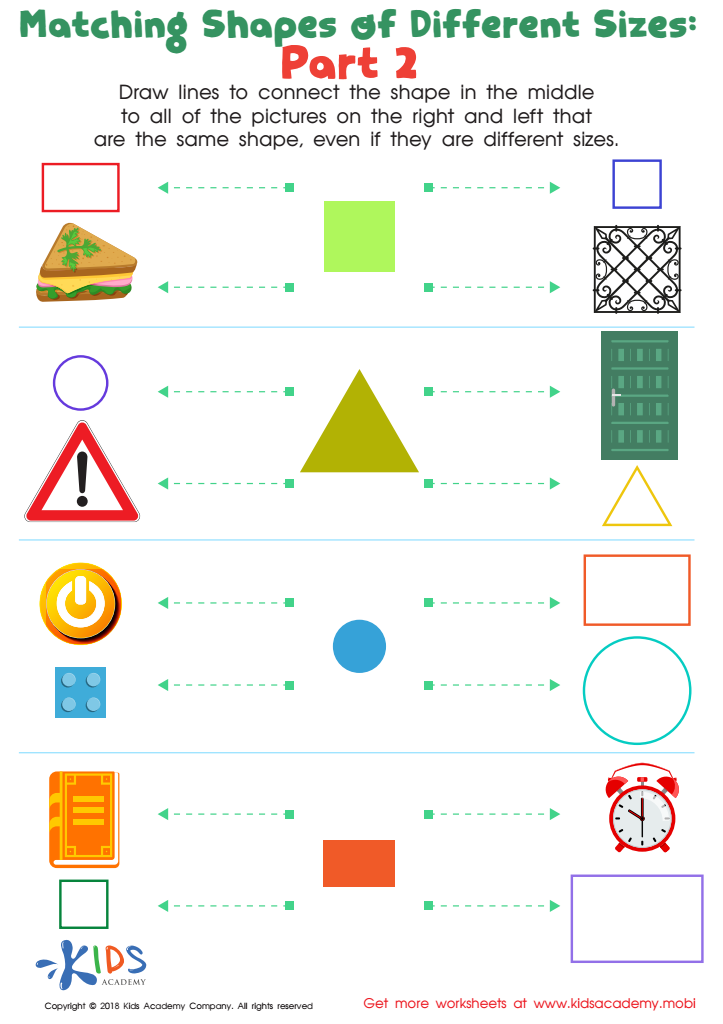
Geometry: Part 2 Worksheet
Third grade geometry gets a challenge with this free worksheet. Kids match shapes to everyday objects like sandwiches, alarm clocks and books for a better understanding of geometry in their lives. Printable pdf is included.
 Assign to My Students
Geometry: Part 2 Worksheet
Worksheet
Join Kids Academy for Free
Who is primarily going to use this learning content?




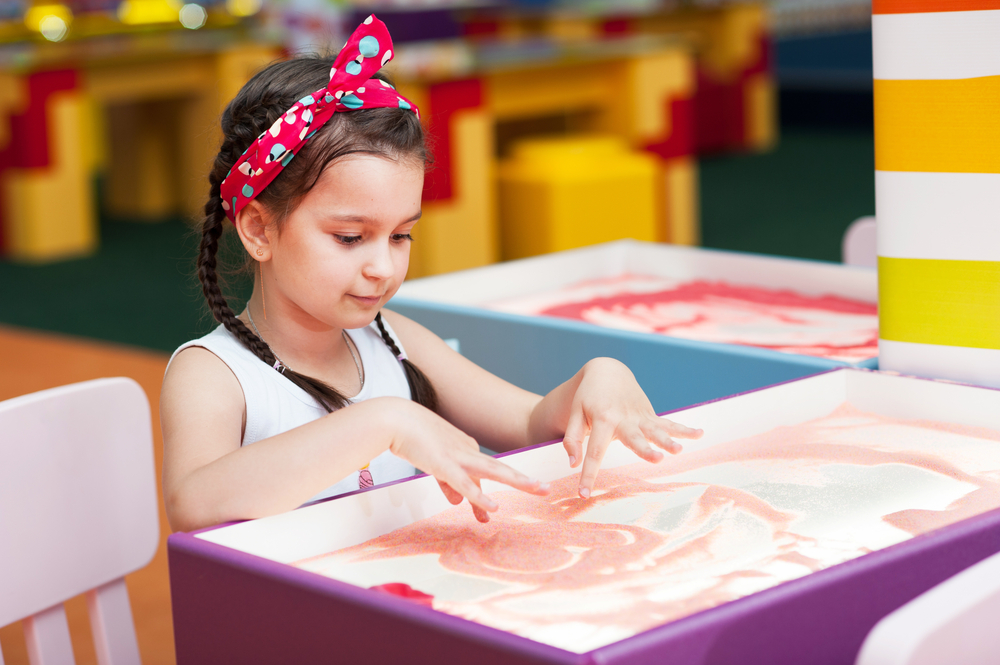



Enhancing fine motor skills in children aged 5 to 9 is crucial for their overall development and daily functioning. These skills involve the coordination of small muscles in the hands and fingers, which are essential for tasks such as writing, drawing, tying shoelaces, and using scissors. As children enter school, proficient fine motor skills become increasingly important for academic success. Writing neatly and completing crafts can significantly influence a child’s confidence and engagement in learning.
Additionally, fine motor skills play a role in developing cognitive abilities. Activities that strengthen these skills often involve problem-solving and critical thinking, further supporting academic growth. Engaging in various hands-on activities not only enhances fine motor skills, but also promotes social interaction, as children work and play collaboratively with peers.
Parents and teachers should care about fostering these skills because they lay the foundation for independence and self-care. Children with strong fine motor skills feel more capable and confident navigating daily tasks, ultimately impacting their self-esteem. By prioritizing fine motor development, caregivers can ensure children are well-prepared for both classroom activities and life skills, setting them up for future success.








