Hand-eye Coordination Worksheets for Ages 5-9 - Page 2
116 filtered results
-
From - To
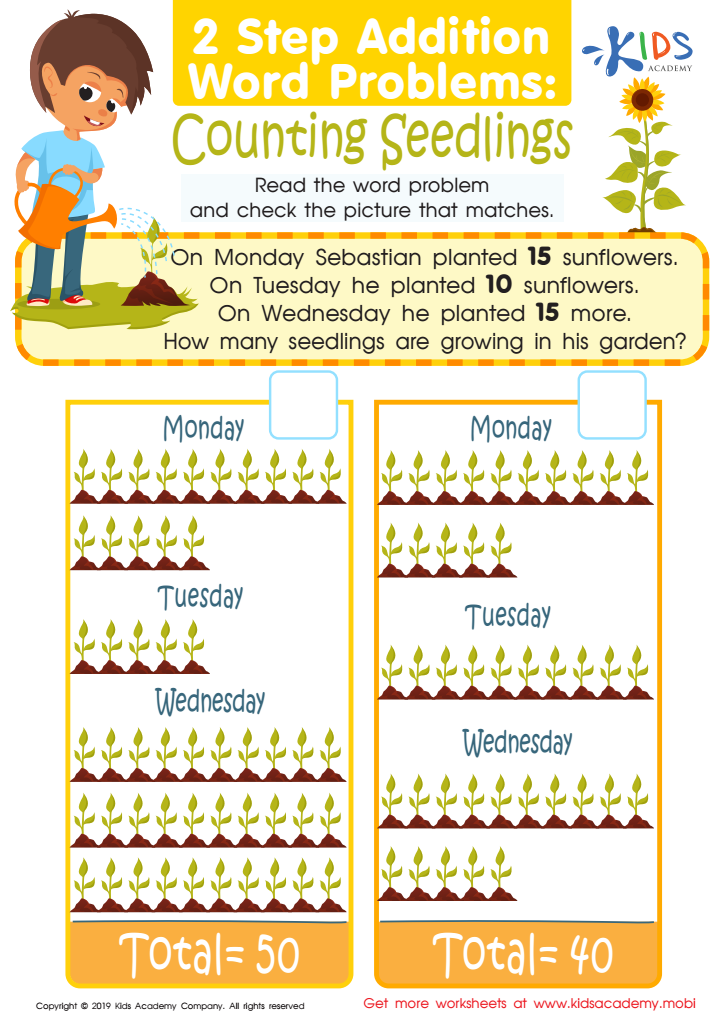
Counting Seedlings Worksheet
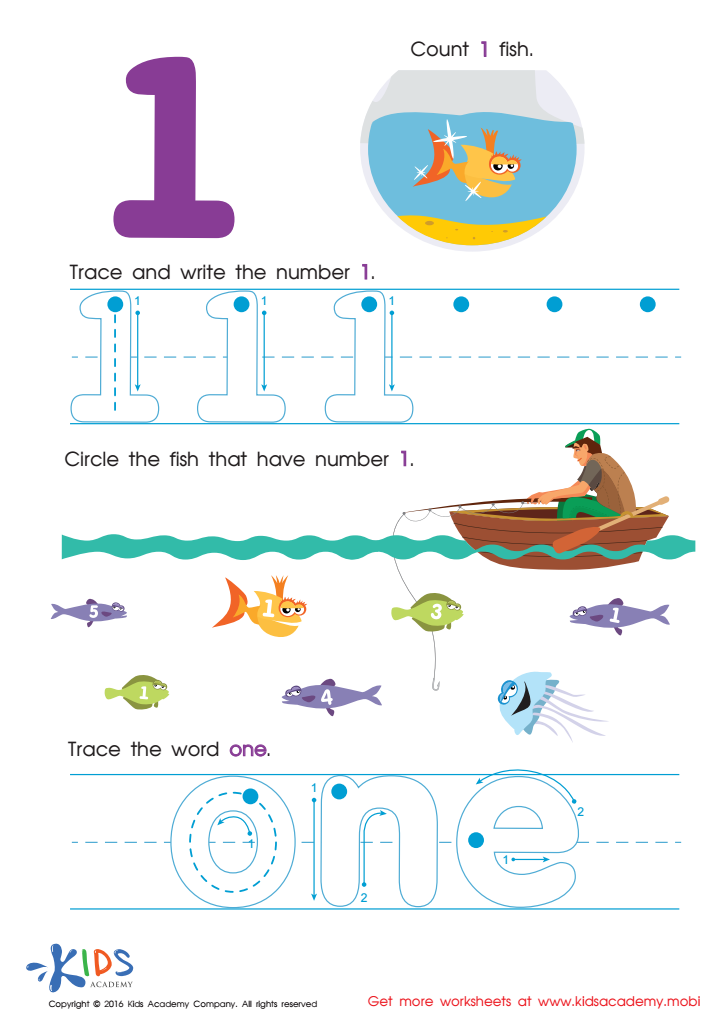
Learning to Write 1 Worksheet
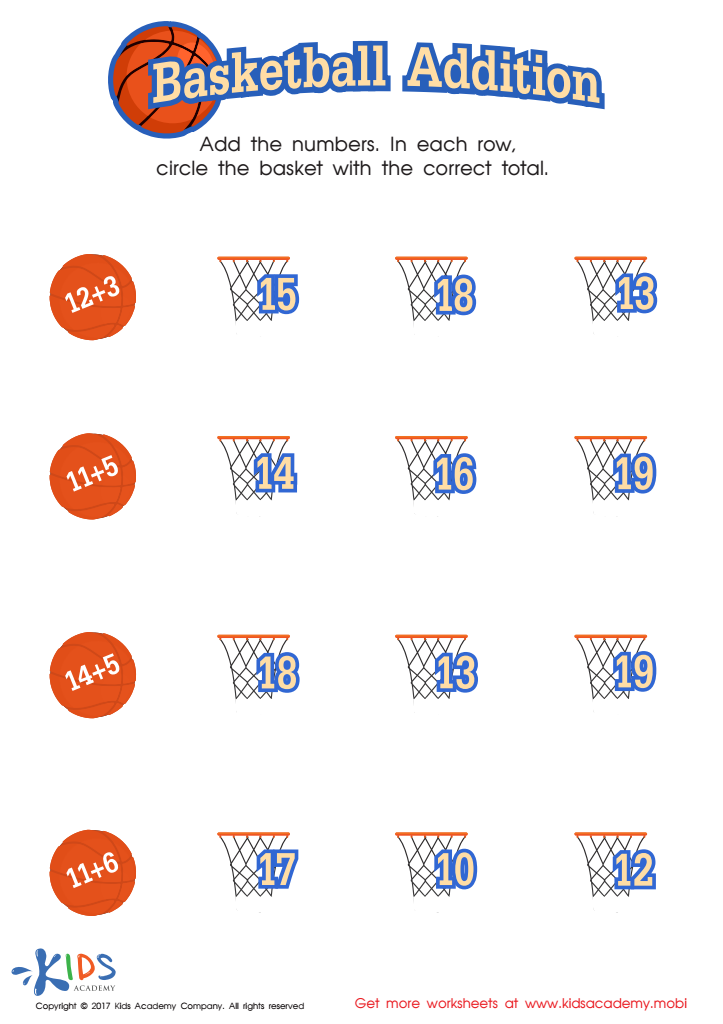
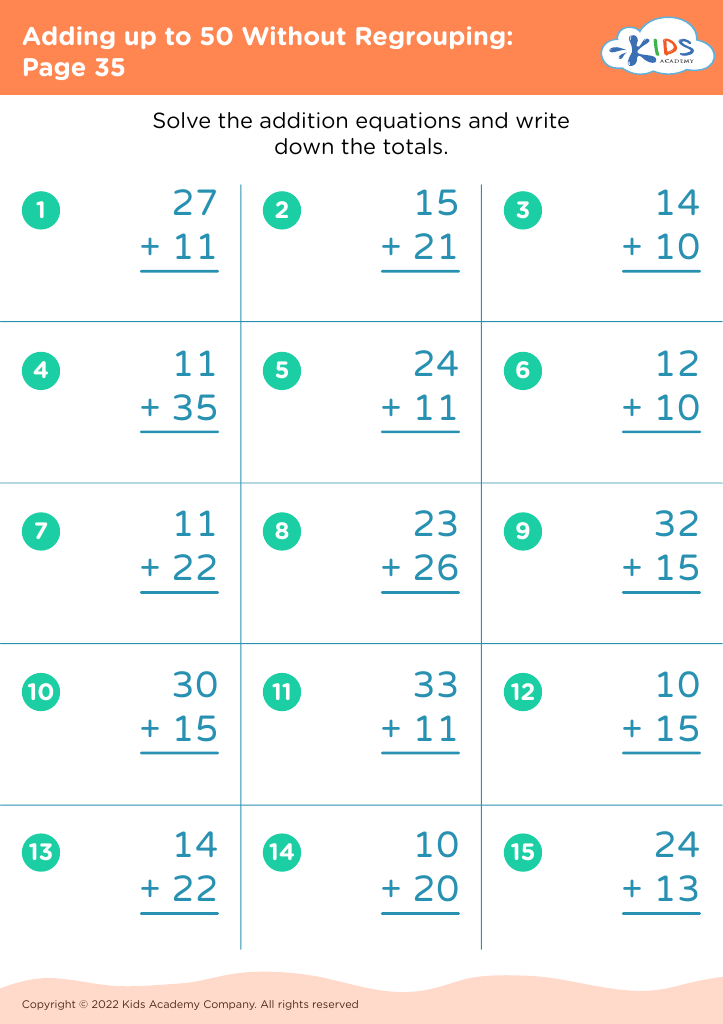
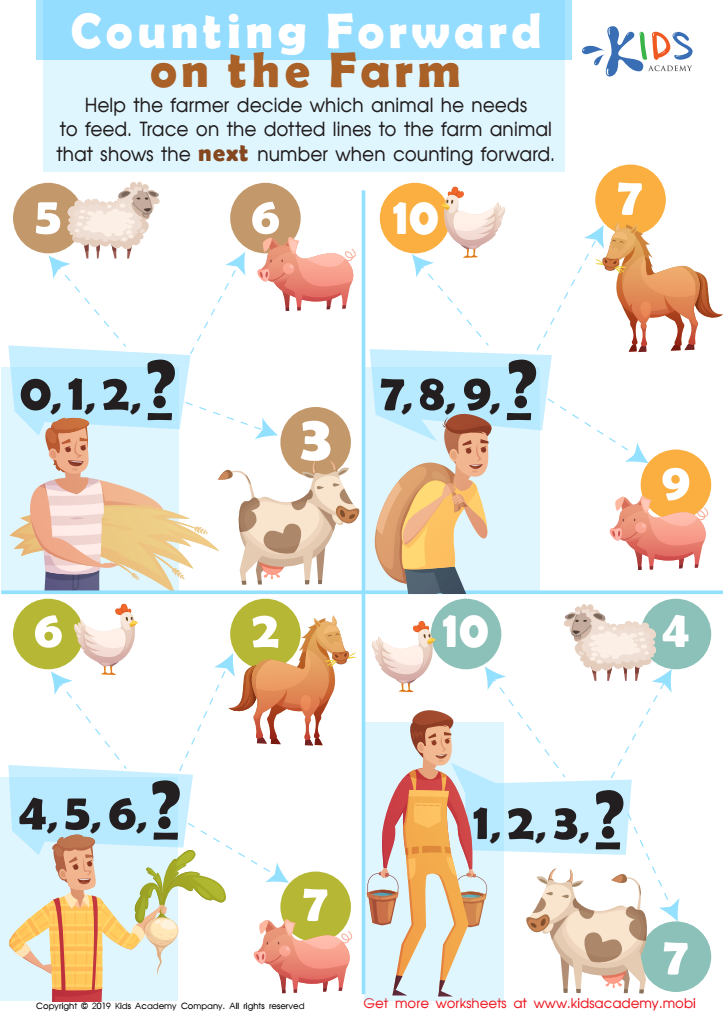
Counting Forward On the Farm Worksheet
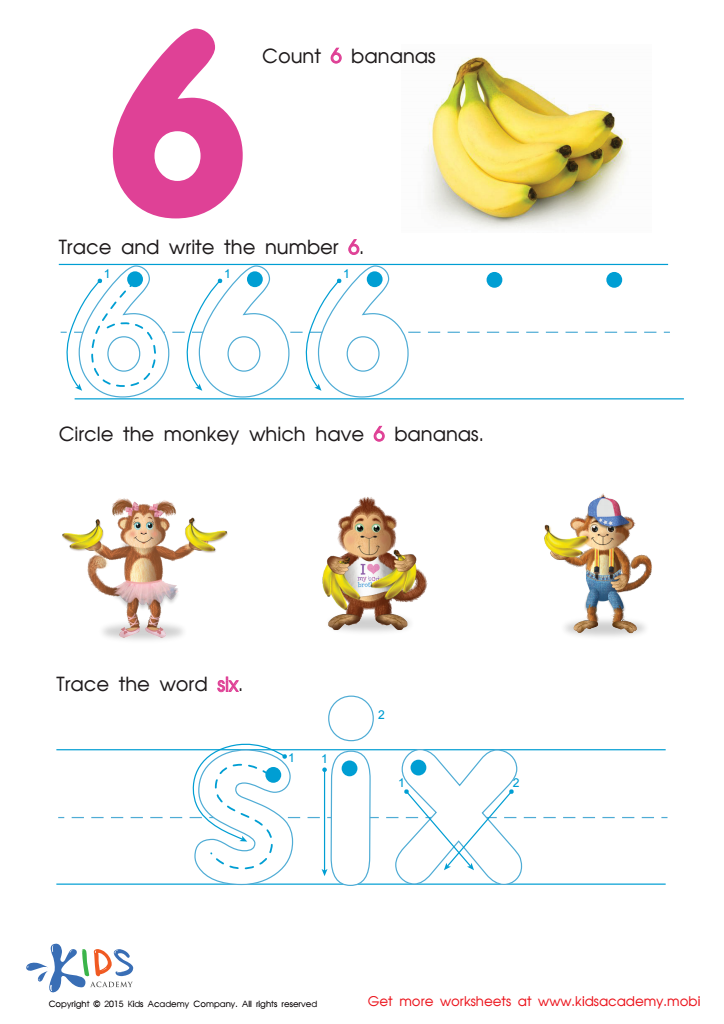
Tracing And Writing Number 6 Worksheet

Letter H Tracing Page
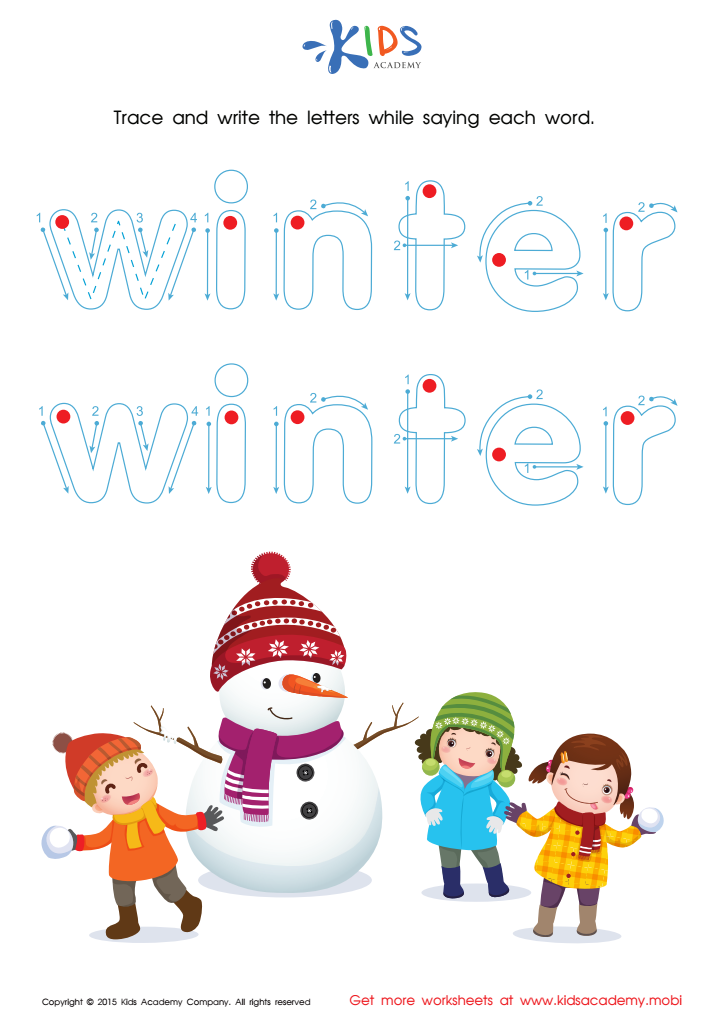
Snowman Tracing Winter Words Worksheet
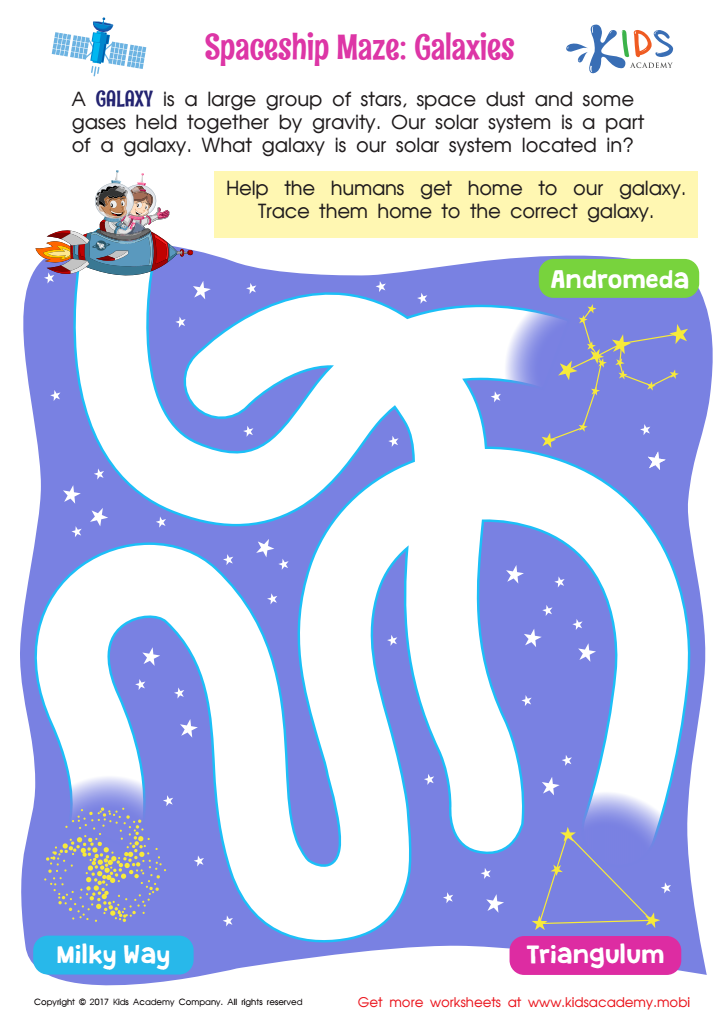
Spaceship Maze: Galaxies Worksheet
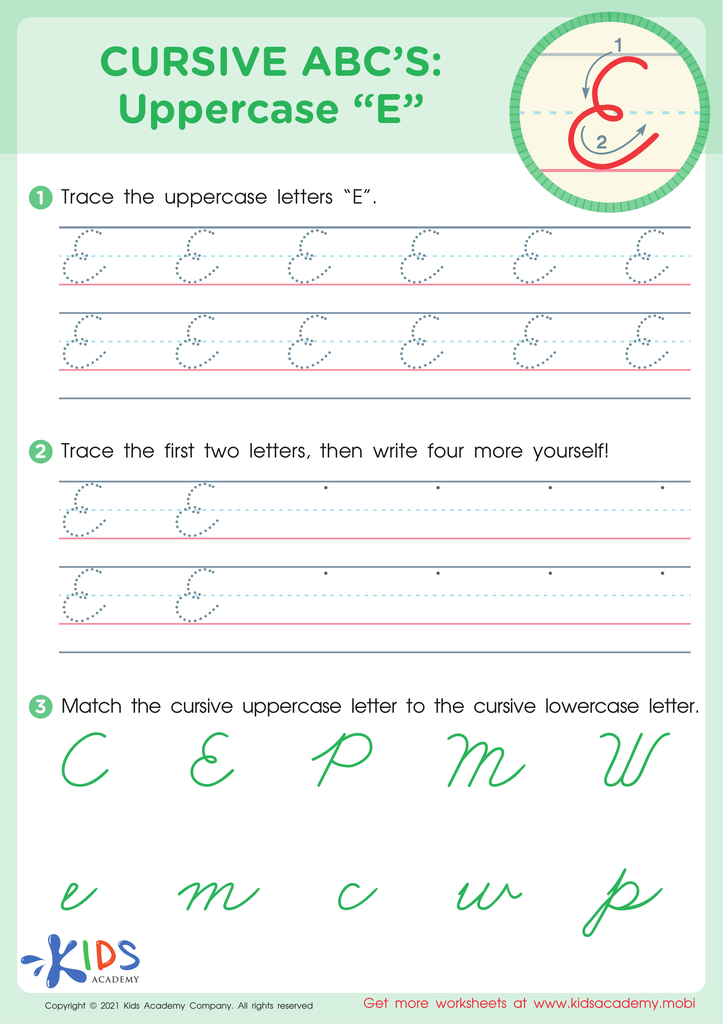
Cursive ABCs: Uppercase E
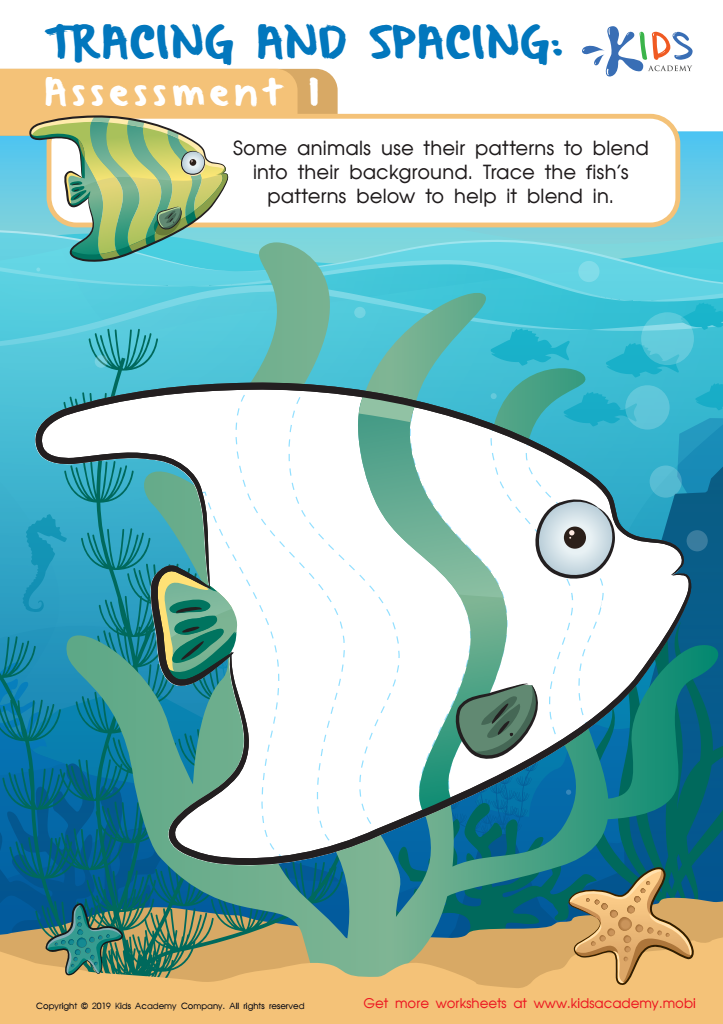
Tracing and Spacing: Assessment 1 Worksheet
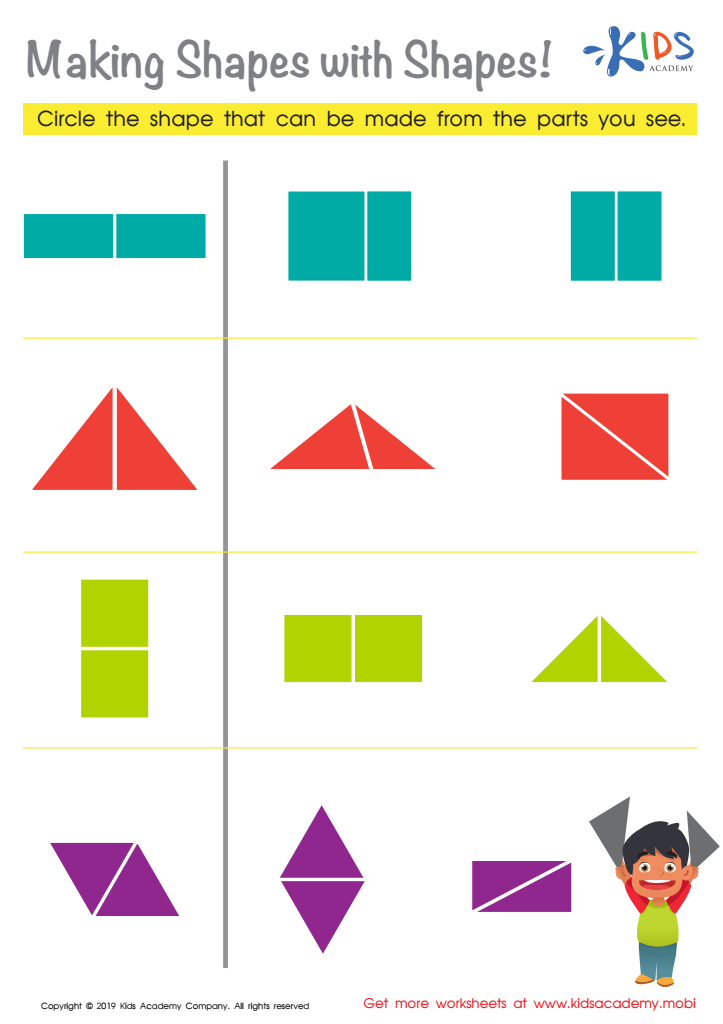
Making Shapes with Shapes Worksheet
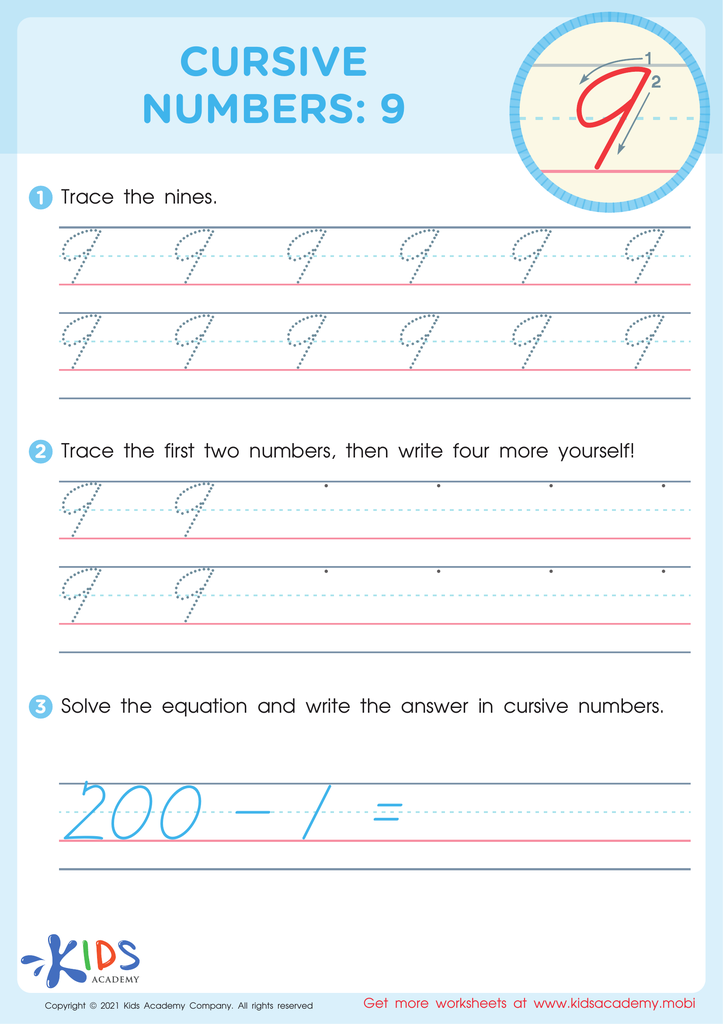
Cursive Numbers: 9 Worksheet
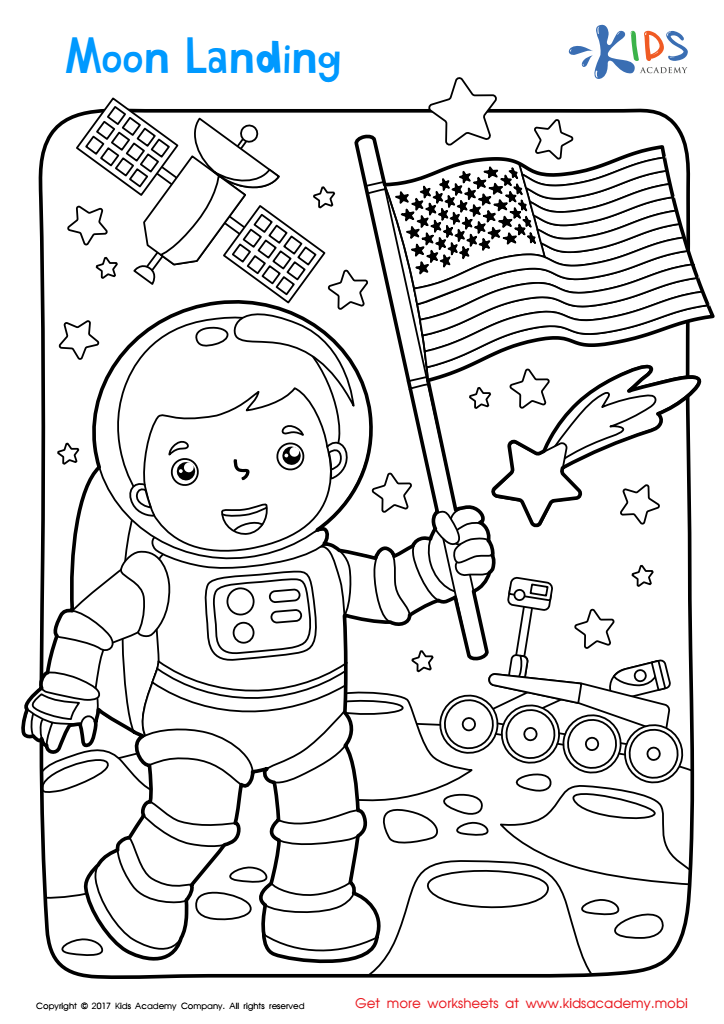
Moon Landing Coloring Page Printable
 Assign to My Students
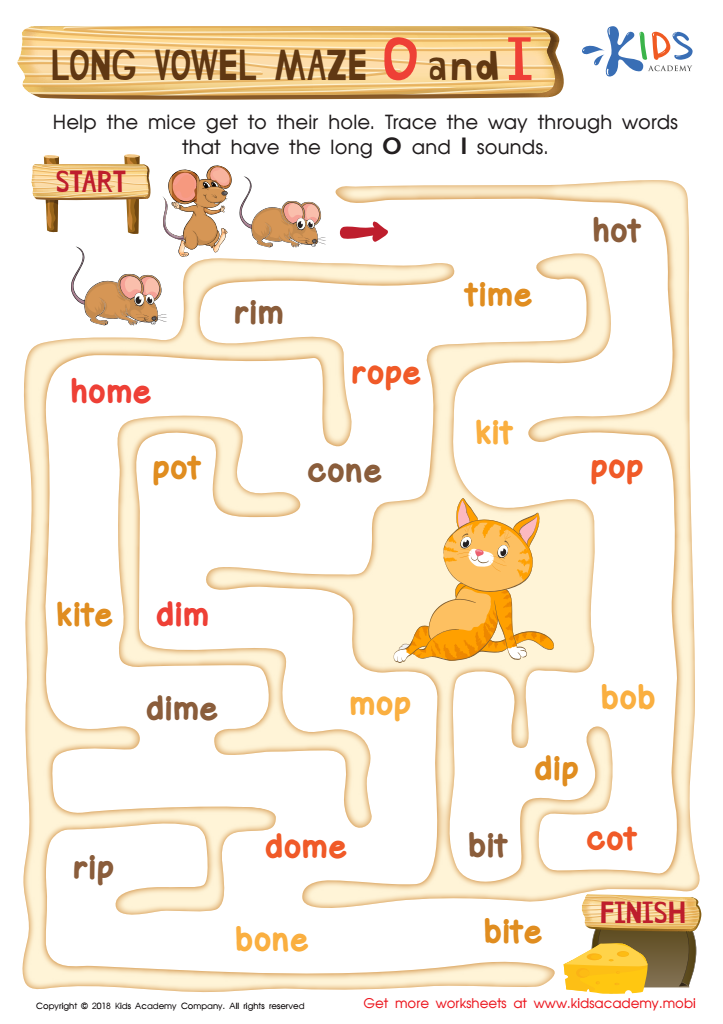
Long Vowel Maze /o/ and /i/ Worksheet
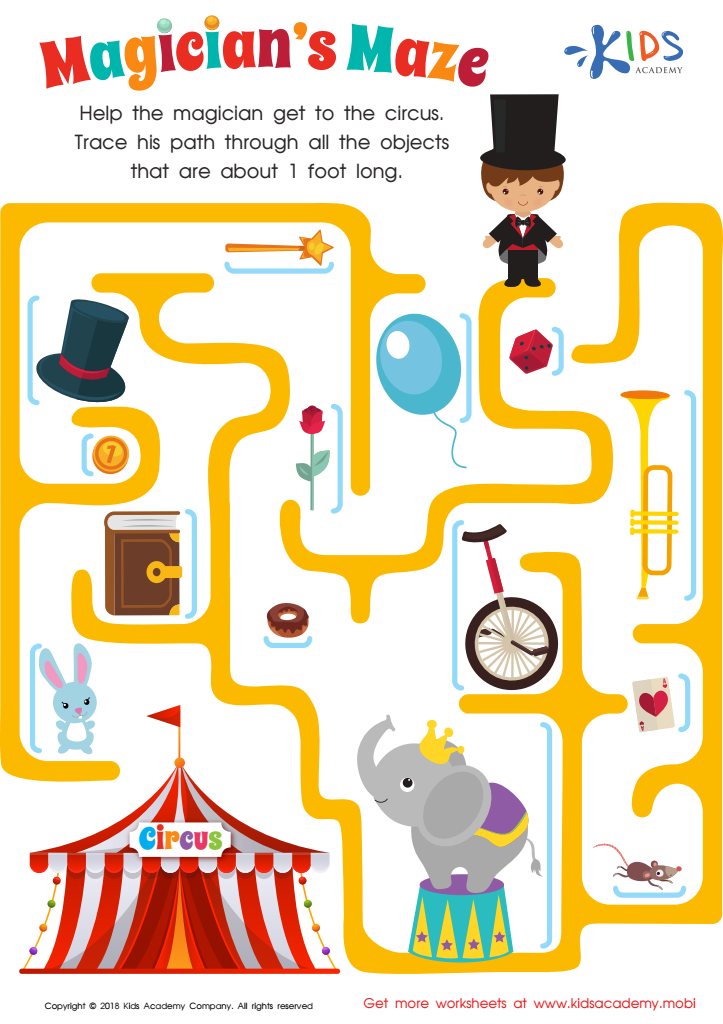
Estimating Length: Magician's Maze Worksheet
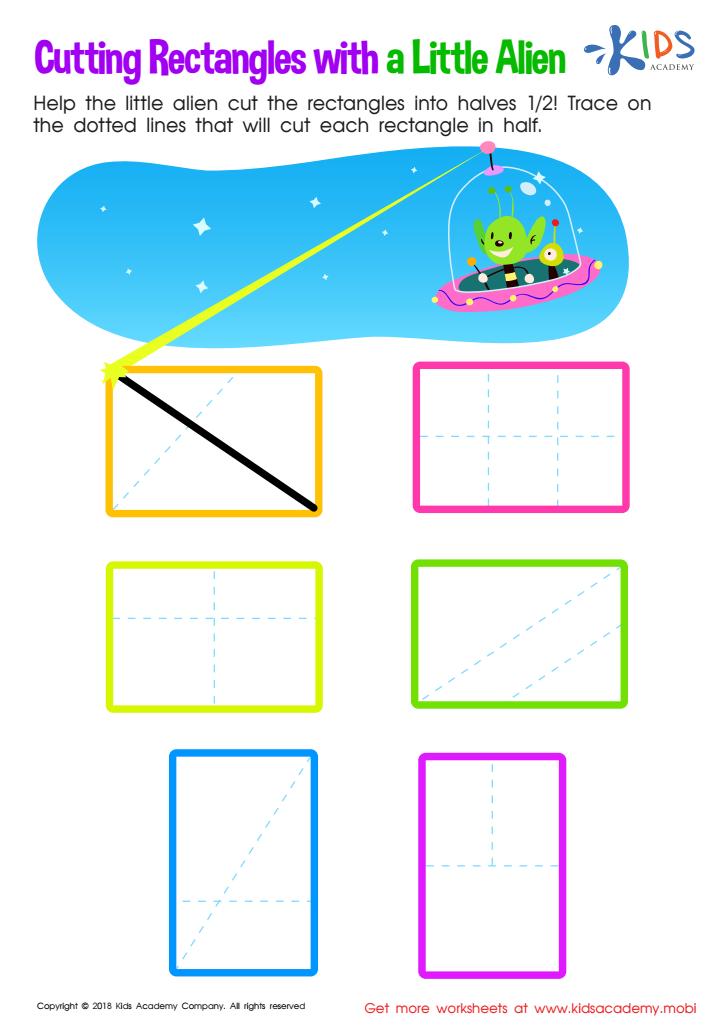
Cutting Rectangles with Alien Worksheet
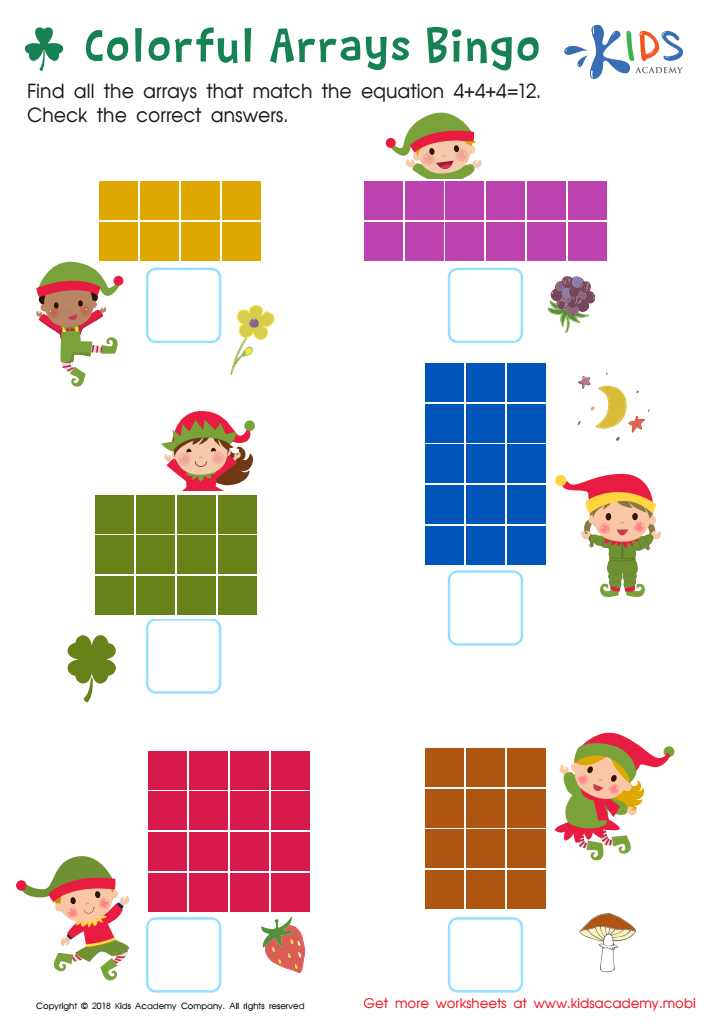
Colorful Arrays Bingo Worksheet
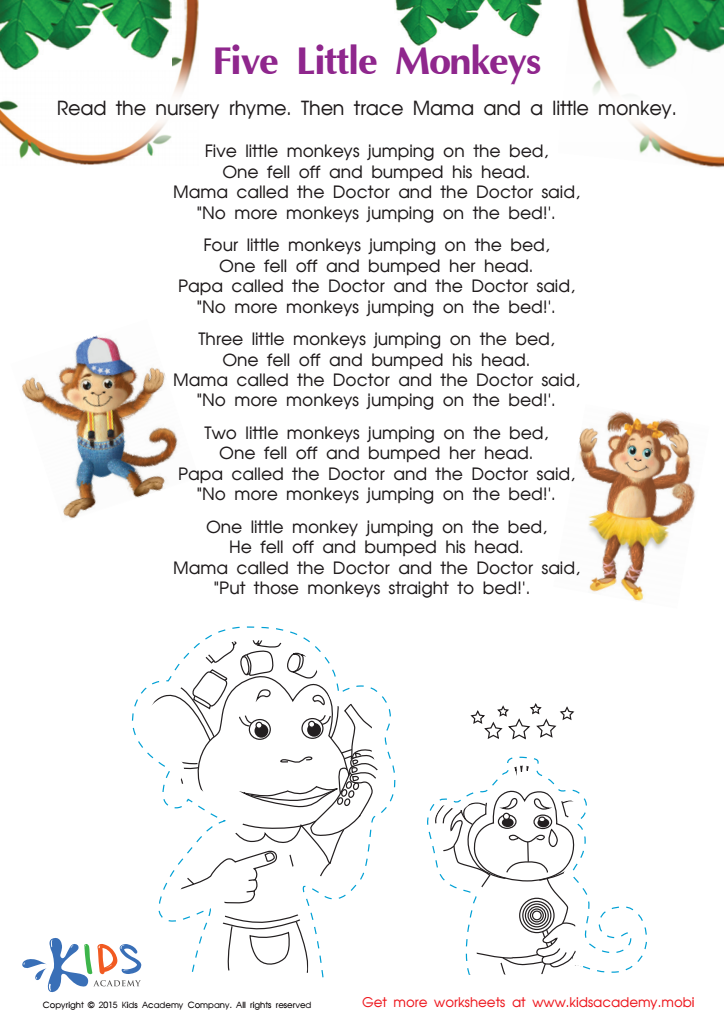
The Five Little Monkeys Nursery Rhyme Worksheet
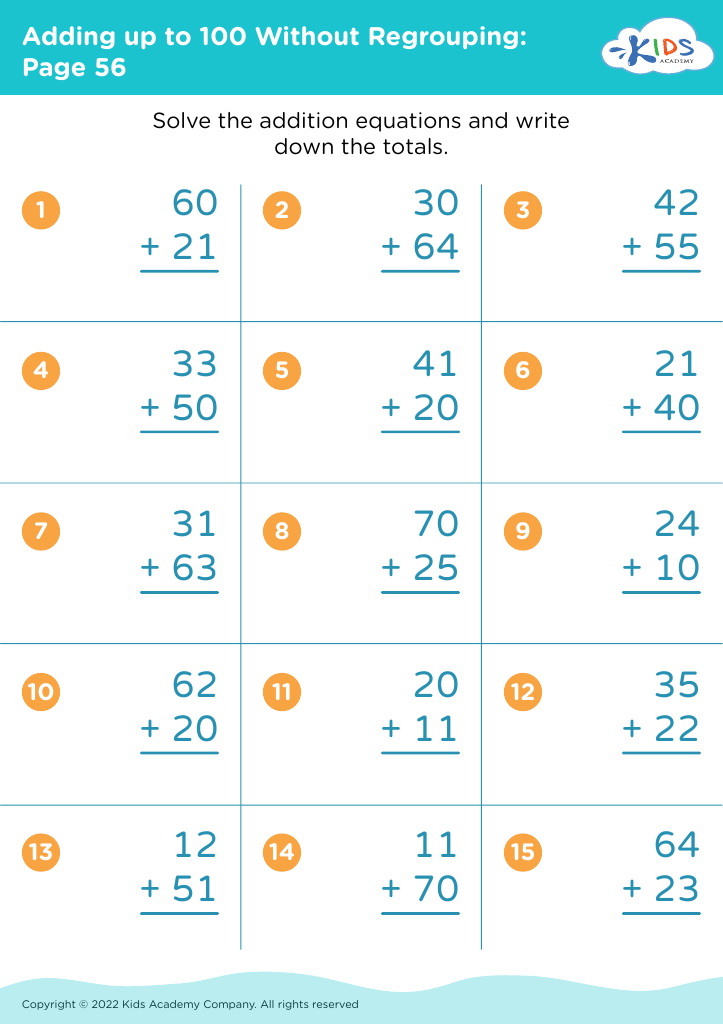
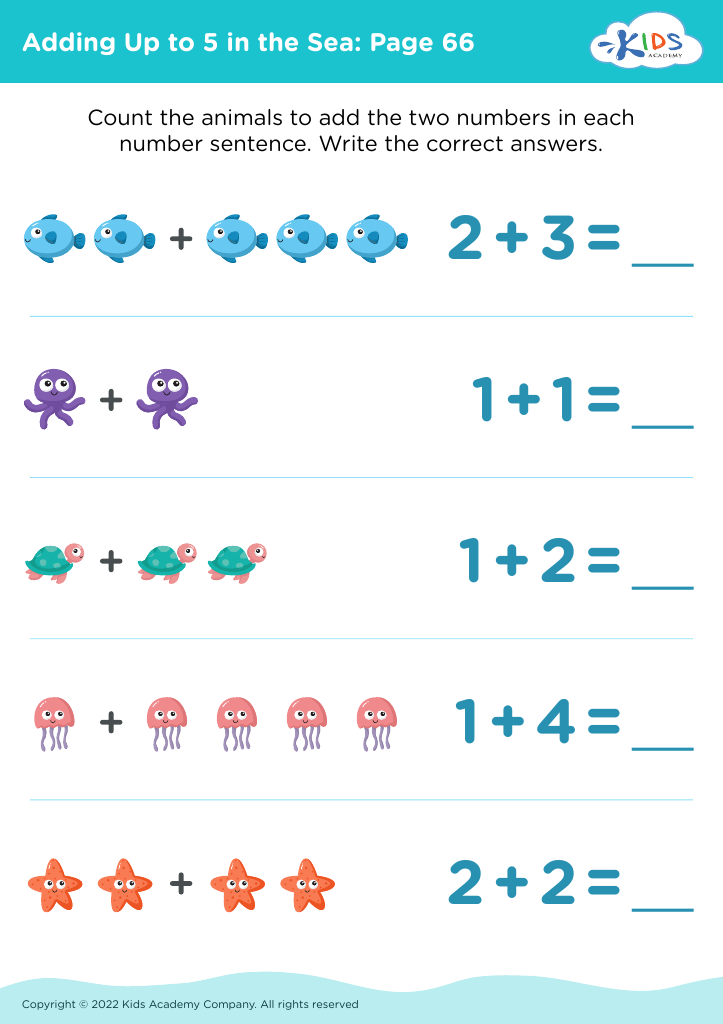








Hand-eye coordination is a crucial developmental skill for children aged 5-9, significantly impacting their academic performance and everyday activities. During these formative years, children are developing essential motor skills necessary for tasks such as writing, cutting with scissors, and playing sports. Improved hand-eye coordination enhances their ability to focus, process visual information, and react appropriately, which are vital for learning.
Parents and teachers should prioritize activities that foster this skill, as it not only aids in academic achievements but also promotes confidence and independence in children. For instance, children with strong hand-eye coordination can complete tasks more efficiently, making them more willing to engage in new challenges. Activities such as puzzles, drawing, and sports enable children to practice and refine their motor skills while having fun.
Moreover, strong hand-eye coordination has long-lasting benefits. It lays the groundwork for future learning in areas such as reading and math, where spatial awareness and visual processing are essential. Additionally, it helps in developing social skills by allowing children to participate in group activities and sports. Overall, cultivating hand-eye coordination can greatly enhance a child's overall development, making it a priority for parents and teachers alike.








