Improving calculation skills Worksheets for Ages 5-9
7 filtered results
-
From - To
Boost your child's math abilities with our "Improving Calculation Skills Worksheets" designed for ages 5-9! These engaging and colorful worksheets focus on key calculation skills, making learning enjoyable and effective. Covering essential concepts such as addition, subtraction, and number recognition, our resources are perfect for both classroom use and at-home practice. With a variety of activities tailored to different learning styles, kids can build confidence and improve their mathematical understanding. Watch as your little learners enhance their problem-solving abilities and develop a strong foundation for future math success. Explore our collection now and unlock the joy of learning!
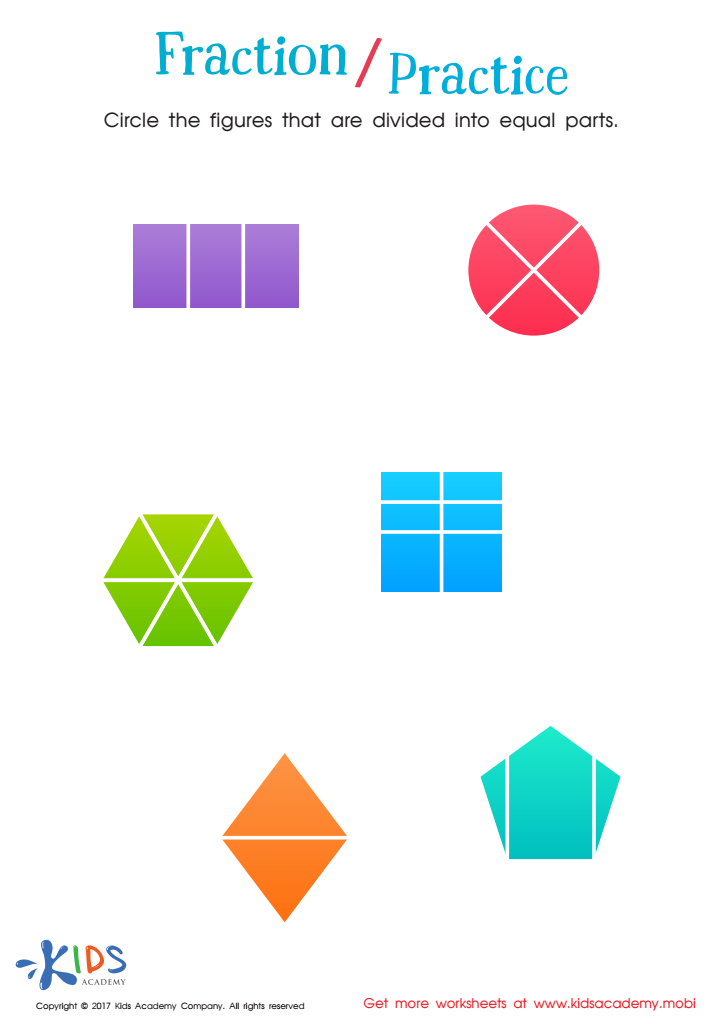
Fractions: Shapes Worksheet
 Assign to My Students
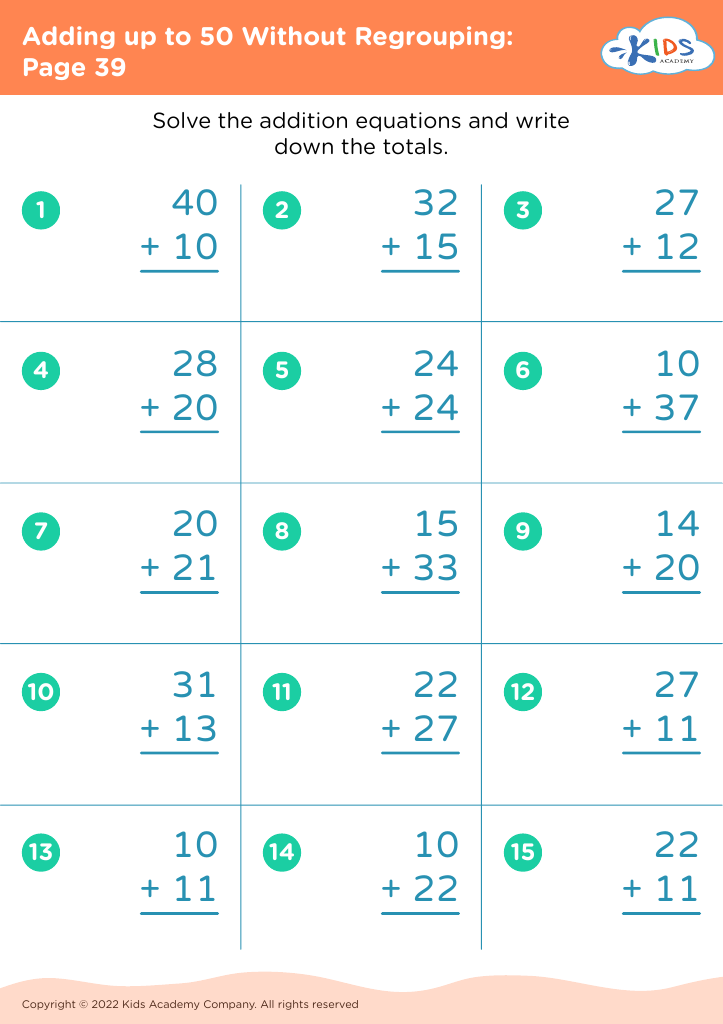
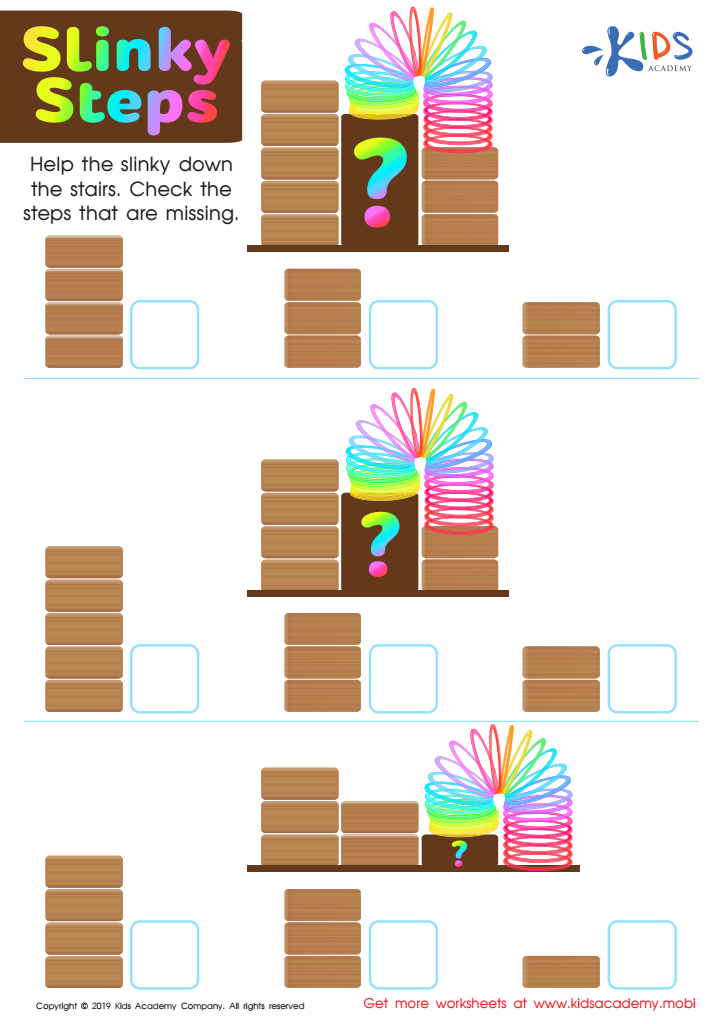
Slinky Steps Worksheet
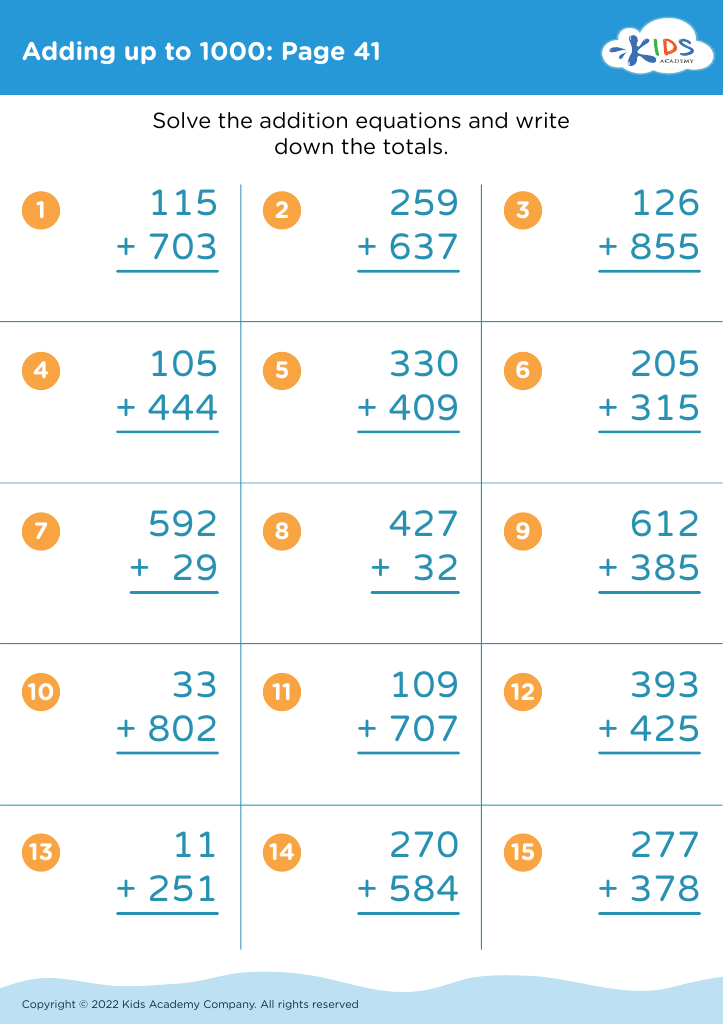
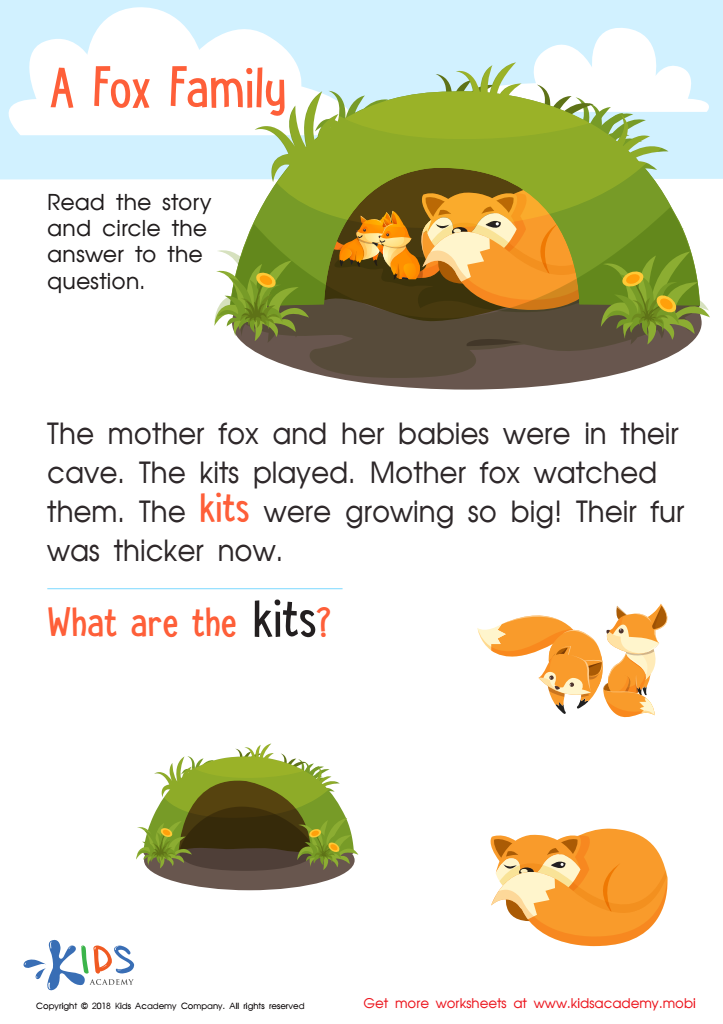
A Fox Family Worksheet
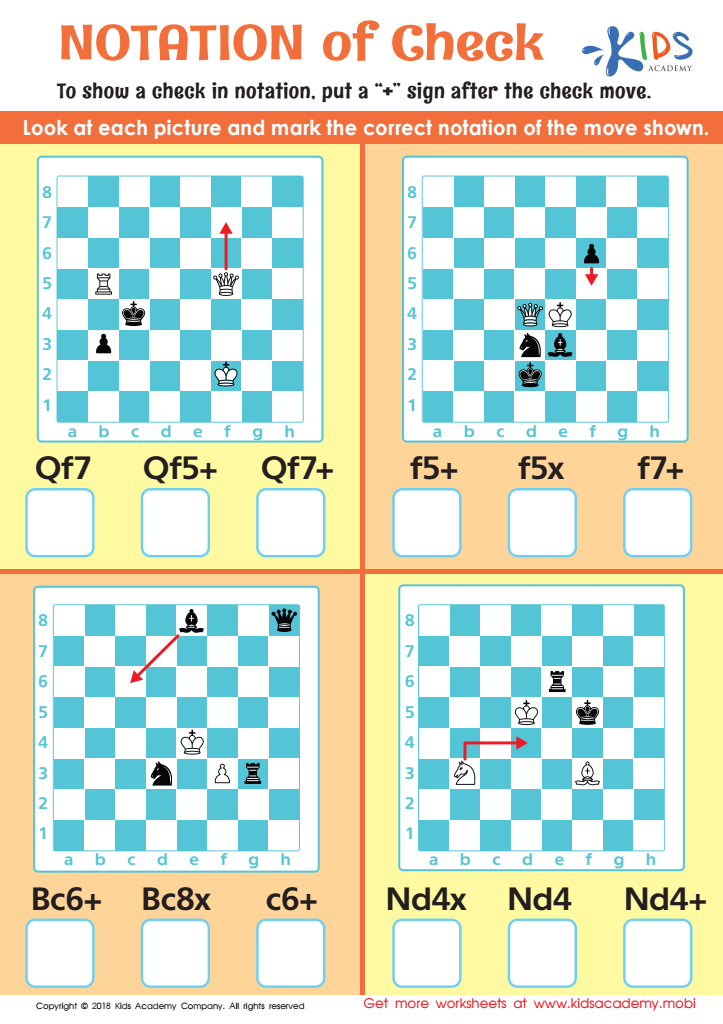
Notation of Check Worksheet
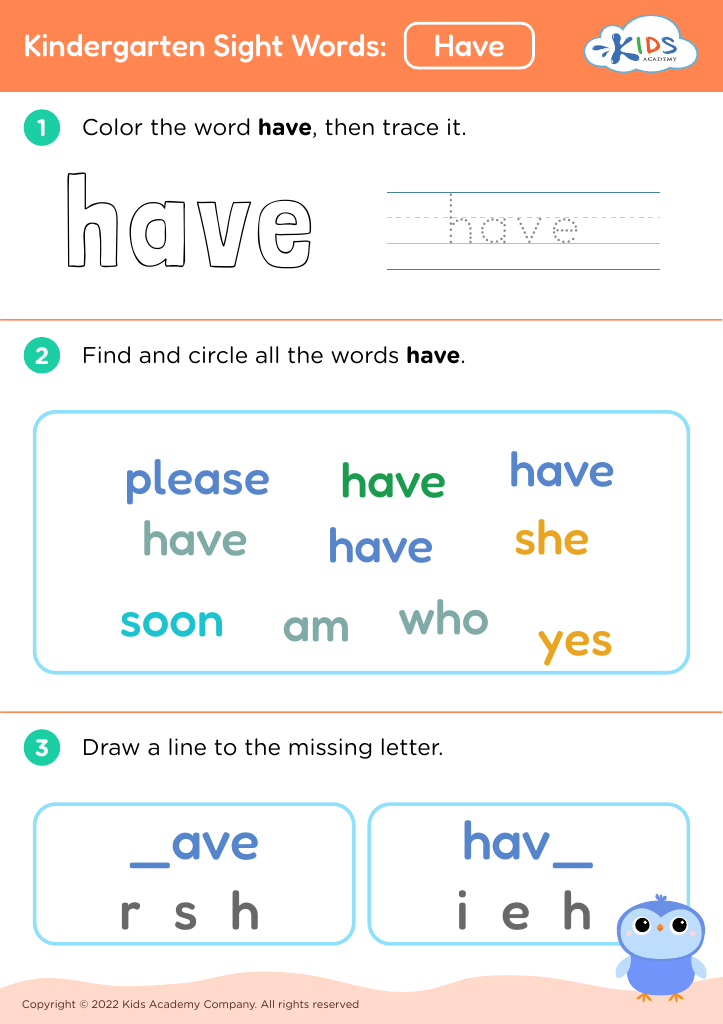


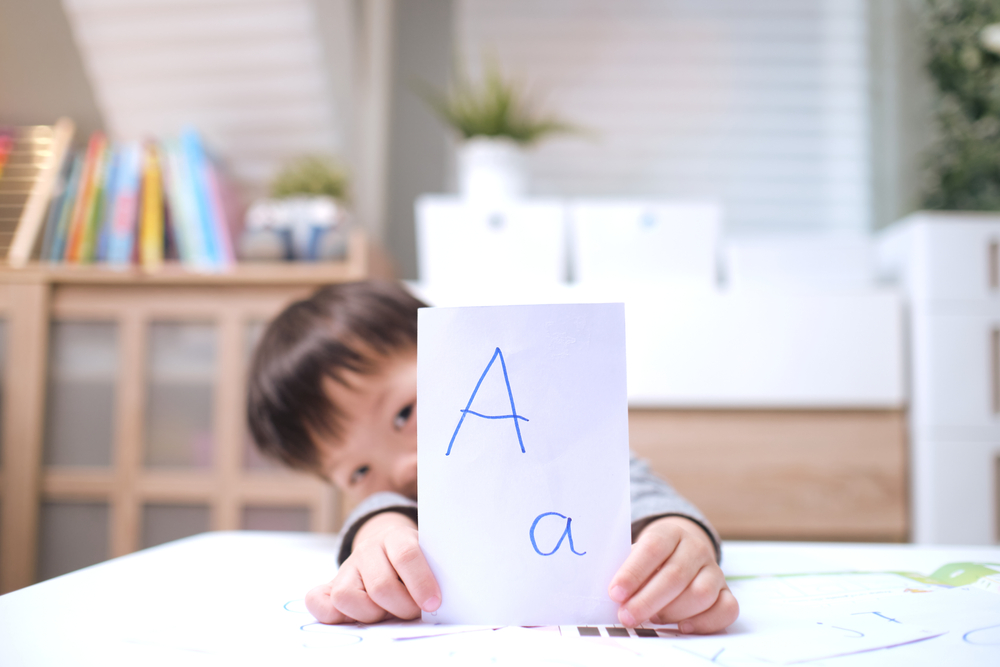



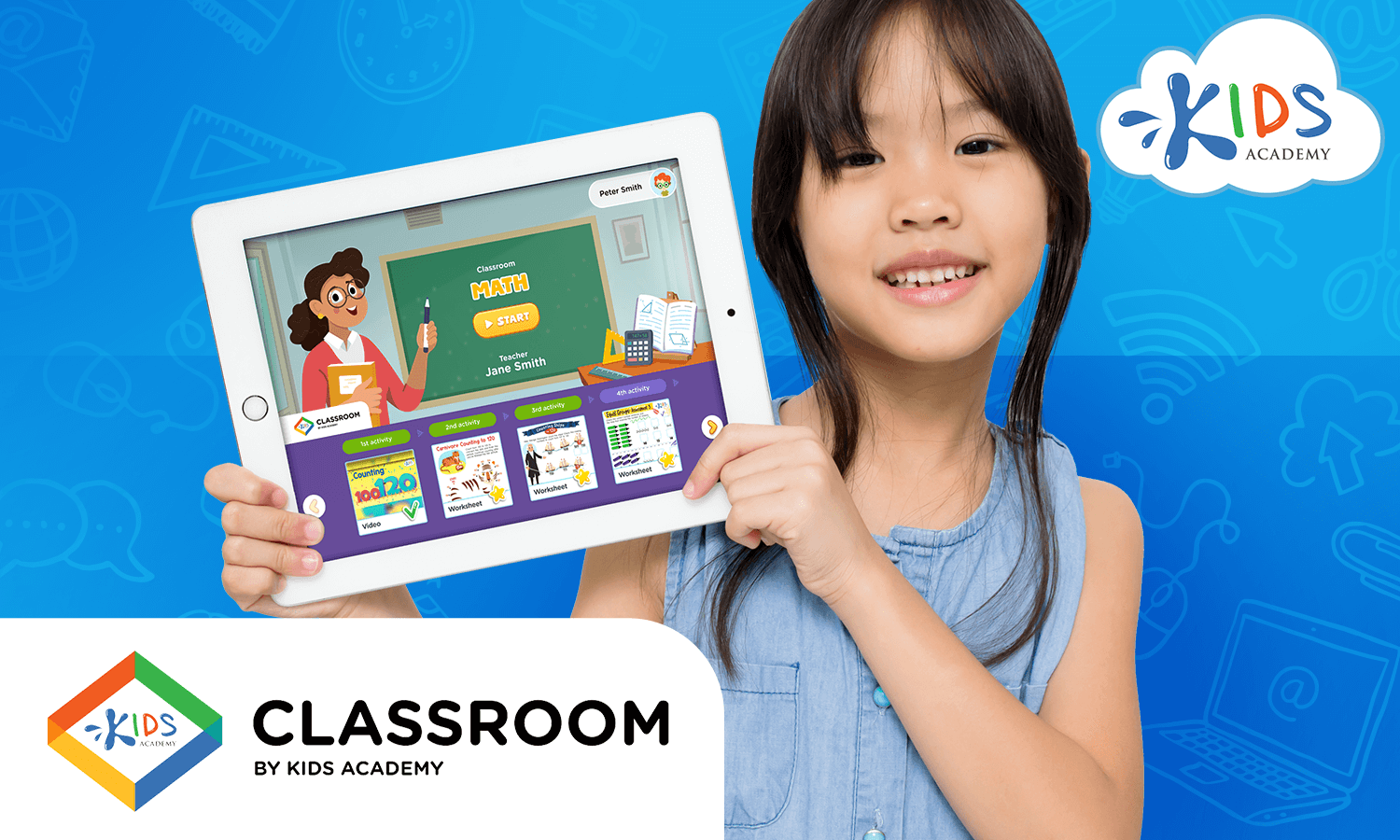

Improving calculation skills among children ages 5-9 is crucial for several reasons. At this developmental stage, children are building the foundation for their mathematical understanding, which is essential for their academic success. Strong calculation skills foster critical thinking and problem-solving abilities, allowing students to navigate real-life situations effectively. This age is particularly receptive to learning, so reinforcing numerical fluency can develop confidence and encourage a positive attitude towards mathematics.
Moreover, early mastery of calculation lays the groundwork for more complex concepts they will encounter in later grades. If children struggle with basic calculations, they may find it challenging to grasp higher-level math, ultimately affecting their overall academic performance. Additionally, numerical skills benefit other subject areas, such as science and finance, highlighting their importance.
For parents and teachers, fostering a collaborative approach to improving these skills ensures that children receive support both at school and home. Using engaging activities and games can make learning enjoyable and effective, transforming mathematical learning into a positive experience. Thus, by prioritizing calculation skills, we empower children not only in math but also in their overall cognitive development and sense of self-efficacy.








