Improving observational skills Worksheets for Ages 5-9
6 filtered results
-
From - To
Enhance your child's observational skills with our specialized worksheets designed for kids ages 5-9. Our engaging and interactive printables focus on sharpening attention to detail through fun activities that include spotting differences, matching pairs, and sorting objects. These free, printable worksheets cater to various learning styles, making it easy for children to develop critical thinking and eye-hand coordination. Perfect for both classroom and home use, our materials help young learners harness their natural curiosity and observation talents, setting a strong foundation for future academic success. Visit Kids Academy today and access our collection to start the learning journey!
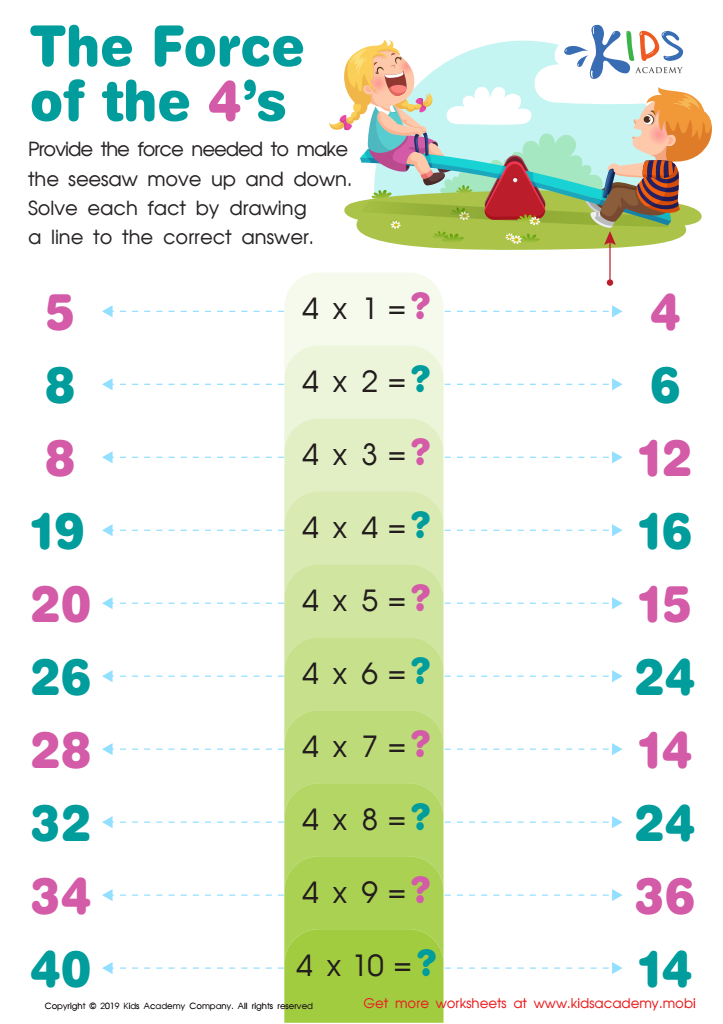
The Force of the 4's Worksheet
 Assign to My Students
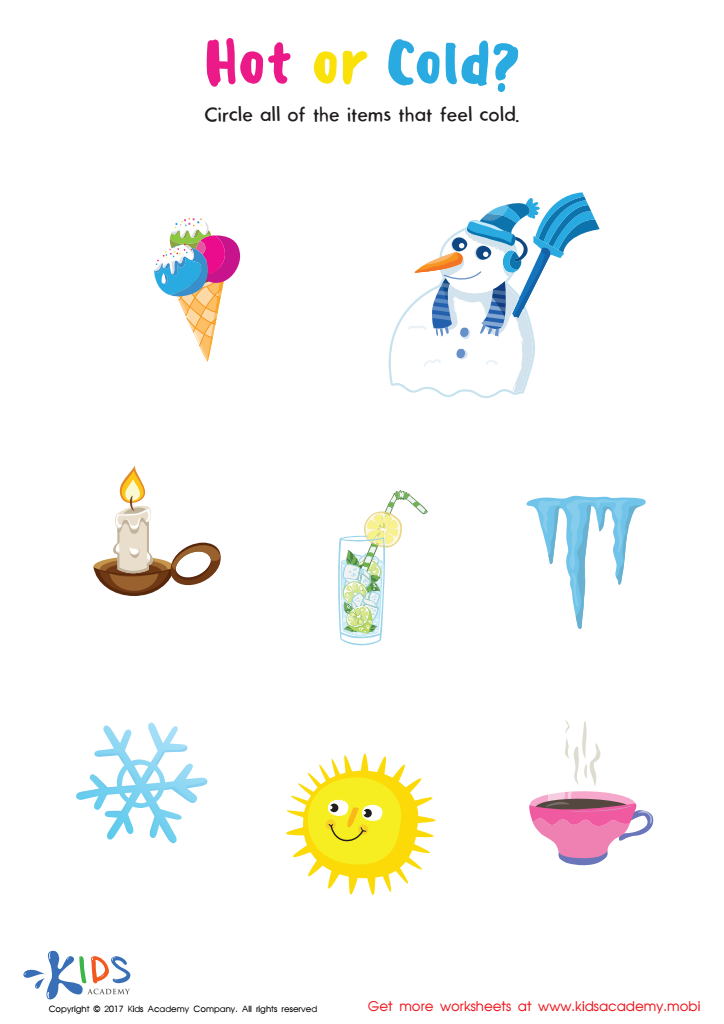
Hot or Cold Printable
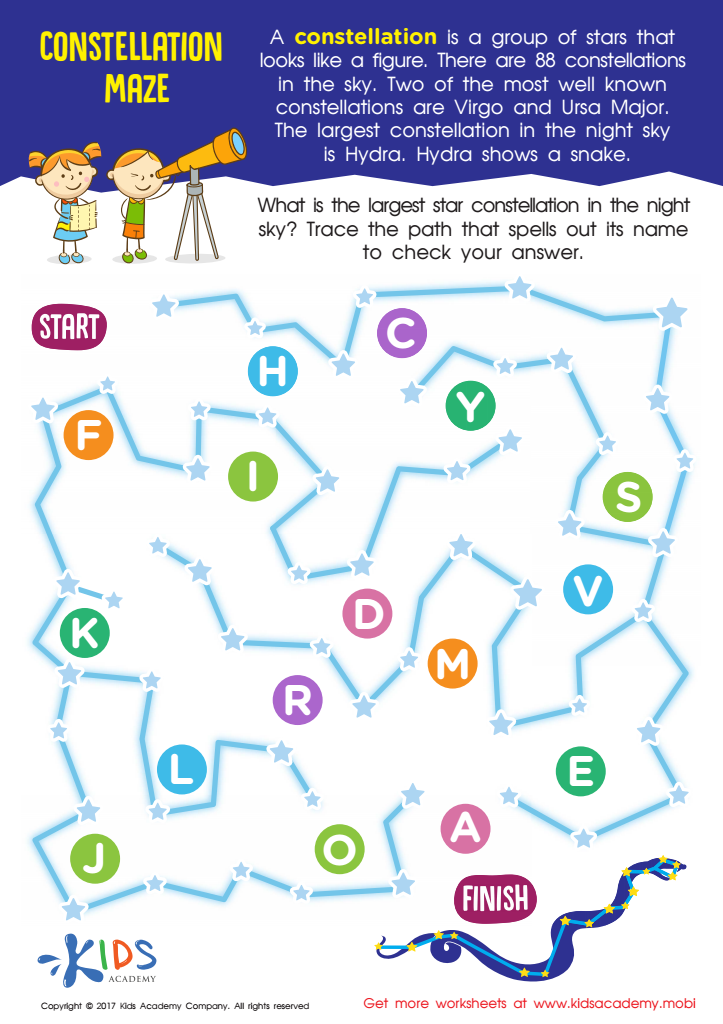
Constellations Worksheet
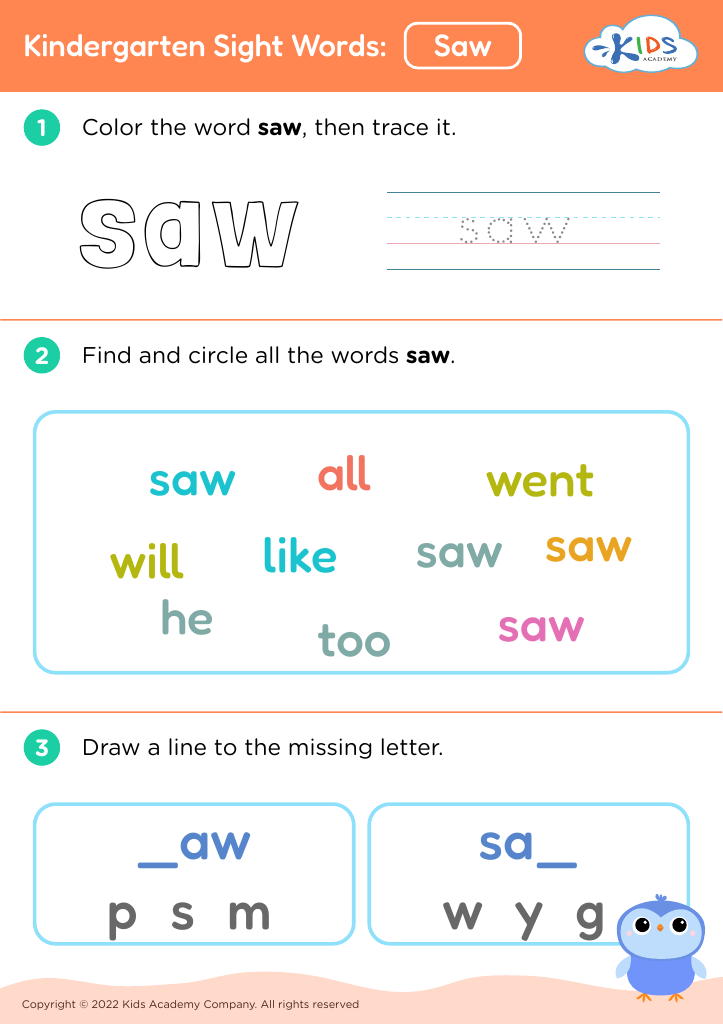








Improving observational skills in children aged 5-9 is crucial for both parents and teachers because these formative years lay the foundation for future academic and life success. Observational skills are strongly linked to cognitive development, including attention to detail, critical thinking, and problem-solving abilities. When children learn to observe their surroundings closely, they develop a better understanding of the world around them, enhancing their ability to learn and synthesize new information.
For parents, fostering strong observational skills can lead to better communication with their children. As children become more observant, they start to articulate their thoughts and feelings more clearly, making it easier to address any emotional or psychological needs they may have. Additionally, engaged observation helps in developing empathy, as children become more attuned to the feelings and reactions of others.
Teachers benefit from students with strong observational skills because such children tend to excel in the classroom. These students are more likely to follow instructions accurately, notice details in reading and math problems, and remain focused on tasks. This leads to higher academic performance and a more smoothly running classroom environment.
Overall, improving observational skills at this critical age promotes a more intuitive understanding of both academic content and social interactions, setting the stage for lifelong learning and interpersonal success.








