Phonics practice Worksheets for Ages 5-9 - Page 2
26 filtered results
-
From - To
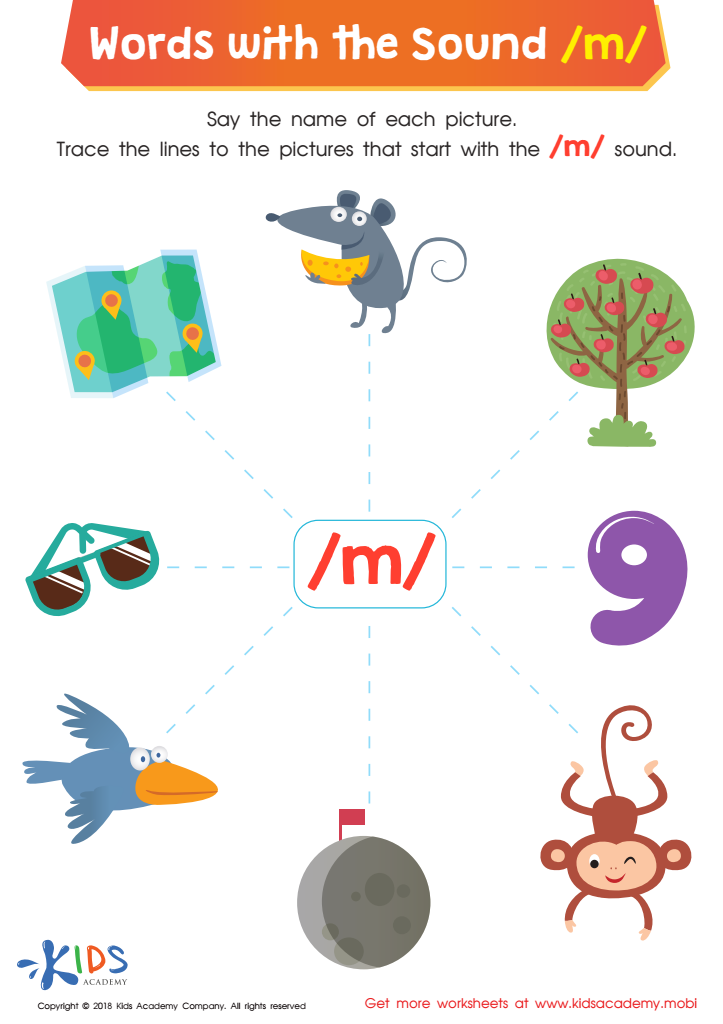
Words with Sound M Reading Worksheet
 Assign to My Students
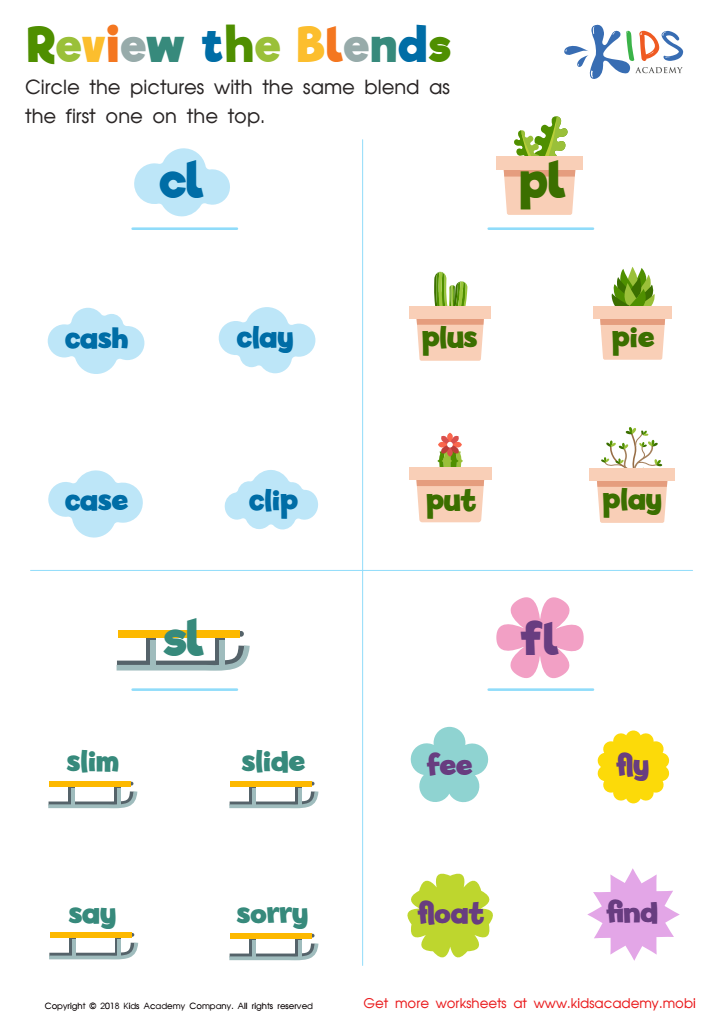
Review the Blends Worksheet







Phonics practice is crucial for children ages 5-9 as it lays the foundation for essential reading skills. During these formative years, children's brains are developed to distinguish sounds and associate them with written symbols. Phonics helps them decode words by understanding the relationship between letters and sounds. This decoding ability is the key to effective reading and comprehending texts.
When children have strong phonics skills, they are equipped to tackle new words independently, boosting their confidence and fostering a love for reading. This early literacy skill also supports later academic achievement across all subjects. Reading fluently allows students to understand and interpret instructions and content in various areas, from math problems to science texts.
Moreover, phonics practice aids in developing spelling skills, as children learn the phonemic patterns that form words. This can lead to better writing capabilities as well. By enhancing vocabulary and language comprehension, phonics practice not only benefits academic performance but also encourages effective communication skills.
Ultimately, investing time in phonics practice helps children become proficient readers, setting the stage for lifelong learning and success. Parents and teachers caring about phonics are essentially investing in the child's future academic and personal growth.








