Pronunciation practice Worksheets for Ages 5-9
3 filtered results
-
From - To
Enhance your child's language skills with our engaging pronunciation practice worksheets designed for ages 5-9! These printable resources provide fun and interactive activities that help young learners master correct pronunciation of sounds, words, and phrases. With colorful illustrations and contextual settings, children will enjoy boosting their verbal communication abilities while developing confidence. Our worksheets cater to various learning styles and can be easily integrated into home or classroom routines. Fostering a love for language has never been easier! Explore our collection of worksheets today and set your child on the path to becoming a clear and confident communicator.
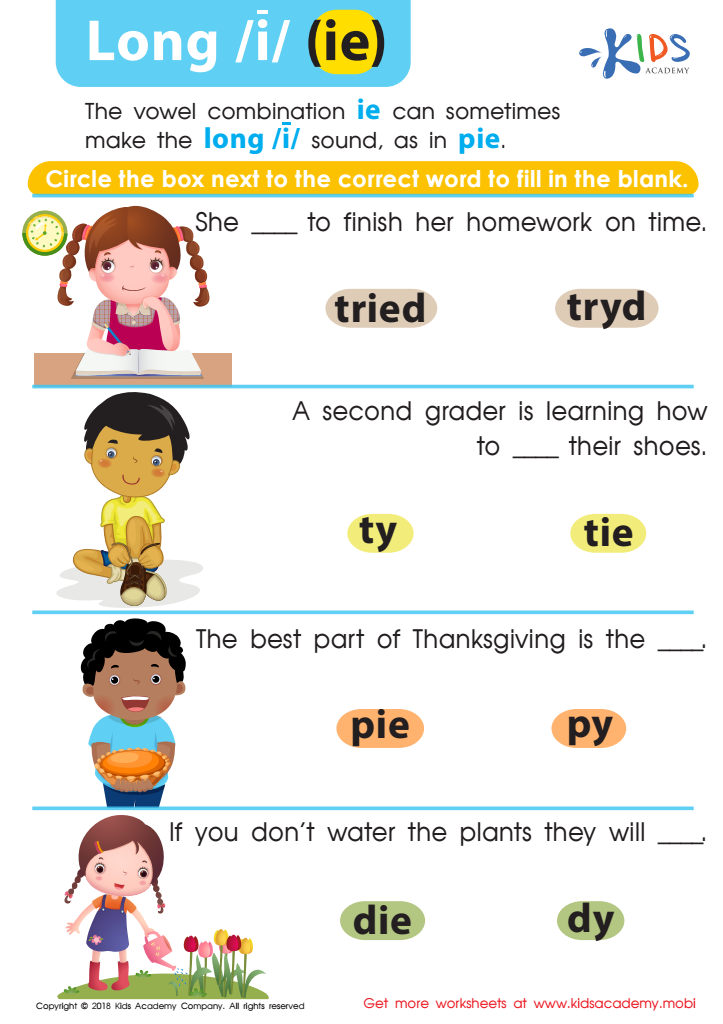
Reading: Long I and IE Worksheet
 Assign to My Students
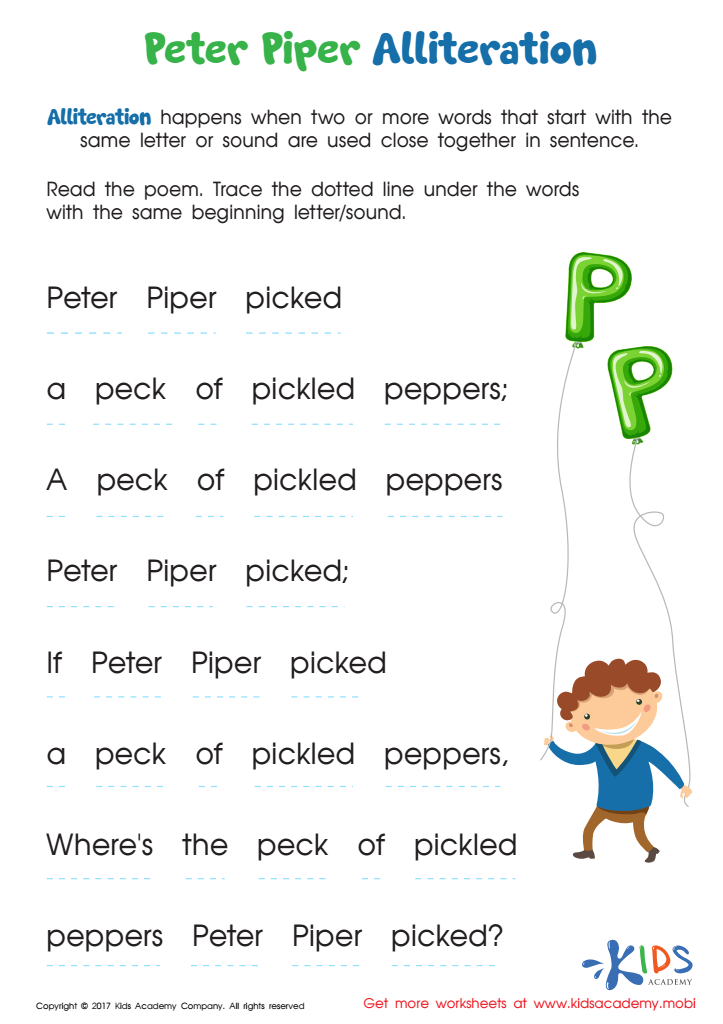
Peter Piper Alliteration Worksheet
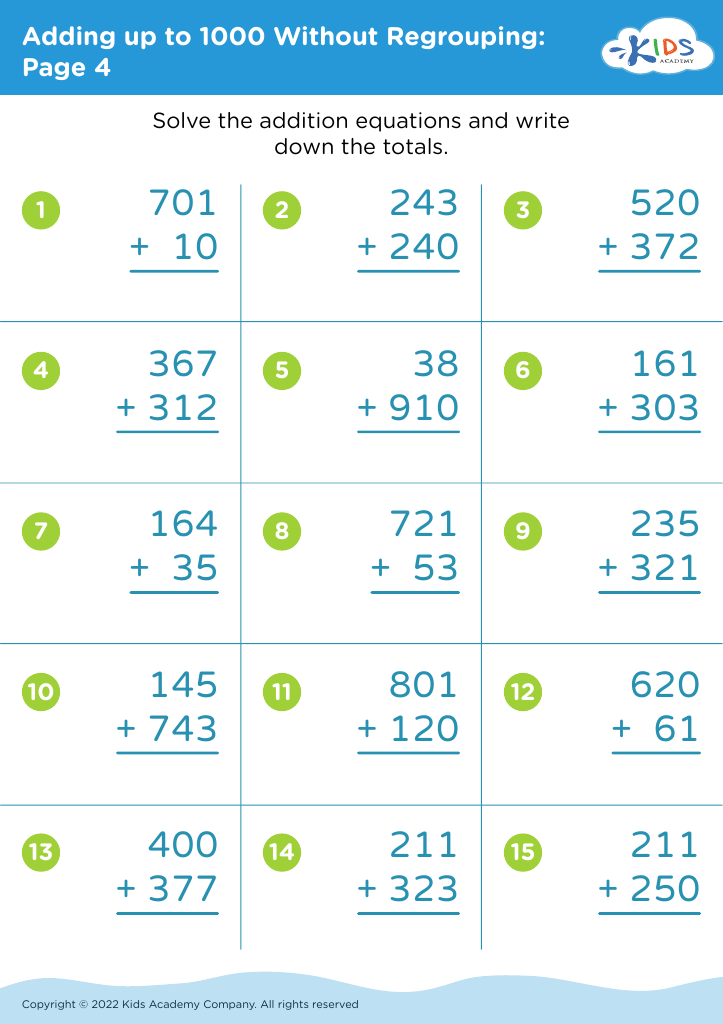








Pronunciation practice for children aged 5-9 is crucial for several reasons. At this age, children are in a formative stage of language development, where they build the foundational skills for effective communication. Proper pronunciation not only enhances their speaking abilities but also impacts their reading skills and overall literacy. When children understand how to pronounce words correctly, they are more likely to decode words accurately during reading, which fosters comprehension.
Furthermore, good pronunciation instills confidence in children. When they are comfortable articulating words, they are more willing to participate in discussions and share their thoughts, enriching their learning experience. Lack of proper pronunciation can lead to misunderstandings, causing frustration or embarrassment, which may deter children from engaging in conversations.
For parents and teachers, developing strong pronunciation skills is particularly important in creating a supportive learning environment. By recognizing the significance of early pronunciation practice, they can provide targeted interventions and encourage playful, interactive methods such as rhymes and songs. This makes language learning enjoyable and effective, ultimately supporting a child's long-term academic success. Engaging in consistent pronunciation practice lays the groundwork for articulate, confident individuals who can navigate social and educational settings with ease.








