Sequencing events Worksheets for Ages 5-9
7 filtered results
-
From - To
Our Sequencing Events Worksheets for Ages 5-9 are perfect for developing critical thinking and organizational skills. These engaging and educational activities help children understand the order of events through fun exercises involving stories, images, and everyday tasks. Tailored for young learners, our worksheets enhance reading comprehension, logical reasoning, and encourage creativity. Ideal for parents and teachers seeking to support their child's growth, these printable resources are designed to make learning enjoyable and effective. Boost your child’s ability to grasp sequences and patterns in a fun way, promoting their academic success and lifelong learning skills.
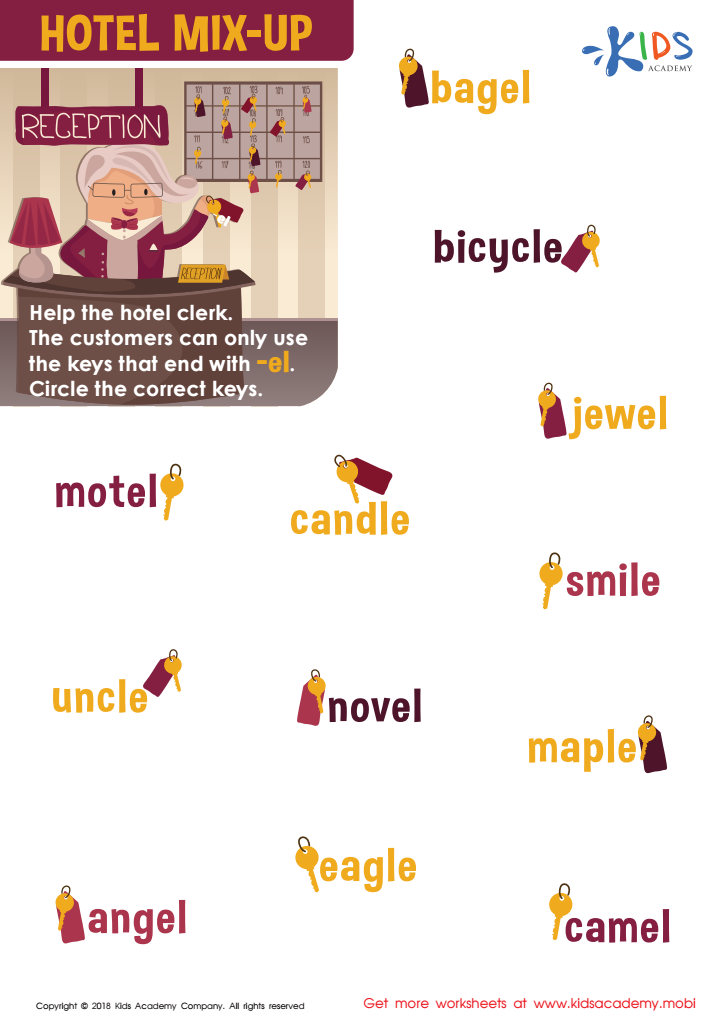
Hotel Mix-up Worksheet
 Assign to My Students
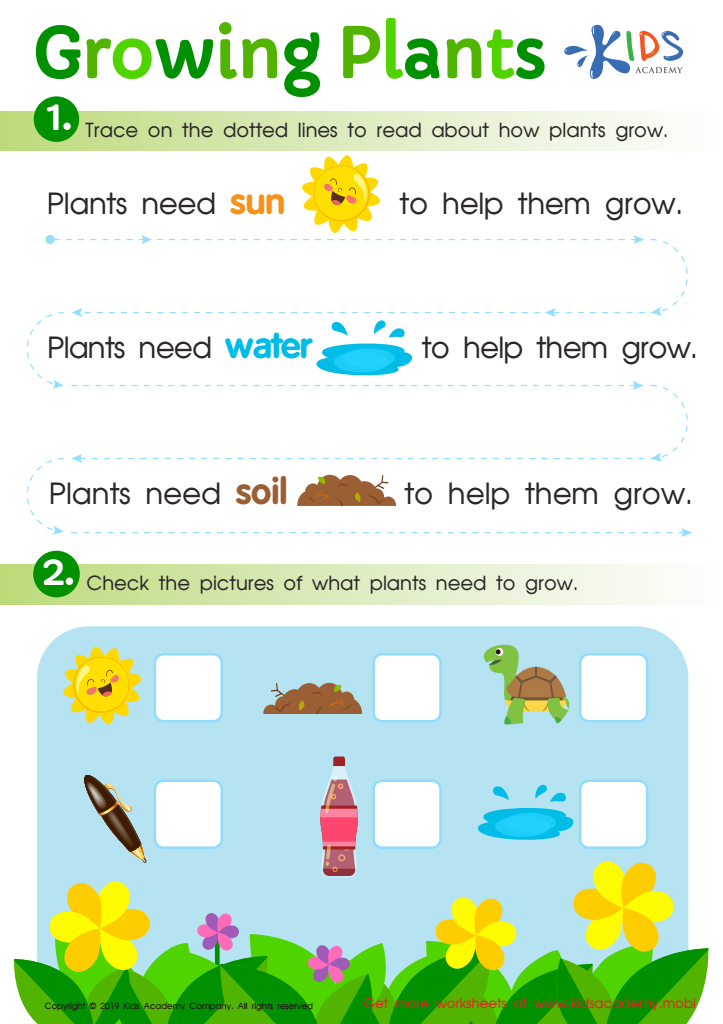
Growing Plants Worksheet
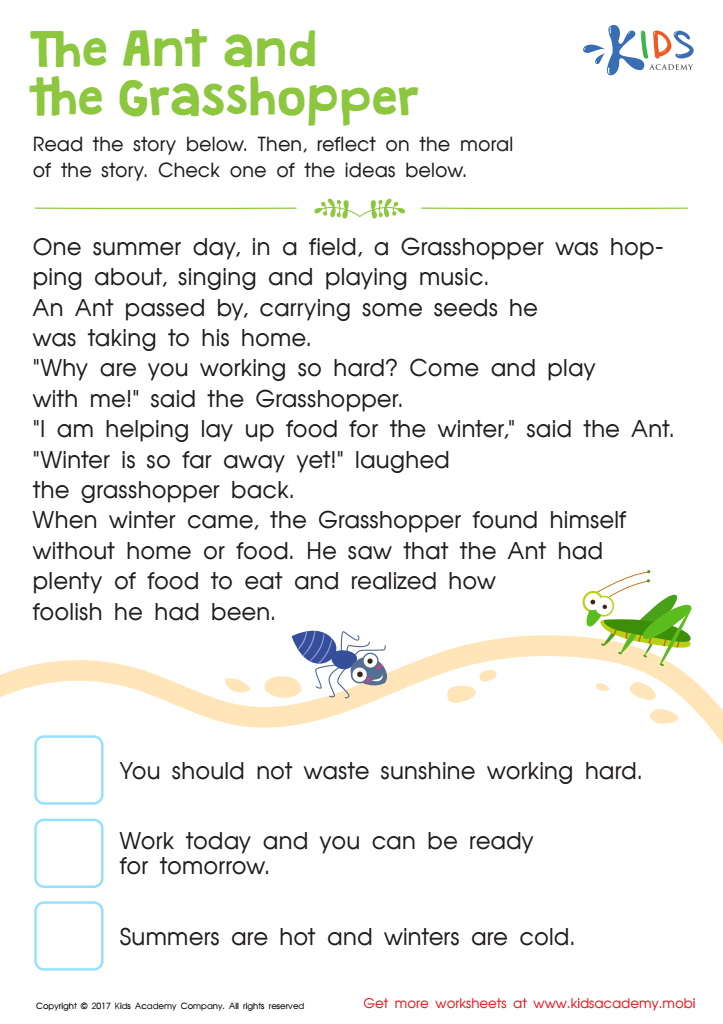
The Ant and The Grasshopper Printable

Emperor Penguin Journey Worksheet
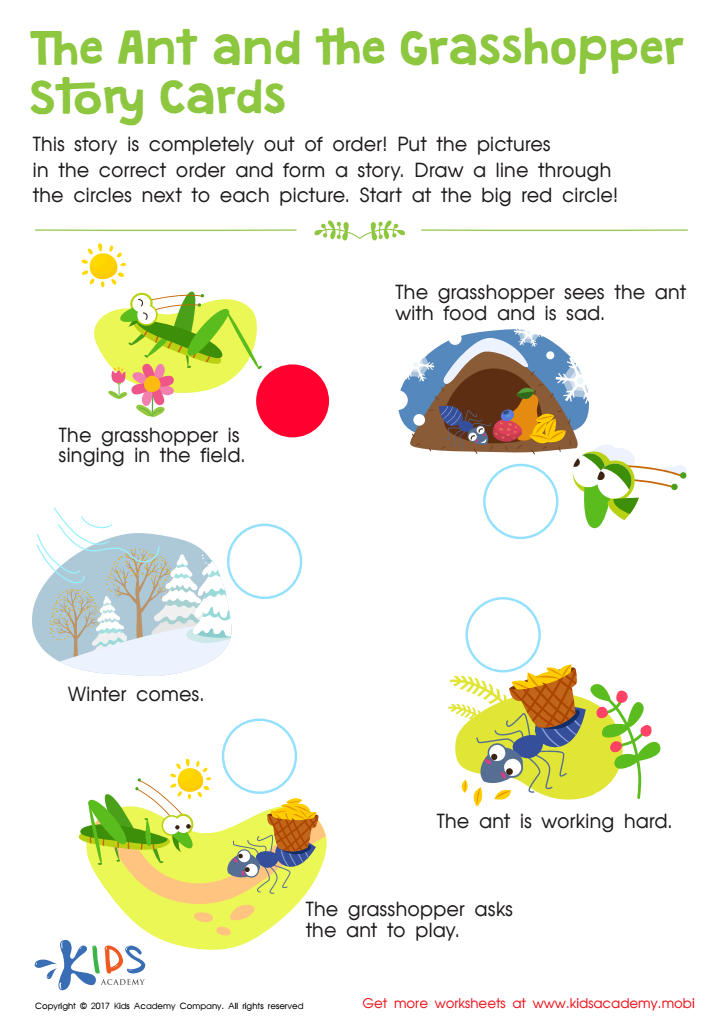
The Ant and The Grasshopper Worksheet
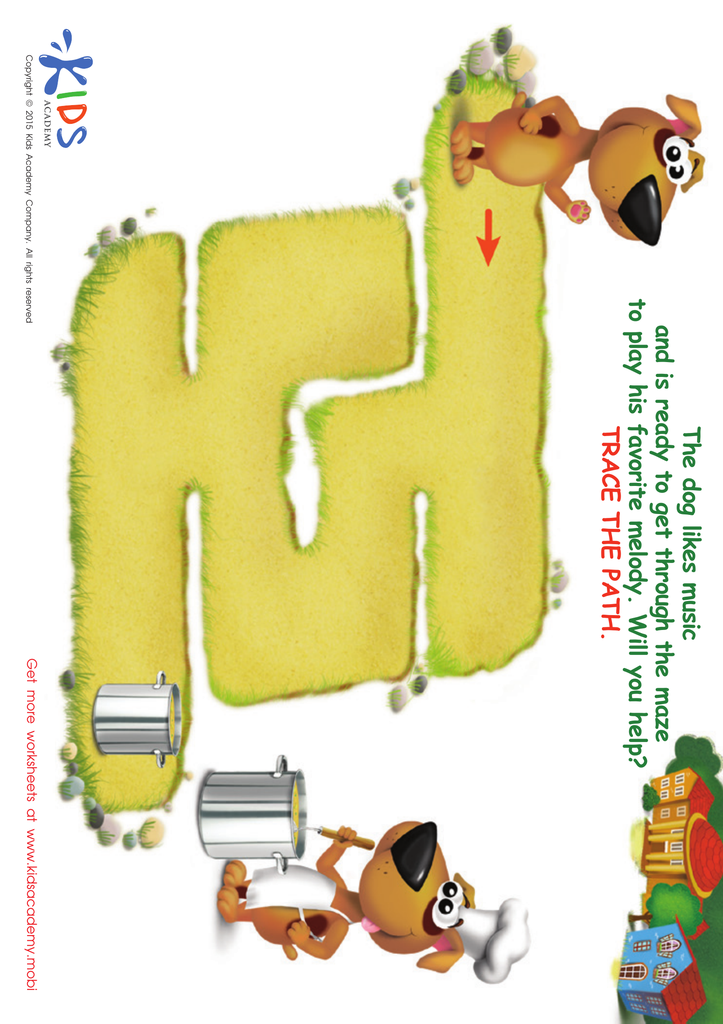
Cook Maze Worksheet
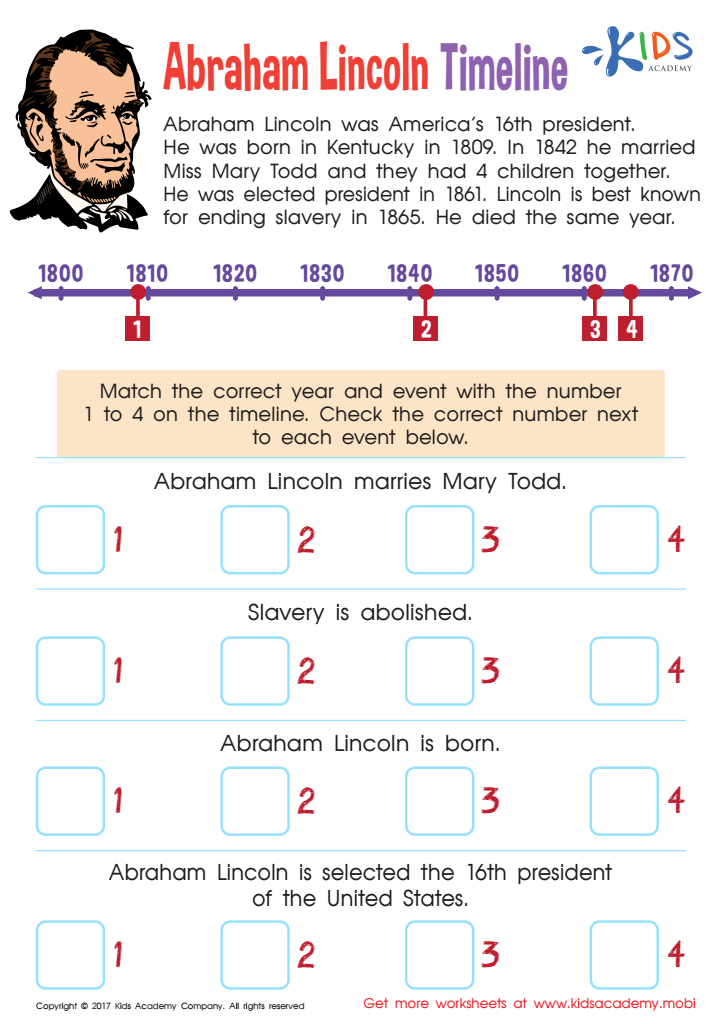
Abraham Lincoln Timeline Worksheet



.jpg)




Sequencing events is an essential cognitive skill for children aged 5-9 as it lays the foundation for various academic and life skills. Parents and teachers should care about teaching sequencing because it helps children understand the logical order of events, fostering their ability to comprehend and relate to stories, instructions, and routines. When children grasp the concept of sequencing, they can better organize their thoughts and communicate more clearly.
In the academic realm, sequencing is crucial for literacy development. It allows children to improve their reading comprehension, as they can follow and predict storylines, remember details, and make connections between different parts of the text. Sequencing also aids in developing writing skills. Children learn to organize their narratives or expository writing in a coherent manner, making their work easier to understand and more enjoyable to read.
Beyond academics, sequencing has practical applications in daily life. From following recipes to completing multi-step math problems or recognizing patterns and predicting outcomes, these skills are indispensable. Sequencing enhances executive functions such as planning, problem-solving, and time management.
In summary, focusing on sequencing events at an early age equips children with a vital toolset for academic success and practical daily activities, making them more effective learners and confident individuals.








