Story sequencing Worksheets for Ages 5-9 - Page 2
31 filtered results
-
From - To
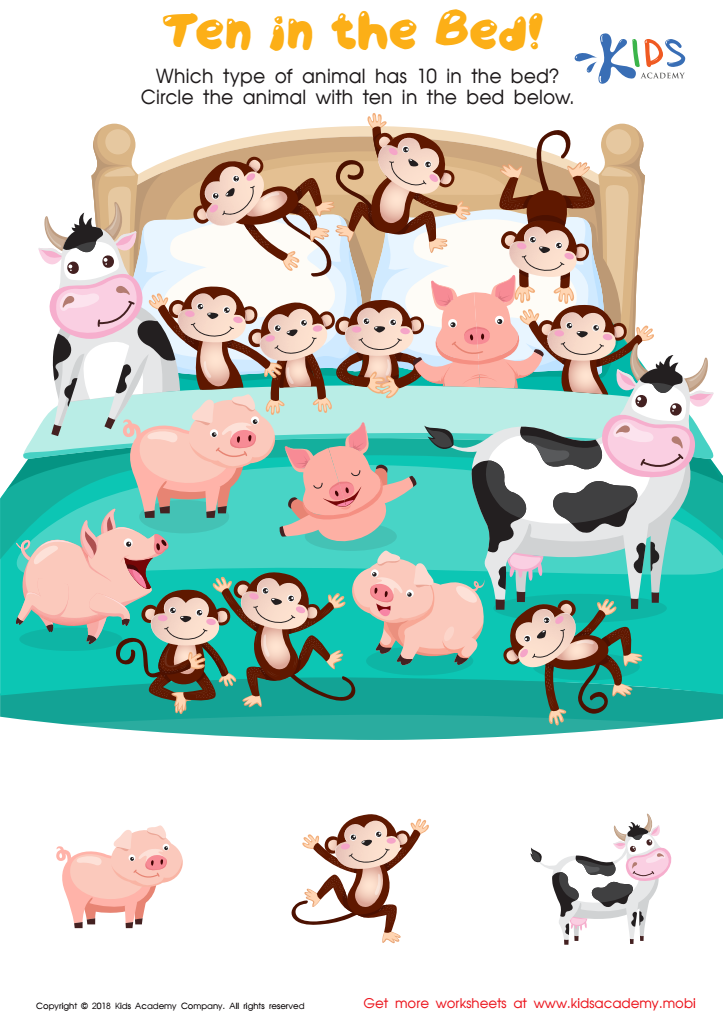
Ten in the Bed Worksheet
 Assign to My Students
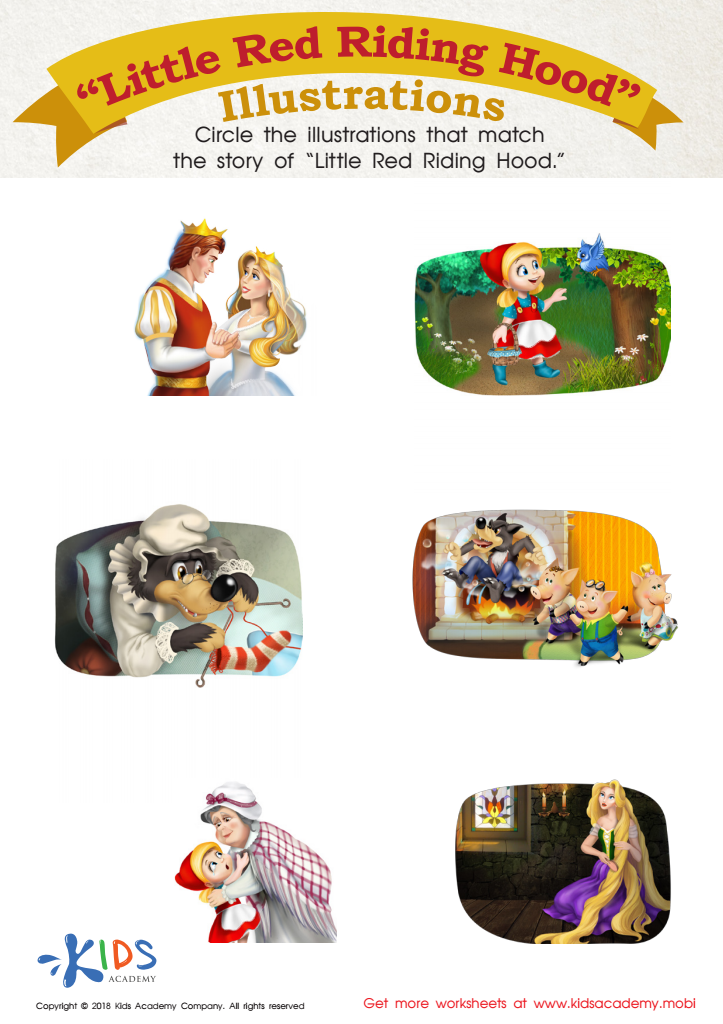
Little Red Riding Hood: Illustrations Worksheet
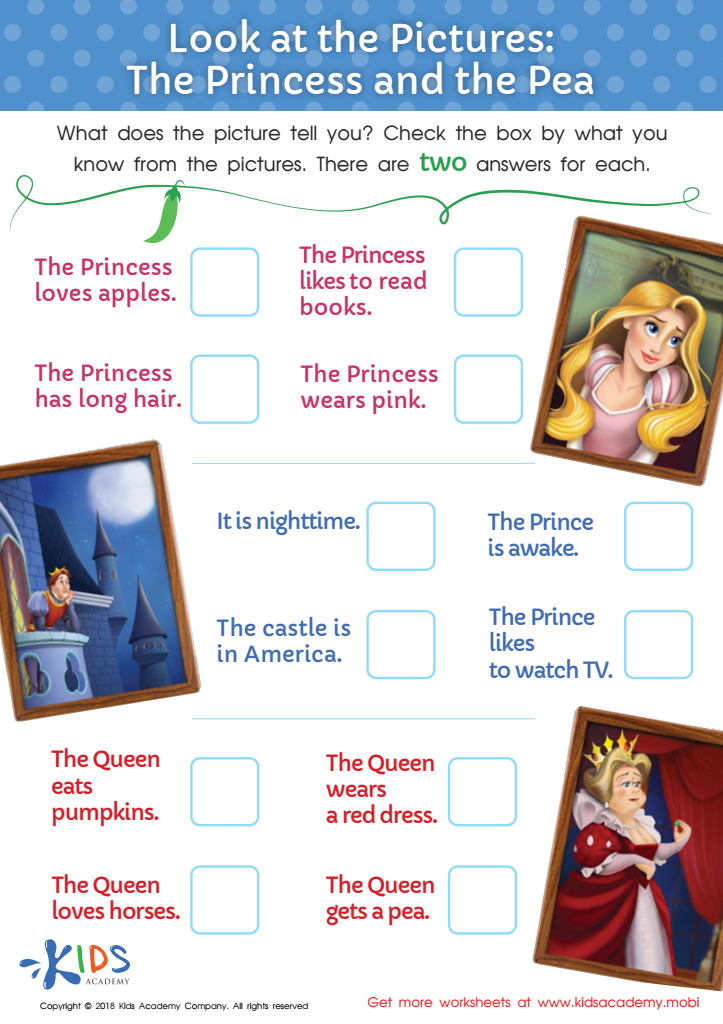
Look at the Pictures: The Princess and the Pea Worksheet
The Three Little Pigs and The Big Bad Wolf Printable
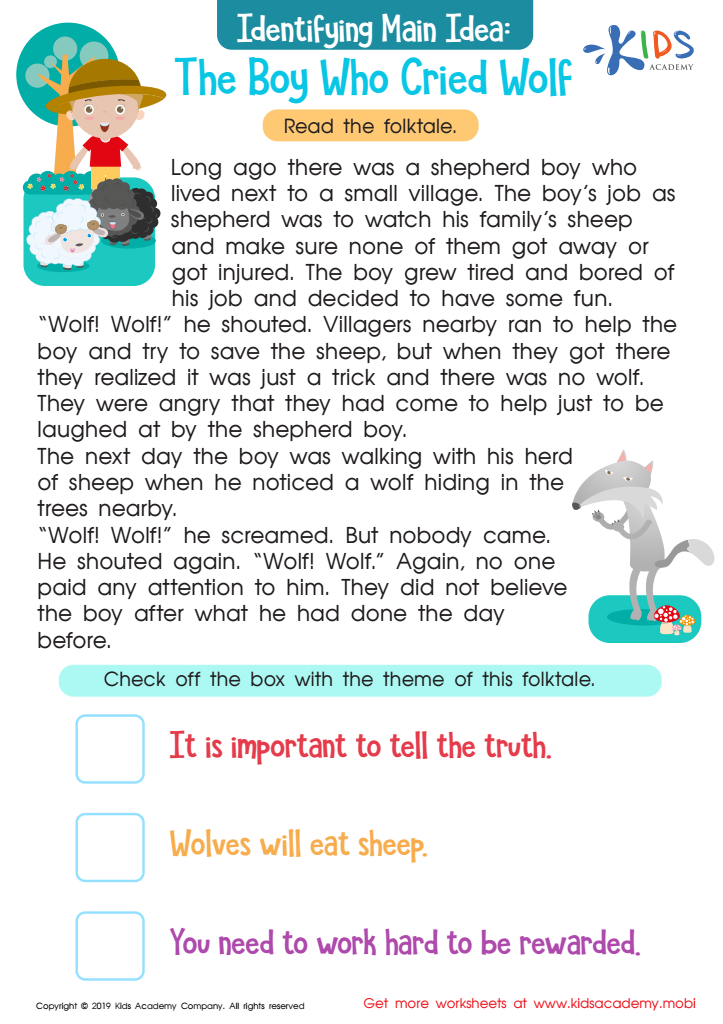
The Boy Who Cried Wolf Part 2 Worksheet
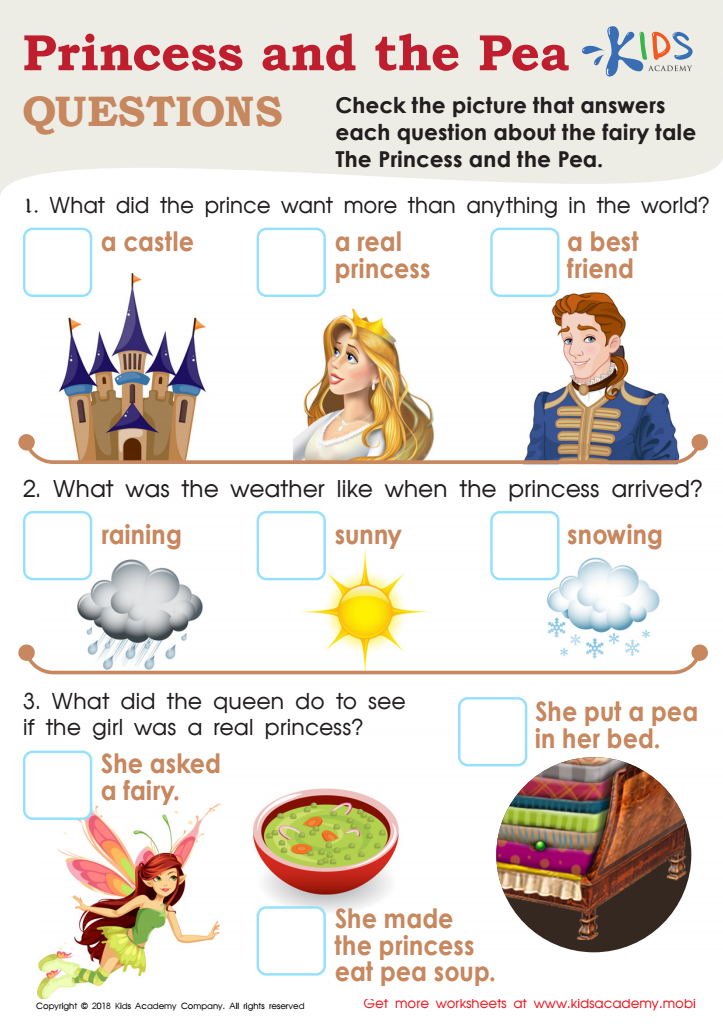
Princess and the Pea Questions Worksheet
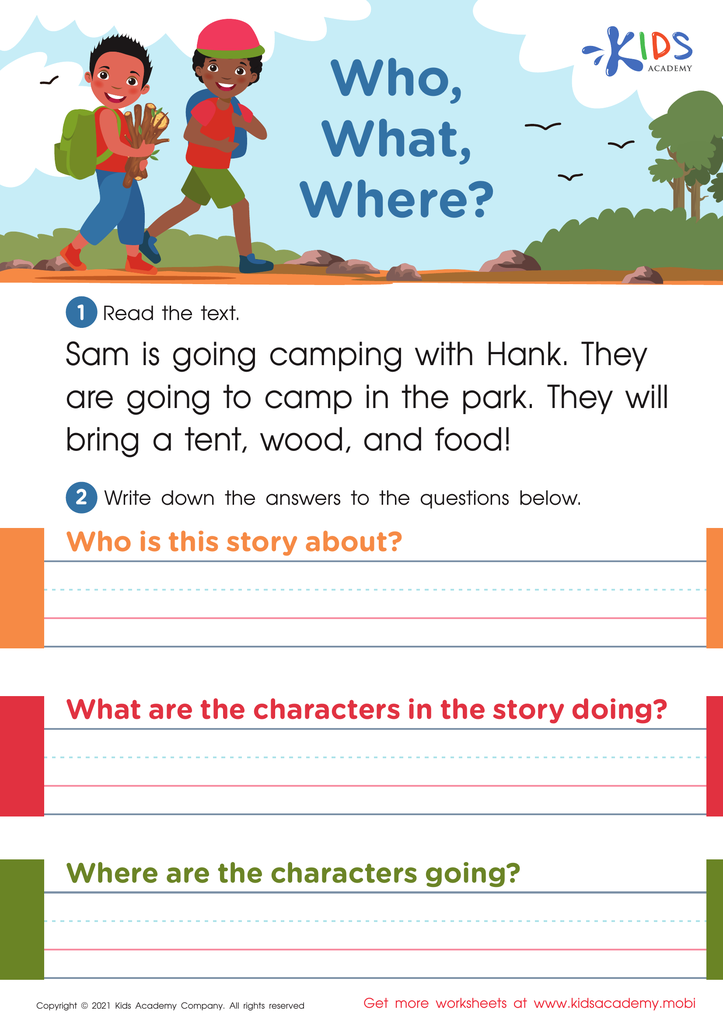
Who, What, Where? Worksheet



.jpg)

%20(1).jpg)
Story sequencing is a critical skill for children aged 5–9 as it lays the foundation for reading comprehension, critical thinking, and narrative skills. As children learn to arrange events in the correct order, they develop a clearer understanding of how stories function, including beginning, middle, and end structures. This understanding enhances their ability to recall details, summarize plots, and predict outcomes, fostering a deeper engagement with the text.
Moreover, story sequencing nurtures cognitive skills such as problem-solving, as children must determine which events lead to conclusions and understand cause and effect. When parents and teachers emphasize this skill, it encourages children to think analytically about what they read, promoting discussion and dialogue about story elements.
Additionally, assigning story sequences in activities, such as using picture cards representing story events, makes learning interactive and enjoyable. This hands-on approach not only reinforces literacy but also supercharges language development, enhancing vocabulary and expressive skills. By caring about and supporting story sequencing, parents and teachers equip children with essential tools for academic success, improved communication skills, and a lifelong love for reading.








