Understanding Sequences Worksheets for Ages 5-9 - Page 2
29 filtered results
-
From - To
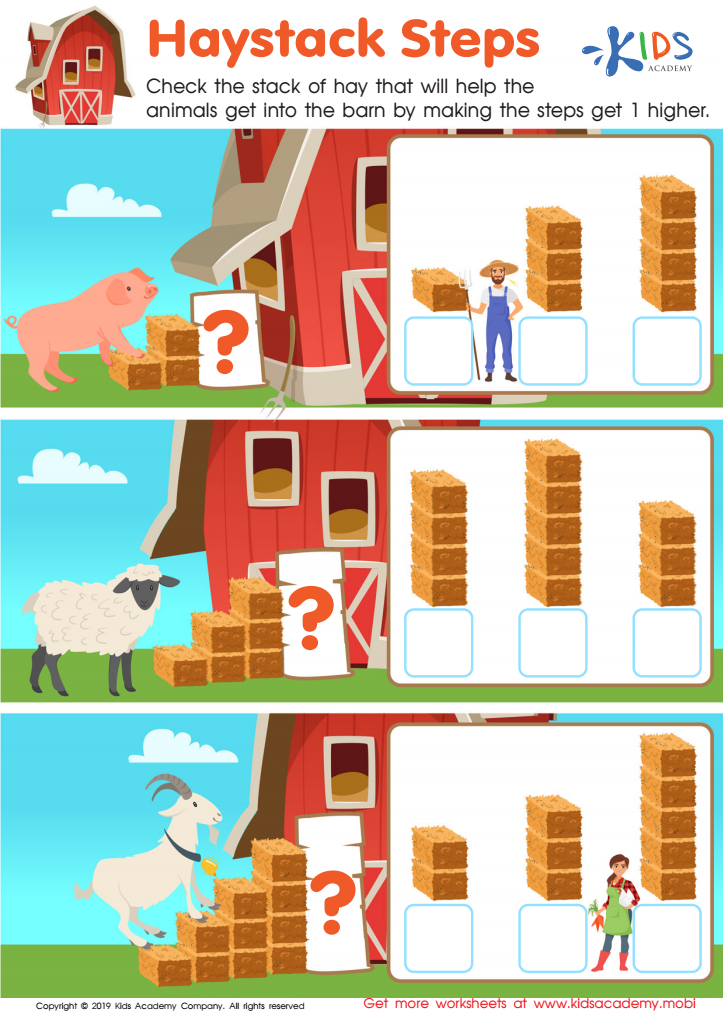
Haystack Steps Worksheet
 Assign to My Students




.jpg)


Understanding sequences is fundamental for children aged 5-9, as it serves as the building block for critical thinking and problem-solving skills. For parents and teachers, fostering this understanding lays the groundwork for mathematics, language, and life skills.
In mathematics, recognizing patterns and sequences enables children to explore addition, subtraction, and even more complex concepts in higher grades. For example, grasping number patterns aids in comprehending multiplication tables and fractions later on. Beyond math, sequences are essential in language development, helping children organize stories and understand chronological order in events.
Moreover, sequences help children in everyday situations, from following instructions to planning activities. This organized thought process contributes to better focus and enhanced cognitive abilities.
Promoting sequence understanding encourages curiosity and creativity, allowing children to engage with diverse subjects—from science to music. Moreover, it nurtures an intrinsic love for learning as they recognize patterns in their environment and daily lives.
In summary, both parents and teachers play a crucial role in guiding children's early experiences with sequences, ensuring they develop foundational cognitive skills that pave the way for academic success and personal growth. Investing time and resources in this area fosters confident, capable learners.








