Understanding sequencing Worksheets for Ages 5-9
14 filtered results
-
From - To
Explore our collection of "Understanding Sequencing Worksheets" tailored for ages 5-9! These engaging worksheets are designed to help young learners grasp the essential skill of sequencing, which is vital for developing critical thinking and reading comprehension. Children will enjoy colorful illustrations and interactive activities that encourage them to arrange events and stories in the correct order. Our materials not only boost cognitive skills but also promote language development as kids learn to articulate their reasoning. Perfect for teachers and parents alike, these worksheets make learning sequencing fun and effective, ensuring kids build a solid foundation in early literacy skills. Get started today!
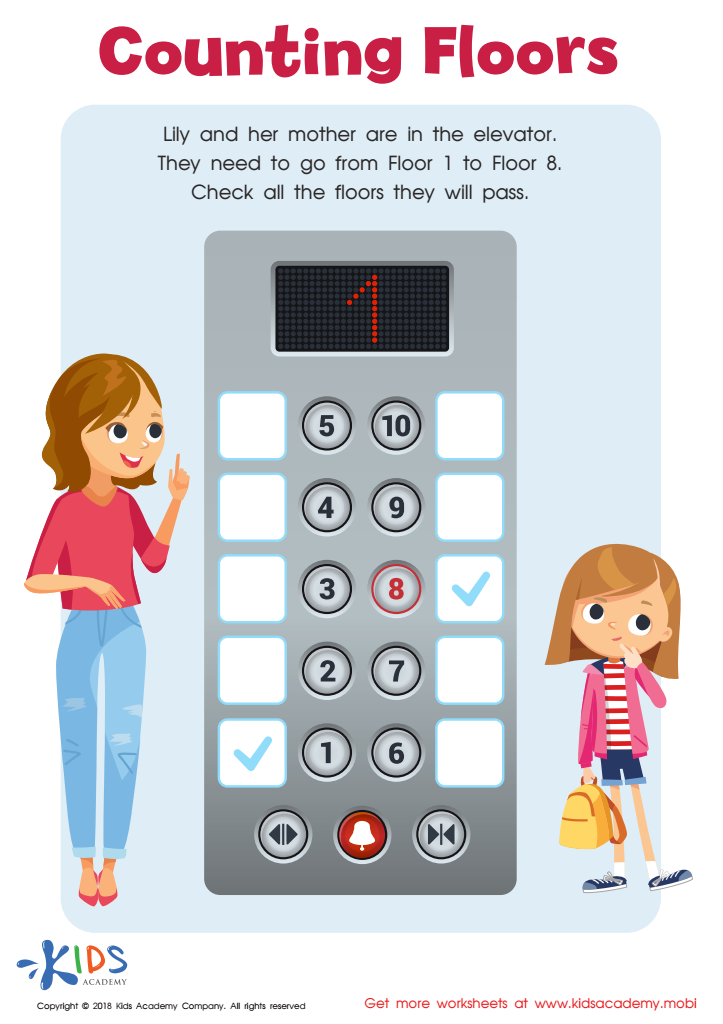
Counting Floors Worksheet
 Assign to My Students
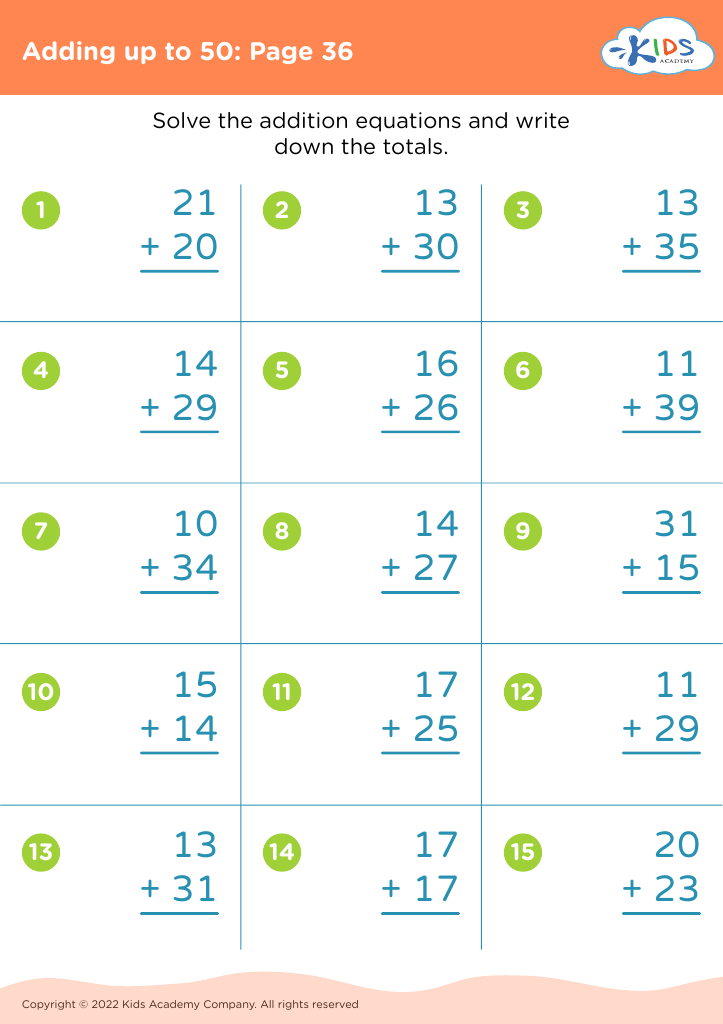
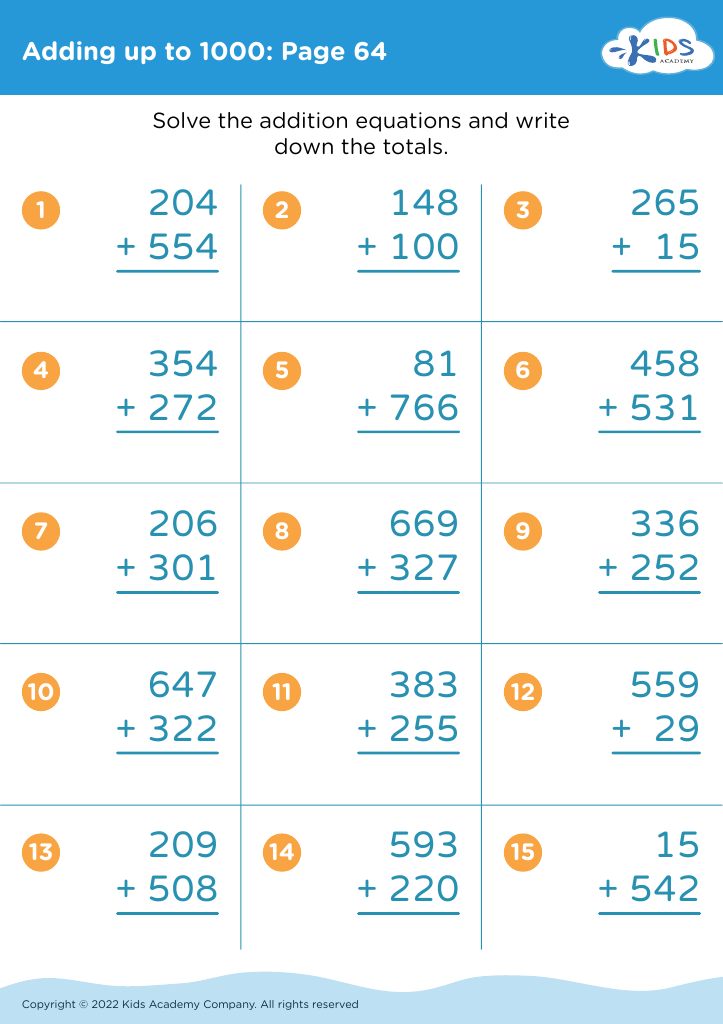
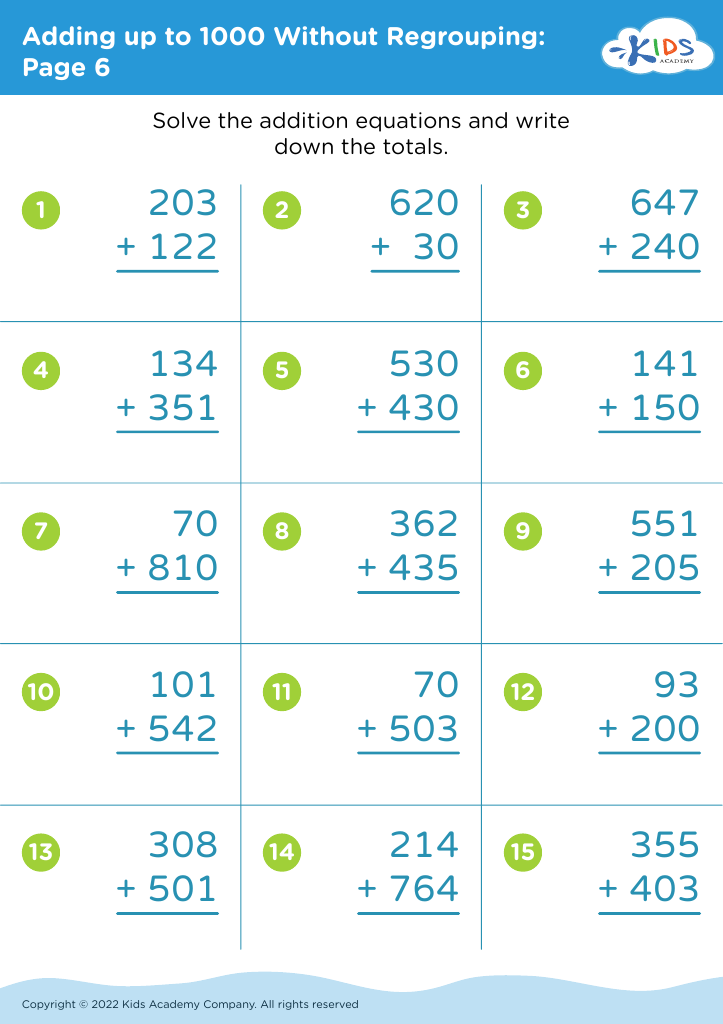
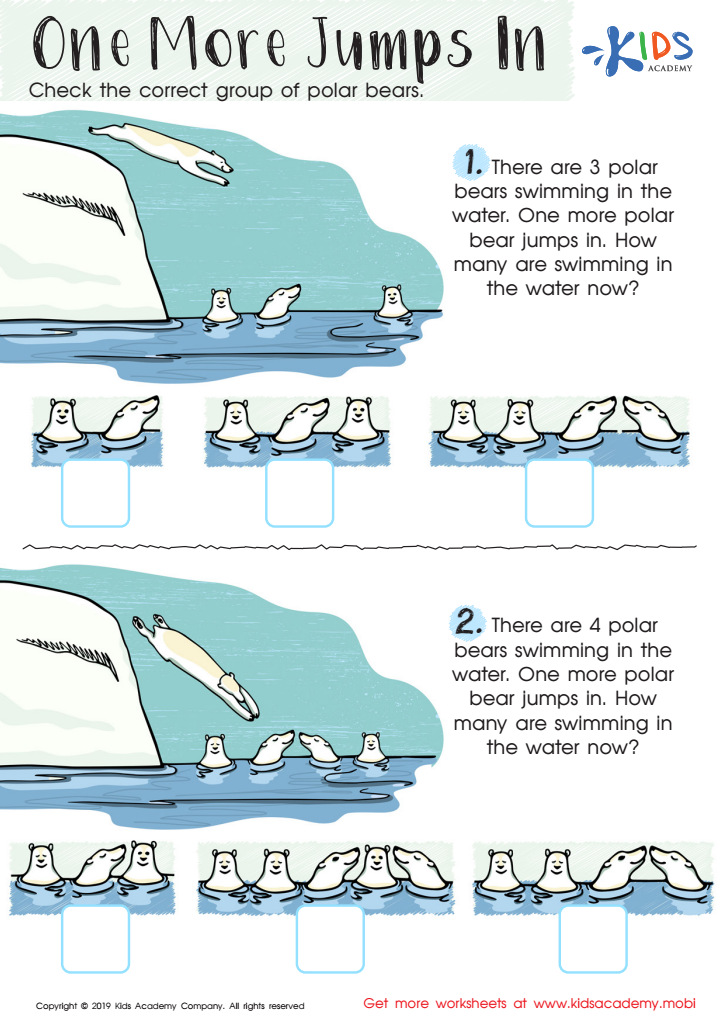
One More Jumps In Worksheet
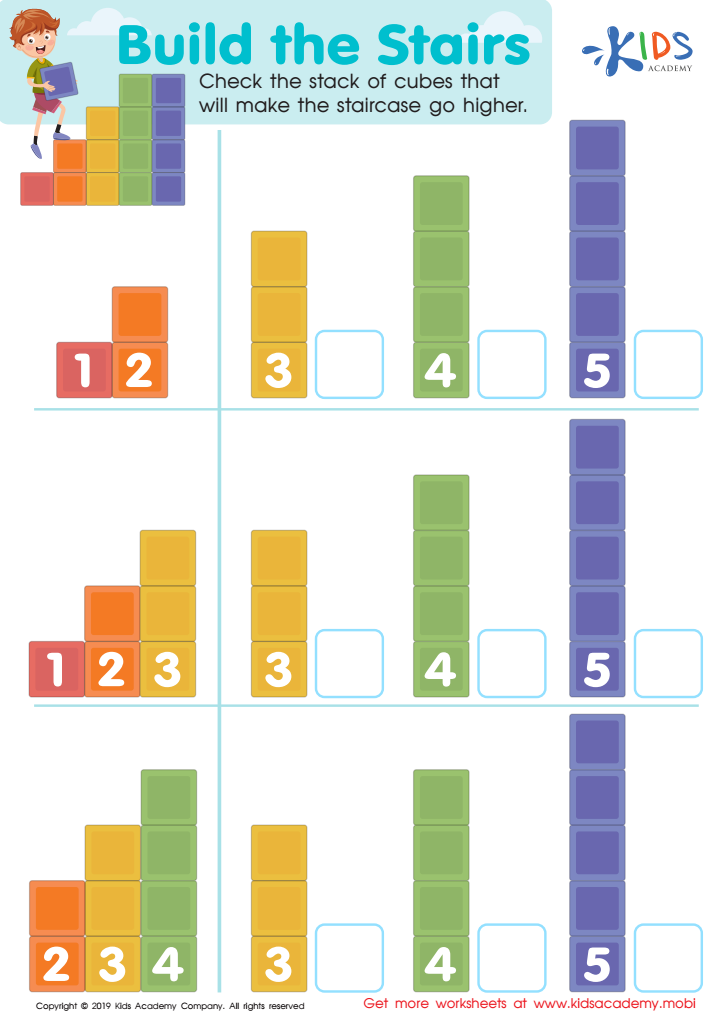
Build the Stairs Worksheet
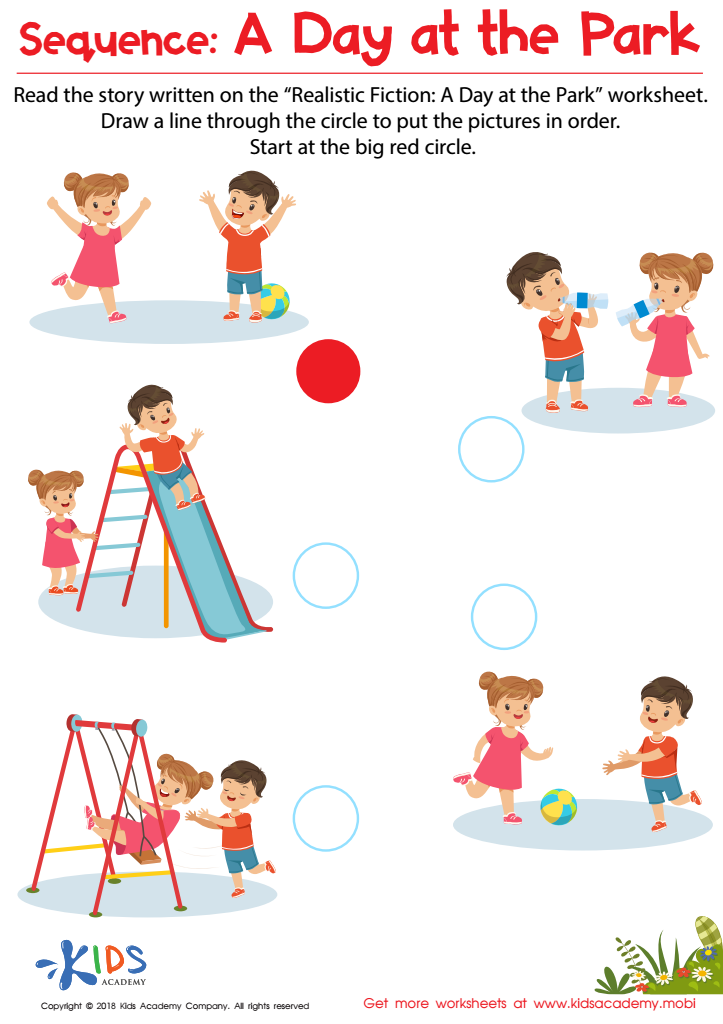
Sequence: A Day at the Park Worksheet
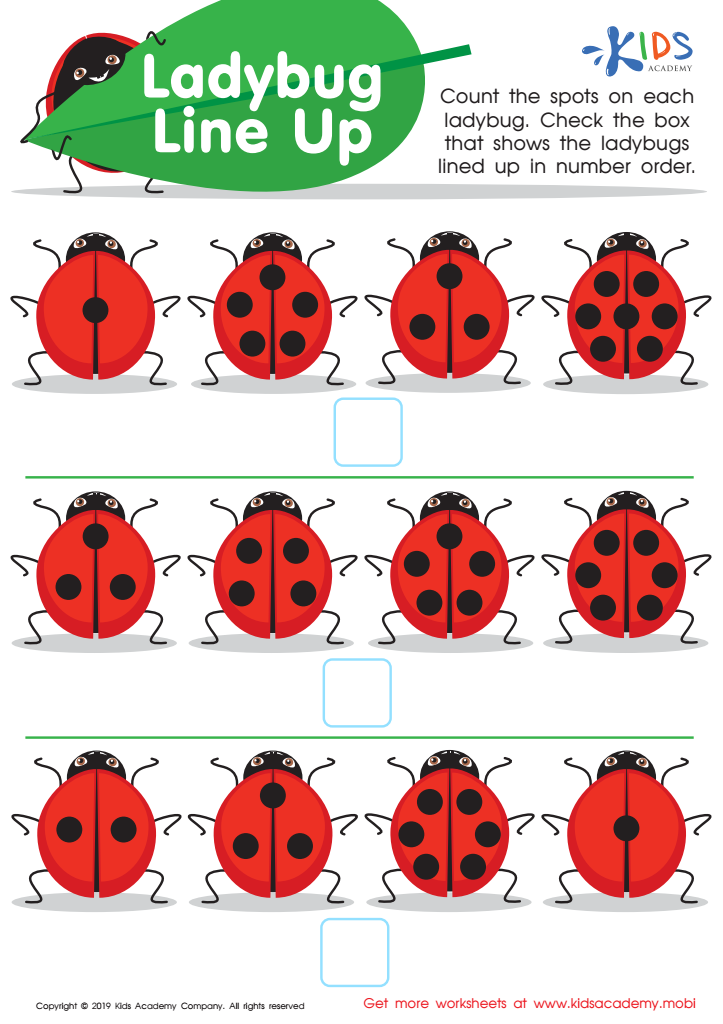
Ladybug Line Up Worksheet
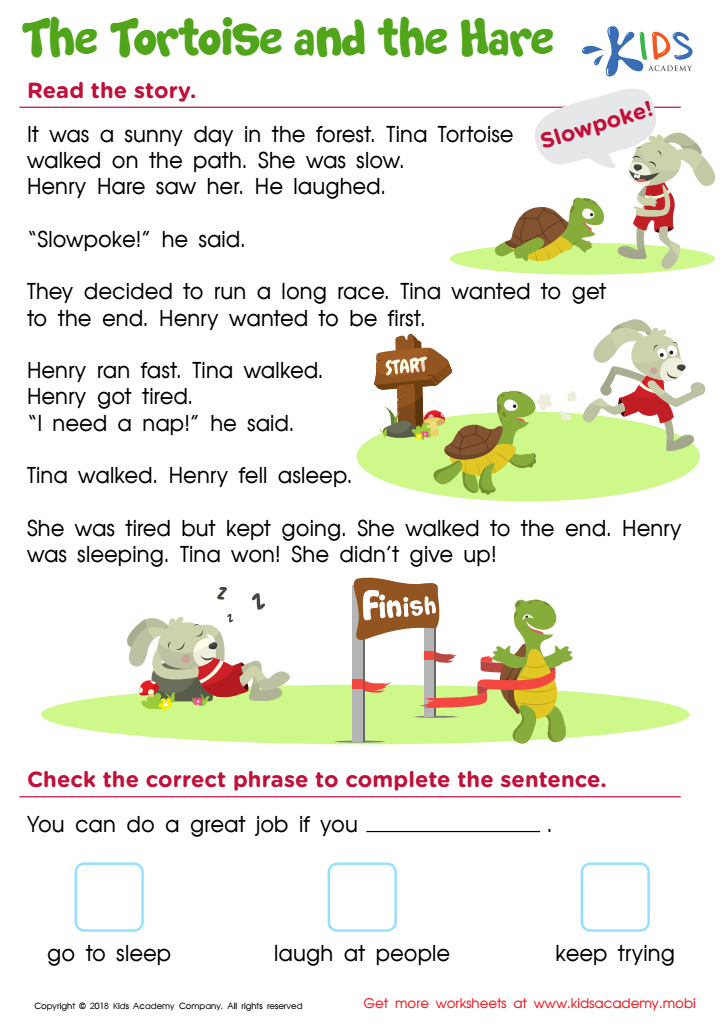
The Tortoise and the Hare Worksheet








Understanding sequencing is crucial for children aged 5-9 as it lays the foundation for critical thinking, problem-solving, and comprehension skills. At this age, children are developing their ability to make sense of the world around them, and sequencing helps them categorize information, understand cause and effect, and follow logical steps.
For parents and teachers, sequencing enhances a child's ability to comprehend stories. By grasping the order of events, children can better recall details, predict outcomes, and analyze characters' motivations, which deepens their engagement with reading materials. Moreover, sequential skills are essential in everyday activities, such as following instructions in cooking or assembling toys.
Additionally, sequencing aids in the development of mathematical skills. Children learn to recognize patterns, solve problems, and understand the progression of numbers, laying the groundwork for future math concepts.
Failing to understand sequencing can hinder a child's academic progress, leading to challenges in literacy and numeracy as they advance. Therefore, fostering these skills through activities like storytelling, calendar events, or structured play allows children to build a solid foundation for lifelong learning, making it vital for parents and teachers to prioritize sequencing education.








